%22%2F%3E%0A%20%20%20%20%20%20%3Ccircle%20cx%3D%22920%22%20cy%3D%22180%22%20r%3D%2290%22%20fill%3D%22%23cfe8d5%22%2F%3E%0A%20%20%20%20%20%20%3Cpath%20d%3D%22M600%20590c-90-180-215-255-310-280%200%20165%20118%20296%20270%20296h40z%22%20fill%3D%22%2379b88e%22%2F%3E%0A%20%20%20%20%20%20%3Cpath%20d%3D%22M600%20590c80-150%20198-212%20302-228-8%20142-123%20255-270%20255h-32z%22%20fill%3D%22%235c9f73%22%2F%3E%0A%20%20%20%20%20%20%3Cpath%20d%3D%22M600%20610V360%22%20stroke%3D%22%234f8c64%22%20stroke-width%3D%2218%22%20stroke-linecap%3D%22round%22%2F%3E%0A%20%20%20%20%20%20%3Ctext%20x%3D%22600%22%20y%3D%22700%22%20text-anchor%3D%22middle%22%20font-family%3D%22Arial%2C%20sans-serif%22%20font-size%3D%2244%22%20fill%3D%22%23365c45%22%3E%0A%20%20%20%20%20%20%20%20Plant%20image%20coming%20soon%0A%20%20%20%20%20%20%3C%2Ftext%3E%0A%20%20%20%20%3C%2Fsvg%3E%0A%20%20)
carnation
Dianthus caryophyllus 'Vienna Mischung'
Visão geral
The Vienna Mischung Carnation (Dianthus caryophyllus) is a unique and stunning plant that adds vibrant color to any garden. Its fragrant flowers come in a variety of hues, ranging from white to purple and pink to red. These bright flowers can last up to three days and its sturdy stems make them perfect for cut flower arrangements. Additionally, carnations are easy to take care of and thrive in a variety of climates. Their hardy nature means they can survive cold winters, and they are even capable of rebudding and blooming multiple times throughout the summer. With its gorgeous, long-lasting blooms, the Vienna Mischung Carnation makes a great addition to any garden.
Guia de cuidados
Rega
When watering carnations (Dianthus caryophyllus 'Vienna Mischung'), the amount of water used should be determined by the soil's moisture level. The soil should feel moist but not soggy. To check the moisture level, simply stick your finger into the soil up to the first knuckle. If it feels dry, it's time to water. If it feels damp or slightly moist, it's best to wait until the soil dries out. Water plants when the soil surface is dry, usually every 1-2 weeks allowing for at least an inch of water to soak into the soil. Allow the water to penetrate the root zone by watering slowly, for 15 - 30 minutes. During periods of hot or dry weather, it's ok to water more frequently. If you are unsure, it's best to water deeper less often than shallow and more often.
Luz
Carnations (Dianthus caryophyllus 'Vienna Mischung') thrive best in sunny locations, receiving at least 6-8 hours of direct sunlight per day. However, during the hottest times of day in summer months, they may need some protection from the sun's intense rays to prevent scorching. Carnations enjoy a bit of afternoon shade or filtered sunlight in these instances. In winter months, reduce the amount of direct sunlight and protect your plant from drafts and winds.
Solo
Alkaline, Rocky , gravelly , dry, Well-drained
Temperatura
Hardiness zone 5–9.
Poda
Carnations should be pruned in early spring to keep them vigorous and flowering. First, remove dead, damaged, or diseased growth at the base. Cut off all shoots emerging from the base of the plant to the ground, but leave a few shoots in order to promote new growth. Then, cut back the stems of all flowering spikes, being careful not to damage the buds. Finally, shorten all remaining stems to a uniform length of about 6 inches. Even if the plants don't show signs of pruning at first, don't worry, as they will typically respond with healthy new growth.
Propagação
Seed Propagation, Division, Cutting, Layering Propagation
Doenças de plantas
Common pests: Crown rot, Deer resistant, Rabbit resistant, Drought resistant .
Related plants
Other plants you might like if you grow carnation.
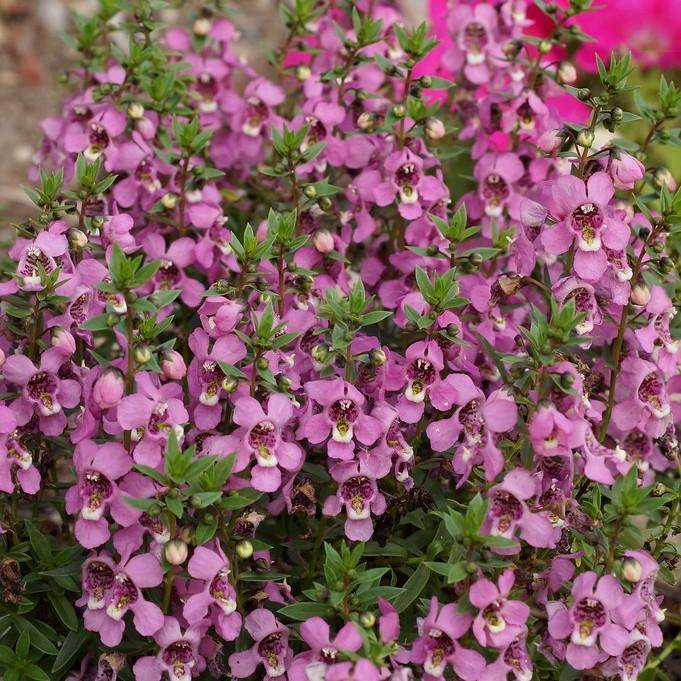
angelonia
Angelonia angustifolia
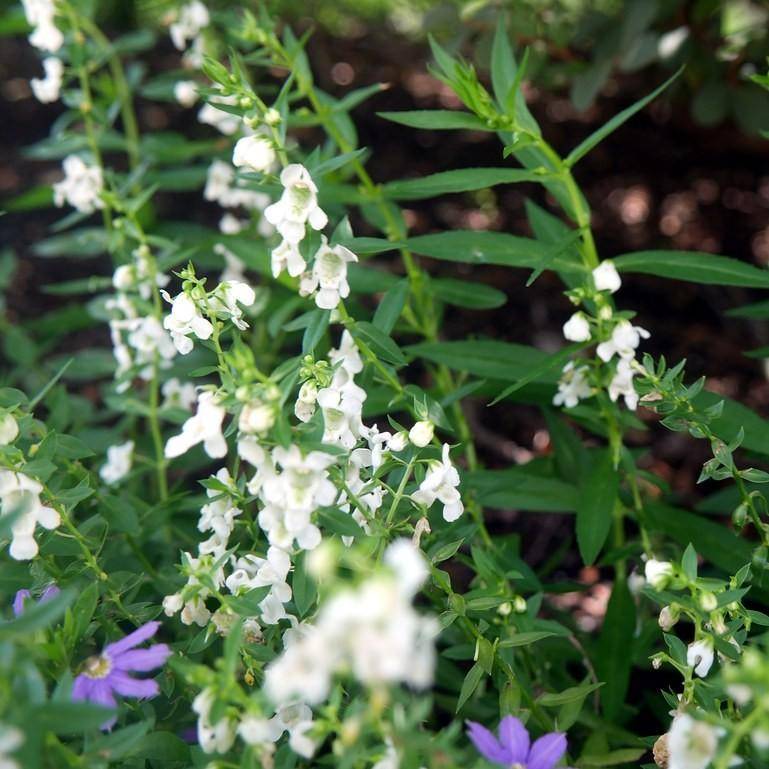
angelonia
Angelonia angustifolia SERENA MIXTURE
carnation
Dianthus caryophyllus 'Clarion'
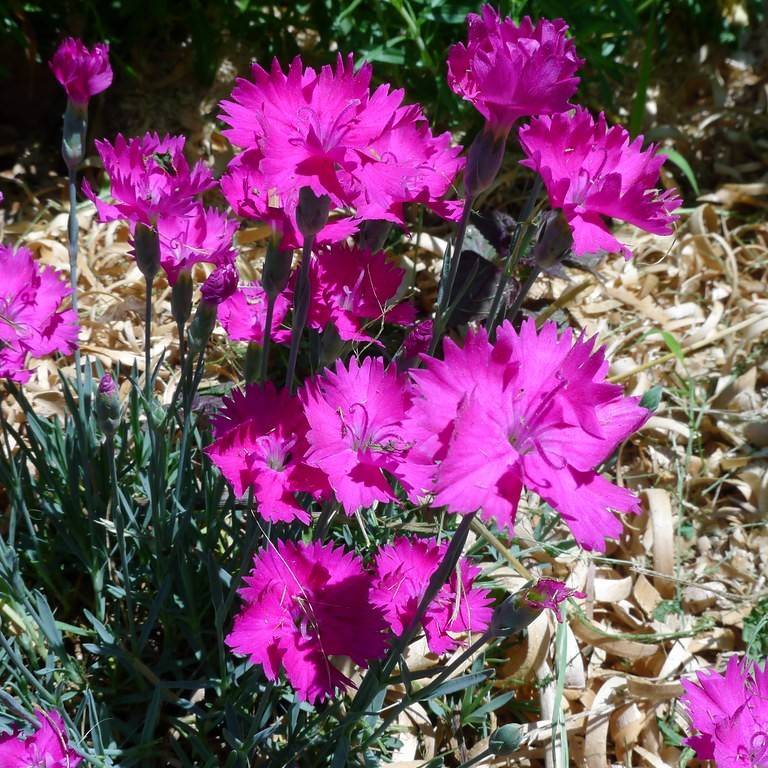
cheddar pink
Dianthus gratianopolitanus
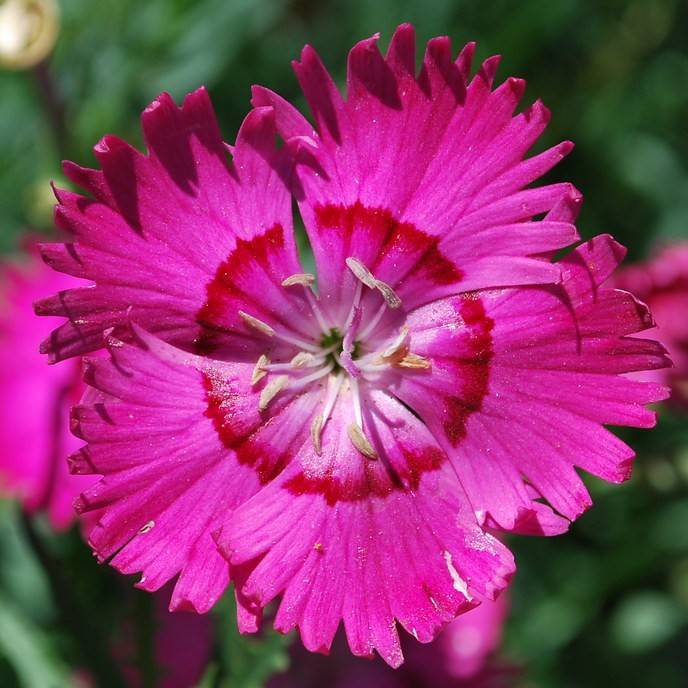
cheddar pink
Dianthus gratianopolitanus 'Grandiflorus'
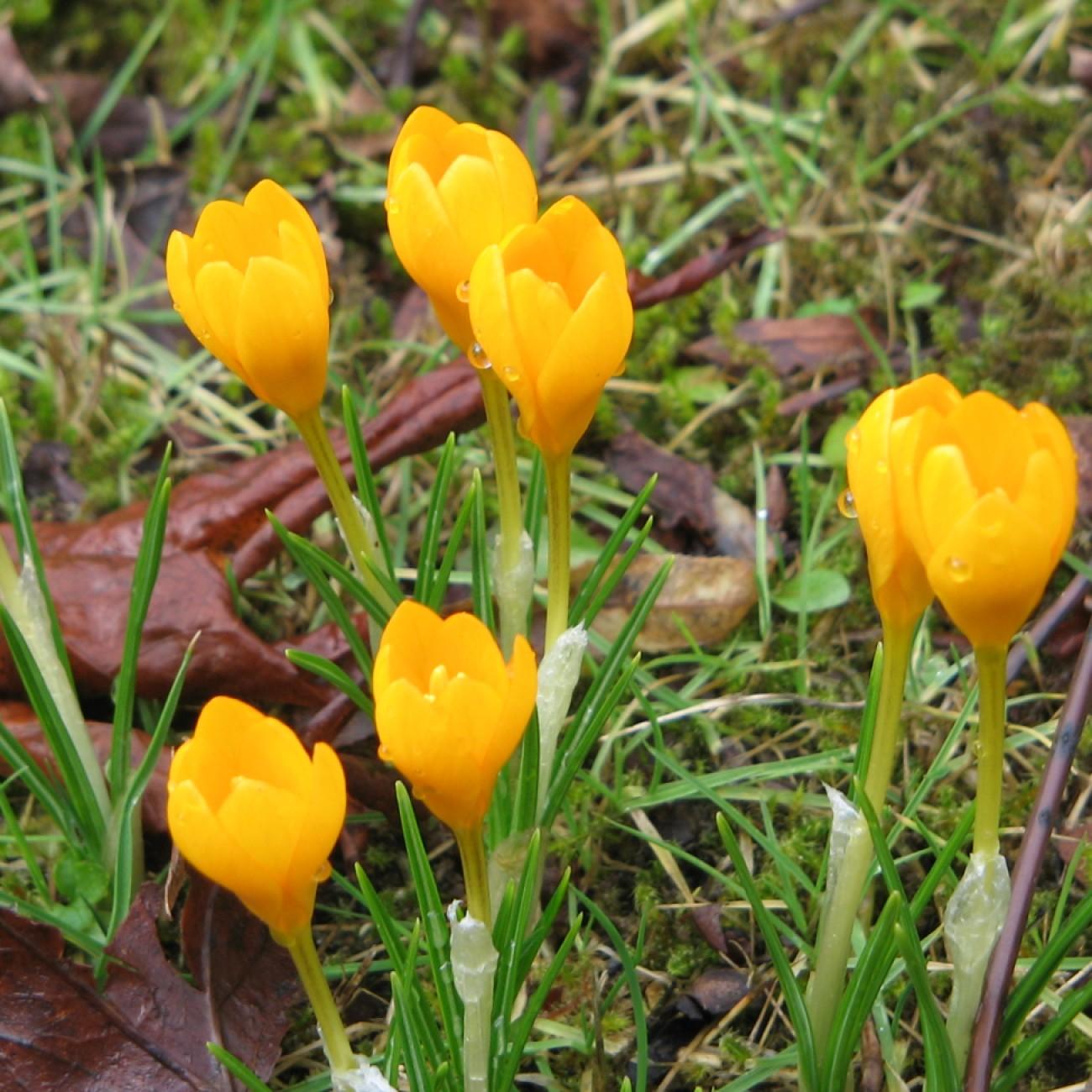
crocus
Crocus luteus 'Golden Yellow'
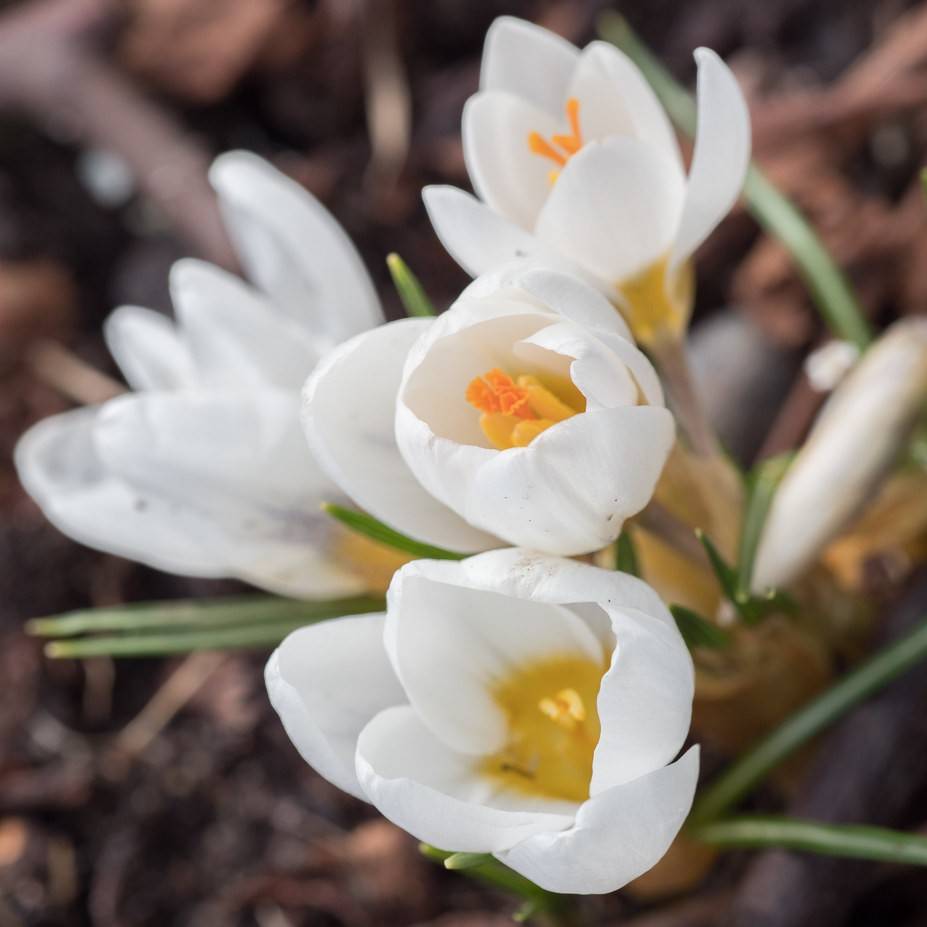
Dutch crocus
Crocus vernus
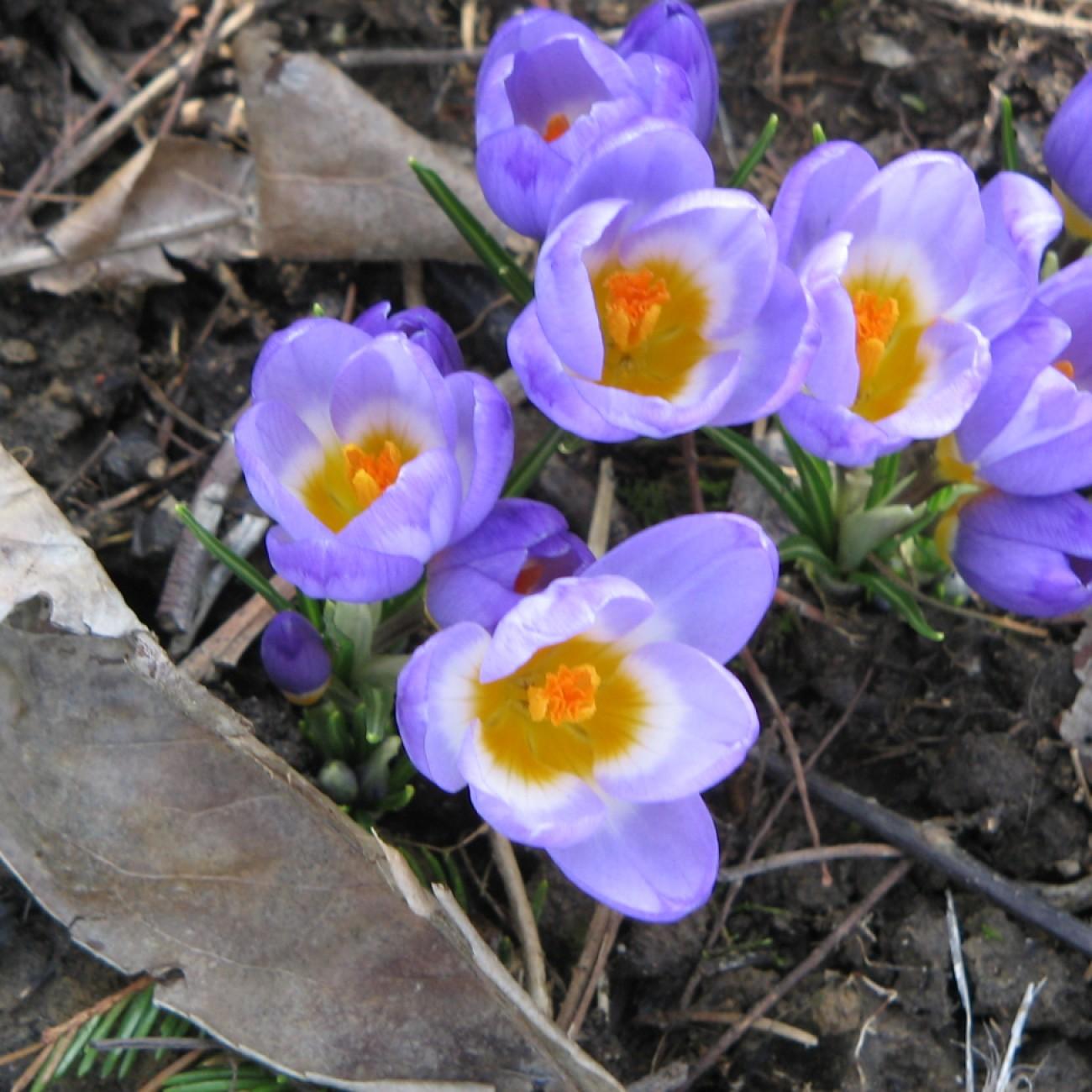
Sieber's crocus
Crocus sieberi subsp. atticus 'Firefly'