%22%2F%3E%0A%20%20%20%20%20%20%3Ccircle%20cx%3D%22920%22%20cy%3D%22180%22%20r%3D%2290%22%20fill%3D%22%23cfe8d5%22%2F%3E%0A%20%20%20%20%20%20%3Cpath%20d%3D%22M600%20590c-90-180-215-255-310-280%200%20165%20118%20296%20270%20296h40z%22%20fill%3D%22%2379b88e%22%2F%3E%0A%20%20%20%20%20%20%3Cpath%20d%3D%22M600%20590c80-150%20198-212%20302-228-8%20142-123%20255-270%20255h-32z%22%20fill%3D%22%235c9f73%22%2F%3E%0A%20%20%20%20%20%20%3Cpath%20d%3D%22M600%20610V360%22%20stroke%3D%22%234f8c64%22%20stroke-width%3D%2218%22%20stroke-linecap%3D%22round%22%2F%3E%0A%20%20%20%20%20%20%3Ctext%20x%3D%22600%22%20y%3D%22700%22%20text-anchor%3D%22middle%22%20font-family%3D%22Arial%2C%20sans-serif%22%20font-size%3D%2244%22%20fill%3D%22%23365c45%22%3E%0A%20%20%20%20%20%20%20%20Plant%20image%20coming%20soon%0A%20%20%20%20%20%20%3C%2Ftext%3E%0A%20%20%20%20%3C%2Fsvg%3E%0A%20%20)
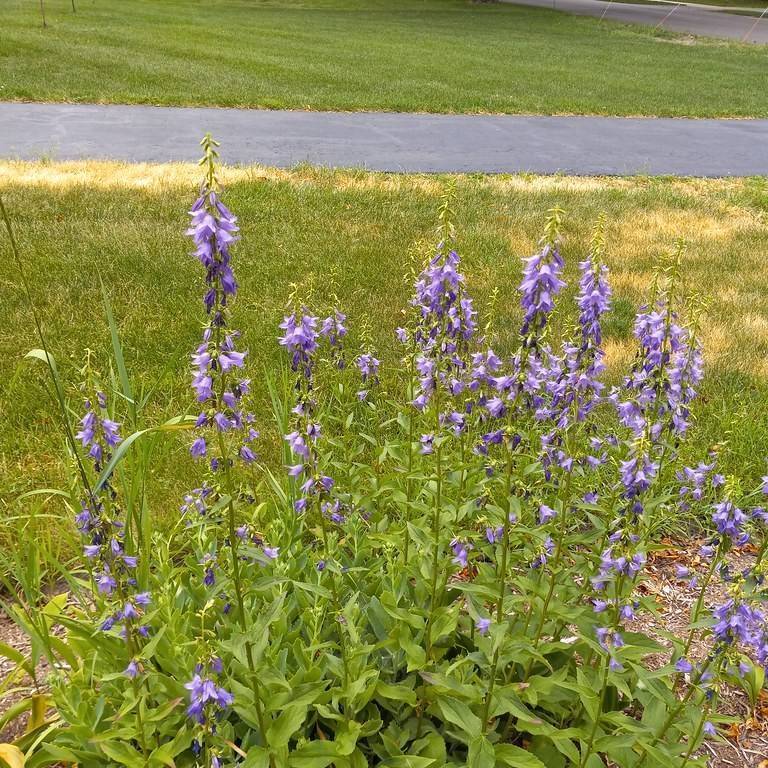
bellflower
Campanula kemulariae
Visão geral
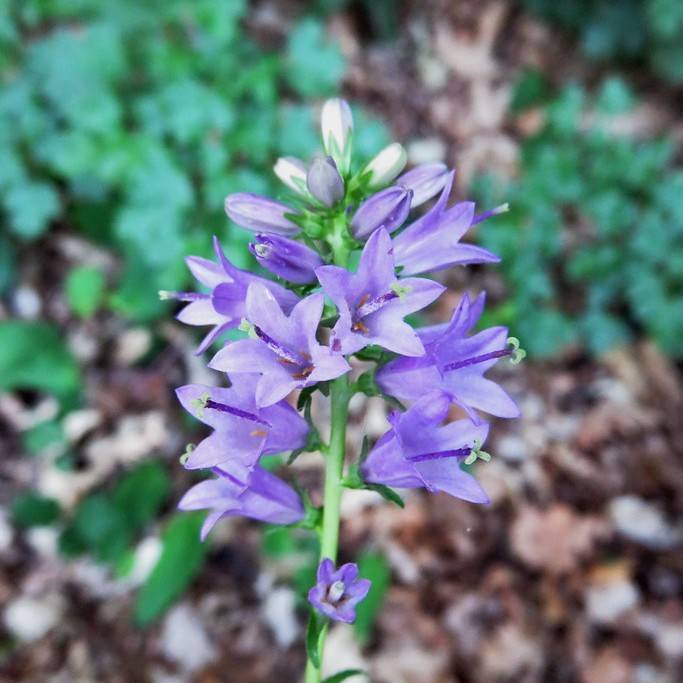
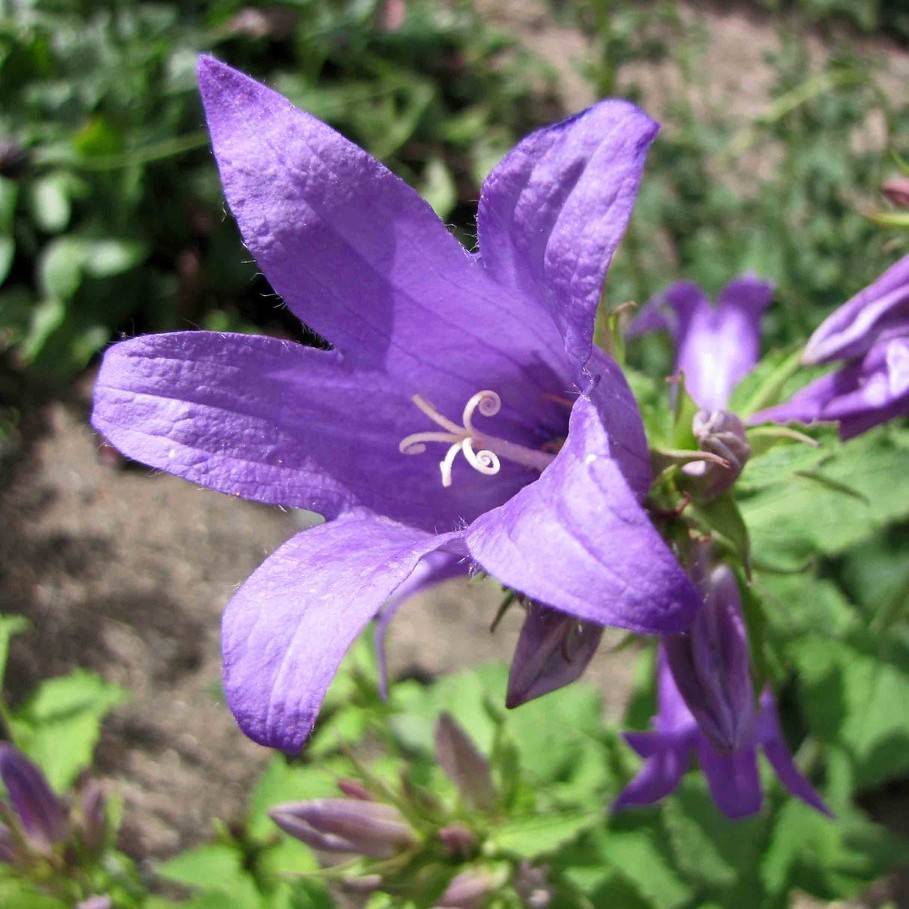
The bellflower (Campanula kemulariae) is a stunning species from the Campanulaceae family. It's a perennial plant with bell-shaped, lavender-blue flowers that bloom in the summertime. The bellflower grows up to 3 feet tall, making it a beautiful addition to any garden. Not only is it eye-catchingly beautiful, but the bellflower is also known for its hardiness and disease resistance. This species is easily cultivated and grown, as it prefers moist, well-drained soils and thriving in sunny or partially shady locations. It is also suitable for growing in containers, making it an ideal specimen to add to any garden. The bellflower is the perfect plant to add color and texture to your outdoor living space.
Guia de cuidados
Rega
Bellflower (Campanula kemulariae) is a beautiful plant species that does best when given adequate water. Water the bellflower when the soil is slightly dry, but not completely dry. This will generally be about once a week when temperatures are warm. If the weather is particularly hot, water the bellflower twice a week. In cooler climates, water the bellflower every 10-14 days. When watering, be sure to saturate the soil so that the water is able to reach the roots. Allow the excess water to drain from the container, and do not overwater.
Luz
Bellflower (Campanula kemulariae) thrives best in full sun at least 6 to 8 hours a day. This plant species also prefers cooler temperatures during the day, so during the hottest summer months it is best to provide some shade in order to protect the foliage from being burnt by the extreme temperatures. To ensure optimal growth, it is important to maintain consistent temperatures and provide adequate light for the bellflower during the year.
Temperatura
Hardiness zone 4–8.
Poda
Bellflower should be pruned in late spring, just after bloom, to ensure lots of blooms in the coming season. Cut off the dead flower stalks at the base, or just above, a leaf or leaf node. Pinch each stem lightly back just after flowering as well. This will cause branching and more compact growth, as well as encouraging additional buds and blooms. If a bellflower stem becomes hard and woody, it should be pruned all the way down to the ground. If the plant shows signs of legginess, reduce some of the taller stems to the height of the bush. Bellflowers will benefit from an annual pruning to keep them healthy and blooming.
Propagação
Seed Propagation, Cutting, Division
Related plants
Other plants you might like if you grow bellflower.