Houseplant Identification: Complete Guide to Recognizing Common and Uncommon Indoor Plants
Master houseplant identification with our step-by-step guide to visual traits, common species, and tools to accurately name your mystery indoor plants and give them the right care.
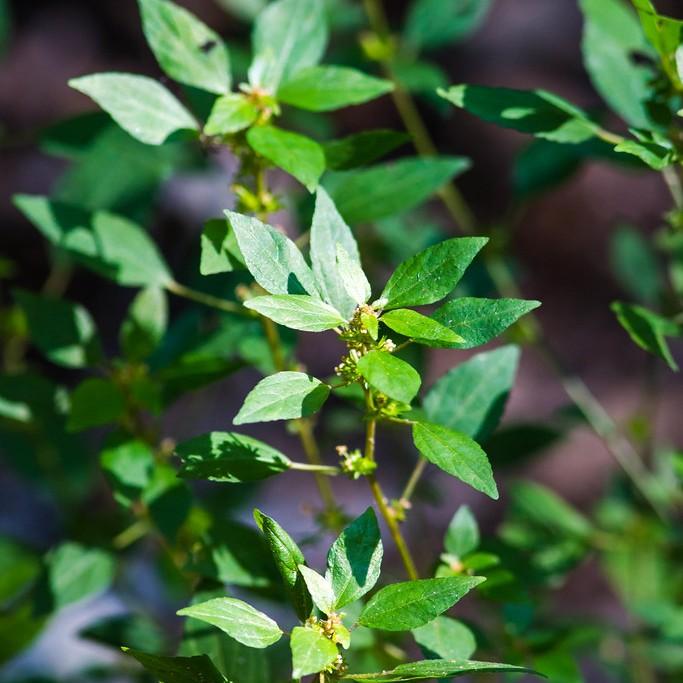
Houseplant identification is the process of identifying unknown indoor plants using visual traits, reference materials, or AI tools. Accurate identification helps you access correct care instructions, avoid toxic plant risks for kids and pets, and prevent preventable plant death from mismatched care routines.
What Is House Plant Recognition, and Why Does It Matter?
At its core, this identification process solves a common problem for plant parents of all skill levels: figuring out exactly what greenery you’re bringing into your home. Correct IDs eliminate care guesswork, help you avoid toxic plant risks, and prevent repeated failed growth attempts from mismatched care routines.
First, being able to identify your indoor plants is essential for naming mystery greenery, whether they’re gifted by a friend, found on a neighborhood swap table, or came without a label from a local nursery. It also lets you confirm the accuracy of nursery labels, which are often misprinted or generic for similar-looking species. Most importantly, it helps you avoid toxic plant risks for kids and pets, as even common indoor plants can cause adverse reactions if ingested.
Incorrect IDs are a top cause of preventable house plant death, as care needs vary drastically even between similar-looking species. For example, a succulent that requires infrequent, deep water will rot quickly if you give it the weekly shallow waterings a tropical fern needs. House plant recognition eliminates that guesswork, so you can tailor your care routine to your specific plant’s needs instead of relying on generic advice.
Key Visual Traits to Use for Identifying Indoor Plants
Manual identification relies on observing consistent, species-specific visual traits that set each plant apart. You don’t need any specialized training to spot these features—just a close look at your plant’s most distinct parts. These traits are also the same ones AI tools use to identify house plant species quickly and accurately.
Start with leaf shape, the most obvious identifying trait. Common shapes include oval, pointed, heart-shaped, ruffled, or lance-like, and many species have highly consistent leaf forms. Variegation, or patterned coloring on leaves, is another key marker: some plants have edge variegation, while others have stripes, spots, or marbled patterns across the entire leaf surface. For example, the cast-iron plant has wide, glossy, solid dark green upright leaves with no variegation, a trait that makes it easy to distinguish from similar broad-leafed tropicals. You can learn more about its distinct traits in our identify house plant care guide for cast-iron varieties.
Next, check growth habit, or the way the plant grows overall. Trailing plants vine down from hanging pots, upright plants grow vertically on thick or thin stems, rosette plants grow in a circular, low-to-the-soil pattern, and climbing plants produce aerial roots to attach to trellises or moss poles.
Texture is another easy-to-spot trait that can narrow down IDs quickly. Run a finger lightly over a leaf: is it fuzzy, waxy, leathery, or thick and succulent? Succulent leaves store water, so they feel firm and thick, while tropical leaves often feel thin and soft or leathery to the touch.
How to Identify a House Plant by Photo in 3 Simple Steps
Photo-based identification is the fastest, most accessible method for new plant parents to name unlabeled greenery, and it only requires a smartphone and clear shots of your plant’s key features. Following a consistent process drastically improves the accuracy of results from both AI tools and community ID requests, so you can reliably identify house plant species even if you have no prior gardening experience.
- Capture high-quality reference photos Take photos in soft natural light, avoiding direct overhead sun that causes glare or shadow that obscures leaf details. Snap four core shots: the full growth habit of the plant to show its size and shape, the top of a mature leaf to show color and variegation, the underside of a leaf to show texture and vein patterns, and any unique features like flowers, buds, or aerial roots. Crop out background clutter like other plants or furniture to focus only on the plant you want to identify.
- Submit photos to an ID tool or community Upload your photos to an AI-powered tool like Sproutly for near-instant potential matches, or post them to a plant parent Facebook Group with context about where you acquired the plant and its current growing conditions. For AI tools, ensure you’re using a platform with a verified database focused on indoor house plants to reduce irrelevant results for outdoor or wild species.
- Confirm the match against your plant’s traits Cross-reference the suggested ID with key visual traits you observed: check if the leaf shape, texture, growth habit, and mature size align with the species profile. For example, if Sproutly suggests your succulent is an aloe, compare its markings and growth pattern to the profile in our aloe plant care requirements guide to confirm the match is correct before adjusting your care routine.
If you want a more detailed breakdown of trait checks for common species, our guide How to Identify House Plants: Simple Tips for New Plant Parents walks through trait-specific checks for 10 of the most popular indoor plants.
Toxic vs Pet-Safe House Plant Identification: Key Traits to Spot Fast
Identifying toxic vs pet-safe house plants quickly prevents accidental ingestion risks for kids and pets, and many common toxic and non-toxic lookalikes have distinct, easy-to-spot visual traits that let you tell them apart at a glance. Always confirm any visual ID with a verified toxicity database, as some subtle traits can be easy to miss for untrained observers.
The most common high-risk lookalike pair is Alocasia Low Rider (elephant’s ear) and parlor palm, both of which have lush green foliage and are sold as low-maintenance tropical houseplants. Alocasia Low Rider has thick, waxy, arrow-shaped leaves that grow from upright stems, and it is toxic to cats and dogs due to calcium oxalate crystals that cause mouth and throat irritation if ingested. You can confirm its toxicity profile in our Alocasia Low Rider toxicity notes guide. The parlor palm, by contrast, has thin, feathery, fan-like fronds that grow in clusters from the base of the plant, and it is completely non-toxic to pets and kids. Our parlor palm care guide includes additional photos of its distinct foliage to help you tell it apart from toxic lookalikes.
Other fast checks for common toxic species include:
- Arrow-shaped, waxy leaves often indicate an aroid species, many of which are toxic to pets
- Milky sap that leaks from cut stems is a common trait of toxic euphorbia species
- Succulents with white spots and soft, translucent leaf tips are almost always haworthia, which are non-toxic, while solid green pointed succulent leaves are often aloe, which is pet-safe.
If you are looking for non-toxic options for your home, our curated list of pet-safe houseplants includes species verified to be safe for cats, dogs, and young children.
Common Misidentified House Plants: How to Tell Similar Species Apart
Misidentifying common house plants leads to incorrect care routines that cause stunted growth, root rot, or plant death, and most frequent mix-ups can be resolved by checking one or two species-specific traits that are hard to spot at first glance. These pairs are often grouped together in nurseries under generic common names, so confirming the exact ID after purchase prevents avoidable care mistakes.
The most frequently misidentified house plant pairs include:
- Aloe vs haworthia: Both are small, rosette-forming succulents with pointed green leaves, but aloe leaves are thick, fleshy, and have serrated edges, while haworthia leaves are thinner, often have raised white spots or stripes, and have smooth edges. Aloe requires bright direct light and water every 2-3 weeks, while haworthia thrives in bright indirect light and needs water only every 3-4 weeks.
- Pothos vs heartleaf philodendron: Both have trailing growth habits and heart-shaped leaves, but pothos leaves are thick, waxy, and often have yellow or white variegation, while heartleaf philodendron leaves are thinner, softer, and usually solid medium green. Pothos tolerates lower light than philodendron, and it is more prone to root rot if overwatered.
- Snake plant vs bird’s nest sansevieria: Both have stiff, upright green leaves with yellow margins, but standard snake plant leaves are long, narrow, and grow to 2-4 feet tall at maturity, while bird’s nest sansevieria leaves are shorter, wider, and grow in a tight, nested rosette that tops out at 6-12 inches tall.
- Alocasia vs colocasia: Both are called elephant’s ear and have large, arrow-shaped leaves, but Alocasia leaves point upward from their stems, while Colocasia leaves point downward. Alocasia requires bright indirect light, while Colocasia tolerates full direct sun.
Dracaenas are also frequently misidentified as snake plants when young, but dracaenas grow from a central woody stem with leaves branching out from the top, while snake plants grow directly from the soil in a rosette pattern. Houseplants A-Z databases list these distinct growth traits as the primary marker to tell the two species apart. For more help identifying trailing or vining varieties, check our Vine Identification by Leaf: A Simple Guide for Beginner Gardeners for trait-specific ID cues.
Manual Identification Methods for Beginners
If you don’t have a digital tool handy, you can still get accurate IDs using free, low-effort manual methods. Each has pros and cons, so you may need to combine a few to get a confirmed match, especially for less common species you’re trying to identify house plant entries for in generic databases.
The first method is cross-referencing your observed visual traits against reputable house plant databases. Look for databases that include high-quality photos of plants at different growth stages, as young plants often look very different from mature specimens. Filter results by your plant’s key traits: for example, search for “upright broad green leathery leaf houseplant” to narrow down candidates for a cast-iron plant ID. The Sproutly plant encyclopedia includes verified entries for hundreds of common and rare houseplants, with clear photos and ID cues for each growth stage.
Second, you can post clear photos to plant parent community groups on social media or forums for crowdsourced ID. Make sure to include photos of the full plant, leaf front and back, stems, and any flowers or buds, plus context about where you got the plant and what care it has been getting. The downside of this method is that results can be inconsistent, especially for rare or lookalike species, so you should always confirm a community-suggested ID with a second source.
Third, if you know where the plant was purchased, you can compare its traits to care labels or inventory lists from that nursery or store. Many nurseries group similar plants together, so knowing the section you found it in (for example, the succulent section or low-light tropical section) can narrow down potential IDs quickly. If you are searching for low-light options, our list of shade-tolerant indoor plants includes species that can thrive in dim corners of your home.
How Digital Tools Simplify Fast, Accurate Plant Identification
Manual ID methods work well for common species, but they can be time-consuming, especially if you’re dealing with a lookalike pair or a less common cultivar. AI-powered digital tools streamline the process, so you can get potential matches in seconds without sifting through hundreds of database entries, making them ideal for anyone looking to identify house plant species quickly.
To use a digital ID tool, take a clear photo of your plant’s most distinct features: leaves, flowers, growth habit, and any unique markings like variegation or spines. The tool will compare your photo to its database of plant images and return a list of potential matches, usually ranked by likelihood.
Sproutly’s AI-powered houseplant identification tool is built to help you identify house plants quickly, and you can cross-reference results with built-in care guides to confirm the ID fits your plant’s observed needs. For example, if Sproutly suggests your plant is a cast-iron plant, you can check the care guide to confirm it matches your plant’s tolerance for low light and infrequent watering. Always check the current app listing for the latest feature details and available plant database coverage, including any subscription terms or payment labels for premium features.
Common Houseplant Identification: 12 Widespread Species to Recognize At a Glance
Common houseplant identification focuses on the most widely available species sold across nurseries, grocery stores, and plant swaps, with distinct visual markers that even total beginners can spot. This list includes all the most common species referenced in leading houseplant resources, plus undercovered varieties that are often missing from basic ID guides.
- African Violet (Saintpaulia ionantha): Low, compact rosette growth habit, with fuzzy, oval-shaped dark green leaves and clusters of small, soft purple, pink, or white flowers. Thrives in bright indirect light and consistent moisture, and requires water at the base to avoid leaf spot.
- Air Plant (Tillandsia spp.): Epiphytic growth habit (no soil required), with thin, spiky or curly gray-green leaves that absorb moisture and nutrients from the air. Produces bright, tubular flowers when mature, and needs weekly soaking and bright indirect light to thrive.
- Anthurium (Anthurium andraeanum): Upright growth habit, with thick, glossy, heart-shaped dark green leaves and distinctive waxy, heart-shaped flowers in red, pink, or white that last for months. Toxic to pets if ingested, and requires high humidity and bright indirect light.
- Asparagus Fern (Asparagus setaceus): Trailing or upright clumping growth habit, with fine, feathery, light green leaf-like fronds and small, sharp thorns along its stems. Often sold in hanging baskets, and requires bright indirect light and consistent moisture to prevent frond browning.
- Chinese Evergreen (Aglaonema spp.): Upright clumping growth habit, with glossy, oval-shaped leaves in patterns of green, silver, pink, or red depending on the cultivar. Tolerates low light and infrequent watering, making it a popular low-maintenance option.
- English Ivy (Hedera helix): Trailing or climbing vining growth habit, with small, lobed dark green leaves (some cultivars have white or yellow variegation). Produces aerial roots to attach to trellises or surfaces, and tolerates low to bright indirect light. Toxic to pets if ingested.
- Fiddle Leaf Fig (Ficus lyrata): Tall, upright tree-like growth habit, with large, glossy, violin-shaped dark green leaves growing from a thick, woody central stem. Requires bright indirect light and consistent watering to avoid leaf drop, and can grow 6-10 feet tall indoors.
- Jade Plant (Crassula ovata): Thick, fleshy, oval-shaped green leaves growing in opposite pairs along thick, woody stems. A succulent that stores water in its leaves and stems, requiring infrequent watering and bright direct light. Distinct from other small succulents by its tree-like growth habit as it matures.
- Common Copperleaf (Acalypha wilkesiana): Upright shrubby growth habit, with crinkled, multicolored leaves in shades of copper, red, green, and bronze. Its unique variegation pattern cannot be confused with any other common houseplant, and it requires bright indirect light to maintain its vibrant color. For more care details, see our full Common Copperleaf species guide.
- Aglaonema Pictum Tricolor: A rare cultivar of Chinese evergreen, with oval-shaped leaves marked with distinct dark green, light green, and pink variegation, plus bright pink stems. Requires high humidity and bright indirect light to maintain its bright coloring, and is highly sought after by plant collectors.
- African Milk Tree (Euphorbia trigona): Upright, cactus-like growth habit, with thick, ribbed green stems lined with small spines and oval-shaped green leaves along the ridges. Produces milky sap if cut, which is toxic to pets and can irritate skin, and requires bright direct light and infrequent watering.
- Aluminum Plant (Pilea cadierei): Upright bushy growth habit, with oval-shaped dark green leaves marked with distinctive silver, metallic-looking patches along the veins. Requires bright indirect light and consistent moisture to avoid leaf drop, and stays under 12 inches tall indoors.
For more details on rare and ornamental foliage species, see our guide to Callicarpa Beautyberry: Identification, Care, Uses, and Top Cultivars, which covers a unique ornamental species that can be grown indoors in warm, bright spaces.
How to Distinguish Lookalike Common Houseplants
Many common houseplants share surface-level traits that make casual identification tricky, but nearly all lookalike pairs have 1-2 distinct, consistent traits you can use to tell them apart. These traits are stable across growing conditions, so they will not change even if a plant is stressed or grown in suboptimal light.
The most common lookalike pairs and their distinguishing traits include:
- Fiddle Leaf Fig vs. Rubber Plant: Both have large, glossy green leaves and upright woody stems, but fiddle leaf fig leaves are broad and violin-shaped with wavy edges, while rubber plant leaves are oval, thick, and have a distinct rubbery texture. Fiddle leaf figs are far more prone to leaf drop from inconsistent watering than rubber plants.
- African Violet vs. Cyclamen: Both have fuzzy leaves and small, colorful flowers, but African violet leaves are round and grow in a low rosette, while cyclamen leaves are heart-shaped with silver marbling and grow from a central corm. Cyclamen flowers have distinctive twisted petals, while African violet flowers are flat and five-petaled.
- Air Plant vs. Spanish Moss: Both are epiphytic and do not require soil, but air plants have thick, structured leaves that form a rosette or trailing clump, while Spanish moss has thin, thread-like foliage that grows in long, hanging strands.
- Asparagus Fern vs. Boston Fern: Both have feathery, arching fronds, but asparagus fern fronds are fine and needle-like with small thorns along the stems, while Boston fern fronds are made up of small, serrated leaflets with no thorns. Asparagus fern is toxic to pets, while Boston fern is non-toxic.
For ambiguous matches, take close-up photos of leaf undersides, stem texture, and any new growth, then cross-reference with the Sproutly plant encyclopedia or use Sproutly’s AI identification tool for a second opinion.
Common Houseplant Identification Quick Reference Cheat Sheet
This printable cheat sheet organizes 8 of the most common houseplants by their most distinct ID traits, so you can quickly narrow down matches without sorting through long species lists. Keep it on hand for fast common houseplant identification for unlabeled grocery store finds, plant swap gifts, or nursery clearance picks.
| Plant Name | Key Identifying Traits | Growth Habit | Light Requirement | Pet-Safe? |
|---|---|---|---|---|
| African Violet | Fuzzy oval leaves, purple/pink clustered flowers, low rosette | Clumping rosette | Bright indirect | Yes |
| Air Plant | No soil required, spiky/curly gray-green leaves | Epiphytic clump | Bright indirect | Yes |
| Anthurium | Waxy heart-shaped red/pink flowers, glossy green leaves | Upright clumping | Bright indirect | No |
| Asparagus Fern | Fine feathery fronds, small thorns on stems | Trailing/clumping | Bright indirect | No |
| Chinese Evergreen | Silver/pink variegated oval leaves, upright clumps | Clumping | Low to bright indirect | No |
| English Ivy | Lobed dark green leaves, vining growth, aerial roots | Trailing/climbing | Low to bright indirect | No |
| Fiddle Leaf Fig | Large violin-shaped glossy leaves, woody upright stem | Tree-like | Bright indirect | No |
| Jade Plant | Fleshy oval green leaves, woody tree-like stems | Succulent shrub | Bright direct | Yes |
For more tailored care guidance for any of these species, explore our library of houseplant care guides, which include specific watering, light, and humidity recommendations for hundreds of indoor plants.
How to Confirm Common Houseplant Identification to Avoid Care Mistakes
Even if you have a tentative ID from a visual check or AI tool, confirming the match takes just a few extra steps and prevents costly care mistakes that can lead to stunted growth or plant death. This process is especially important for lookalike species with drastically different light and water requirements, or for plants you plan to place near pets or young children.
First, cross-reference 2-3 distinct traits beyond leaf shape: check for secondary markers like stem color, leaf texture, variegation placement, and growth habit. For example, if you suspect a trailing plant is a pothos, confirm its leaves are thick and waxy (not thin and matte) and its stems are rigid, not flexible, to rule out a heartleaf philodendron match.
Next, cross-check care needs against your plant’s current condition. If your suspected jade plant has been thriving in bright direct light with biweekly waterings, that aligns with its known succulent care requirements, confirming the ID is likely correct. If your suspected ZZ plant is showing signs of root rot from weekly waterings, that also aligns with its drought-tolerant needs, supporting the ID.
If you are still uncertain, use a second identification method for confirmation: scan the plant with the Sproutly app for a second AI-generated match, or post clear photos to a plant parent community for crowdsourced input. For ambiguous matches, wait for new growth to appear: young plants often lack mature traits like variegation or fenestrations, but new growth will display the species’ distinct characteristics as it develops.
Common Mistakes to Avoid When Identifying Common Houseplants
Even experienced plant parents make simple errors during common houseplant identification that lead to incorrect matches and preventable care issues. These mistakes are easy to avoid by focusing on specific, consistent traits rather than surface-level similarities between species.
One of the most common mistakes is relying solely on leaf color to make an ID. Leaf color can fade in low light, burn in direct sun, or change due to nutrient deficiencies, so a normally variegated plant may appear solid green if grown in suboptimal conditions. Instead, prioritize consistent traits like leaf shape, texture, and growth habit, which do not change based on care conditions.
Other common mistakes include:
- Ignoring stem and growth habit details: For example, pothos and heartleaf philodendron have similar leaf shapes, but pothos stems are thicker and more rigid, while philodendron stems are thinner and more flexible.
- Assuming all succulents have the same care needs: Aloe vera is a common succulent that requires bright direct light, while the lookalike haworthia thrives in bright indirect light, so misidentifying the two will lead to leaf burn or stunted growth.
- Forgetting to check for unique secondary traits: For example, Alocasia Silver Dragon has distinctive dark green veins that set it apart from other light-colored Alocasia cultivars, while Aglaonema Pictum Tricolor has bright pink stems that no other common Aglaonema variety has.
- Failing to check for pest damage that distorts leaf shape: Aphids, spider mites, and thrips can cause leaves to curl, yellow, or develop unusual spots, obscuring typical ID traits. If your plant looks distressed, reference our Indoor Plant Pests Identification: Pictures and Signs to Spot Infestations Early guide to rule out pest damage before attempting an ID.
7 Tips to Improve Your ID Accuracy
No matter which identification method you use, these actionable tips will help you get more consistent, accurate results every time, so you can reliably identify house plant species even if they have similar-looking lookalikes:
- Take photos in natural light without glare, as artificial light can wash out leaf color and create glare that obscures texture and markings. Avoid taking photos at night or directly under overhead lights if possible.
- Capture multiple angles of the plant: full growth habit to show overall size and shape, leaf front and back to show texture and color, stems to show growth pattern, and any flowers, buds, or new growth that may be unique to the species.
- Note the plant’s care context when seeking an ID: how much light it gets in its current spot, how often you water it, and any signs of healthy or stressed growth (like new variegated leaves or yellowing lower leaves) can help narrow down matches.
- Eliminate background clutter in ID photos, as other plants, pots, or household objects can confuse AI tools or distract community members trying to help with an ID. Crop photos to focus only on the plant you’re trying to identify.
- Cross-reference 2-3 sources to confirm a match before adjusting your care routine. A single AI result or community suggestion is not enough to confirm an ID, especially for lookalike species with very different care needs.
- For fuzzy or fine-textured plants, use your phone’s macro camera mode to capture close-ups of leaf texture, which is often the key trait that sets similar species apart.
- Track how the plant grows over time. Young plants often lack the distinct traits of mature specimens, so observing new growth or changes in size can help you confirm a tentative ID after a few months.
What to Do After You Confirm Your Plant’s Identity
Getting an accurate ID is only the first step—next, you need to use that information to keep your plant thriving. Follow these steps once you confirm your plant’s identity to set it up for long-term success.
First, look up its specific light, water, humidity, and fertilization needs. For example, if you ID a plant as Agave 'Blue Glow', you’ll learn it needs bright direct light and water only when the soil is completely dry, rather than the weekly watering a tropical plant requires. Adjust your care routine immediately to match its needs, especially if you’ve been giving it incorrect care before the ID. You can find tailored growing guides for hundreds of species in the Sproutly plant encyclopedia.
Second, check if it is pet-safe. All Agave and cast-iron plant varieties listed in our encyclopedia are non-toxic to pets, but other common houseplants like pothos and peace lilies are toxic to cats and dogs. If you have pets or small children in the home, move toxic plants to a high shelf or out of reach immediately to prevent accidental ingestion.
Third, adjust its placement in your home to match its requirements. If your plant needs bright indirect light, move it to a north or east-facing window, instead of a dim corner far from natural light. If it needs high humidity, place it in a bathroom or near a humidifier.
Fourth, log care reminders to keep it on a consistent schedule. Even low-maintenance plants benefit from regular watering and fertilizing during their growing season, and reminders help you avoid forgetting care tasks during busy weeks.
Beyond care, houseplants for health benefits like improved air quality and reduced stress are a popular choice for many homes, and a confirmed ID lets you look up any specific air-purifying traits your plant may have.
When to Consult a Pro for Identification Help
Manual and AI ID methods work for nearly all common houseplant species, but there are edge cases where these methods may fall short. In these cases, consulting a professional will help you get an accurate ID, even for rare or hybrid species that are hard to identify house plant databases may not include.
- Rare or variegated cultivars of common species. Many variegated cultivars have unique traits that don’t match the standard species description, and they may not be included in common plant databases.
- Sick plants with discolored or distorted leaves that obscure typical traits. If your plant is suffering from pest damage, root rot, or nutrient deficiencies, its leaves may look very different from a healthy specimen, making ID difficult.
- Hybrid plants with mixed parentage. Hybrids often combine traits from two different species, so they may not match any single species description in a database.
For these tricky IDs, reach out to local nursery staff, your local cooperative extension service, or experienced plant collectors who specialize in the type of plant you’re trying to identify. Many extension services offer free plant ID for home gardeners, and nursery staff are usually familiar with the species commonly sold in your area.
Frequently Asked Questions
What is the easiest way to do common houseplant identification?
The easiest way to identify common houseplants is to first check for 3 key visual traits: leaf shape, growth habit, and distinct markings or textures. For fast, accurate results, you can also use Sproutly to snap a photo of your plant for an instant ID match against a library of common and rare indoor species.
How do I tell the difference between lookalike common houseplants?
To distinguish lookalike common houseplants, compare fine details: for example, pothos has thick, waxy, heart-shaped leaves with a slight sheen, while philodendron heartleaf has thinner, matte leaves with a more pointed tip. For tricky matches, note secondary traits like stem color, new growth hue, and root structure.
What 5 common houseplants are easiest for beginners to identify?
The 5 easiest common houseplants for beginners to identify are: 1) Snake plant, with stiff, upright, sword-shaped leaves marked with yellow or white stripes; 2) Spider plant, with long, arching green or variegated leaves and small baby plantlets growing on trailing stems; 3) Aloe vera, with thick, fleshy, serrated green leaves filled with clear gel; 4) Monstera deliciosa, with large, glossy green leaves that develop distinctive splits and holes as it matures; 5) Peace lily, with dark green, oval leaves and distinctive white, spoon-shaped flowers.
Can common houseplant identification help me avoid toxic plants for pets?
Yes, common houseplant identification helps you avoid toxic plants for pets, as many widespread indoor species including pothos, philodendron, and peace lily are toxic to cats and dogs if ingested. Accurate ID lets you cross-reference your plant against toxicity lists or use Sproutly to access safety information immediately after identifying a plant.
Try Sproutly for Fast, Reliable Houseplant Identification
Ready to stop guessing what your house plants are and start giving them the care they need to thrive? Sproutly’s plant identification feature makes houseplant recognition simple: just snap a few photos of your plant, get instant potential matches, and access tailored care guides to keep your greenery healthy. Whether you’re working on common houseplant identification for a grocery store find or confirming a rare cultivar ID, Sproutly is built to support plant parents of all skill levels. Try Sproutly today at heysproutly.com.
Leitura relacionada
Mais guias que pode gostar
China Aster: Complete Care, Growing Guide, and Varieties
Learn how to grow and care for China aster (Callistephus chinensis), a pet-safe, full-sun flower that delivers long-lasting garden color for months.
2026-07-04 · 17 min read
Chinese Evergreen: Care Guide, Varieties, and Growing Tips for Aglaonema
Learn how to care for Chinese evergreen (Aglaonema) houseplants, plus top varieties, troubleshooting tips, and pet safety details for this low-fuss indoor plant.
2026-07-04 · 14 min read
Caryopteris Clandonensis Heavenly Blue: Care, Size, and Growing Guide
Learn how to grow and care for Caryopteris Clandonensis Heavenly Blue, a pet-safe, flowering bluebeard shrub ideal for full-sun gardens.
2026-07-03 · 8 min read