Canna Australia: Complete Care Guide, Planting Tips, and Garden Uses for Australian Growers
Master canna care in Australia with our full guide to growing, planting, and maintaining vibrant canna 'Australia' plants for year-round garden color.
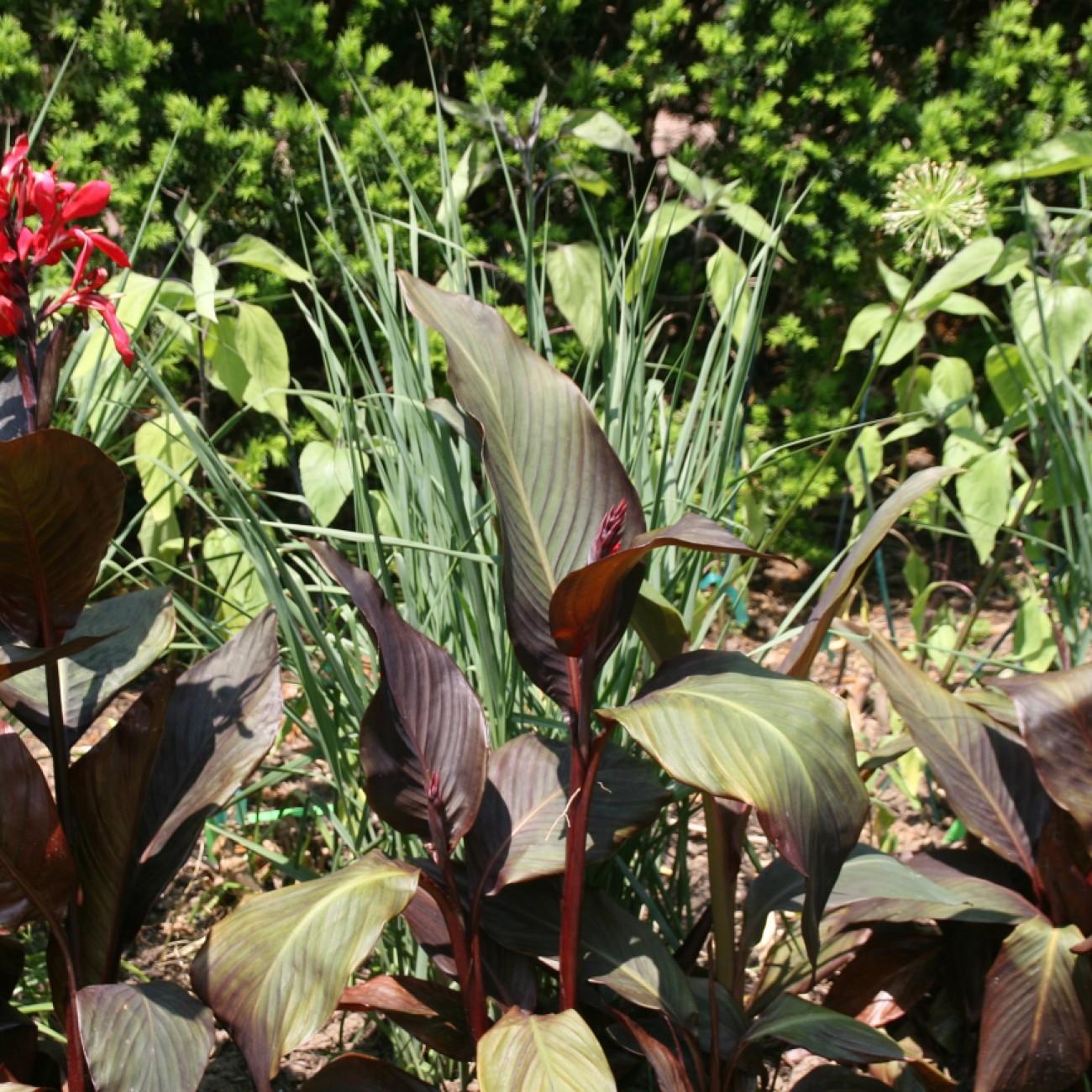
These herbaceous perennials in the Cannaceae family are prized for their bold foliage and showy flower spikes. The 'Australia' cultivar is particularly well-suited to local growing conditions, thriving in full sun and high humidity across zones from tropical Queensland to temperate Tasmania with targeted care adjustments for cooler regions.
Genus Botanical Background and Taxonomy
This genus is the sole member of the Cannaceae family, with 10 accepted wild species native to tropical and subtropical regions of the Americas, and hundreds of cultivated hybrids grown globally for ornamental and agricultural use. Phylogenetic studies place the group as a close relative of ginger and banana families, sharing similar rhizomatous root systems and large, broad foliage. Wild species are typically found in wetland and riparian habitats, which explains cultivated selections’ tolerance for moist soil and high humidity.
Most ornamental selections grown in Australia fall into one of three groups: the large-flowered garden hybrids, the foliage-focused varieties, and the canna aquatic group, which tolerate saturated soil and can be planted in shallow water features. All cultivated hybrids are diploid or triploid, bred for larger blooms, unusual foliage colors, and improved disease resistance compared to wild species. 'Australia' is a triploid hybrid, developed specifically for heat tolerance and consistent dark purple-bronze foliage that does not fade in intense sun.
What Is 'Australia'?
This flowering herbaceous perennial is grown for its dramatic dark purple-bronze foliage and bright tangerine-orange flower spikes that reach 1.2–1.8m tall at maturity. It thrives in full sun and high humidity, making it well-suited to most warm regions across Australia, from coastal Queensland to temperate Victoria. The cultivar is not native to Australia, but its heat and drought tolerance make it a reliable choice for local garden conditions.
Key Identifying Features
This selection has large, broad leaves with a deep bronze-purple hue that remains consistent throughout the growing season, even in intense full sun. Its flower spikes emerge from the center of the foliage clump from late spring to early summer, holding clusters of 5–10 individual tangerine-orange blooms that open sequentially for extended color. Each individual flower lasts 3–5 days, with new buds opening continuously for 4–6 weeks per spike. The plant spreads via thick, fleshy rhizomes that form dense clumps over 2–3 growing seasons.
Native Range and Climate Suitability for Australia
While 'Australia' is a cultivated hybrid, not a native Australian plant, it is adapted to the warm, sunny conditions common across most of the country. It grows as a year-round evergreen in tropical and subtropical zones (including northern Western Australia, the Northern Territory, and coastal Queensland), where winter temperatures stay above 10°C. In temperate zones (Victoria, Tasmania, southern New South Wales, and the Australian Capital Territory), it dies back to the ground in winter and re-sprouts in spring once soil temperatures rise above 15°C. It can tolerate light frosts down to -2°C, though hard freezes will kill above-ground foliage.
Difference Between 'Australia' and Other Varieties
Unlike many common varieties with green foliage, 'Australia' retains its dark bronze-purple leaf color even in intense, unfiltered full sun, with no risk of fading or scorch. Its flower spikes are also more densely packed with blooms than most older cultivars, and it has a higher tolerance for dry conditions once established. It grows to a consistent 1.2–1.8m height, making it shorter than giant varieties that can reach 3m tall, and taller than dwarf varieties that top out at 60cm.
Step-by-Step Planting Instructions for Australian Zones
Rhizomes should be planted in spring, after the last frost date for your region, when soil temperatures are consistently above 15°C to prevent rot and encourage fast establishment. Planting depth and spacing are consistent across all Australian zones, with only timing adjusted to match local frost patterns. The full canna 'Australia' plant encyclopedia entry has additional zone-specific planting guidance for regional growing conditions.
Planting Rhizomes by Zone
Planting timing varies by Australian zone to avoid frost damage to new shoots:
- Tropical and subtropical zones: Plant rhizomes in late winter (August)
- Temperate zones: Plant rhizomes in early spring (September–October) after the last frost date for your area
- Cool mountain and alpine zones: Plant rhizomes in mid-spring (November) when soil temperatures are consistently above 15°C
To plant:
- Dig a hole 5–7cm deep and twice the width of the rhizome
- Add a handful of compost to the bottom of the hole and mix with the existing soil
- Place the rhizome in the hole with growing eyes (small, pointed buds on the rhizome surface) facing upward
- Backfill with soil, firming gently around the rhizome to remove air pockets
- Water deeply to settle the soil, and avoid watering again until new shoots emerge in 7–14 days to prevent rot
Transplanting Potted Specimens to Garden Beds
Transplant potted 'Australia' in spring or early summer, when the plant is actively growing and there is no risk of frost. Water the potted plant thoroughly 24 hours before transplanting to reduce root shock. Dig a hole twice the width of the pot and the same depth as the root ball, so the top of the root ball sits level with the surrounding soil. Remove the plant from the pot, gently loosen tangled roots, and place it in the hole before backfilling and watering deeply. Add a 5cm layer of mulch around the base of the plant to retain moisture and suppress weeds.
Planting in Containers for Patios or Balconies
'Australia' grows well in containers for patio or balcony gardens, as long as the pot is at least 30cm in diameter and 30cm deep to accommodate the plant’s rhizome system. Use a high-quality potting mix designed for outdoor flowering plants, and add 10% perlite to improve drainage. Ensure the pot has multiple drainage holes, and avoid placing a saucer under the pot in areas with heavy summer rain, as standing water will cause rot. Place the pot in a position that receives 6+ hours of direct sun per day, and rotate the pot 90 degrees every 2 weeks to encourage even growth.
Planting Requirements for Australian Gardens
'Australia' requires well-draining, loamy soil with a pH of 6.0–6.8, a position with 6+ hours of direct unfiltered sun daily, and temperatures between 18–30°C for optimal growth. In cooler southern Australian regions, it will die back to the ground in winter and re-sprout in spring once soil temperatures rise above 15°C. Proper site selection reduces the need for pest and disease interventions later in the growing season.
Soil Type and pH Preferences
'Australia' grows best in rich, loamy soil that retains moisture without becoming waterlogged. If your garden has heavy clay soil, mix in 10–15cm of compost or coarse sand to improve drainage before planting, as waterlogged soil will cause rhizome rot. For sandy soil, add compost or well-rotted cow manure to increase moisture and nutrient retention. Test soil pH with a home kit before planting, and amend with sulfur to lower pH or lime to raise pH if levels fall outside the 6.0–6.8 range.
Sunlight and Positioning Rules
Select a planting position that receives 6+ hours of direct, unfiltered sun per day, as shaded positions will result in sparse foliage, fewer blooms, and weak, leggy growth that is prone to falling over in wind. Avoid planting in low-lying areas of the garden where water pools after rain, and leave 30–45cm of space between 'Australia' and structures or taller plants to ensure adequate air flow. For coastal gardens, choose a position protected from strong salt winds, as salt spray can damage leaf edges.
Temperature and Humidity Tolerances for Australian Zones
'Australia' grows optimally at temperatures between 18–30°C, and can tolerate short periods of heat up to 40°C if watered regularly. It is hardy to USDA zone 8, which corresponds to most of southern Australia, where winter lows rarely drop below -5°C. In alpine regions or areas with regular winter frosts below -2°C, rhizomes will need to be dug up and stored indoors over winter to prevent damage. It tolerates high humidity up to 90%, making it well-suited to tropical and subtropical coastal regions.
Planting Depth and Spacing
Plant 'Australia' rhizomes 5–7cm deep, with the growing eyes (small, pointed buds on the rhizome surface) facing upward. Space individual rhizomes 60cm apart to accommodate their mature 45–60cm spread, as planting too close will reduce air flow and increase the risk of fungal disease. For mass planting in garden beds, space rows 80cm apart to leave room for weeding and maintenance access.
Ongoing Care Routine
Water 'Australia' 2–3 times per week during hot, dry Australian summers, reducing to once every 7–10 days in cooler months. Feed with a balanced slow-release fertilizer in early spring and mid-summer to support consistent flower production through the warm season. Adjust tasks based on your local climate to avoid overwatering or overfertilizing in cooler, wetter regions.
Watering Schedule for Australian Climates
Adjust your watering schedule based on your local climate to avoid overwatering or underwatering:
- Tropical and subtropical zones: Water 2 times per week in summer, and once every 10 days in winter if there is no rain
- Temperate zones: Water 3 times per week during heatwaves above 35°C, and once every 7 days in spring and autumn
- Cool zones: Water 2 times per week in summer, and stop watering once foliage dies back in autumn
Water at the base of the plant, avoiding wetting the foliage, to reduce the risk of fungal leaf spot. Check soil moisture 5cm below the surface before watering; if the soil is dry at that depth, it is time to water. The Sproutly app can send custom watering reminders tailored to your local weather conditions to simplify routine care.
Fertilizer Needs for Flower Production
'Australia' is a heavy feeder, and regular fertilizing will support larger flower spikes and denser foliage. Apply a balanced (NPK 10-10-10) slow-release fertilizer in early spring when new shoots emerge, and again in mid-summer to support ongoing bloom production. Avoid fertilizers high in nitrogen, as these will encourage leaf growth at the expense of flowers. For potted plants, apply a liquid seaweed fertilizer every 4 weeks during the growing season to replenish nutrients leached from frequent watering.
Pruning and Deadheading Tips
Deadhead spent flower spikes by cutting the stem back to the base of the foliage clump once all blooms on the spike have faded, to encourage the plant to produce new flower spikes. Remove yellow or damaged leaves at any time to improve air flow and reduce the risk of disease. In temperate and cool zones, cut back all foliage to 10cm above the ground once it dies back in autumn, before adding a layer of mulch for winter protection.
Pest and Disease Management for Australian Gardens
'Australia' is relatively pest-resistant, but it can be affected by a small number of region-specific pests and diseases common in warm, humid Australian growing conditions. Early identification and intervention prevent minor issues from spreading to the entire clump or neighboring plants.
Common Australian Pests
- Leaf roller caterpillars: These native caterpillars are the most widespread pest of these plants in Australia, particularly in humid coastal regions of Queensland and New South Wales. They roll leaves together with silk and feed on the inner tissue, causing unsightly holes and distorted growth. Remove affected leaves and dispose of them in a sealed bin (not compost) to kill larvae, or apply a Bacillus thuringiensis (Bt) spray for severe infestations. Bt is non-toxic to bees, birds, and pets, making it safe for use in family gardens.
- Snails and slugs: These pests feed on young, tender shoots in spring, especially in cool, wet temperate regions. Place copper tape around the base of plants or use pet-safe snail bait to deter them, and remove leaf litter from around the planting area to eliminate hiding spots.
- Banana spotting bug: A common pest in tropical and subtropical zones, this bug feeds on flower buds and young leaves, causing brown spots and distorted blooms. Prune affected growth and apply a horticultural soap spray for mild infestations, or use a registered systemic insecticide for severe cases.
Common Australian Diseases
- Fungal leaf spot: Caused by Cercospora species and other fungi, this disease appears as small brown spots with yellow halos on foliage, spreading rapidly in humid, wet conditions. Improve air flow around plants by spacing rhizomes correctly, avoid wetting foliage when watering, and apply a copper fungicide for severe cases. Remove and dispose of heavily infected leaves to prevent spore spread.
- Rhizome rot: Caused by waterlogged soil, this fungal disease causes soft, mushy rhizomes and yellow, wilting foliage. It is most common in heavy clay soils or low-lying garden beds that pool water after rain. Prevent rot by amending soil with sand or compost before planting, and avoid overwatering in cool months. Infected rhizomes cannot be saved and should be removed and disposed of to prevent spread to healthy plants.
- Rust: This fungal disease appears as orange powdery spots on the undersides of leaves, most commonly in cool, wet autumn weather in temperate zones. Remove affected leaves and apply a copper fungicide, and avoid planting in shaded positions where foliage stays damp for long periods.
If you notice unusual damage or discoloration on your plant, use the Sproutly app to identify the issue and get tailored treatment recommendations specific to your local area.
Winter Care Tips for Cool and Temperate Australian Regions
This tropical genus requires targeted winter care in regions where temperatures regularly drop below 0°C to prevent rhizome damage and ensure regrowth in spring. The correct care approach depends on your local minimum winter temperatures and whether you grow your plants in the ground or in containers.
In-Ground Winter Care for Zones With Light Frosts (Temperatures Above -2°C)
In zones where winter temperatures rarely drop below -2°C, including most of coastal New South Wales, Victoria, and South Australia, plants can be left in the ground over winter. Cut back dead foliage to 10cm above the soil level once it dies back in autumn, and add a 10cm layer of straw or sugarcane mulch over the rhizome clump to insulate roots from light frost. Remove the mulch in early spring once new growth begins to emerge, to allow soil to warm up faster.
Rhizome Lifting and Storage for Zones With Hard Frosts (Temperatures Below 0°C)
In cool zones including Tasmania, the Australian Capital Territory, and alpine regions, dig up rhizomes after foliage dies back in autumn to prevent frost damage. Follow these steps for successful storage:
- Dig carefully around the rhizome clump, taking care not to cut or damage the fleshy roots
- Shake excess soil from the rhizomes, and trim any remaining foliage to 5cm above the rhizome crown
- Let rhizomes dry in a cool, shaded, well-ventilated area for 2–3 days to allow surface moisture to evaporate
- Place rhizomes in a paper bag or cardboard box filled with dry peat moss, sawdust, or vermiculite, ensuring individual rhizomes do not touch each other
- Store in a cool, dry place with a consistent temperature of 5–10°C, such as a garage or garden shed, over winter
- Check rhizomes every 4–6 weeks during storage, and discard any that become soft, mushy, or moldy
- Replant rhizomes in spring once all risk of frost has passed and soil temperatures rise above 15°C
Winter Care for Potted Specimens
Potted plants can be overwintered without lifting rhizomes in all Australian zones. Move pots to a sheltered position such as a covered patio, garage, or sunroom before the first frost, where temperatures stay above 0°C. Reduce watering to once every 4–6 weeks over winter, just enough to prevent the potting mix from drying out completely. Move pots back to a full sun position in early spring once new growth emerges, and resume regular watering and fertilizing.
Cultivar Comparisons for Australian Garden Designs
These cultivars vary widely in size, foliage color, bloom color, and growing requirements, making it easy to find an option suited to your garden design and local climate. The most popular cultivars grown in Australia include 'Australia', Canna 'Striata', and members of the aquatic group, each with distinct strengths for different planting scenarios.
| Cultivar | Foliage Color | Bloom Color | Mature Height | Best Use | Key Benefits for Australian Growers |
|---|---|---|---|---|---|
| 'Australia' | Dark purple-bronze | Tangerine-orange | 1.2–1.8m | Garden beds, focal points, poolside plantings | Fade-resistant foliage, high heat tolerance, dense flower spikes |
| 'Striata' | Green with bold yellow stripes | Bright orange | 1.0–1.2m | Containers, mid-border plantings, small gardens | More compact growth, higher tolerance for occasional underwatering |
| Aquatic group | Green | Red, orange, or yellow | 1.5–2.5m | Pond edges, water features, boggy garden beds | Tolerates saturated soil, can be planted in up to 15cm of standing water |
| 'Tropicanna' | Green with red, orange, and yellow stripes | Bright red-orange | 1.5–2m | Tropical-themed gardens, feature beds | Bold variegated foliage, long bloom period |
| 'Dwarf Pink' | Light green | Soft pink | 0.5–0.6m | Front borders, containers, small spaces | Compact size, works well in small urban gardens with limited space |
When selecting a cultivar, consider your available space, soil type, and desired color palette. For small gardens or balcony planters, 'Striata' or dwarf varieties are better suited than the larger 'Australia', which needs more room to spread. For boggy areas or pond edges, the aquatic group is the only option that will tolerate saturated soil without developing rhizome rot.
Recommended Companion Plants for 'Australia' in Australian Gardens
'Australia’s tall, dark foliage pairs well with lower-growing, bright-flowering plants that share its full sun, high humidity needs. Popular companion options for Australian gardens include crocosmia, dahlias, native kangaroo paw, and ornamental grasses that add texture contrast without competing for root space.
Native Australian Companion Plants
Native companion plants that grow well with 'Australia' include:
- Kangaroo paw (Anigozanthos spp.): Bright red, yellow, or pink flower stems create a color contrast with 'Australia’s orange blooms and dark foliage, and both plants share full sun and well-draining soil requirements.
- Swamp banksia (Banksia robur): This medium-sized native shrub tolerates moist soil and full sun, and its large, yellow flower spikes add vertical interest behind 'Australia' plantings.
- Native ginger (Alpinia caerulea): This tropical native has lush green foliage that contrasts with the dark leaves of 'Australia', and it tolerates the same high humidity conditions.
- Black wattle (Callicoma serratifolia): This evergreen native shrub has bright green foliage and fluffy white flower heads that create a soft contrast to the bold form of 'Australia', and both plants thrive in full sun and high humidity.
All these native plants support local pollinators, including bees and butterflies, without competing with 'Australia' for nutrients or root space.
Non-Native Companion Pairings for Full Sun Beds
Non-native companion plants that work well with 'Australia' include:
- Crocosmia: Narrow, arching foliage and bright red or orange flower spikes grow to 60cm tall, creating a mid-height layer between ground covers and 'Australia'.
- Dahlias: Bright, ruffled blooms in pink, red, or white create a color contrast with 'Australia’s orange flowers, and both plants have similar sun and water requirements.
- Fountain grass (Pennisetum setaceum): Soft, arching purple or green foliage adds texture contrast to the broad, stiff leaves of 'Australia', and it tolerates dry conditions once established.
- Hibiscus: Large, bold blooms in red, pink, or white grow on shrubs that reach 1.5–2m tall, creating a backdrop for 'Australia' plantings in tropical and subtropical zones.
Plants to Avoid Growing With 'Australia'
Avoid planting 'Australia' with shade-loving plants that cannot tolerate full sun, as the dense foliage of 'Australia' will block light and stunt their growth. Do not plant it with shallow-rooted ground covers like creeping thyme or chamomile, as the thick rhizome system of 'Australia' will outcompete them for nutrients. Avoid planting with plants that require dry soil, such as succulents or rosemary, as the regular watering needed for 'Australia' will cause root rot in these species.
Garden Design Ideas Using 'Australia'
'Australia’s bold foliage and bright flowers make it an ideal focal point for sunny garden beds, borders, and tropical-themed landscape designs. It works particularly well in late-season borders, where its late summer blooms extend garden color long after many spring and early summer flowering plants have faded.
Late Season Border Idea with Hibiscus and Grasses
Create a late-season border that blooms from February to April in most Australian regions by planting 'Australia' as the back layer, spaced 60cm apart. In front of it, plant pink or red hibiscus shrubs spaced 1m apart, and fill the mid-layer with purple fountain grass spaced 45cm apart. Add a ground cover of trailing lantana in the front layer for additional color. This design tolerates high heat and humidity, and all plants will retain their foliage well into autumn in temperate zones.
Summer Border Idea with Crocosmia, Dahlia and Lilies
For a bright summer border that blooms from November to March, plant 'Australia' in the back of the bed spaced 60cm apart. In the mid-layer, plant deep red crocosmia and white dahlia varieties spaced 45cm apart, and add a front layer of bright yellow marigolds to deter pests. This combination of warm and cool flower colors creates a high-contrast display, and all plants thrive in full sun and regular watering.
Tropical Feature Bed for Suburban Australian Yards
Create a low-maintenance tropical feature bed for a sunny suburban yard by planting 'Australia' as the focal point, surrounded by native ginger, bird of paradise, and monstera deliciosa (planted in positions with partial shade under the taller plants). Add a layer of wood chip mulch over the entire bed to retain moisture and create a cohesive look. This design works well in subtropical and tropical zones, where all plants will grow as evergreens year-round.
Poolside Planting Scheme for Coastal Properties
'Australia' is ideal for poolside planting, as it tolerates high humidity and occasional salt spray, and its thick foliage reduces wind flow around pool areas. Plant 'Australia' in clumps of 3–5 rhizomes spaced 60cm apart, paired with foxtail palm, ornamental sweet potato vine, and coastal rosemary. Avoid planting species with fine, easily dropped foliage that will clog pool filters, and select varieties that tolerate occasional splashes of chlorinated water.
Alternative Plants to 'Australia' for Australian Gardens
If 'Australia' is not suited to your garden’s conditions, suitable alternatives for Australian growing conditions include black wattle (Callicoma serratifolia), 'Striata', and aquatic group varieties that tolerate boggy soil near ponds or water features.
Native Alternatives for Wildlife-Friendly Gardens
For gardeners looking for native plants with a similar bold form to 'Australia', black wattle (Callicoma serratifolia) is a suitable option. It grows to 2–3m tall, has bright green foliage and fluffy white flower heads that bloom in spring, and supports native bees and birds. It tolerates full sun and high humidity, and is pet-safe, making it a good choice for family gardens. Other native alternatives include Gymea lily (Doryanthes excelsa), which has large, architectural foliage and tall red flower spikes, and tree waratah (Alloxylon flammeum), which has bright red blooms and dark green foliage.
Lower Maintenance Varieties for Beginner Gardeners
If you are looking for a lower maintenance selection, 'Striata' has green and yellow striped foliage and bright orange flowers, with a higher tolerance for occasional underwatering than 'Australia'. It grows to 1.2m tall, making it suitable for smaller gardens or containers, and has similar sun and soil requirements. For gardeners with boggy soil or pond edges, aquatic group varieties tolerate saturated soil and can be planted in up to 15cm of standing water, making them ideal for water features.
Shade-Tolerant Alternatives for Part Sun Positions
If your garden receives less than 6 hours of direct sun per day, 'Australia' will not thrive, so consider shade-tolerant alternatives with similar bold foliage. Clivia miniata has dark green strap-like foliage and bright orange flower spikes that bloom in spring, and it tolerates full shade. Leopard plant (Ligularia dentata) has large, dark purple foliage and yellow flower spikes, and it grows well in partial shade with regular watering. Peace lily (Spathiphyllum wallisii) has lush green foliage and white flower spikes, and it tolerates low light conditions in both indoor and outdoor shaded positions.
'Australia' User Reviews and Grower Insights
Grower reviews for 'Australia' highlight its drought tolerance once established, long bloom period from November to March in most Australian regions, and resistance to common garden pests like aphids and whitefly. The most frequently reported challenge is rhizome rot in poorly draining soil, which can be avoided by adding compost or sand to heavy clay beds before planting.
Pros of Growing 'Australia' in Australian Gardens
Australian growers report several key benefits of growing 'Australia' in local conditions:
- It tolerates heatwaves up to 40°C with minimal additional watering once established, making it suitable for drought-prone areas
- Its dark foliage does not fade in intense full sun, unlike many other dark-leaved ornamental plants
- It is pet-safe, so it can be planted in yards with dogs and cats without risk of poisoning
- It produces blooms for 4–5 months of the year in most zones, longer than many common flowering perennials
- It is relatively low-maintenance, with no need for frequent pruning or specialized care
Common Grower Challenges and Solutions
The most common challenges reported by Australian growers include:
- No blooms: This is usually caused by insufficient sun, too much nitrogen fertilizer, or planting rhizomes too deep. Ensure the plant receives 6+ hours of direct sun per day, use a balanced fertilizer, and plant rhizomes no deeper than 7cm.
- Yellowing leaves: This is usually caused by overwatering or poor drainage. Check soil moisture before watering, and amend soil with sand or compost to improve drainage if needed.
- Rhizome rot in winter: This occurs in cool zones when rhizomes are left in waterlogged soil over winter. Dig up rhizomes in autumn and store them indoors in cool, dry conditions, or plant in raised beds to improve drainage.
- Leaf roller caterpillar damage: This is common in humid coastal regions. Remove affected leaves immediately, and apply Bt spray if infestations are severe.
If you encounter a growth issue you cannot identify, use the Sproutly app to scan the plant and get a tailored treatment plan specific to your local climate and pest pressures.
Expected Lifespan and Bloom Duration for Established Plants
Established 'Australia' plants can live for 10+ years in suitable conditions, with rhizome clumps expanding each year to produce more foliage and flower spikes. In most Australian regions, plants bloom from November to March, with individual flower spikes lasting 4–6 weeks. Regular deadheading of spent spikes will encourage the plant to produce new spikes, extending the bloom period by up to 2 months in warm zones. In tropical regions, plants may bloom year-round if temperatures stay above 18°C.
Where to Find 'Australia' and Related Growing Resources
'Australia' is available from most Australian nurseries, online plant retailers, and specialist bulb suppliers from late winter to early spring. You can also use the Sproutly app to identify common growth issues, track watering schedules, and get tailored care tips for your specific region’s climate.
Buying 'Australia' Rhizomes or Potted Plants in Australia
Purchase rhizomes in late winter or early spring, when they are dormant and less prone to damage during transport. Look for firm, plump rhizomes with at least 2–3 visible growing eyes, and avoid soft, mushy, or moldy rhizomes that may be rotting. Potted plants are available from nurseries from spring to early summer; look for plants with dark, undamaged foliage and no signs of pest damage. Local community plant swaps are also a good source of 'Australia' rhizomes, as established clumps are often divided by growers in spring.
Using Sproutly to Diagnose 'Australia' Growth Issues
The Sproutly app can help you keep your 'Australia' healthy throughout the growing season. Scan the leaves or flowers of your plant to identify pests, diseases, or nutrient deficiencies, and get step-by-step treatment recommendations tailored to Australian growing conditions. You can also set custom watering and fertilizing reminders based on your local climate, so you never miss a care task. If you are unsure if 'Australia' is suited to your garden, the app can provide personalized recommendations for alternative plants that match your light, soil, and climate conditions.
Additional Sproutly Growing Guides for Warm Climate Plants
For more care tips for warm climate Australian gardens, explore the Sproutly blog and plant encyclopedia, which has detailed guides for hundreds of native and ornamental plant species suited to all Australian growing zones. You can find information on companion planting, pest control, and garden design tailored to local conditions, to help you create a low-maintenance, thriving garden.
Frequently Asked Questions
Are canna plants toxic to pets in Australia?
Canna plants, including the 'Australia' cultivar, are pet-safe, so you can grow them in gardens accessible to dogs and cats without risk of poisoning if ingested.
How often should I water canna plants in Australian summer heat?
In peak Australian summer, water canna plants 2–3 times per week in well-draining soil, or daily if grown in pots, to keep soil consistently moist but not waterlogged. The Sproutly app can send custom watering reminders tailored to your local weather conditions.
Can I grow canna in pots in southern Australian states?
Yes, canna grows well in 30cm+ diameter pots in southern Australian states. Potted canna can be moved to a sheltered spot or indoors over winter to avoid frost damage, eliminating the need to lift rhizomes each year.
When is the best time to divide canna rhizomes in Australia?
Divide canna rhizomes in early spring, right before new growth emerges, in all Australian zones. Wait until soil temperatures rise above 15°C to avoid damaging newly separated rhizomes.
Try Sproutly Today
Whether you are growing 'Australia' for the first time or looking to expand your warm climate garden, the Sproutly app has all the tools you need to succeed. Identify pests, track care tasks, and get tailored growing advice specific to your Australian region. Download Sproutly today at https://heysproutly.com to start growing with confidence.
Leitura relacionada
Mais guias que pode gostar
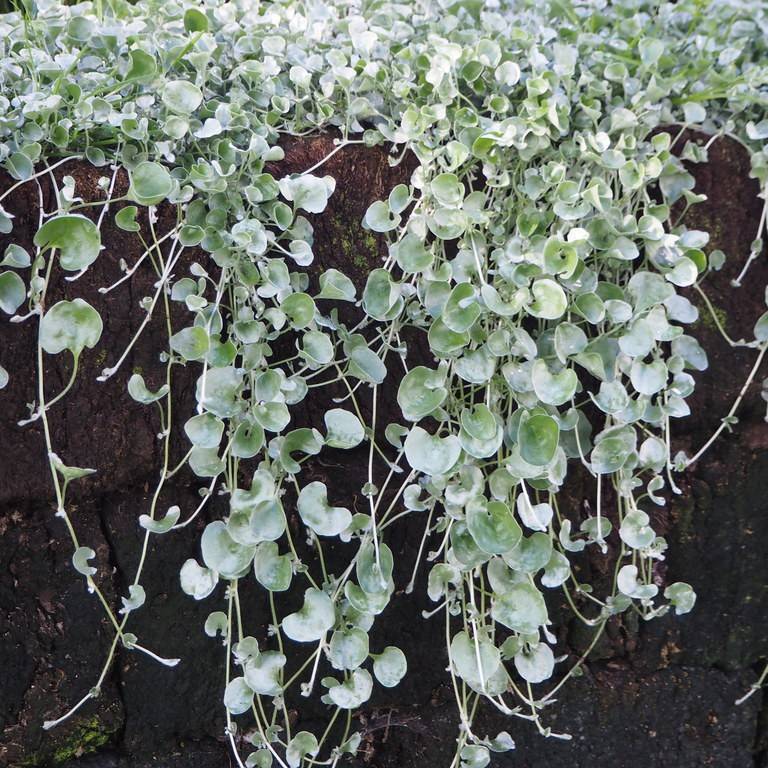
Dichondra Argentea (Silver Falls): Complete Care, Growing, and Use Guide
Learn how to grow and care for Dichondra argentea 'Silver Falls', a drought-tolerant, pet-safe trailing perennial perfect for hanging baskets and ground cover.
2026-08-04 · 11 min read
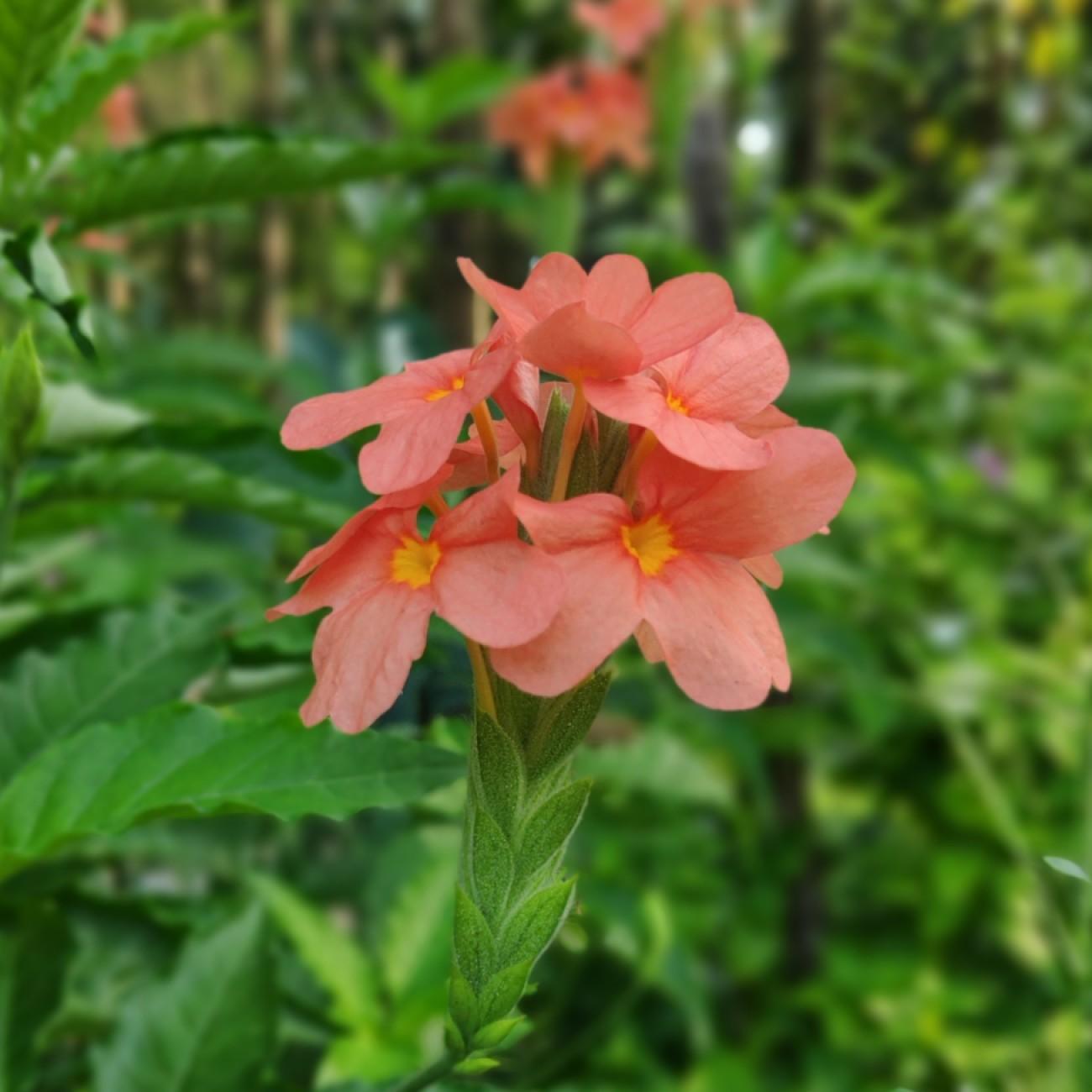
Firecracker Flower: Complete Care, Cultivation, and Identification Guide
Learn how to grow and care for firecracker flower (Crossandra infundibuliformis), a pet-safe, humidity-loving tropical houseplant with bright tubular blooms.
2026-08-04 · 19 min read
Juniperus Squamata Blue Star: Complete Care, Design, and Identification Guide
Learn how to grow, care for, and design with Juniperus squamata blue star, a low-growing, pet-safe evergreen shrub with striking silvery-blue foliage.
2026-08-03 · 14 min read