Bloodgood Japanese Maple Care: Growth Rate, Growing Tips, and Maintenance Basics
Learn how to care for your Bloodgood Japanese Maple, plus how fast this popular ornamental tree grows to help you plan your garden layout.
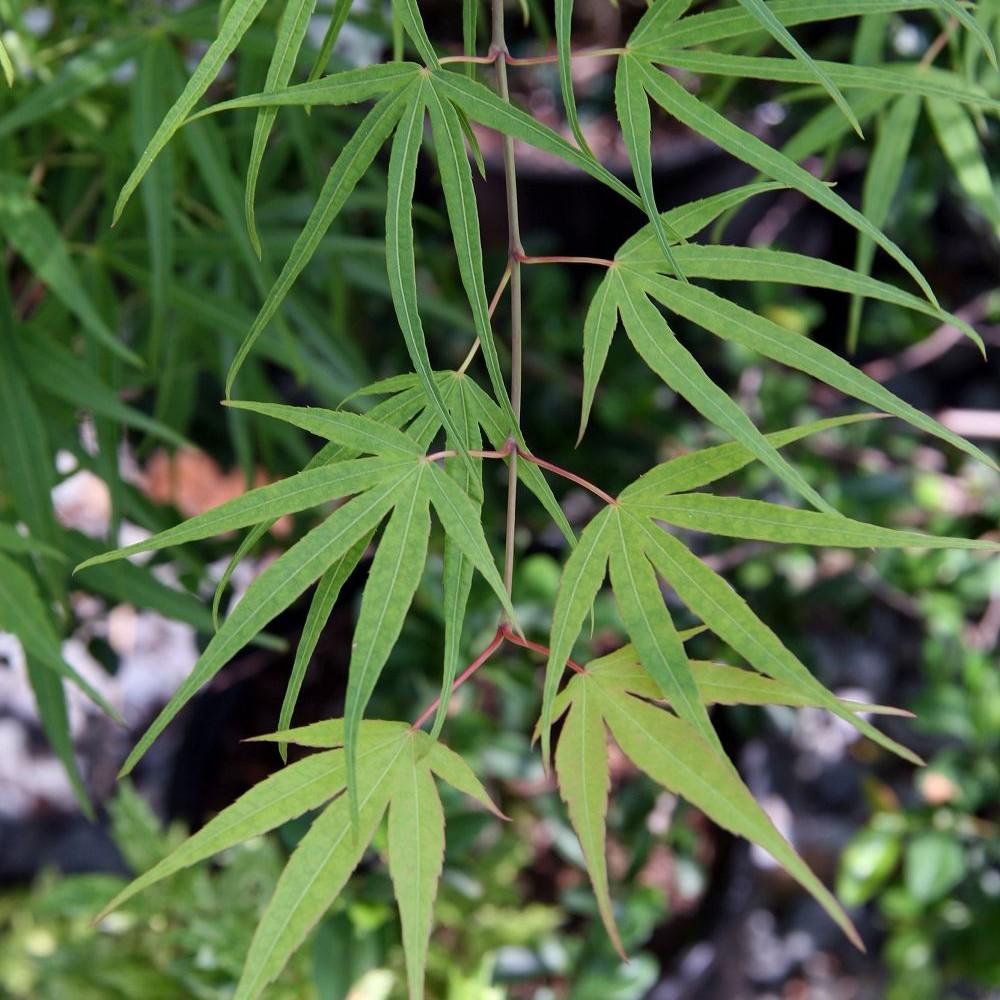
If you’re looking for a low-fuss ornamental tree with year-round visual interest, the Bloodgood Japanese Maple (Acer palmatum ‘Bloodgood’) is a top pick for residential yards. Its signature deep red foliage holds its color from spring through fall, and it produces small, delicate red flowers in early spring before leaves fully emerge. This deciduous tree is pet-safe, humidity-loving, and thrives outdoors as a standalone focal point, a border anchor, or even a container plant for patios. If you already have a red-leaf maple in your yard and are unsure of its exact variety, use the Sproutly app to snap a photo for fast identification and tailored care tips. It is closely related to other popular Japanese maple cultivars including the Arakawa Cork Bark Japanese Maple and Autumn Fire Japanese Maple, though its consistent red foliage sets it apart from both.
Is a Bloodgood Japanese Maple Right for Your Yard?
This versatile tree adapts to most temperate growing zones, and its manageable mature size makes it a fit for both small urban lots and large suburban yards. It does best in areas with moderate humidity, though it can tolerate drier conditions with regular watering. Unlike some more delicate Japanese maple varieties, it holds up well to regular foot traffic and is non-toxic to dogs and cats, so you can plant it near play areas, patios, or garden paths without concern. If you want to confirm your growing conditions are a match, check the full Bloodgood Japanese Maple plant profile for zone-specific guidance.
Bloodgood Japanese Maple Care: Core Growing Requirements
Consistent bloodgood japanese maple care starts with three key basics to keep its foliage vibrant and its growth steady:
- Light: Full sun (6+ hours of direct light per day) is ideal for the brightest, deepest red foliage. In regions with sustained summer temperatures above 90°F, it can tolerate light afternoon shade to prevent leaf stress.
- Soil: Well-draining, slightly acidic soil is best. Avoid heavy clay soils that hold standing water, as this can lead to root rot. If your yard has compacted soil, amend it with compost before planting to improve drainage.
- Water: Keep soil consistently moist but not soggy, especially during hot, dry spells. Mature trees can tolerate short periods of drought, but prolonged dryness will cause leaf drop and slow growth.
To stay on top of your watering schedule, log your tree in the Sproutly app to get custom reminders tailored to your local climate and recent rainfall.
Bloodgood Maple Care: Seasonal Maintenance Tips
Bloodgood maple care is low-fuss for most of the year, with small seasonal tasks to keep your tree healthy and well-shaped:
- Spring: Add a 2-inch layer of organic mulch (like shredded bark or leaf mold) around the base of the tree, keeping it 2 inches away from the trunk to avoid rot. Mulch retains moisture, suppresses weeds, and feeds the soil as it breaks down. This is also the best time to prune any dead, damaged, or crossing branches to maintain the tree’s natural rounded shape.
- Summer: Check soil moisture weekly, and water deeply if the top 2 inches of soil feel dry. If your area experiences a heat wave with temperatures above 95°F, provide temporary shade (like a patio umbrella placed a few feet from the tree) to prevent leaf scorch.
- Fall: Avoid heavy pruning during this season, as new growth stimulated by pruning will be vulnerable to upcoming winter cold. Let foliage drop naturally, then clear fallen leaves from around the base of the tree to prevent fungal growth and pest infestations over winter.
- Winter: Mature trees need no extra protection in USDA zones 5 through 8. Young saplings (under 3 years old) in areas with harsh, drying winter winds can be wrapped in burlap to prevent branch damage.
Japanese Maple Bloodgood Growth Rate: What to Expect
Understanding the japanese maple bloodgood growth rate helps you plan your garden layout to avoid crowding other plants or structures. This is a slow-to-moderate growing tree, putting on 1 to 2 feet of new growth per year under ideal care conditions. It reaches a mature height of 15 to 20 feet and an equal spread of 15 to 20 feet, so plant it at least 10 feet away from foundations, fences, and overhead power lines to give it room to expand.
Growth rate may be slower if your tree is planted in suboptimal conditions, like overly compacted soil, too much shade, or inconsistent watering. If you notice your tree is growing less than 6 inches per year for two consecutive growing seasons, use the Sproutly app to troubleshoot potential care gaps and adjust your routine as needed.
Common Bloodgood Japanese Maple Care Mistakes to Avoid
Even though this variety is hardy, a few common missteps can lead to stressed or unhealthy trees:
- Planting in heavy, waterlogged soil: Root rot is the most common cause of death for Bloodgood Japanese Maples, so always test drainage before planting. If you dig a 1-foot hole, fill it with water, and it takes more than 24 hours to drain, amend the soil or choose a raised planting spot.
- Pruning too heavily in fall: Fall pruning stimulates new, tender growth that will be killed by winter frost, which can leave the tree vulnerable to disease. Stick to light pruning only in spring or early summer.
- Letting soil dry out completely: Prolonged dryness will cause leaf scorch, premature leaf drop, and stunted growth. During summer heat waves, water deeply 1 to 2 times per week, rather than frequent shallow waterings.
Addressing these small issues early will keep your tree healthy and vibrant for 50 years or more.
FAQ
Is Bloodgood maple care different from regular Japanese maple care?
Bloodgood maple care is very similar to most full-sun Japanese maple varieties, with the same preference for well-draining acidic soil, consistent moisture, and minimal pruning. It tends to be more tolerant of full sun than some variegated or lighter-leaf Japanese maple cultivars, which often prefer partial shade.
How long does it take a Bloodgood Japanese Maple to reach full size?
At a typical growth rate of 1 to 2 feet per year, a Bloodgood Japanese Maple will reach its mature 15 to 20 foot height in 10 to 15 years, depending on growing conditions and care.
Can I grow a Bloodgood Japanese Maple in a container?
Young Bloodgood Japanese Maples can be grown in large containers for several years, though their slow growth rate means you will only need to repot every 2 to 3 years. Keep in mind container-grown trees may need more frequent watering than those planted in the ground, and may require extra winter protection in colder climates.
Wrapping Up
Bloodgood Japanese maple care is accessible even for first-time tree growers, and its moderate growth rate makes it easy to plan for in yards of all sizes. With minimal seasonal maintenance and consistent moisture, it will reward you with decades of bold red foliage and graceful structure.
If you want personalized care reminders for your Bloodgood Japanese Maple, or need help identifying other trees and plants in your yard, try Sproutly today. The app lets you log all your plants, get custom care schedules tailored to your location, and troubleshoot issues as they arise, so you can keep your entire garden thriving. Try Sproutly now to get started.
Leitura relacionada
Mais guias que pode gostar
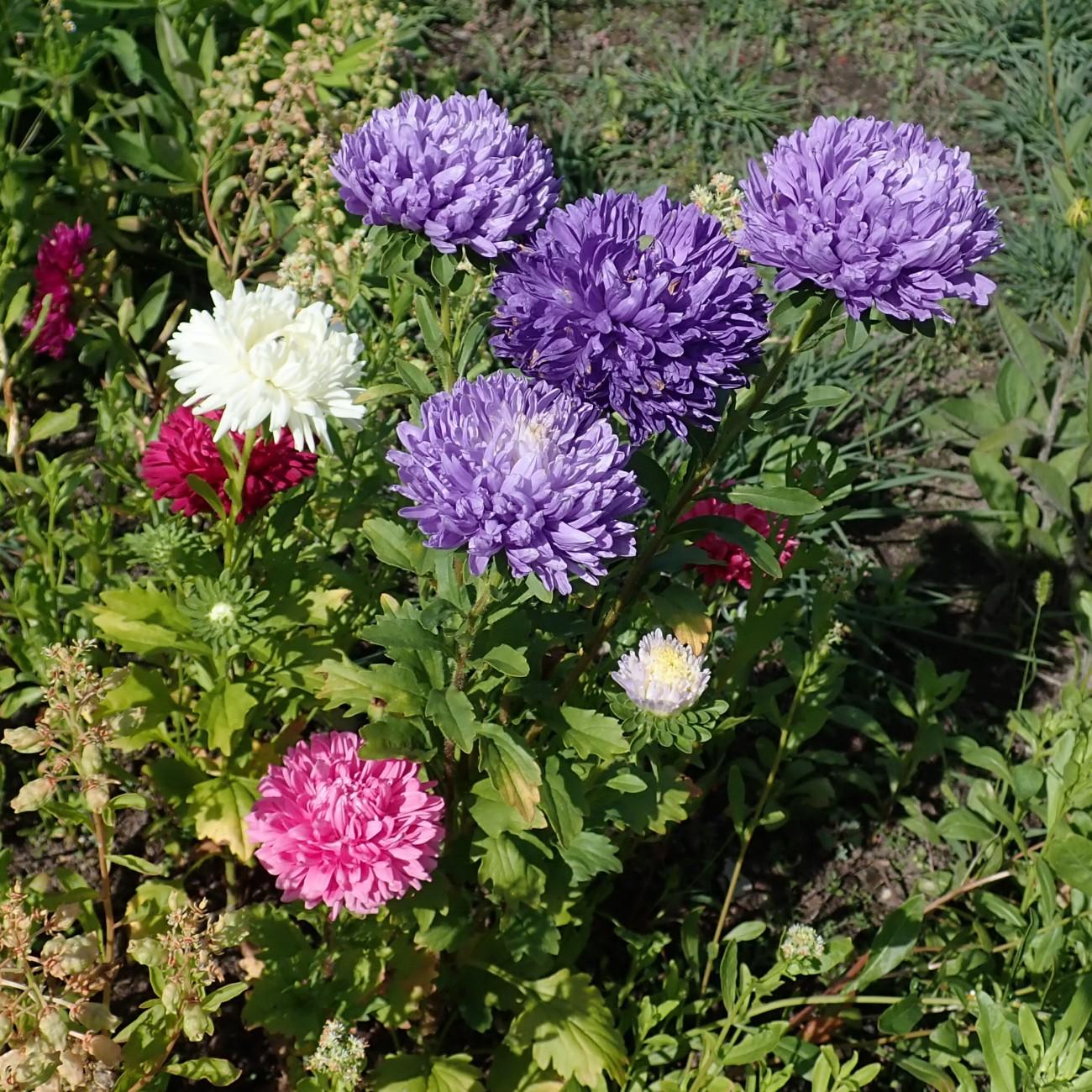
China Aster: Complete Care, Growing Guide, and Varieties
Learn how to grow and care for China aster (Callistephus chinensis), a pet-safe, full-sun flower that delivers long-lasting garden color for months.
2026-07-04 · 17 min read
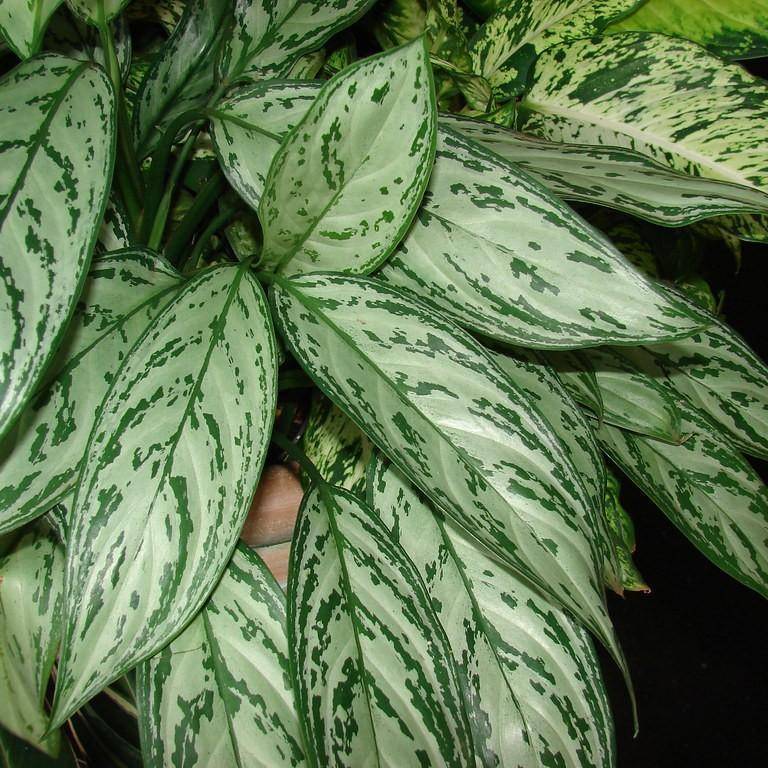
Chinese Evergreen: Care Guide, Varieties, and Growing Tips for Aglaonema
Learn how to care for Chinese evergreen (Aglaonema) houseplants, plus top varieties, troubleshooting tips, and pet safety details for this low-fuss indoor plant.
2026-07-04 · 14 min read
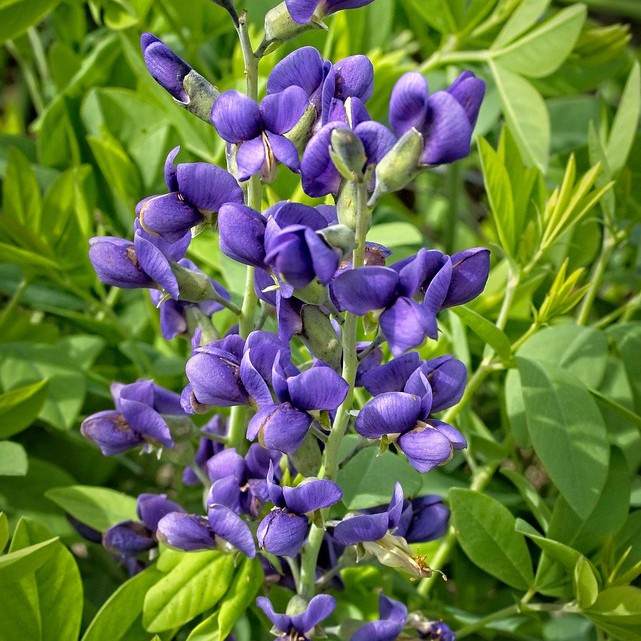
Caryopteris Clandonensis Heavenly Blue: Care, Size, and Growing Guide
Learn how to grow and care for Caryopteris Clandonensis Heavenly Blue, a pet-safe, flowering bluebeard shrub ideal for full-sun gardens.
2026-07-03 · 8 min read