Sugar Beet: Growing Guide, Uses, and Key Facts for Home Gardeners and Farmers
Learn all about sugar beet, from its history and cultivation practices to its uses for sugar production, livestock feed, and home garden growing.
Sugar Beet: Growing Guide, Uses, and Key Facts for Home Gardeners and Farmers
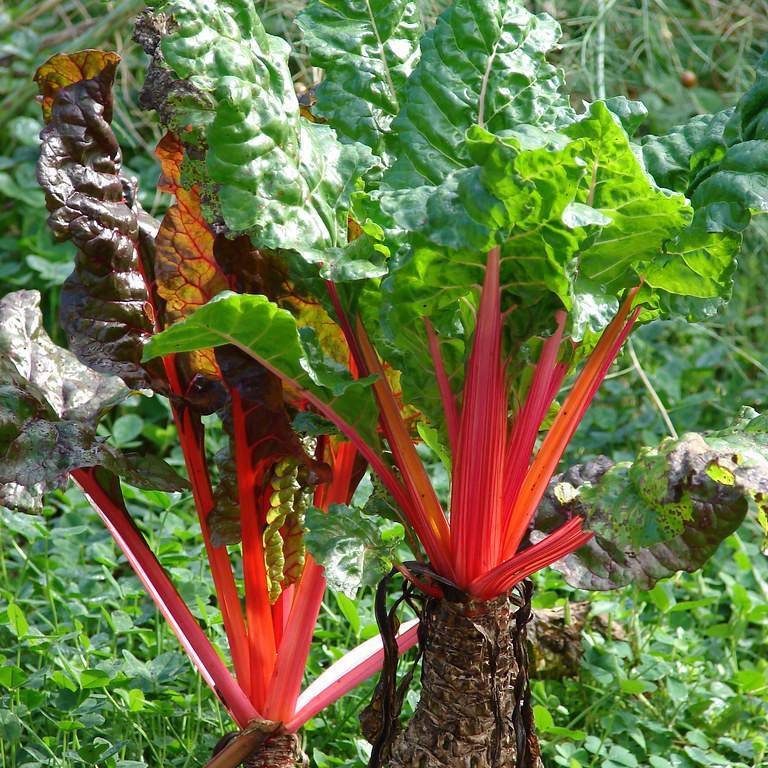
Sugar beet is a cool-season subspecies of Beta vulgaris bred for high sucrose content in its white, conical taproot. It shares genetics with common garden beets, 'Bull's Blood' beets, and Swiss chard, and is used for commercial sugar production, livestock feed, and home growing as an edible, pet-safe crop.
What Is Sugar Beet? (Plant Description & Taxonomy)
Sugar beet is a subspecies of Beta vulgaris, the same species as common garden beet, 'Bull's Blood' beet, and Swiss chard, bred specifically for high sucrose content in its thick, white, conical taproot. It is classified as a cool-season vegetable, grows 1–2 feet tall at maturity with broad, glossy green leaves, and is both pet-safe and edible for humans raw or cooked.
Key physical traits to identify sugar beets
Unlike the bright red or golden flesh of standard garden beets, sugar beet roots have solid white flesh and a more elongated, tapered shape rather than a round profile. The leaves are smooth, deep green, and similar in shape to chard leaves, with visible pale veins running through each blade. Mature roots typically weigh 1–2 pounds when grown under ideal conditions, though commercial varieties may reach 3–5 pounds at full harvest. If you are unsure if a volunteer plant in your garden is a sugar beet, the Sproutly app can identify it from a photo in seconds.
Genetic relationship to other Beta vulgaris varieties
All edible Beta vulgaris varieties belong to the same species, but are sorted into distinct cultivar groups based on their intended use. Sugar beets fall into the Altissima Group, bred for root sucrose content, while common garden beets are in the Crassa Group, bred for tender, flavorful roots, and chard is in the Cicla Group, bred for large, edible leaves. All groups can cross-pollinate with each other if planted within 1–2 miles of one another, which can reduce sugar content in sugar beet crops or make garden beet roots overly woody.
History and Discovery of Sugar Beet
Sugar beet was first identified as a sucrose-rich crop in 1747 by German chemist Andreas Marggraf, who isolated sugar from beet root samples and proved it was chemically identical to cane sugar. Prior to this discovery, beets were grown exclusively as a leafy vegetable and livestock feed, with no commercial use for sugar production.
18th-century European research and early cultivation trials
Marggraf’s student, Franz Karl Achard, continued his work and opened the first experimental sugar beet processing plant in Silesia (now part of Poland) in 1801, producing small batches of refined sugar from local beet crops. Early trials found that beets grown in cool, temperate climates had higher sugar content than those grown in warm regions, leading to initial cultivation efforts across central Europe.
Role of the Napoleonic Wars in accelerating sugar beet adoption
In 1807, the British Empire blockaded European ports under Napoleon’s control, cutting off access to cane sugar imports from Caribbean colonies. Napoleon responded by funding widespread sugar beet research and cultivation, ordering 80,000 acres of land to be planted with the crop and establishing additional processing plants across France. By the end of the wars in 1815, sugar beet was an established commercial crop across Europe, with hundreds of processing facilities in operation.
Development of the Modern Sugar Beet Crop
Early sugar beet varieties contained only 4–6% sucrose by weight, but selective breeding through the 19th and 20th centuries increased that content to 15–20% in commercial varieties grown today. Breeding programs also focused on improving disease resistance, drought tolerance, and uniform root size for easier mechanical harvesting.
Key breeding milestones from the 1800s to present
In the mid-1800s, French plant breeder Louis de Vilmorin developed the first mass selection process for sugar beets, sorting roots by sugar content and only breeding from the highest-performing specimens, doubling sucrose content in just a few decades. In the 20th century, breeding programs introduced resistance to common sugar beet diseases including curly top virus, rhizomania, and powdery mildew, reducing crop loss by up to 40% in affected regions. More recent breeding efforts have focused on developing herbicide-tolerant varieties to reduce weed pressure in large commercial fields.
Common commercial varieties grown in North America and Europe
In North America, popular commercial varieties include HM 1629, which has high sucrose content and resistance to rhizomania, and Crystal 101, which is adapted to the short growing seasons of the Upper Midwest. In Europe, varieties like KWS Anneliese and Maribo 979 are widely grown, offering high yield potential and resistance to common regional pests. Home garden varieties are less common, but many seed suppliers sell generic sugar beet seed adapted to cool, temperate growing zones.
Global Sugar Beet Industry and Production Statistics
Sugar beets supply roughly 20% of the world’s refined sugar, with the remaining 80% coming from sugar cane. Top producing countries include Russia, the United States, Germany, France, and Turkey, with the U.S. growing most of its sugar beets in the Upper Midwest and Great Plains regions.
Annual production volumes by region
Russia leads global sugar beet production, growing roughly 45 million metric tons annually, followed by the United States at 30 million metric tons, and Germany at 25 million metric tons. In the U.S., Minnesota, North Dakota, and Idaho produce over 70% of the country’s total sugar beet crop, with nearly all of the harvest processed into refined sugar for domestic consumption.
Economic impact of the sugar beet industry on rural communities
The U.S. sugar beet industry supports over 100,000 jobs across farming, processing, and distribution, contributing roughly $20 billion to the national economy annually. Many rural communities in the Upper Midwest rely on sugar beet farming as a primary source of agricultural income, with processing facilities often operating as the largest local employer. The industry also supports a network of related businesses, including seed suppliers, equipment dealers, and transportation companies.
Sugar Beet Cultivation Requirements (Commercial and Home Growing)
Sugar beets require full sun (6+ hours of direct light daily), well-draining loamy soil with a pH of 6.0–7.5, and consistent moisture during their 90–120 day growing season. They are a cool-season crop that germinates best in soil temperatures of 50–60°F (10–15°C) and can tolerate light frosts in early spring and late fall.
Climate and soil requirements for maximum yield
Sugar beets grow best in regions with cool summers, average temperatures between 60–70°F (15–21°C), and consistent rainfall of 1–2 inches per week during the growing season. High temperatures above 85°F (29°C) can slow root development and reduce sugar content, while heavy, clay soils that retain moisture can cause root rot and stunted growth. Commercial growers often test soil nutrient levels annually to adjust fertilizer applications for optimal yield.
Planting timing and spacing guidelines
For commercial production, sugar beet seeds are planted ½ inch deep, 1–2 inches apart in rows spaced 22–30 inches apart to accommodate mechanical harvesting equipment. In regions with short growing seasons, seeds may be planted 2–3 weeks before the last average spring frost date to maximize growing time. Thinning is not required for commercial fields when using precision seeding equipment, which places seeds at the exact spacing needed for mature root growth.
Fertilizer recommendations to avoid leaf overgrowth
Sugar beets require moderate nitrogen levels, as excess nitrogen will encourage large leaf growth at the expense of root development and sugar content. Commercial growers typically apply 80–100 pounds of nitrogen per acre, along with phosphorus and potassium based on soil test results. Home growers should avoid adding high-nitrogen fertilizers like fresh manure to sugar beet beds, as this can also lead to leafy overgrowth and woody roots.
How to Grow Sugar Beets in a Home Garden
Home gardeners can grow sugar beets similarly to common red beets, planting seeds ½ inch deep, 1–2 inches apart in rows spaced 12–18 inches apart, and thinning seedlings to 3–4 inches apart once they develop 2–3 true leaves. Roots are ready for harvest when they reach 2–3 inches in diameter, though they can be left in the ground longer for larger size and higher sugar content.
Seed sowing and transplanting tips
Sugar beet seeds are actually seed balls containing multiple individual seeds, so you will need to thin seedlings even if you space seeds carefully at planting. You can start seeds indoors 3–4 weeks before the last frost date for an earlier harvest, but sugar beets do not tolerate root disturbance well, so transplanting can lead to stunted or misshapen roots. Direct sowing is recommended for most home gardeners, with successive plantings every 2–3 weeks in early spring for a continuous harvest.
Common pest and disease issues (including curly top virus and root aphids)
Curly top virus, spread by leafhoppers, is a common sugar beet disease that causes leaves to curl, turn yellow, and stunt root growth, with no cure once a plant is infected. Prevent spread by planting virus-resistant varieties and covering young plants with floating row covers to block leafhopper access. Root aphids feed on the sugar content of beet roots, causing wilting and reduced yield, and can be controlled by applying neem oil to the soil around affected plants and practicing regular crop rotation. If you notice unusual spots or damage on your sugar beet leaves, the Sproutly app can diagnose common pest and disease issues and recommend targeted treatment steps.
Crop rotation best practices to avoid soil-borne diseases
Sugar beets should not be planted in the same bed as other Beta vulgaris varieties (including beets and chard) for at least 3 years to reduce the risk of soil-borne diseases like root rot and rhizomania. Good rotation crops for sugar beets include corn, beans, peas, and squash, which do not share common pests or diseases with Beta vulgaris crops. Avoid planting sugar beets after spinach or quinoa, as these crops are also susceptible to rhizomania and can carry the pathogen in soil.
Sugar Extraction Process From Sugar Beets
Sugar is extracted from sugar beets through a multi-step process that first washes and slices the roots into thin strips called cossettes, then soaks the cossettes in hot water to leach out the sucrose. The resulting sugar juice is purified, filtered, evaporated, and crystallized to produce refined white sugar identical to that made from sugar cane.
Step-by-step breakdown of commercial sugar extraction
- Harvest and transport: Mature sugar beets are dug up mechanically, stripped of leaves, and transported to processing plants within 24 hours of harvest to prevent sugar loss from spoilage.
- Washing and slicing: Roots are washed to remove soil and debris, then sliced into 1–2 inch thin strips called cossettes to increase surface area for sugar leaching.
- Diffusion: Cossettes are soaked in 170°F (77°C) water in a large diffusion tank for 60–90 minutes, leaching out 95% of the sucrose content into the water.
- Purification: The raw sugar juice is mixed with lime and carbon dioxide to precipitate impurities, which are filtered out to produce a clear, light-colored juice.
- Evaporation and crystallization: The purified juice is evaporated to a thick syrup, then seeded with small sugar crystals to encourage crystal growth, before being centrifuged to separate crystals from remaining liquid.
- Drying and packaging: The resulting sugar crystals are dried, screened by size, and packaged for sale as refined white sugar.
Byproducts of sugar processing (including beet pulp and molasses) and their uses
Beet pulp, the fibrous solid leftover after sugar leaching, is sold as high-fiber livestock feed for cattle, horses, and sheep, either in dry pellet form or wet form for direct feeding. Beet molasses, the thick, dark syrup leftover after crystallization, is used as an animal feed supplement, a fermentation feedstock for bioethanol production, and an ingredient in some processed human foods. The soil and debris washed from harvested beets is often composted and returned to sugar beet fields as a soil amendment.
Common Uses for Sugar Beets
Beyond sugar production, sugar beets are used as a high-fiber livestock feed, both as fresh roots and processed beet pulp, and as a raw material for industrial products including bioethanol, biodegradable plastics, and animal feed supplements. The leaves are also edible for humans, and can be cooked and eaten like Swiss chard or spinach.
Human food uses (roots and greens)
Sugar beet roots can be eaten raw, grated into salads for a sweet, crisp texture, or roasted, boiled, or pickled like common garden beets. They have a milder, sweeter flavor than red beets with no earthy aftertaste, and can be used to make homemade syrups or fermented beet kvass. The leaves are mild and tender when young, and can be sautéed, added to soups, or used raw in salads, just like chard or spinach.
Livestock feed applications
Fresh sugar beet roots are a popular feed for cattle and sheep, providing a high-energy, high-fiber supplement to grass and hay, especially during winter months when fresh pasture is limited. Processed beet pulp is a common ingredient in commercial livestock feed mixes, as it is low in sugar, high in digestible fiber, and has a long shelf life. Small amounts of beet pulp are also added to some commercial dog and cat foods as a source of dietary fiber.
Industrial and alternative use cases
Sugar beets are a common feedstock for bioethanol production in Europe, with the sugar content fermented to produce ethanol used as a gasoline additive or standalone fuel. The sucrose from sugar beets is also used as a raw material for biodegradable plastics, pharmaceutical products, and industrial cleaning agents. In some regions, sugar beets are used as a cover crop to reduce soil erosion during fall and winter months, with roots tilled back into the soil in spring to add organic matter.
Harvesting and Storing Sugar Beets
Commercial sugar beets are harvested mechanically in late fall before the ground freezes, while home gardeners can pull roots by hand as needed, or harvest the entire crop before the first hard frost. Unwashed sugar beets can be stored in a cool, humid location (32–40°F / 0–4°C, 90–95% humidity) for up to 6 months.
Signs your sugar beets are ready for harvest
Sugar beets are ready for harvest when the top of the root is visible above the soil line, measuring 2–3 inches in diameter for small, tender roots, or 3+ inches for larger roots with higher sugar content. You can dig up a test root to check size and sugar content, as sugar levels increase steadily in the 4–6 weeks before harvest. Light fall frosts will not damage roots, and can even increase sugar content as the plant converts stored starches to sugar to protect itself from cold.
Long-term storage tips for home growers
For long-term storage, brush excess soil off harvested sugar beets, remove the tops ½ inch above the root crown, and store roots in layers of slightly damp sand, sawdust, or peat moss in a root cellar or unheated garage. Avoid washing roots before storage, as excess moisture can lead to mold and rot. Check stored roots every 2–3 weeks, and remove any soft or spoiled roots to prevent spread to the rest of the crop. Smaller roots can also be blanched and frozen for up to 1 year, or pickled and stored in sealed jars for shelf-stable long-term use.
Frequently Asked Questions
Are sugar beets the same as regular red beets?
Sugar beets are the same species (Beta vulgaris) as regular red beets, but they are a different subspecies bred specifically for high sugar content. They have white flesh instead of red, and are less commonly grown for fresh eating than standard garden beets.
Can you eat sugar beets raw?
Yes, sugar beets are edible raw, though they are very firm and sweeter than red beets. They can be grated into salads, roasted, boiled, or pickled, and their greens can be cooked and eaten like spinach or Swiss chard.
How long does it take to grow sugar beets?
Sugar beets take 90–120 days from seed sowing to reach harvestable size, depending on the variety and growing conditions. They can be harvested earlier for smaller, tender roots, or left in the ground longer to develop higher sugar content.
Is sugar made from sugar beets the same as cane sugar?
Yes, refined sugar made from sugar beets is chemically identical to refined sugar made from sugar cane, with no difference in taste, texture, or nutritional value. Unrefined beet sugar products may have a slightly earthier flavor than unrefined cane sugar.
Are sugar beets safe for dogs and cats?
Yes, sugar beets are non-toxic to dogs and cats, per ASPCA guidelines. Small amounts of cooked, plain sugar beet root or greens are safe for pets to eat, though large quantities may cause mild digestive upset due to their high sugar and fiber content. If you need help confirming if a foraged or homegrown plant is safe for your pet, the Sproutly app can identify plants and flag any potential toxicity risks.
Identify and Care For Plants With Sproutly
Whether you are growing sugar beet in your home garden, trying to identify a volunteer beet plant, or need advice for troubleshooting pest and disease issues, Sproutly can help. The app includes a comprehensive plant encyclopedia, photo identification tool, and customized care reminders to help you grow healthy, productive plants. Try Sproutly today by visiting heysproutly.com.
Gerelateerde lectuur
Meer gidsen die je misschien leuk vindt
Plant Disease Identification: How to Spot Common Issues and Prevent Spread
Learn step-by-step plant disease identification to spot fungal, bacterial, and viral issues early, plus how to protect susceptible and disease-resistant plants in your space.
2026-06-24 · 9 min read
Trees in Florida Identification Guide: 7 Common Native and Cultivated Species to Spot
Identify trees across Florida with this practical guide: recognize key foliage, flower, and bark traits for common species found in yards, parks, and wild spaces.
2026-06-24 · 10 min read
Tropical Plant Care Guide for California: Grow Thriving Tropicals Indoors & Out
Learn how to grow tropical plants in California’s varied climate, from indoor humidity tips to outdoor sun-tolerant varieties that thrive in Golden State conditions.
2026-06-24 · 12 min read