Shrub Care Near Me: How to Find Local Help and Keep Your Shrubs Thriving
Need shrub care near you? Learn to spot when to hire a pro, what services cost, and how to keep shrubs healthy between visits.
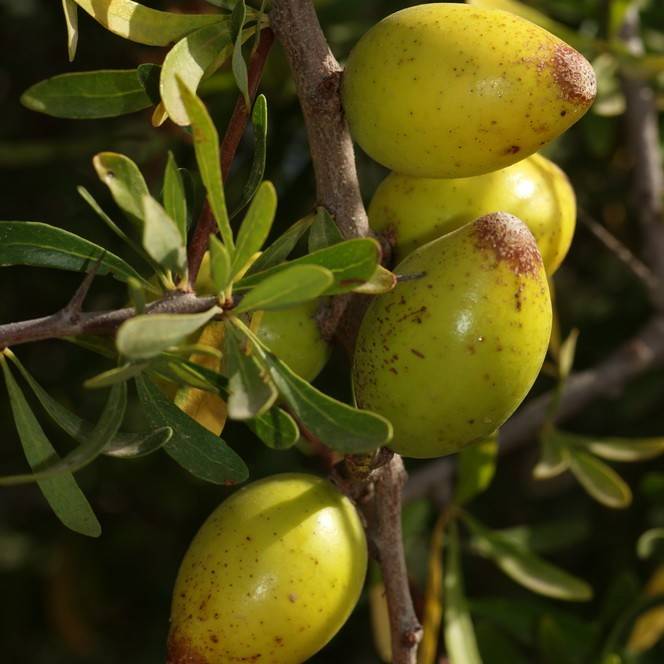
Well-tended shrubs add year-round structure, color, and curb appeal to any residential yard, but even the hardiest varieties can run into issues that feel out of your depth as a home gardener. If you’ve noticed fading foliage, unexpected pests, or overgrown branches blocking walkways, you may be ready to search for shrub care near me to get expert support. This guide will help you spot when to hire a pro, vet local services, and keep your shrubs healthy between visits, plus share tailored tips for popular ornamental maple shrubs common in home landscapes.
Signs You Need to Search for Shrub Care Near Me
Not every shrub issue requires professional help, but there are a few clear red flags that indicate it’s time to reach out to a local expert.
- Yellowing or browning foliage that doesn’t improve after 2-3 weeks of adjusted watering
- Stunted growth for two or more consecutive growing seasons, even with regular fertilization
- Visible signs of pest infestation, including chewed leaves, sticky honeydew residue on stems, or clusters of aphids, scale, or spider mites
- Fungal growth like powdery mildew, rust spots, or mushroom clusters at the base of the shrub
- Overgrown shrubs that block windows, obstruct walkways, or grow too close to utility lines
If you’re unsure what type of shrub you have, you can use Sproutly to snap a photo for fast identification. Sharing your shrub’s confirmed species with local care providers when you request quotes will help them give you more accurate pricing and service recommendations, as care needs vary widely between varieties.
What Services Do Local Shrub Care Providers Offer?
Local shrub care teams offer a range of services tailored to the specific needs of your yard and plant varieties. The most common services include:
- Seasonal pruning: Shaping, thinning, and removal of dead or diseased branches to encourage healthy growth and maintain a manageable size.
- Pest and disease treatment: Targeted applications of organic or synthetic treatments to resolve infestations or fungal issues without harming beneficial insects or nearby plants.
- Species-specific fertilization: Soil testing and tailored fertilizer applications to address nutrient deficiencies and support strong root growth.
- Shrub removal and replacement: Safe extraction of dead, dying, or overgrown shrubs, plus help selecting and planting replacement varieties suited to your climate and yard conditions.
- Seasonal prep: Winter mulching to protect root systems from freeze damage, spring trimming to remove winter dieback, or fall clean-up to clear leaf litter that can harbor pests.
If you have smaller ornamental shrubs like the Aoyagi Japanese Maple, you may only need annual pruning services, while larger, fast-growing shrubs may require more frequent visits to stay contained. For detailed guidance on this compact variety, check our Aoyagi Japanese Maple care guide.
How to Vet Local Shrub Care Services Near You
Not all landscaping teams have specialized experience caring for shrubs, so taking time to vet providers will help you avoid unexpected issues or overpriced services. Follow these steps to find a reliable team:
- Ask neighbors with well-maintained shrubs for referrals. Word-of-mouth recommendations from people in your area are the best way to find providers who understand local climate conditions and common shrub varieties.
- Check local review sites for providers with consistent positive feedback about shrub-specific work, not just general lawn care. Look for reviews that mention attention to detail, clear communication, and fair pricing.
- Confirm they have experience caring for the types of shrubs in your yard. If you have ornamental maples or other sensitive varieties, ask for examples of similar work they have done for other local customers.
- Request written quotes that list all included services and fees, so there are no hidden costs once work begins. Share your shrub’s identification from Sproutly when requesting quotes to get the most accurate pricing possible.
- Verify they are licensed and insured if required in your area. This protects you from liability if a worker is injured on your property, or if your shrubs are damaged during service.
Average Costs for Common Shrub Care Services
Pricing for shrub care varies widely based on your location, the size and accessibility of your shrubs, and the specific services you need. These general ranges will help you set a budget as you compare quotes:
- Shrub pruning often costs between $50 and $150 per shrub, with larger, overgrown shrubs on the higher end of the range.
- Pest and disease treatment may cost $75 to $200 per visit, depending on the type of treatment needed and the number of shrubs being serviced.
- Full shrub removal typically starts at $100 and goes up based on the size of the shrub, the complexity of its root system, and whether stump removal is included.
Prices will vary between providers, so always request multiple quotes from local teams to compare rates and ensure you are getting a fair deal.
DIY Shrub Care Tips to Use Between Professional Visits
Regular at-home maintenance will keep your shrubs healthy between professional visits, and reduce the risk of serious issues that require costly interventions. Stick to these simple, beginner-friendly tasks:
- Water deeply 1-2 times per week during dry spells, directing water at the base of the shrub rather than wetting foliage to prevent fungal growth.
- Apply a 2-3 inch layer of organic mulch (like shredded bark or compost) around the base of shrubs each spring to retain moisture, suppress weeds, and add nutrients to the soil as it breaks down. Keep mulch 1-2 inches away from the shrub’s stem to avoid rot.
- Inspect leaves and stems weekly for early signs of pests or disease. Catching issues early makes them much easier to resolve without professional help.
- Remove small dead or broken branches as you spot them, using clean, sharp pruning shears to make clean cuts just above a healthy bud or branch junction.
You can use Sproutly to set custom care reminders for your specific shrub species, so you never miss a watering or fertilizing window that supports long-term health.
Popular Ornamental Shrubs Local Care Teams Often Service
Many residential yards feature maple varieties that are grown as compact shrubs, rather than full-size trees. These popular species have specific care needs that local shrub care teams are trained to address:
- Aoyagi Japanese Maple: A compact deciduous shrub with highly textured foliage that prefers full sun and regular humidity. It grows slowly, so it only requires light annual pruning to maintain its shape.
- Amur Maple: A versatile variety that can be grown as a small tree or large shrub, with vibrant green foliage that turns bright red in fall. It is fast-growing, so it may require more frequent trimming to stay contained. For more details, see our Amur Maple growing tips.
- Beni Kawa Coral Bark Japanese Maple: A small tree often pruned as a shrub, known for its striking coral-red stems that add winter interest to the yard. It requires careful pruning to preserve its unique stem color and structure. Learn more in our Beni Kawa Coral Bark Japanese Maple care guide.
All three of these species are pet-safe, so be sure to mention you have dogs or cats when booking service, and your provider can use non-toxic treatment options that are safe for your whole household.
When to DIY vs. Hire Professional Shrub Care Near You
Many common shrub care tasks are easy to handle on your own, but some require specialized tools or expertise to avoid damaging your plants. Use this simple breakdown to decide:
- DIY for: Regular watering, light mulching, removal of small dead branches, and weekly pest inspections.
- Hire a pro for: Large pruning jobs that require ladders or power tools, pest or disease treatment that requires specialized products, full shrub removal, or if you’ve tried at-home care and your shrub is still declining.
If you’re unsure what’s wrong with your shrub, you can use Sproutly to upload photos of the damage and get initial care recommendations before deciding if you need to reach out to a local professional.
Frequently Asked Questions
How often do I need to hire shrub care services?
Most shrubs only need professional care 1-2 times per year for seasonal pruning, but you may need more frequent visits if your shrubs have ongoing pest or disease issues, or if you have fast-growing species that require regular shaping to stay contained.
Can I identify my shrub type before contacting local care services?
Yes! You can use the Sproutly app to snap a photo of your shrub for fast, accurate identification, which will help you share specific care needs with local providers to get more precise service quotes.
What should I ask a local shrub care provider before hiring them?
Ask if they have experience caring for your specific shrub species, request a full written quote with no hidden fees, confirm they are insured, and ask for references from local customers who have had similar shrub work done.
Are all shrub care treatments safe for pets?
Not all treatments are pet-safe, so be sure to mention you have pets when you request service. Many local providers offer non-toxic treatment options, especially for pet-safe shrub varieties like Japanese maples.
Try Sproutly
Whether you’re trying to identify a mystery shrub in your yard, set custom care reminders to keep your plants healthy, or get initial guidance on a pest or disease issue before reaching out to a local professional, Sproutly is designed to make plant care simple. Try Sproutly today to access fast plant identification, personalized care schedules, and expert tips tailored to your specific shrubs and yard conditions.
Gerelateerde lectuur
Meer gidsen die je misschien leuk vindt
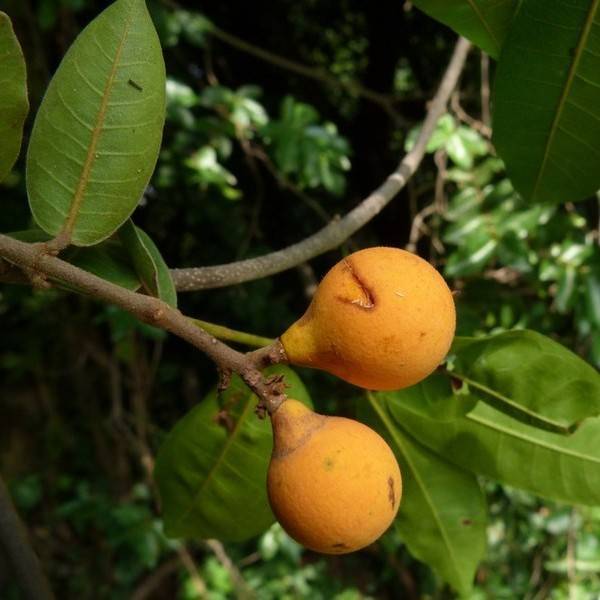
Jackfruit Tree: Growing, Care, Harvesting, and Key Facts for Home Growers
Learn how to grow, care for, and harvest a jackfruit tree, plus key facts about its fruit, health benefits, and ideal growing conditions.
2026-07-01 · 19 min read
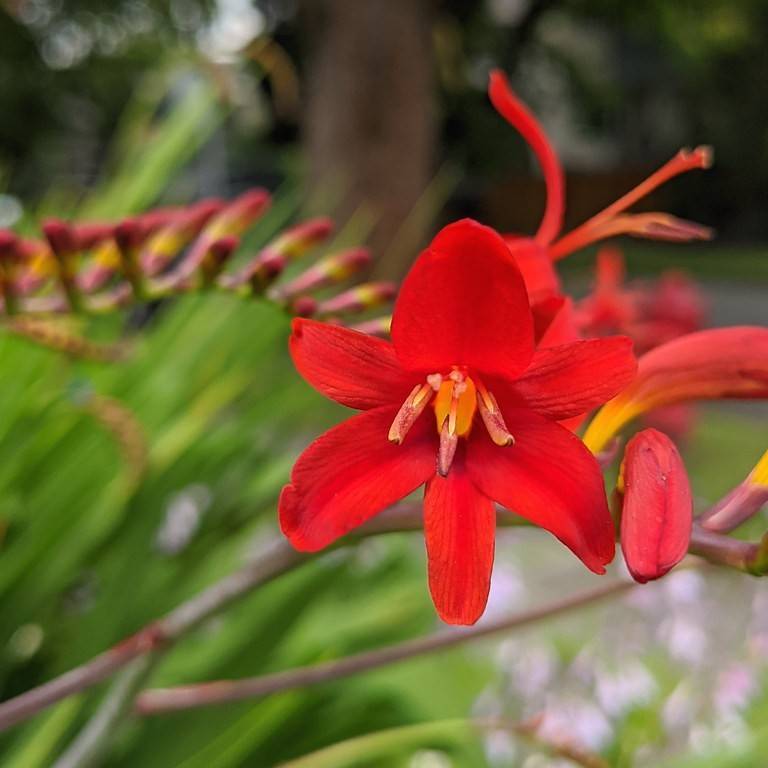
Montbretia Lucifer: Complete Care, Growing, and Design Guide
Learn how to grow and care for montbretia Lucifer, a vibrant red-flowering crocosmia cultivar ideal for sunny, humid garden beds and pollinator-friendly landscapes.
2026-07-01 · 11 min read
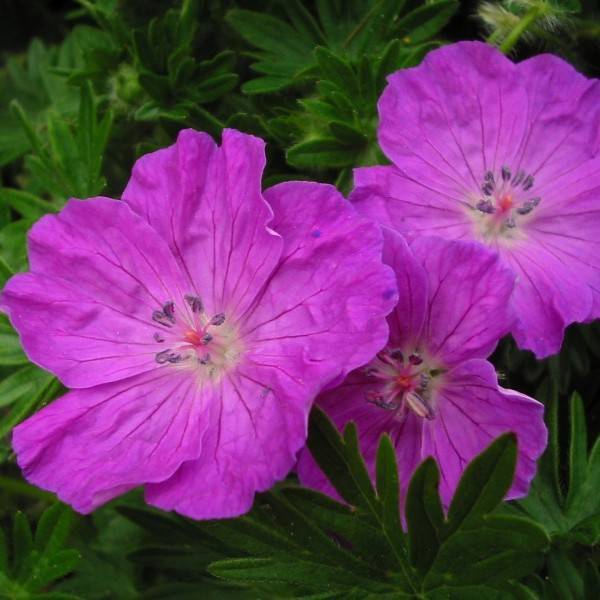
Geranium Sanguineum: Complete Care, Identification, and Growing Guide
Learn how to grow and care for Geranium sanguineum, a hardy, low-maintenance perennial ground cover with vibrant magenta blooms and autumn foliage.
2026-06-30 · 11 min read