Melon Fruit: Types, Nutrition, Growing Tips, and Selection Guide
Learn all about melon fruit, including popular varieties, nutritional benefits, how to grow them at home, and how to pick perfectly ripe melons every time.

Melon Fruit: Types, Nutrition, Growing Tips, and Selection Guide
Melon fruit is a sweet, juicy crop from the Cucurbitaceae family, grown and enjoyed globally in both sweet and savory dishes. It comes in dozens of varieties, from common grocery store cantaloupe to specialty types like Korean horned melon, and offers high nutrient density and easy home growing for warm-climate gardens.
What Is Melon Fruit? Botanical Classification & Key Traits
Botanically, melon fruit is classified as a vegetable, but it is widely treated as a fruit in culinary use due to its sweet, juicy flesh. Native to Africa and the Middle East, it has been cultivated for thousands of years across warm, sunny regions, with hundreds of cultivated varieties developed for unique flavors and textures.
Culinary vs. Botanical Categorization
Botanically, melon (Cucumis melo var. flexuosus) is classified as a vegetable in the Cucurbitaceae family, closely related to cucumbers, squash, and pumpkins. It is defined as a vegetable by its structure as the fleshy, seed-bearing product of a vining herbaceous plant. Culinary classification groups it as a fruit due to its sweet flavor and common use in desserts, snacks, and fruit salads. This categorization discrepancy is rarely noted in generic reference guides, leading to frequent consumer confusion about the crop’s formal grouping.
Core Plant Characteristics
Melon plants are vining, full-sun, humidity-loving crops that produce round or oblong fruit with thick rinds and soft, sweet inner flesh. They are pet-safe, with no toxic compounds in the flesh for dogs or cats, and have documented medicinal uses in traditional herbal practices for hydration and digestive support. If you encounter an unfamiliar type at the market or in a community garden, use the Sproutly app to identify specific melon varieties from leaf or fruit photos for growing, selection, and preparation guidance. Learn more about melon plant care and traits in our plant encyclopedia.
12 Popular Types of Melon Fruit to Try
Melon fruit varieties range from widely available grocery store staples to rare specialty types sold only at farmers markets or specialty produce shops. Each type has a distinct flavor profile, texture, and ideal use, making it easy to find an option that matches your taste preferences.
Common Widely Available Melon Varieties
This group includes cantaloupe, honeydew, and standard watermelon, which are sold in most grocery stores year-round. Cantaloupe has orange, musky flesh with a netted rind, honeydew has pale green, mild, crisp flesh with a smooth, pale rind, and watermelon has crisp, red or yellow flesh with black seeds, or seedless cultivars bred for easier eating. These varieties are the most affordable and accessible, with consistent flavor when purchased in season.
Specialty & Underused Melon Varieties
These less common melon types are often grown by small-scale farms or imported, with shorter seasonal availability and more distinct flavors:
- Charentais melons: Small, fragrant French cantaloupe cultivars with orange flesh and a smooth, slightly ribbed rind. They have a more concentrated, floral sweetness than standard cantaloupe, and are best eaten raw as a stand-alone snack or paired with cured meats. They are in season from July through early September in North America.
- Kiwano Horned melons: Spiky, bright orange rind with bright green, jelly-like tart flesh and edible seeds. Their flavor is a mix of cucumber, kiwi, and lime, making them ideal for garnishes, smoothies, or fruit salads. They are imported year-round from New Zealand and Africa, with limited domestic production in California.
- Pepino melons: Small, striped, egg-sized melons with sweet-tart flesh similar to a mix of honeydew and cucumber. Their thin skin is edible when washed, and they are perfect for snacking or slicing into salads. They grow well in containers, making them a popular choice for small-space gardeners.
- Crown melons: Sweet, white-fleshed melons popular in East Asia, with a smooth, pale green rind and a mild, honey-like flavor. They are often served sliced as a dessert or added to boba drinks.
- Korean melons: Small, bright yellow, ribbed rind with crisp, mild white flesh and edible small seeds. They have a mild, sweet flavor similar to cucumber and honeydew, and are often eaten whole, chilled, as a summer snack.
- Organic Mini Red Seedless Watermelons: Personal-sized, 3 to 5 pound watermelons with sweet red flesh and no seeds. They are ideal for small households, as they can be eaten in one sitting without waste.
- Orange Candy™ Melons: A patented cultivar with bright orange, extra-sweet flesh with a honey-like flavor and a thin, smooth rind. They are in season from July through August in the U.S. Southwest.
Melon Fruit Nutritional Profile & Health Benefits
Melon fruit is low in calories and high in water content, making it a nutrient-dense snack choice for hot weather. Its key nutrients support immune function, hydration, and digestive health, with minimal added sugar or saturated fat.
Key Nutrients per 1-Cup Serving
A 1-cup serving of raw cantaloupe melon fruit contains 53 calories, 13 grams of carbohydrates, 1.5 grams of fiber, 106% of your daily vitamin C needs, and 29% of your daily vitamin A needs, plus smaller amounts of potassium, folate, and magnesium. Watermelon is similarly low-calorie, with 46 calories per cup, and high lycopene content linked to heart health support. Honeydew has 64 calories per cup, with higher potassium content than cantaloupe or watermelon.
Evidence-Based Health Benefits
The high water content of melon fruit (up to 90% water by weight) supports hydration, especially during hot summer months, making it a good post-workout snack option. The vitamin A and C content supports immune function and collagen production for skin health, while the soluble fiber content aids in regular digestion and feeds beneficial gut bacteria. Some traditional medicinal practices use melon fruit extracts to soothe mild inflammation and reduce bloating, though more clinical research is needed to confirm these uses for modern applications.
How to Grow Melon Fruit at Home
Melon fruit is a relatively low-effort crop for home gardeners in warm, sunny regions, with most varieties producing 2 to 4 fruits per plant when given proper growing conditions. Even gardeners in cooler climates can grow small melon varieties in containers or raised beds with full sun exposure.
Ideal Growing Conditions
Melon fruit plants require full sun (6+ hours of direct sunlight per day), well-draining soil with a pH between 6.0 and 6.8, and warm temperatures between 70°F and 90°F during the growing season. They are humidity-loving, so they thrive in regions with consistent summer moisture, but avoid overwatering to prevent root rot and fungal disease. The Sproutly app can generate a custom watering schedule for your melon plants based on your local climate and soil type to avoid common growing mistakes. Discover other full-sun, humidity-loving edible plants for your garden.
Planting & Care Timeline
Start melon seeds indoors 2 to 3 weeks before your last expected frost date, or direct sow outdoors once soil temperatures reach at least 65°F. Space vining varieties 3 to 4 feet apart in rows 6 to 8 feet apart, or use trellises to save space in smaller gardens, supporting developing fruit with slings made of old pantyhose or fabric to prevent stems from breaking under the weight. Fertilize with a balanced, all-purpose fertilizer every 2 to 3 weeks during active growth, reducing fertilizer once fruit begins to ripen to encourage sugar development rather than leaf growth. Most melon fruit varieties are ready to harvest 70 to 100 days after planting, depending on the cultivar.
Common Pests & Problems
Common pests that affect melon fruit plants include aphids, cucumber beetles, and squash bugs, which can be controlled with neem oil or insecticidal soap applied at the first sign of infestation. Powdery mildew, a white fungal growth on leaves, is common in humid conditions, and can be prevented with proper air circulation between plants and avoiding watering leaves directly. Blossom end rot, a dark, sunken spot on the blossom end of developing fruit, is caused by inconsistent soil moisture and calcium uptake, and can be prevented with regular, deep watering and the addition of calcium-rich amendments like crushed eggshells to the soil at planting time. Explore other edible pet-safe fruits you can grow at home.
How to Pick Perfectly Ripe Melon Fruit Every Time
Ripe melon fruit has consistent, sweet flavor, while underripe melons will be bland and firm, and overripe melons will be mushy and fermented. These simple checks work for most varieties, with minor adjustments for specific cultivar traits.
General Ripeness Checks for All Varieties
Ripe melon fruit will feel heavy for its size, have a slightly sweet, musky scent at the stem end, and the rind will have a dull, not shiny, finish. For most varieties, the stem will slip easily from the fruit when it is fully ripe, or the blossom end (the end opposite the stem) will give slightly when pressed gently. Avoid melons with soft spots, bruising, or a fermented, sour scent, as these are signs of overripeness or decay.
Variety-Specific Selection Tips
Tailor your checks to the specific melon type for the most accurate ripeness assessment:
- For cantaloupe: Look for a golden, netted rind with no green spots under the netting. The stem scar should be smooth and indented, indicating the melon slipped from the vine naturally at harvest.
- For honeydew: The rind should be creamy yellow, not pale green, and feel slightly waxy to the touch. Avoid honeydews with visible blemishes or soft spots.
- For watermelon: Look for a creamy yellow field spot (the area that rested on the ground as the melon grew) and a dull rind, not a shiny one. Tap the rind to hear a deep, hollow sound, rather than a high-pitched, tight sound, which indicates underripeness.
- For Korean melons: The rind should be bright yellow with distinct white ribs, and give slightly at the blossom end when pressed. Avoid green-tinged melons, which are underripe.
How to Store & Prepare Melon Fruit
Proper storage extends the shelf life of melon fruit, and its mild, sweet flavor works in a wide range of sweet and savory dishes beyond basic snacking.
Storage Guidelines
Uncut, ripe melon fruit can be stored in the refrigerator for up to 5 days, or at room temperature for 1 to 2 days if you need to soften the flesh slightly further. Note that most melon varieties do not gain additional sugar after harvest, so room temperature storage will only soften flesh, not increase sweetness. Once cut, wrap melon tightly in plastic wrap or store it in an airtight container in the refrigerator for up to 3 days, as the flesh will soften and lose flavor quickly after cutting. Cut melon can also be frozen for up to 6 months for use in smoothies or sorbets, no added sugar needed.
Popular Preparation & Serving Ideas
Melon fruit is most commonly eaten raw, sliced or cubed as a snack, in fruit salads, or blended into smoothies, agua frescas, or sorbets. It pairs well with savory ingredients like prosciutto, feta cheese, mint, and chili powder for balanced sweet-savory appetizers and side dishes. Some cuisines also use unripe melon fruit in pickles or stir-fries, treating it as you would a cucumber or summer squash for a crisp, mild addition to savory meals. The high water content also makes it a good base for low-sugar popsicles and cold summer soups.
Global Melon Fruit Production & Seasonality
Melon fruit is grown in warm regions across the globe, with peak season varying by location and cultivar. Purchasing melon in season ensures the best flavor, lowest cost, and lowest environmental footprint from transportation.
Top Producing Regions
China is the world’s largest producer of melon fruit, accounting for over half of global production, followed by Turkey, India, and the United States. In the U.S., most melon fruit is grown in California, Arizona, and Texas, where warm, dry summer conditions are ideal for high sugar development and reduced fungal disease. Smaller scale production occurs in most U.S. states with warm summer temperatures, with local varieties sold at farmers markets and farm stands from mid-summer through early fall.
Seasonality Guide by Variety
Common cantaloupe and honeydew are in season from June through August in North America, while standard watermelon is in season from May through September. Specialty varieties like Charentais and Korean melons have shorter seasons, typically running from July through early September, and are often only available from small-scale local farms. Imported melon fruit is available year-round in most grocery stores, sourced from Central and South America during the U.S. winter months, but will have the best flavor and lowest cost when purchased in season locally.
Frequently Asked Questions About Melon Fruit
Is melon a fruit or a vegetable?
Botanically, melon (Cucumis melo var. flexuosus) is classified as a vegetable, as it is a member of the Cucurbitaceae family alongside cucumbers and squash. Culinarily, it is treated as a fruit due to its sweet, juicy flesh and common use in sweet dishes.
How long does it take for melon fruit to ripen after picking?
Most melon fruit varieties will soften slightly after picking but will not get any sweeter, as their sugar content is fixed at harvest. If your melon is slightly underripe, leave it at room temperature for 1 to 2 days to soften the flesh before eating.
Can you eat melon fruit skin?
The thick rind of most melon fruit varieties (including cantaloupe, honeydew, and watermelon) is not typically eaten, as it is tough and bitter. Kiwano horned melon rind is also not eaten, but small, thin-skinned varieties like Pepino melons can be eaten with the skin on if washed thoroughly.
Is melon fruit safe for dogs and cats to eat?
Yes, melon fruit is pet-safe in small quantities. Remove the rind and seeds first, as these can pose a choking hazard or cause digestive upset in large amounts. Feed melon as an occasional treat, not a regular part of your pet’s diet.
How many calories are in a serving of melon fruit?
A 1-cup serving of raw cantaloupe contains 53 calories, while a 1-cup serving of raw watermelon contains 46 calories, and a 1-cup serving of raw honeydew contains 64 calories. All varieties are low in calories and high in water content, making them a filling, hydrating snack.
Grow & Identify Melon Fruit With Sproutly
The Sproutly app helps you identify unknown melon fruit varieties from photos, tracks your homegrown melon plants’ care schedules, and provides customized tips to troubleshoot common growing issues. Whether you’re shopping for new varieties at the farmers market or growing melons in your backyard, Sproutly gives you tailored, actionable guidance to get the most out of every melon fruit you encounter.
Try Sproutly today to simplify your plant care and produce selection journey.
Gerelateerde lectuur
Meer gidsen die je misschien leuk vindt
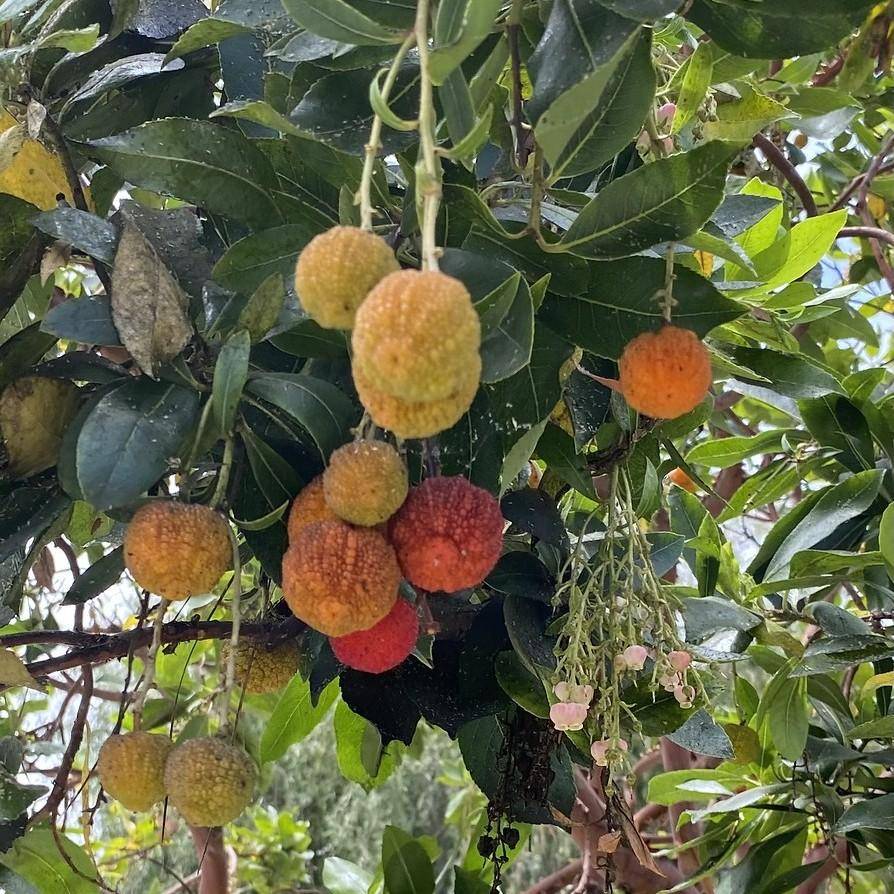
Strawberry Tree: Complete Care, Identification, and Usage Guide for Arbutus unedo
Learn to identify, grow, and use the strawberry tree (Arbutus unedo), a pet-safe evergreen that produces edible fruit and year-round garden interest.
2026-06-26 · 17 min read

Wild Flower Names: 8 Common, Distinct Species to Identify and Grow
Learn common wild flower names, key identifying traits, and growing tips for popular native and ornamental species perfect for pollinator gardens and low-maintenance landscapes.
2026-06-24 · 10 min read
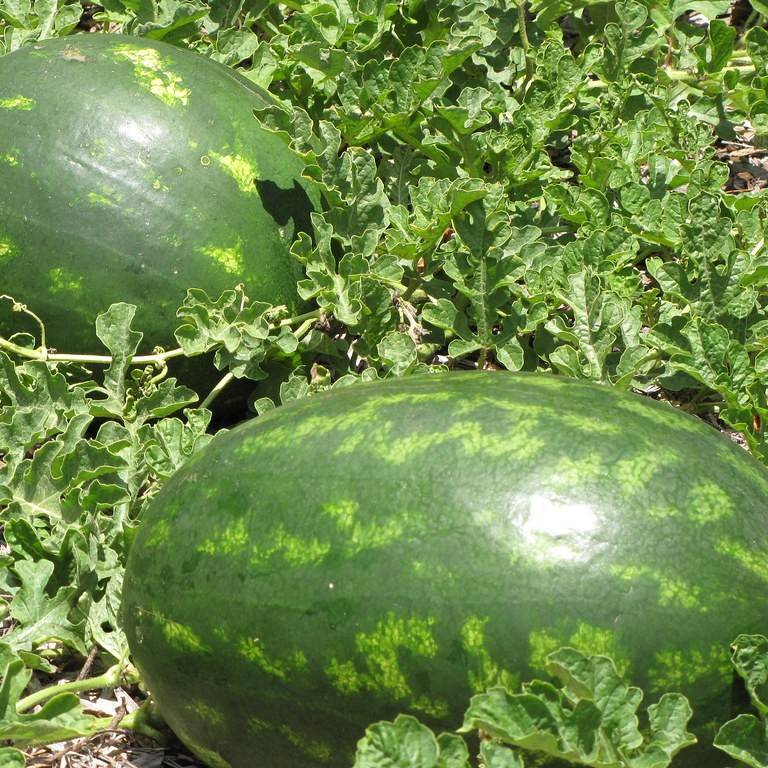
Watermelon: Complete Growing, Nutrition, and Usage Guide
Learn how to grow watermelon, plus its nutrition, health benefits, varieties, and potential side effects in this comprehensive, beginner-friendly guide.
2026-06-23 · 12 min read