How Often to Water ZZ Plants, Rubber Plants, Philodendrons, and Calatheas: A Low-Fuss Houseplant Guide
Learn how often to water ZZ plants, rubber plants, philodendrons, and calatheas to keep your popular houseplants happy, healthy, and free of root rot.
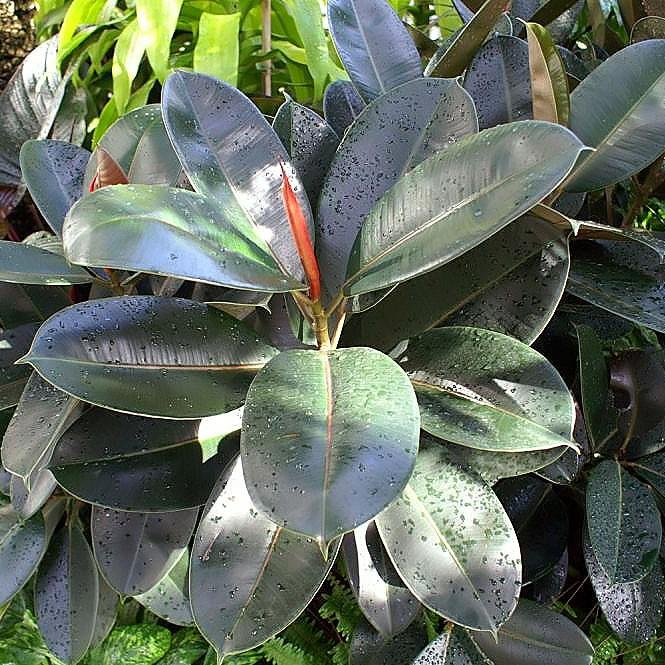
If you’re building your first houseplant collection, ZZ plants, rubber plants, philodendrons, and calatheas are some of the most popular low-fuss picks to start with. Their biggest care pain point, by far, is getting watering frequency right. This guide breaks down how often to water each plant, plus universal rules to avoid common mistakes like root rot, so you can keep all four thriving without guesswork.
Pre-Watering Basics: The Rule All Four Plants Follow
Before diving into specific schedules, note that no rigid weekly schedule works for every plant. Your home’s light, humidity, pot size, and soil type all change how quickly soil dries out. For all four plants, always check that the top 1 to 2 inches of soil are completely dry before watering, and avoid letting roots sit in standing saucer water to prevent root rot. If you’re ever unsure if your plant is a ZZ, rubber plant, philodendron, or calathea, use Sproutly to identify it in seconds and get a custom care reminder tailored to your space.
How Often to Water ZZ Plants
ZZ plants are extremely drought-tolerant thanks to their thick, water-storing rhizomes. In average indoor conditions (60-75°F, medium indirect light), you’ll only need to water a ZZ plant every 2 to 3 weeks. In low light or cooler months, this can stretch to every 4 weeks or even longer. Err on the side of underwatering: ZZ plants will bounce back from dry soil much faster than they will from overwatering, which is the most common cause of yellow ZZ leaves. If you’re still wondering how often to water zz plant when you’re away for an extended trip, rest easy: they can often go 6 weeks or more without water in cool, low-light spaces.
How Often to Water Rubber Plants
Rubber plants (Ficus elastica, including the popular Burgundy India rubber plant) have thick, waxy leaves that hold moisture well. If you’re wondering how often to water rubber plant, the general guideline is every 1 to 2 weeks in bright indirect light, once the top 2 inches of soil feel dry. In lower light, you can extend this to every 2 to 3 weeks. Rubber plants are sensitive to overwatering, so if you notice drooping leaves that aren’t crispy, hold off on watering for a few more days and check the soil again. Sproutly can send you personalized reminders so you never water your rubber plant too early or too late.
How Often to Water Philodendrons and Calatheas
This section covers two common plant care questions: how often to water philodendron, and how often to water calathea.
Philodendrons have moderate water needs, and most common vining and upright varieties prefer the top 1 to 2 inches of soil to dry out between waterings, which usually works out to every 1 to 2 weeks in bright indirect light. In lower light, you can wait 2 to 3 weeks between waterings. Yellow philodendron leaves are almost always a sign of overwatering, so cut back on frequency if you notice this issue.
Calatheas are a little more high-maintenance when it comes to moisture: they prefer their soil to stay consistently (but not soggy) damp, so you’ll usually need to water them every 1 to 1.5 weeks once the top 1 inch of soil dries out. Calatheas are also sensitive to hard tap water, so using filtered or rainwater will help prevent brown, crispy leaf edges.
Seasonal Watering Adjustments for All Four Plants
All four of these houseplants will need less water in the fall and winter when their growth slows down. Plan to cut your watering frequency by roughly half during cooler months, and always test soil moisture before watering. If you run your heat constantly in the winter, you may need to water calatheas a little more frequently to account for dry indoor air. If you’re still unsure how to adjust your schedule, scan your plant with Sproutly to get a custom seasonal care plan.
Signs You’re Watering Your Plants Too Much or Too Little
Watch for these common cues to adjust your watering routine:
- Overwatering signs include yellow, mushy leaves, soggy soil that never dries out, and a rotten smell coming from the pot.
- Underwatering signs include crispy, brown leaf edges, drooping leaves, and soil that pulls away from the edges of the pot.
If you notice any of these issues, adjust your frequency accordingly and make sure your pot has working drainage holes to let excess water escape.
FAQ
Can I water all four of these plants on the same schedule?
It’s not recommended, as ZZ plants and rubber plants need far less frequent watering than calatheas. Use Sproutly to set up custom reminders for each plant so you never mix up their schedules.
Do I need to water my ZZ plant less in the winter?
Yes, ZZ plants grow very slowly in cooler months, so you can often go 4 weeks or longer between waterings during the winter. Always check that the soil is completely dry before watering.
Why are my calathea leaves turning brown even when I water it on schedule?
Brown calathea leaves are often caused by hard tap water or low humidity, not just watering frequency. Try using filtered water and placing a humidifier near your calathea to fix this issue.
Try Sproutly
Stop guessing about your houseplant care routine. Sproutly identifies plants in seconds, sends custom watering reminders tailored to your home environment, and answers all your care questions as your collection grows. Get started with Sproutly today to keep your ZZ plants, rubber plants, philodendrons, and calatheas thriving year-round.
Gerelateerde lectuur
Meer gidsen die je misschien leuk vindt
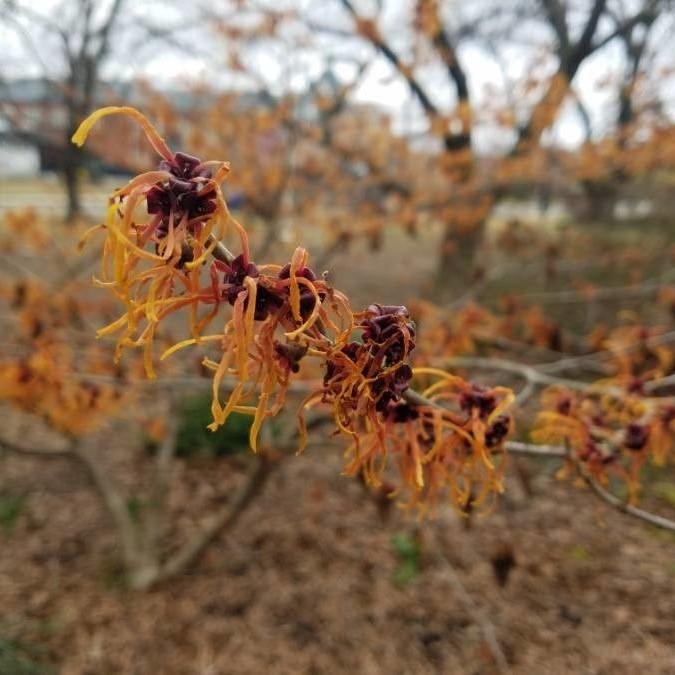
Hamamelis Mollis (Chinese Witch Hazel): Complete Grow & Care Guide
Learn to grow, care for, and enjoy Hamamelis mollis (Chinese witch hazel), a fragrant winter-blooming shrub with vibrant autumn foliage for temperate gardens.
2026-07-26 · 12 min read
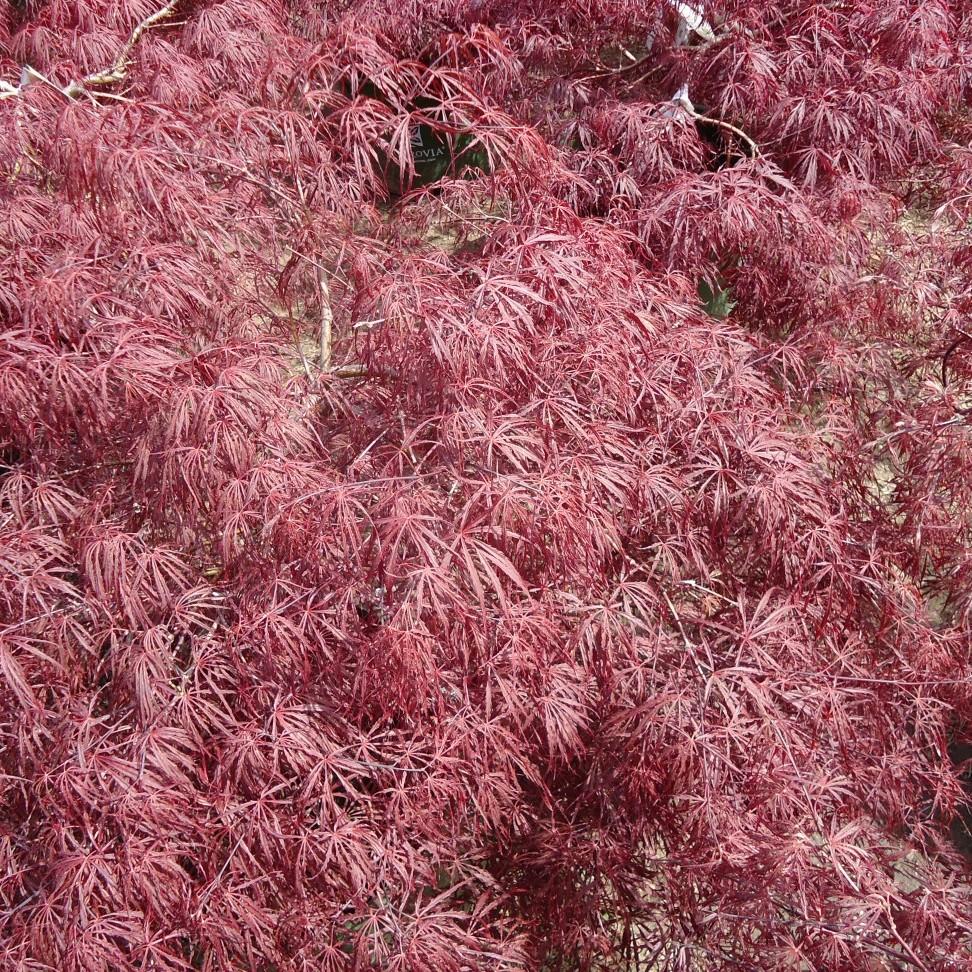
Japanese Maple Plant Description: Key Details for Iijima Sunago, Select Red, and Popular Cultivars
Get clear, beginner-friendly descriptions of Japanese maple trees, including specific details for Iijima Sunago and Select Red cultivars, plus care and pruning tips.
2026-07-26 · 8 min read
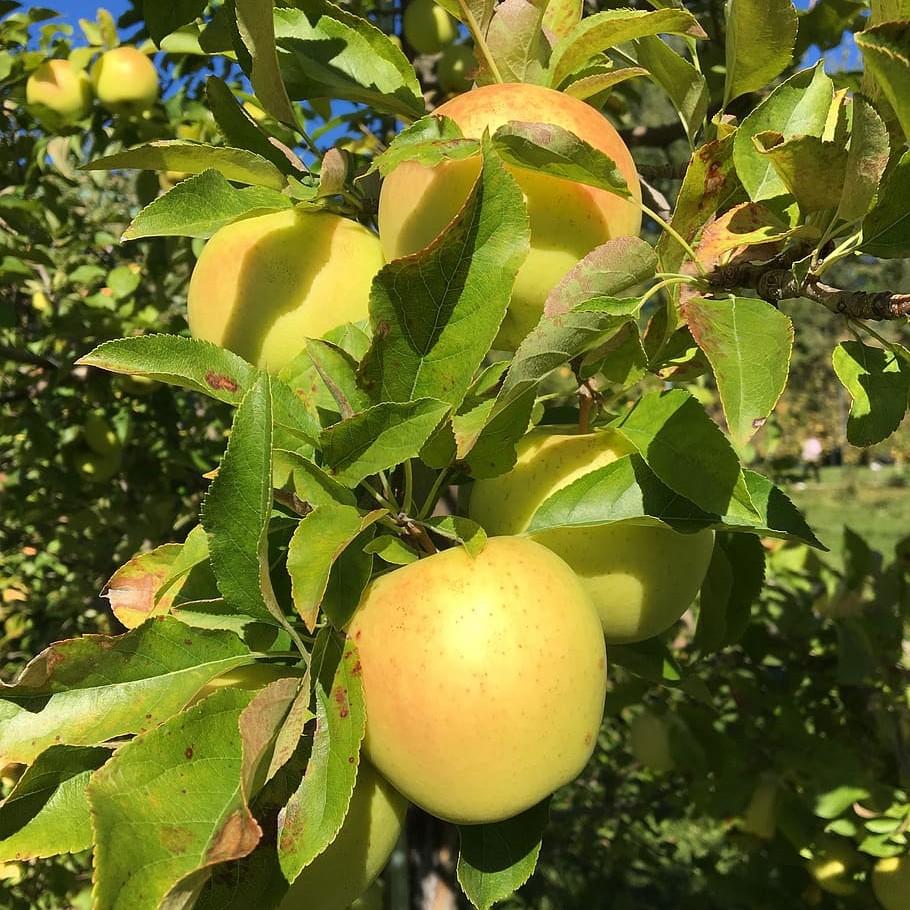
Flowering Crabapple: Grow Guide, Cultivars, and Landscape Uses
Learn to grow and care for flowering crabapple trees, with tips on cultivar selection, bloom care, disease resistance, and using their edible fruit and seasonal foliage.
2026-07-25 · 11 min read