10 Beautiful Flowers to Plant for Year-Round Color (Pet-Safe, Low-Fuss Options)
Discover easy, pet-safe flowers to plant for vibrant seasonal garden color, plus care tips to help your new blooms thrive.
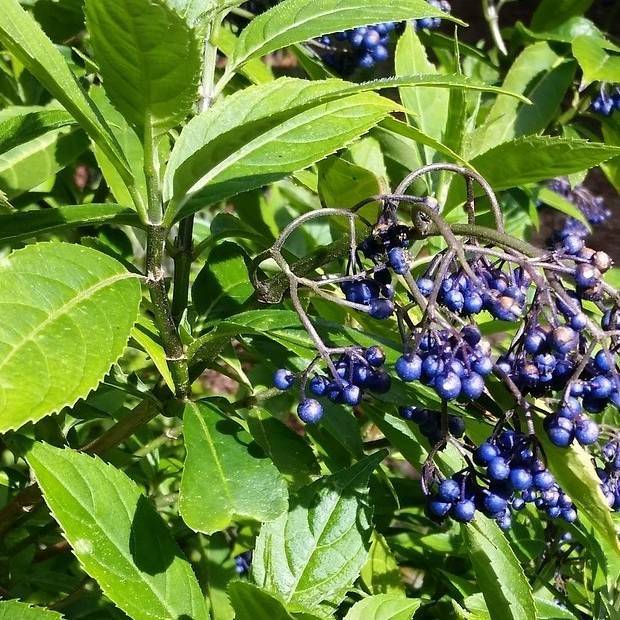

Nothing makes a garden feel more welcoming than consistent, vibrant blooms from early spring through late fall. If you’re a pet owner or new to gardening, picking the right flowers to plant can feel overwhelming—you want options that look great, don’t require constant upkeep, and won’t put your curious cats or dogs at risk of poisoning. This roundup focuses entirely on pet-safe, low-fuss blooms and complementary flowering trees to build a year-round colorful garden that fits your lifestyle. New to blooms? Our beginner's guide to the types of flowers explains the main categories before you choose.
How to Pick the Right Flowers to Plant for Your Garden
Before you head to the nursery, take 10 minutes to assess your space to avoid buying plants that won’t thrive in your yard. First, track sun exposure across your planting area: most flowering varieties need at least 4-6 hours of direct sun per day, though some tolerate partial shade. Next, note your local average humidity, as some species prefer more moisture in the air than others. Finally, confirm you’re prioritizing pet-safe varieties if you have four-legged family members that spend time outdoors.
If you’ve spotted blooms you love in a neighbor or friend’s garden, you can use Sproutly to scan the unknown plant and identify it before you shop. The app will also flag if the variety is pet-safe and share its basic growing requirements, so you can confirm it’s a good fit for your space before you make a purchase.
Bright Spring Flowers to Plant for Early Season Color
After a long, gray winter, the first spring blooms feel like a welcome reward for waiting out the cold. Our top pick for early season color is columbine (Aquilegia vulgaris), a perennial with delicate, nodding blooms in shades of purple, pink, yellow, and bi-color combinations. It returns reliably year after year, so you only need to plant it once for years of spring color.
Columbine grows well in partial to full sun, and it requires very little maintenance beyond occasional watering during extended dry spells. For best results, plant corms 6 weeks before your last expected frost date, so roots have time to establish before warm spring weather arrives. This low-fuss pick is also completely pet-safe, so you don’t have to worry if your dog decides to sniff or nibble on a fallen bloom.
Long-Blooming Summer Flowers to Plant for Nonstop Color
Once spring fades, you want blooms that will hold up to summer heat and keep your garden looking lively through early fall. Three pet-safe garden mum varieties check every box for low-fuss, long-lasting summer color:
- Daisy garden mum (‘Cathy’s Rust’): Produces warm, rusty orange daisy-like blooms that pair perfectly with other warm-toned summer flowers.
- Decorative garden mum (‘Hillside Sheffield Pink’): Offers soft, peachy-pink ruffled blooms that add a gentle pop of color to bed borders or container plantings.
- Decorative garden mum (‘Yohannah’ HANNAH): Bears creamy white blooms that brighten up shaded corners of your yard and complement bolder, brighter blooms nearby.
All three varieties thrive in full sun, and their blooms last from mid-summer through early fall with minimal care. The only regular maintenance required is deadheading spent blooms: snip off faded flowers every 1-2 weeks to encourage new buds to form, extending your bloom season by several weeks. These mums are also pet-safe, making them a worry-free pick for households with cats and dogs.
Flowering Trees to Pair With Your Garden Flowers
Flowering trees are the unsung heroes of year-round garden color. They add height and structure to flower beds, and their seasonal foliage and blooms extend your garden’s color palette long after shorter flowering plants fade for the season. All four of these pet-safe, full-sun trees are low-maintenance once established, and they love humid growing conditions:
- Blue Spanish Fir: Features striking silvery-blue year-round needles and subtle spring blooms that add soft texture to your garden. It grows at a slow, steady pace, so you won’t have to prune it regularly to keep its shape.
- Kandy Kitchen Japanese Maple: Boasts red and white variegated foliage that pops next to bright pink or orange summer blooms, adding visual interest to beds from spring through early fall.
- Autumn Fire Japanese Maple: Lives up to its name with fiery red fall foliage that turns your garden into a vibrant display long after summer blooms have faded.
- Flame Amur Maple: A compact, small-sized tree perfect for small yards or the back of narrow flower beds. It produces bright red fall leaves that stand out against evergreen shrubs and late-season perennials.
Plant these trees at the back of your flower beds to create a layered look, with shorter blooms in front and taller tree foliage as a backdrop. You won’t need to tend to them constantly once their roots are established, making them a low-fuss way to add year-round color.
Step-by-Step Tips for Planting Your New Flowers
Once you’ve picked your perfect varieties, follow these simple steps to help your new plants establish strong roots and thrive:
- Dig a hole twice as wide as the plant’s root ball, and just as deep. Digging a wider hole loosens the surrounding soil, making it easier for roots to spread out.
- Mix a 2-inch layer of compost into the soil you removed from the hole to add extra nutrients for your new plant.
- Place the plant in the hole so the top of the root ball is level with the surrounding soil. Planting too deep can smother roots and cause rot.
- Backfill the hole with the amended soil, pressing gently around the base of the plant to eliminate air pockets.
- Water deeply right after planting to settle the soil around the roots.
For ongoing care, log your new plants in Sproutly to get customized reminders for watering, fertilizing, and pruning. The app will adjust reminders based on your local weather conditions, so you never have to guess if it’s time to water or feed your blooms.
Common Mistakes to Avoid When Planting New Flowers
Even the most low-fuss plants can struggle if you make these common, easy-to-avoid errors:
- Planting sun-loving varieties in shaded spots: If a plant is labeled for full sun, it needs at least 6 hours of direct sun per day to bloom. Planting it in a shaded spot will lead to sparse foliage and very few flowers.
- Overwatering new transplants: New plants need consistent moisture, but soggy soil will cause root rot. Wait until the top 1-2 inches of soil feel dry to the touch before watering again.
- Forgetting to harden off indoor seedlings: If you started plants from seed indoors, gradually expose them to outdoor conditions for 1-2 hours a day over a week before planting them permanently. This prevents shock from sudden changes in temperature or wind.
- Planting too deep: As noted in the planting steps, the top of the root ball should sit level with the surrounding soil. Burying the stem too deep can cause rot and stunted growth.
If you’re unsure about the specific needs of any of your new blooms, use Sproutly to look up their care requirements. The app’s plant encyclopedia has detailed guidance for thousands of varieties, so you can avoid common missteps and keep your plants healthy.
Final Thoughts: Build a Garden You’ll Love All Year
Mixing seasonal blooms with flowering trees gives you 12 months of color with minimal extra work. Spring columbine, summer garden mums, and fall foliage from Japanese maples and fir trees ensure there’s always something interesting to look at in your garden, no matter the season. As your garden grows, take photos of your plants regularly to track their progress. If you spot discolored leaves, stunted growth, or other issues, you can use Sproutly’s plant identification tool to diagnose the problem and get targeted care tips to fix it.
Frequently Asked Questions
What are the best low-fuss flowers to plant for beginners?
Columbine and garden mums are great beginner-friendly picks, as they tolerate a range of growing conditions, are pet-safe, and require minimal pruning beyond deadheading spent blooms.
What flowers to plant are safe for dogs and cats?
All the flowers and flowering trees listed in this piece, including columbine, garden mums, and Japanese maple varieties, are verified pet-safe, so you don’t have to worry if your pet nibbles on a fallen leaf or bloom.
When is the best time to plant new garden flowers?
Most spring and summer flowers are best planted after the last frost date in your area, while fall-blooming varieties can be planted in late summer. Check seed packets or plant tags for specific timing guidance for each variety.
Can I mix flowering trees in with my regular garden flowers?
Absolutely! Small flowering trees like the Flame Amur Maple fit perfectly at the back of flower beds, adding height and seasonal color without crowding out smaller annual and perennial flowers.
Ready to build your low-fuss, pet-safe garden? Try Sproutly today to identify plants you love, access detailed care guides, and get customized reminders to keep your blooms thriving all year. Get started now.
Gerelateerde lectuur
Meer gidsen die je misschien leuk vindt
Game Plant: The Ultimate Guide to Plants in Gaming & Real-World Lookalikes
Explore game plant origins, their roles in popular titles like Plants vs. Zombies, and real plant varieties that match iconic in-game designs for your home or garden.
2026-08-05 · 10 min read
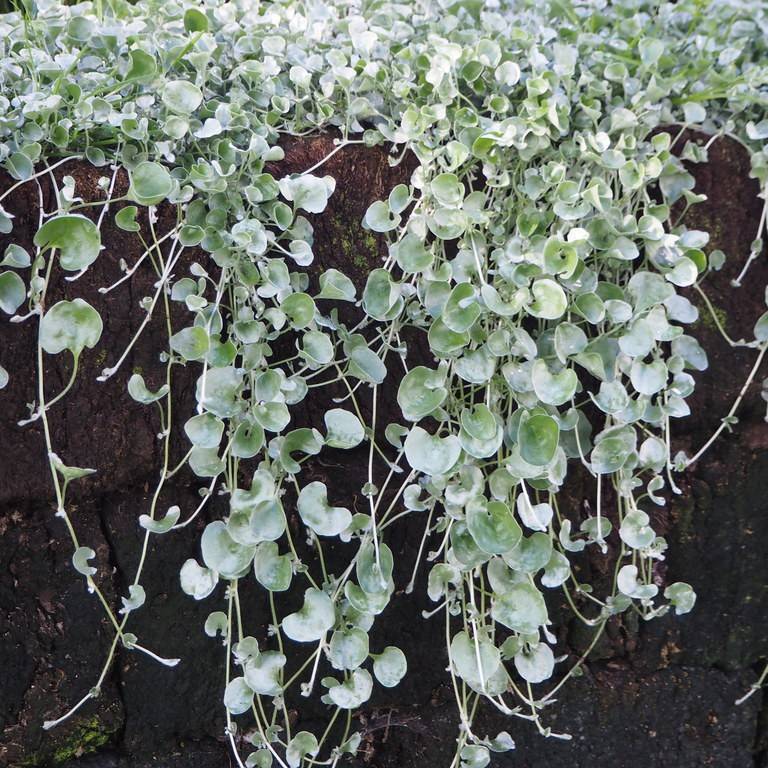
Dichondra Argentea (Silver Falls): Complete Care, Growing, and Use Guide
Learn how to grow and care for Dichondra argentea 'Silver Falls', a drought-tolerant, pet-safe trailing perennial perfect for hanging baskets and ground cover.
2026-08-04 · 11 min read
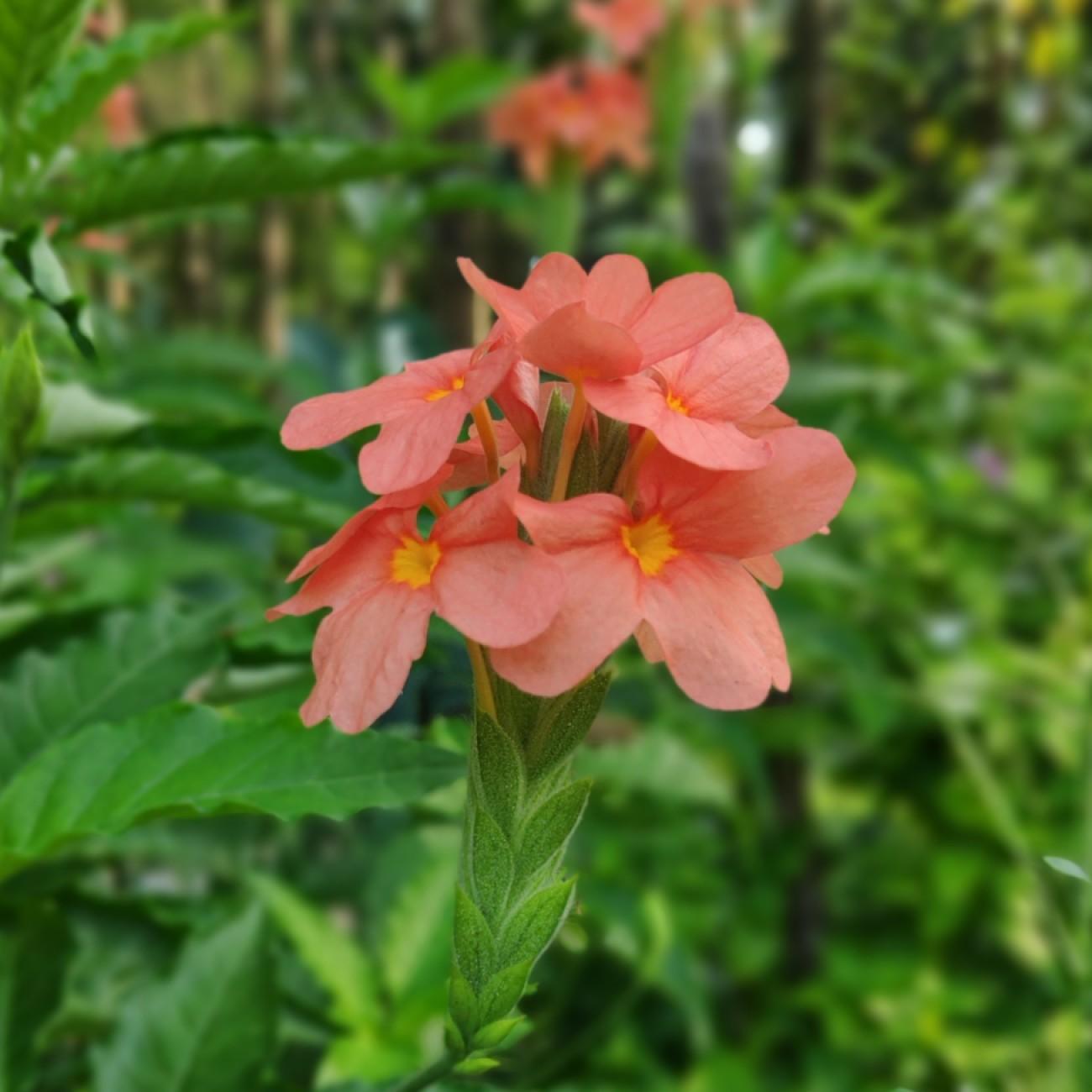
Firecracker Flower: Complete Care, Cultivation, and Identification Guide
Learn how to grow and care for firecracker flower (Crossandra infundibuliformis), a pet-safe, humidity-loving tropical houseplant with bright tubular blooms.
2026-08-04 · 19 min read