Acer Rubrum Red Sunset Maple: Care, Cultivar Comparison, and Planting Guide
Learn how to grow, care for, and choose between Acer Rubrum Red Sunset maple and popular red maple cultivars for your outdoor landscape.
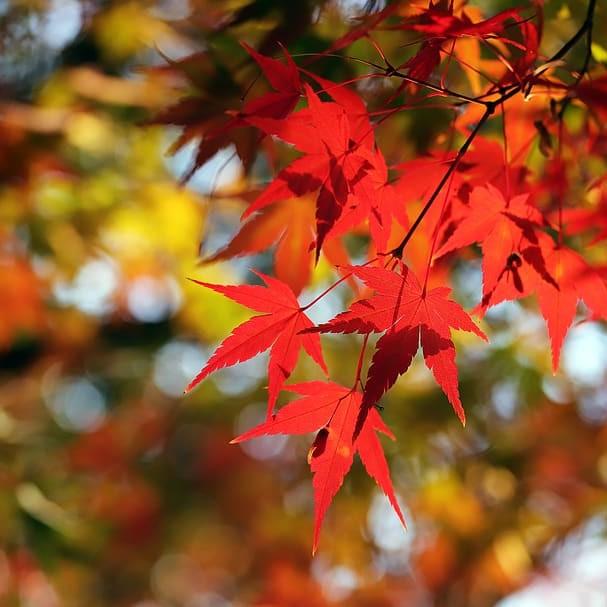
Acer rubrum Red Sunset maple, sold under the cultivar name 'Franksred', is a fast-growing deciduous red maple tree native to North America, hardy to USDA zones 3 through 9. It grows 40 to 50 feet tall and 30 to 40 feet wide at maturity, with red spring flowers and vibrant red, orange, and yellow fall foliage. It thrives in full sun, prefers high humidity, and is non-toxic to dogs, cats, and horses.
Key identification traits:
- Smooth, light gray bark on young trees that furrows with age
- 3 to 5-lobed leaves with serrated edges that turn red earlier in fall than many other red maple cultivars
- Dense, rounded canopy ideal for shade
Note: If you are unsure if a sapling is this cultivar, you can scan its leaves with the Sproutly app to confirm its identity and get personalized care tips. For more details on the core species, review our full Red Maple plant profile.
Red Sunset Maple Planting Location and Care Requirements
Acer rubrum Red Sunset maple grows best in full, direct sun (6+ hours of unfiltered light per day) and moist, well-drained, slightly acidic soil with a pH between 4.5 and 6.5. It tolerates occasional flooding and compacted soil better than many other shade trees, making it a good fit for yards with heavy clay or poor drainage.
Planting tips:
- Dig a hole 2 to 3 times as wide as the root ball, and only as deep as the root ball itself to avoid burying the root flare
- Water 1 to 2 times per week for the first growing season, giving 10 gallons of water per inch of trunk diameter each time
- Add a 2 to 3 inch layer of wood chip mulch around the base of the tree, leaving 6 inches of space around the trunk to prevent rot
This tree does not do well in alkaline soil, which can cause yellowing leaves (chlorosis) due to iron deficiency. If you test your soil and find it has a pH above 7, you may need to amend it with sulfur to lower the pH, or choose a more alkali-tolerant tree species. Use Sproutly to log your soil test results and get personalized amendment recommendations tailored to your acer rubrum red sunset maple care guide.
Common Pests and Issues for Red Sunset Maple
Acer rubrum Red Sunset maple is relatively low-maintenance, but it is susceptible to a small number of common pests and stress-related issues. The most frequent culprits are aphids, scale insects, and potato leafhoppers, which feed on sap and can cause leaf curling, yellowing, or stunted growth if left untreated.
Pest and issue management tips:
- For minor aphid or scale infestations, spray affected leaves with a strong stream of water to knock pests loose, or apply horticultural oil during the dormant season to kill overwintering eggs
- Potato leafhopper damage causes brown, scorched leaf edges; treat infestations with insecticidal soap, and avoid over-fertilizing, which attracts the pests
- If you notice yellowing leaves with green veins, test your soil pH to rule out alkaline soil-induced iron chlorosis, which requires sulfur amendments to correct
If you spot unusual leaf spots, bark damage, or growth delays, you can upload photos of the affected areas to the Sproutly app for a quick diagnosis and step-by-step treatment guidance. The app will also send you seasonal reminders to check for common pests at the times they are most active in your region.
Red Sunset Maple vs Common Red Maple Cultivars: Side-by-Side Comparison
Red Sunset maple is one of the most widely planted red maple cultivars due to its consistent, bright fall color and fast growth rate, but other Acer rubrum cultivars have unique traits that make them a better fit for smaller yards, narrow spaces, or specific color preferences. Below is a breakdown of how it compares to 6 common alternatives.
- Autumn Flame Red Maple (Acer rubrum 'Autumn Flame'): Grows 30 to 40 feet tall and wide, with red fall foliage that appears 1 to 2 weeks earlier than Red Sunset. It has a denser canopy and is more cold-hardy, making it a good choice for northern climates. Get more specifics with our Autumn Flame Red Maple cultivar details.
- Bowhall Red Maple (Acer rubrum 'Bowhall'): Has a narrow, pyramidal shape, growing 40 to 50 feet tall but only 15 to 20 feet wide. It is ideal for narrow side yards or street plantings where horizontal space is limited, and its fall color is a consistent bright orange-red.
- Brandywine Red Maple (Acer rubrum 'Brandywine'): Produces less seed than Red Sunset, reducing the amount of cleanup needed in spring. Its fall color is a deep, consistent red with no orange or yellow tones, and it grows 35 to 40 feet tall and 25 to 30 feet wide.
- Columnare Red Maple (Acer rubrum 'Columnare'): Has an extremely narrow, upright growth habit, growing 40 to 50 feet tall and only 10 to 15 feet wide. It is perfect for tight spaces like property line borders or narrow parking strips, and its fall color is a mix of orange and red.
- Karpick Red Maple (Acer rubrum 'Karpick'): Has a dense, narrow, oval shape, growing 40 to 50 feet tall and 20 to 25 feet wide. It produces very few seeds, and its fall color is a bright, consistent red that holds later into the season than Red Sunset.
- Wild Red Maple (Acer rubrum): The non-cultivated parent species of all the above cultivars. It is more variable in fall color (ranging from yellow to red) and growth habit, but is often less expensive to purchase and more adaptable to a wider range of growing conditions.
Sourcing Red Sunset Maple: Bare-Root vs Potted Options
Acer rubrum Red Sunset maple is sold in two common forms: bare-root (dormant trees with no soil around their roots, available only in late winter to early spring) and potted (growing in containers in sizes ranging from 1 gallon to 15+ gallons, available year-round). Bare-root trees are typically 30 to 50% less expensive than potted trees of the same size, and establish faster if planted while dormant.
Tips for buying a healthy tree:
- For bare-root trees: Check that roots are moist, firm, and free of mold or soft, rotting spots. Avoid trees with broken or damaged roots.
- For potted trees: Check that the tree is not root-bound (roots circling around the inside of the pot) by gently sliding it out of the container. Avoid trees with yellowing leaves or visible signs of pests like aphids or scale.
If you are unsure if a tree you are considering is healthy, you can take a photo of its leaves and roots and use the Sproutly app to check for signs of stress or disease before you buy. Many nurseries also offer tree dedication programs for Red Sunset maples, making them a thoughtful gift for new homeowners or as a memorial planting.
Frequently Asked Questions
Is Red Sunset maple the same as the wild Red Maple (Acer rubrum)?
No. Red Sunset maple is a cultivated cultivar of wild Acer rubrum, selected for consistent bright red fall color, a uniform rounded growth habit, and faster growth than most wild red maple specimens. Wild red maples have more variable fall color and growth shapes.
Which red maple cultivar is best for a narrow yard?
Bowhall, Columnare, or Karpick red maple are all better choices for narrow spaces than Red Sunset maple, as they have much narrower mature widths (10 to 25 feet, compared to 30 to 40 feet for Red Sunset).
Which red maple cultivar produces the least seed?
Brandywine and Karpick red maples produce significantly less seed than Red Sunset maple, reducing the amount of spring cleanup required for fallen samaras (helicopter seeds).
Try Sproutly
When you are selecting a Red Sunset maple for your yard, troubleshooting leaf discoloration, or comparing cultivar traits, Sproutly helps you make informed plant care decisions. Scan leaves to confirm cultivars, log soil test results, and get personalized care reminders tailored to your specific tree’s needs. Get started with Sproutly today.
Gerelateerde lectuur
Meer gidsen die je misschien leuk vindt
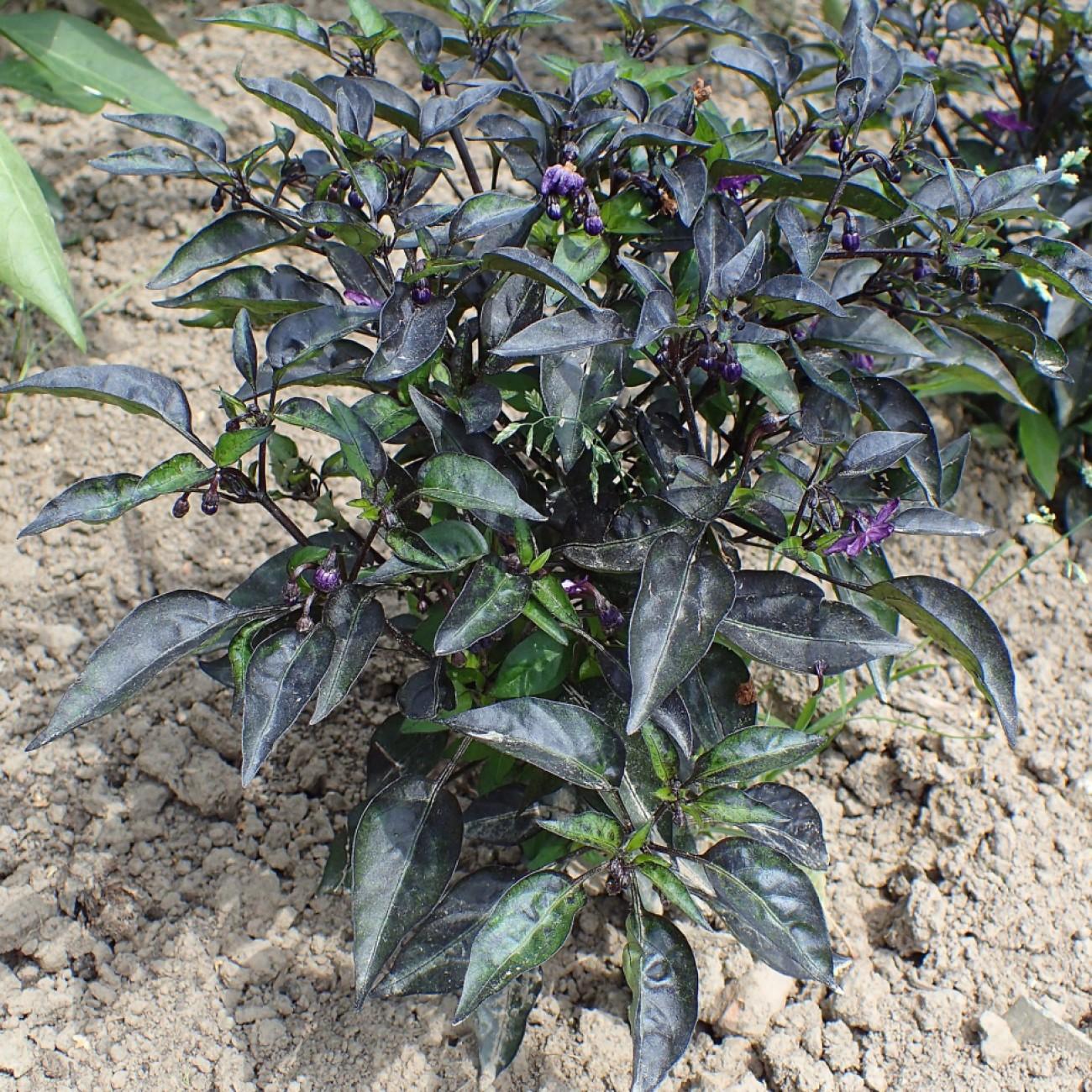
Cayenne Pepper: Benefits, Side Effects, Uses & Growing Guide
Learn all about cayenne pepper, including its nutritional benefits, potential side effects, culinary uses, and tips for growing your own Capsicum annuum at home.
2026-07-30 · 11 min read
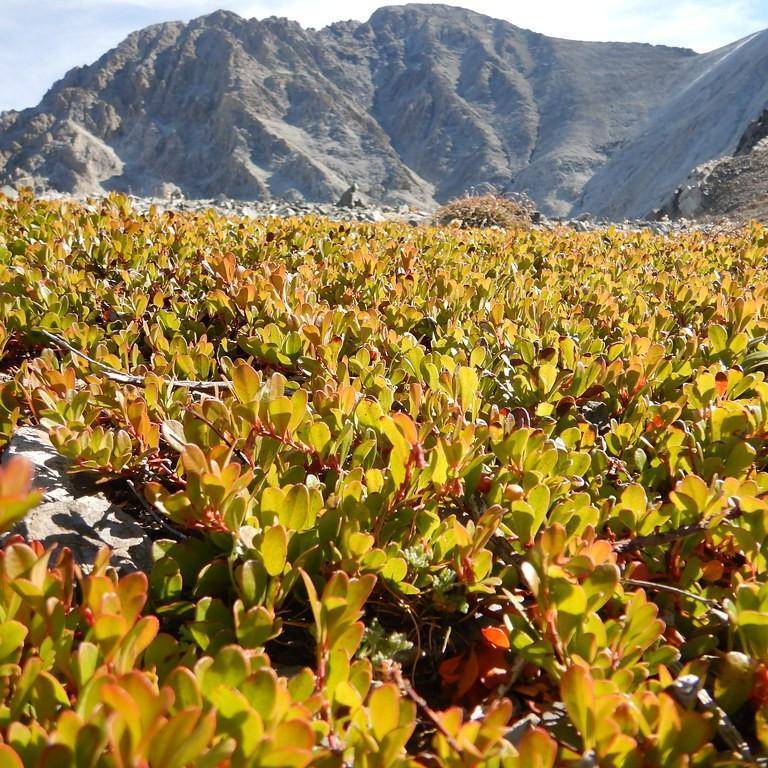
Common Ivy (Hedera Helix): Identification, Care, Uses, and Invasive Status
Learn all about common ivy, including key identification traits, indoor and outdoor care tips, common cultivars, and where it is classified as an invasive species.
2026-07-30 · 16 min read
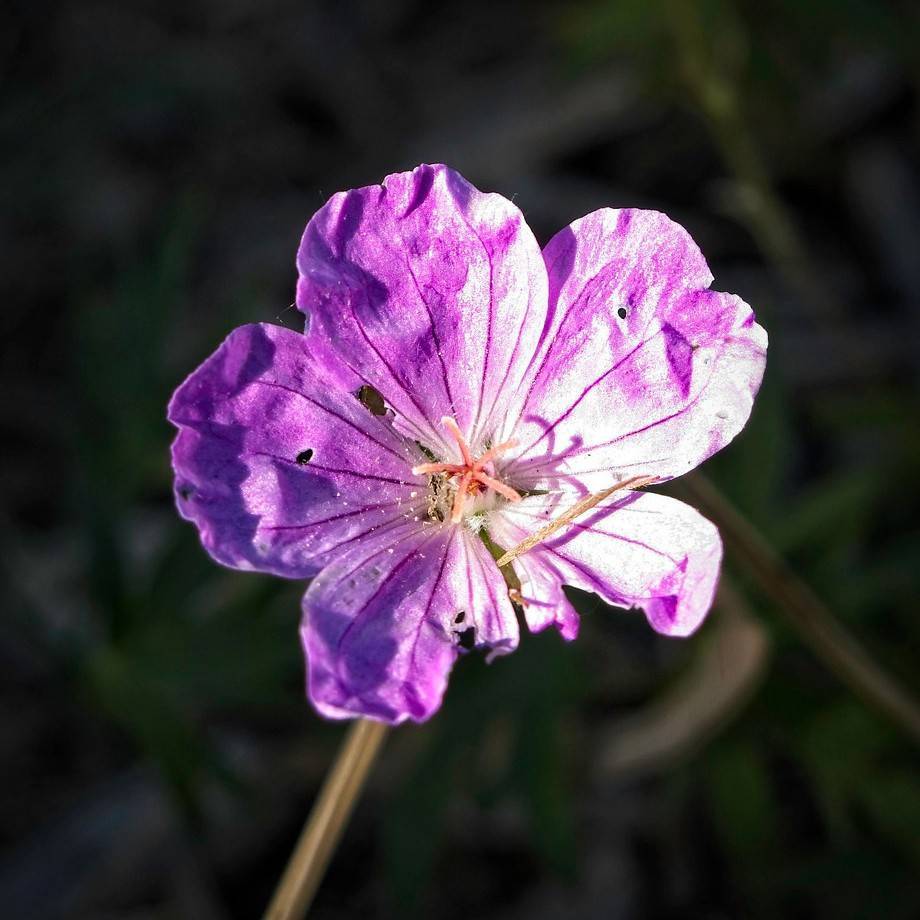
Bloody Cranesbill: Complete Care, Growing Guide, and Garden Ideas
Learn how to grow and care for bloody cranesbill (Geranium sanguineum), a low-maintenance, pollinator-friendly perennial ground cover for temperate gardens.
2026-07-29 · 11 min read