%22%2F%3E%0A%20%20%20%20%20%20%3Ccircle%20cx%3D%22920%22%20cy%3D%22180%22%20r%3D%2290%22%20fill%3D%22%23cfe8d5%22%2F%3E%0A%20%20%20%20%20%20%3Cpath%20d%3D%22M600%20590c-90-180-215-255-310-280%200%20165%20118%20296%20270%20296h40z%22%20fill%3D%22%2379b88e%22%2F%3E%0A%20%20%20%20%20%20%3Cpath%20d%3D%22M600%20590c80-150%20198-212%20302-228-8%20142-123%20255-270%20255h-32z%22%20fill%3D%22%235c9f73%22%2F%3E%0A%20%20%20%20%20%20%3Cpath%20d%3D%22M600%20610V360%22%20stroke%3D%22%234f8c64%22%20stroke-width%3D%2218%22%20stroke-linecap%3D%22round%22%2F%3E%0A%20%20%20%20%20%20%3Ctext%20x%3D%22600%22%20y%3D%22700%22%20text-anchor%3D%22middle%22%20font-family%3D%22Arial%2C%20sans-serif%22%20font-size%3D%2244%22%20fill%3D%22%23365c45%22%3E%0A%20%20%20%20%20%20%20%20Plant%20image%20coming%20soon%0A%20%20%20%20%20%20%3C%2Ftext%3E%0A%20%20%20%20%3C%2Fsvg%3E%0A%20%20)
taro
Colocasia esculenta 'Tropical Storm'
개요
Taro (Colocasia esculenta 'Tropical Storm') is an amazing plant species to have in your garden. It is fast-growing, with large ruffled leaves of deep green and a hint of grey running down the edges. Its thick, heart-shaped leaves bring a tropical feel to your garden. This plant is also drought-tolerant and can tolerate shade, making it an easy choice for many gardens. Its tropical storm coloration makes it a great addition to a shady corner, providing height, texture, and interest with its unique foliage and striking pattern. Easy to care for and very hardy, Taro makes a fantastic choice for a centerpiece or standout feature in your garden.
관리 가이드
물주기
Taro plants (Colocasia esculenta 'Tropical Storm') should be watered every 2-3 days, using approximately 2 cups of water at each watering. During the plant's active growing season, which is spring and summer, Taro plants should also be fertilized every 2-3 weeks with a balanced liquid fertilizer. During the fall and winter months, the amount of water and fertilizer should be reduced. It is important to remember not to over water or over fertilize your plant as this can cause root rot and other diseases.
빛
Taro (Colocasia esculenta 'Tropical Storm') prefers bright, indirect sunlight for 6 to 8 hours per day. This can be provided by a south or west facing window, or in the case of outdoor planting, a semi-sunny spot with some shade part of the day. Taro prefers morning sun, as it is less intense and less likely to cause sunburn than afternoon sun. If growing indoors, keep it away from cold drafts, and rotate the pot regularly so that it will grow evenly.
토양
Acidic, Bog, Humus rich
온도
Hardiness zone 8–10.
전정
Taro (Colocasia esculenta 'Tropical Storm') should be pruned once a year, in late winter or early spring. Pruning should be done selectively to remove dead, diseased, or damaged foliage and encourage the growth of new foliage. Start by removing any leaves that are more than 1-third of their original size, as these are likely dead or dying. If needed, gently trim back stems that have become long and top-heavy. Make sure to maintain the basic shape of the taro plant. Pruning taro is an important part of maintaining the overall health of the plant.
번식
Division
식물 병해
Common pests: Mites, Root rot, Virus, Pest resistant, Disease resistant .
Related plants
Other plants you might like if you grow taro.
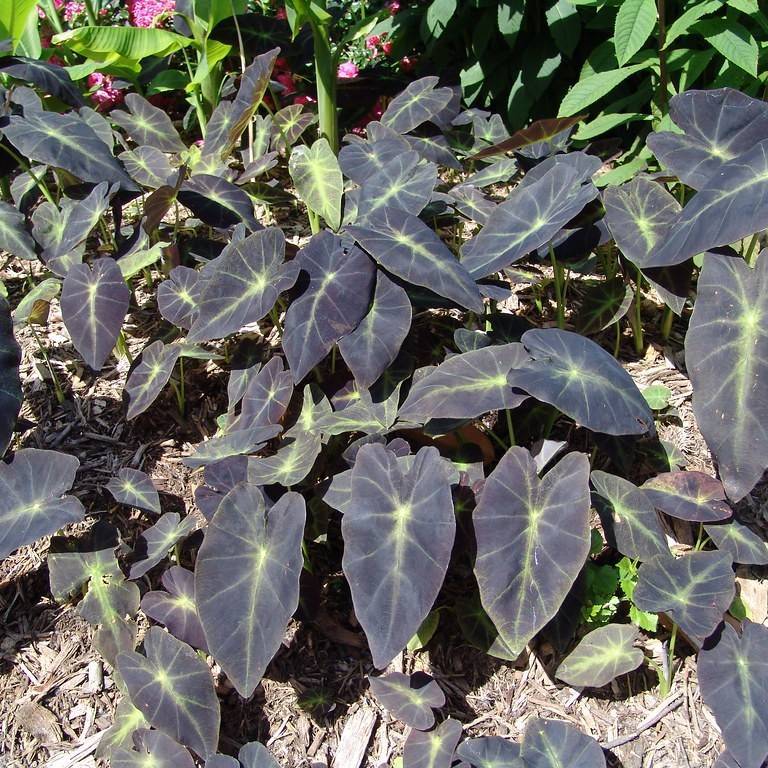
taro
Colocasia esculenta 'Black Magic'
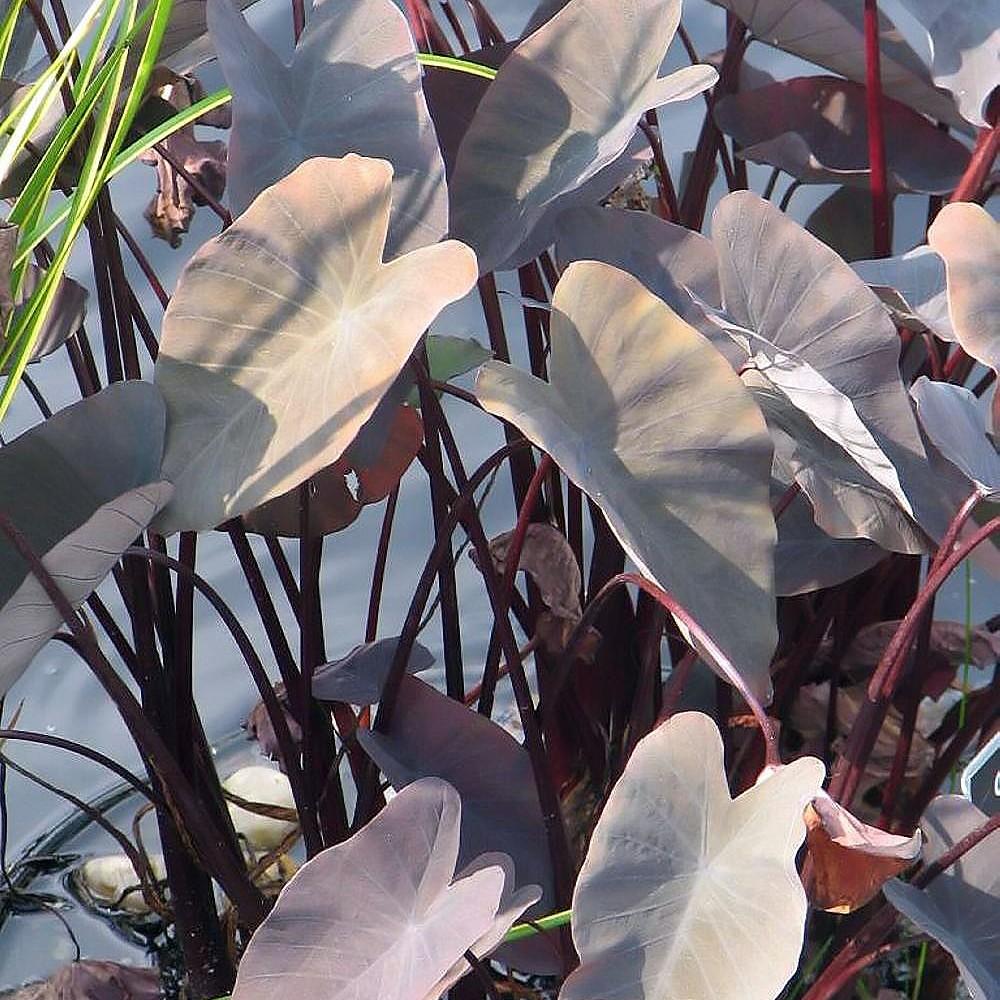
taro
Colocasia esculenta 'Black Ripple'
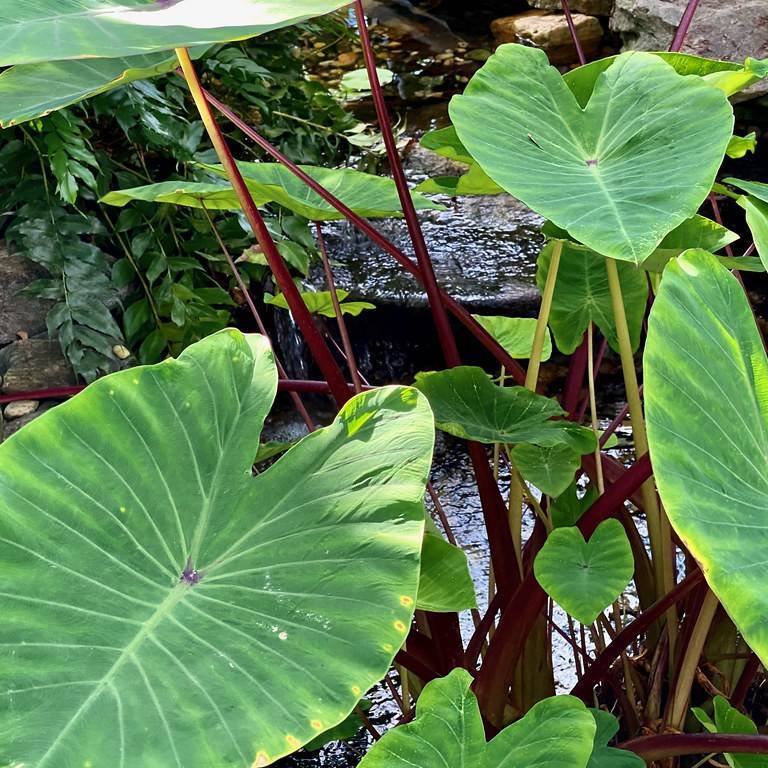
taro
Colocasia esculenta 'Blue Hawaii'
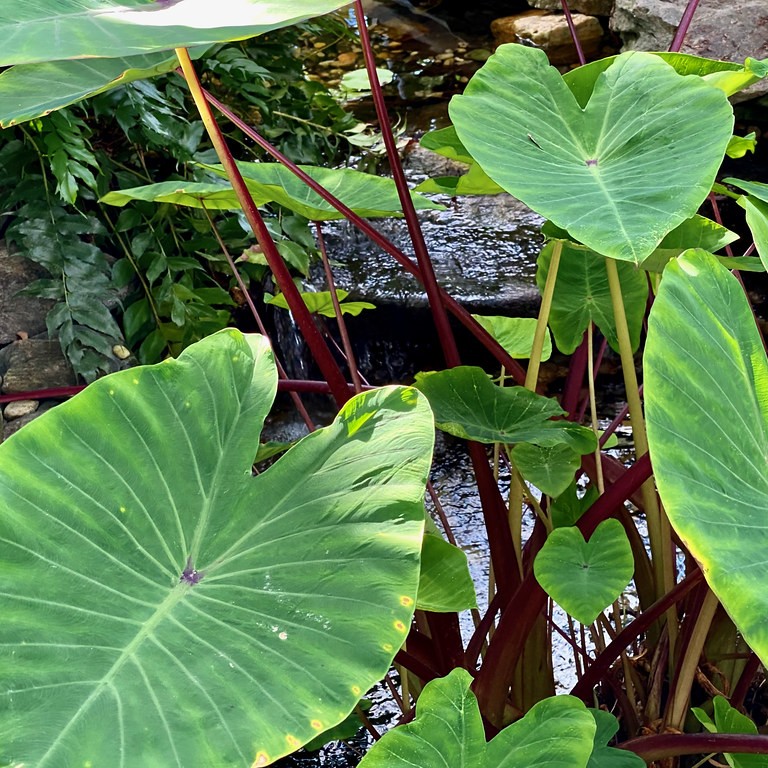
taro
Colocasia esculenta 'Hawaiian Punch'
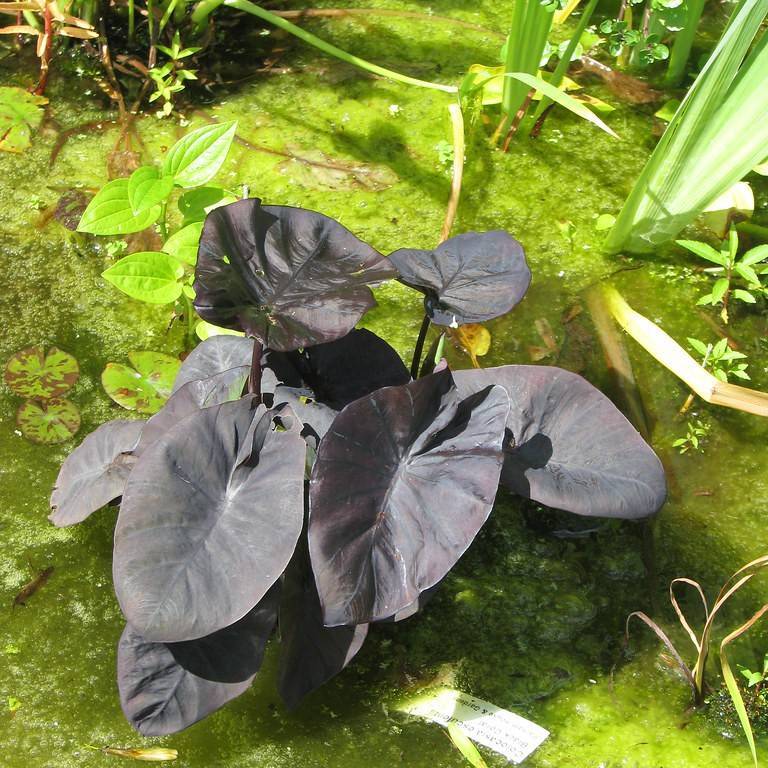
taro
Colocasia esculenta 'Kona Coffee'
taro
Colocasia esculenta 'Mojito'
taro
Colocasia esculenta 'Royal Hawaiian Aloha'
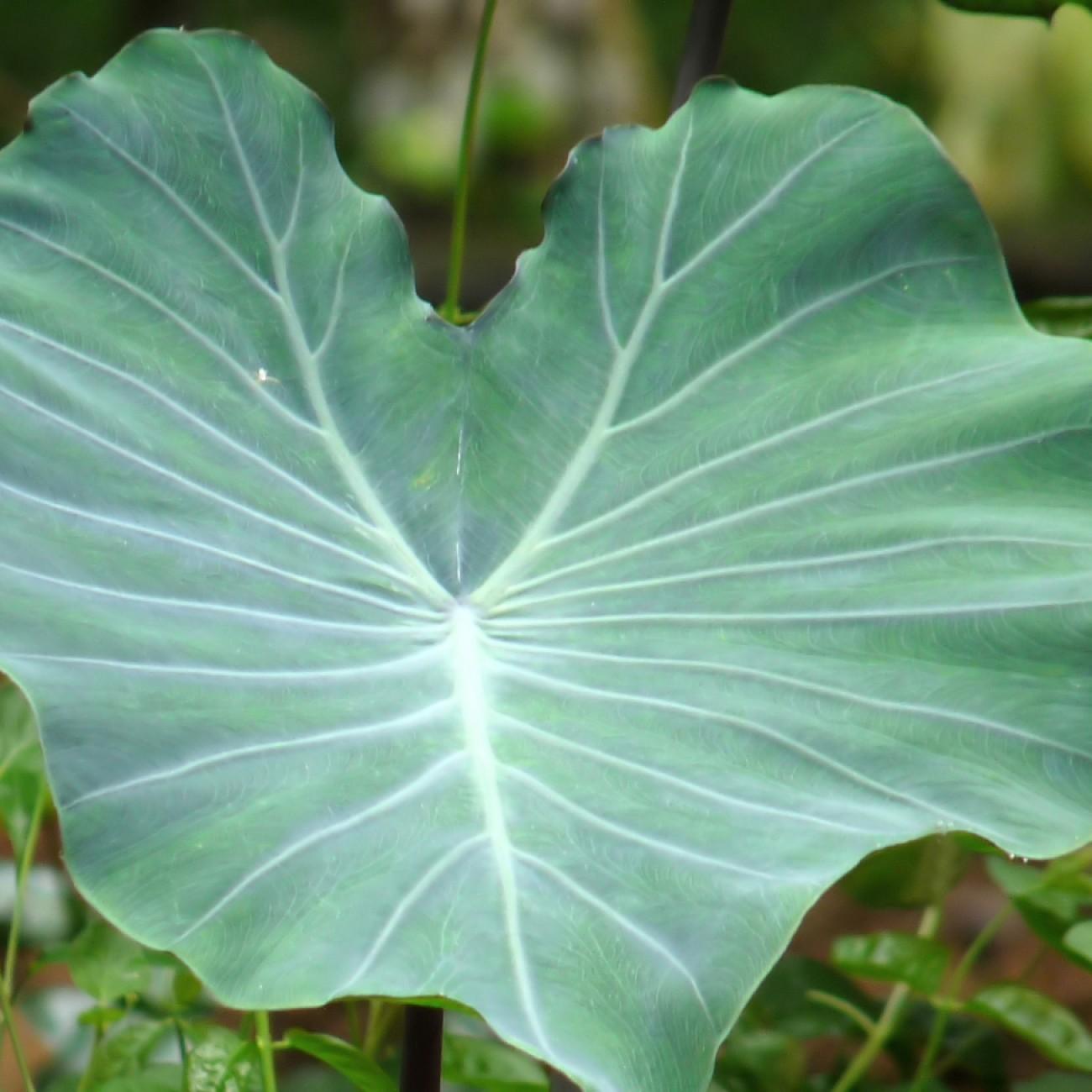
taro
Colocasia esculenta (vegetable group)