%22%2F%3E%0A%20%20%20%20%20%20%3Ccircle%20cx%3D%22920%22%20cy%3D%22180%22%20r%3D%2290%22%20fill%3D%22%23cfe8d5%22%2F%3E%0A%20%20%20%20%20%20%3Cpath%20d%3D%22M600%20590c-90-180-215-255-310-280%200%20165%20118%20296%20270%20296h40z%22%20fill%3D%22%2379b88e%22%2F%3E%0A%20%20%20%20%20%20%3Cpath%20d%3D%22M600%20590c80-150%20198-212%20302-228-8%20142-123%20255-270%20255h-32z%22%20fill%3D%22%235c9f73%22%2F%3E%0A%20%20%20%20%20%20%3Cpath%20d%3D%22M600%20610V360%22%20stroke%3D%22%234f8c64%22%20stroke-width%3D%2218%22%20stroke-linecap%3D%22round%22%2F%3E%0A%20%20%20%20%20%20%3Ctext%20x%3D%22600%22%20y%3D%22700%22%20text-anchor%3D%22middle%22%20font-family%3D%22Arial%2C%20sans-serif%22%20font-size%3D%2244%22%20fill%3D%22%23365c45%22%3E%0A%20%20%20%20%20%20%20%20Plant%20image%20coming%20soon%0A%20%20%20%20%20%20%3C%2Ftext%3E%0A%20%20%20%20%3C%2Fsvg%3E%0A%20%20)
carnation
Dianthus (Allwoodii Alpinus Group)
개요
The Carnation (Dianthus Allwoodii Alpinus Group) is an evergreen perennial, which adds beauty to any garden. Its clusters of delicate flowers come in a variety of shades, from white to pink to yellow, each heavily fringed and deliciously scented. The flowers bloom in spring and summer, sweetening up the garden with their aroma, and stay attractive all year since they look fresh even in winter. The extraordinary shade-tolerance of this plant makes it an exceptional selection for almost any location in the garden. Carnations require little maintenance and are easy to propagate. They are long-lasting and remain in bloom for weeks, which makes them an incredible addition to outdoor spaces.
관리 가이드
물주기
Carnations need to be watered regularly to keep their soil moist, but not overly saturated. During the growing season, water the carnations at least once a week, or when the top inch of soil is dry. During periods of hot weather, give them additional watering as needed. Be sure to water the soil deeply, and avoid wetting the foliage, which can cause disease. When watering, make sure the water does not directly contact the flower head as this can damage it. During the winter months, reduce the amount of water as the plant is dormant.
빛
Carnation (Dianthus (Allwoodii Alpinus Group)) plants prefer a lot of sunlight, with up to 6-8 hours of direct sunlight per day in its optimal growing environment. When grown outdoors, this plant should be placed in an area of the garden that receives full sun all day. For outdoor plants, try to provide morning to mid-day sun, especially during peak summer days when the temperatures soar. When grown indoors, place them in an area with a lot of sun such as a south-facing window. Provide indirect sunlight to prevent over-exposure. The optimal range of sunlight for a carnation plant is between 10-14 hours of daylight.
온도
Hardiness zone 6–8.
전정
When to prune carnations depends on the type and condition of the plants. For all carnation cultivars grown from cuttings, pinch back the growth tips of the shoots during early and middle summer to promote lateral branching of the shoots and to encourage better flowering. When the plants become too tall or leggy, prune back the stems to encourage new side shoots. Carnations that were not grown from cuttings, should be pruned back every spring to encourage new growth and to improve the health of the plant. To do this, cut back the stems by 1/3 or 1/2 of the previous year’s growth. Following the spring pruning, carnation stems may be further trimmed or pinched back to shape the plants, if desired. Doing so helps even out height and keeps the plants looking neat and healthy. Finally, some carnation cultivars may need to be cut back even more severely. When deadheading, or removing spent blooms, cut the stem back to just above a set of healthy green leaves, or to the base of the stem. This should be done early in the season to encourage new growth.
번식
Seed Propagation, Cutting, Division, Layering Propagation
Related plants
Other plants you might like if you grow carnation.
carnation
Dianthus 'Helen'
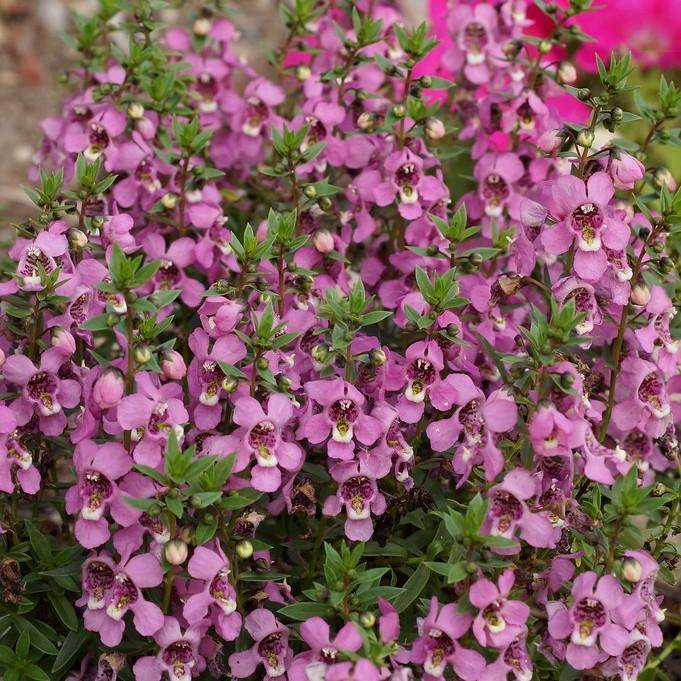
angelonia
Angelonia angustifolia
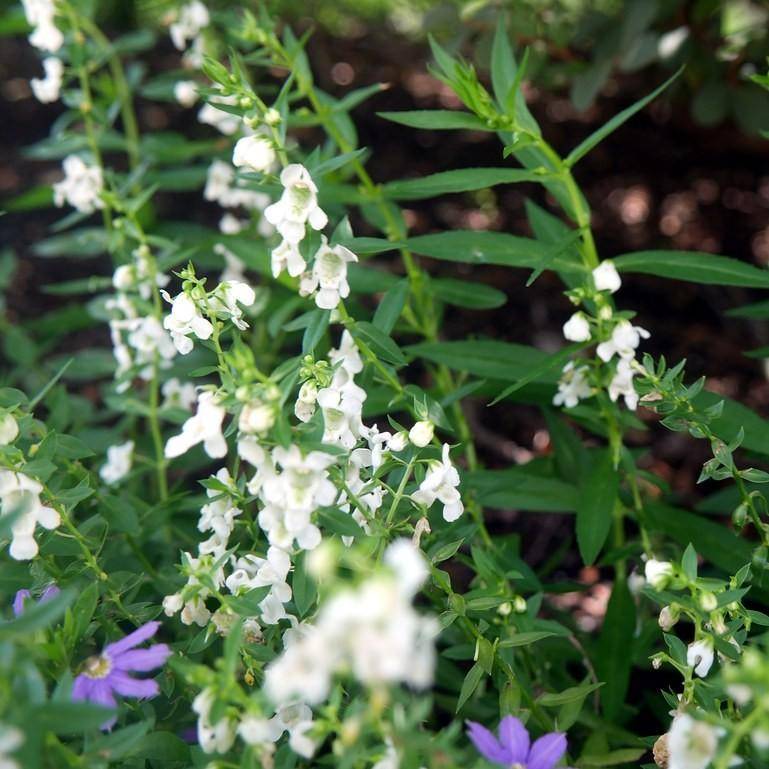
angelonia
Angelonia angustifolia SERENA MIXTURE
carnation
Dianthus caryophyllus 'Clarion'
carnation
Dianthus caryophyllus 'Vienna Mischung'
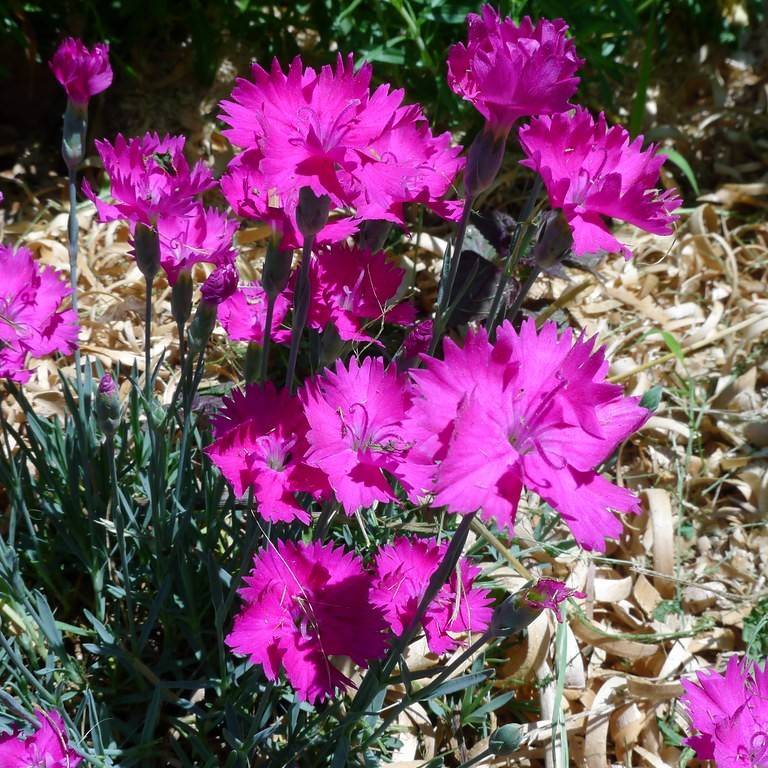
cheddar pink
Dianthus gratianopolitanus
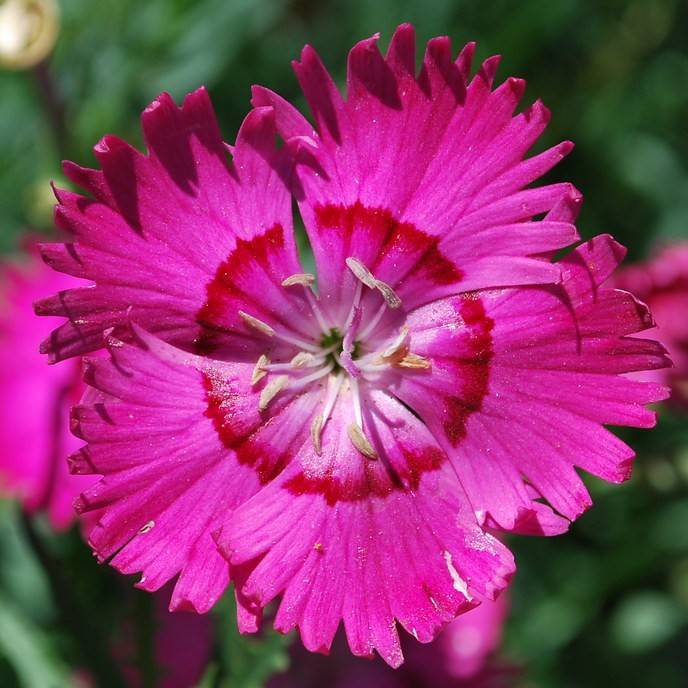
cheddar pink
Dianthus gratianopolitanus 'Grandiflorus'
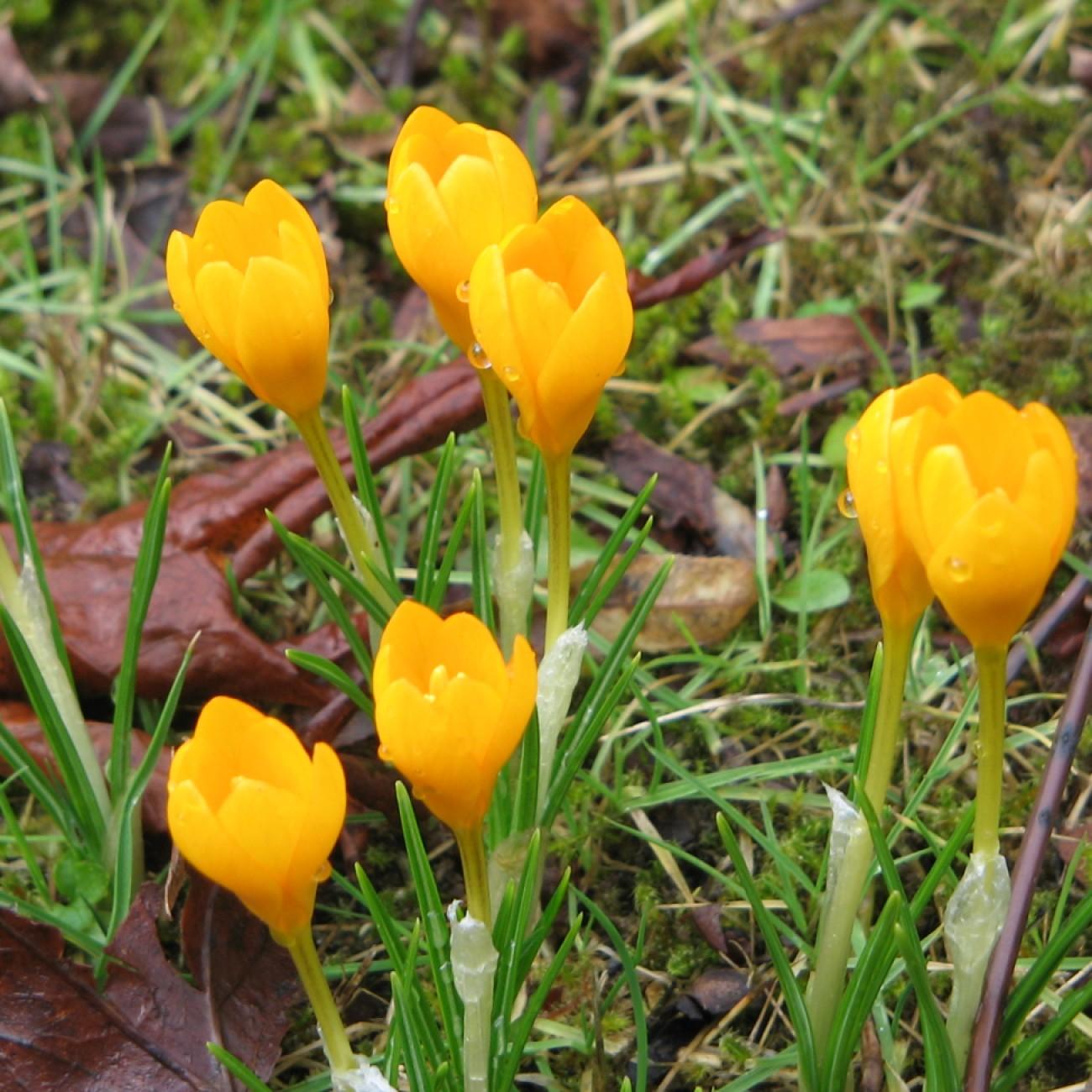
crocus
Crocus luteus 'Golden Yellow'