How to Care for Bird of Paradise: Watering, Propagation, and Beginner-Friendly Growing Tips
Your complete bird of paradise care guide covers watering schedules, propagation steps, and simple tips to keep your tropical plant thriving indoors or out.

Learning how to care for bird of paradise is simpler than many new plant parents assume, even if you are still getting the hang of indoor tropical plant care. This bold, statement plant with broad, fan-like leaves can thrive indoors year-round, or outdoors in warm, frost-free climates, with just a few basic consistent practices.
Bird of Paradise Care Guide: Beginner Basics
This bird of paradise care guide covers all the non-negotiable growing conditions you need to set your plant up for success, no guesswork required. First, confirm what variety you have: white and orange bird of paradise have slightly different light needs, and you can use Sproutly to snap a photo of your plant for an accurate ID in seconds.
Core care rules to follow:
- Light: Mature plants tolerate full sun, but most indoor plants do best in bright, indirect light for 6 to 8 hours a day. Low light will lead to stunted growth and no flower production for outdoor or mature indoor plants.
- Temperature: Keep plants in temperatures between 65 and 85°F. Avoid placing them near drafty windows, AC units, or heating vents, as sudden temperature drops can cause leaf drop.
- Humidity: As tropical plants, bird of paradise prefer 40 to 50% humidity. Dry indoor air often leads to brown leaf tips, especially in winter.
- Soil: Use a well-draining, peat-free potting mix formulated for tropical plants to prevent soggy roots.
If you are growing your bird of paradise outdoors, pair it with pet-safe outdoor trees to pair with your outdoor bird of paradise for a lush, low-risk garden that is safe for dogs and cats. You can also browse full-sun pet-safe plants for your garden for more companion planting ideas that thrive in the same bright conditions. For indoor growing, consider humidity-loving plants to grow alongside your bird of paradise to build a low-maintenance tropical collection that shares the same care needs.
Bird of Paradise Watering 101: Rules to Avoid Root Rot
Proper bird of paradise watering is the most important factor in keeping your plant healthy, as overwatering is the number one cause of premature death for this species. Follow these rules to avoid root rot and keep foliage lush:
- Always use a pot with drainage holes, and empty any standing water from the saucer immediately after watering to prevent roots from sitting in moisture.
- Water directly into the soil around the base of the plant, avoiding the central crown where leaves emerge. Trapped water in the crown can lead to mold and bacterial growth.
- Use filtered or rainwater if possible, as high fluoride and chlorine levels in tap water can cause unsightly brown leaf tips over time.
- If you struggle to remember watering routines, Sproutly can send you custom watering reminders tailored to your home’s specific light and humidity levels, so you never water too early or too late.
How Often to Water Bird of Paradise Plants
If you are wondering how often to water bird of paradise plants, the answer depends entirely on your specific growing environment. There is no one-size-fits-all rigid schedule, but there are simple guidelines to follow.
In spring and summer, when the plant is actively growing, most indoor bird of paradise need water every 1 to 2 weeks. In fall and winter, when growth slows, you can extend that timeline to every 2 to 4 weeks. Always use the finger test to confirm before watering: stick your index finger 2 to 3 inches into the soil, and only water if the top 2 inches feel completely dry to the touch.
Plants in bright, warm, south-facing windows will need water more often than those in low-light, cool corners of your home. If you notice yellowing leaves, that is often a sign of overwatering, while crisp, brown leaf edges usually mean the plant is under-watered or exposed to overly dry air.
Bird of Paradise Propagation: Simple Methods for Home Growers
Bird of paradise propagation is accessible for beginners, though it works best with mature, well-established plants that have outgrown their current pot. There are two reliable methods to try at home: division and seed.
Division is the easiest and most reliable method for most home growers, and it is best done during repotting in spring. Follow these steps:
- Gently remove the entire plant from its pot, and brush away excess soil from the root ball to expose the root clumps.
- Carefully separate clumps by hand, making sure each division has at least 2 to 3 healthy stems and a portion of intact, undamaged roots.
- Repot each division in its own appropriately sized pot with fresh, well-draining tropical potting mix, and water lightly to settle the soil.
- Keep the new plants in bright, indirect light for the first few weeks as they establish new roots.
Seed propagation is far slower and less reliable for indoor growers, as bird of paradise rarely flowers indoors to produce viable seeds. If you do source certified bird of paradise seeds, plant them 1/2 inch deep in moist seed-starting mix, and keep them in a warm, bright spot until germination, which can take 2 to 3 months. Use Sproutly to track your new propagation’s growth and get tailored care tips for young plants as they mature.
Common Bird of Paradise Care Mistakes to Avoid
Even the most attentive new growers run into small issues when learning how to care for bird of paradise. Watch for these common pitfalls, and adjust your routine as needed:
- Overwatering: Soggy soil leads to root rot, which can kill the plant quickly. Always use the finger test before watering, and never water on a fixed schedule without checking soil moisture first.
- Insufficient light: Bird of paradise will not produce their iconic flowers without enough bright light, and low light will lead to weak, leggy growth and small, pale leaves.
- Forgotten leaf cleaning: The broad leaves of the bird of paradise collect dust easily, which blocks sunlight absorption and slows growth. Wipe leaves down with a damp cloth every 2 to 3 weeks to keep them clean. If you notice unusual yellowing, spots, or leaf drop, you can snap a photo of your plant in Sproutly to diagnose stress symptoms fast and get targeted fixes.
FAQ
Can I bottom water my bird of paradise?
Yes, bottom watering is a great option for bird of paradise plants, as it encourages deep root growth and avoids overwatering the top layer of soil. Let the plant sit in a tray of water for 15–20 minutes, then remove any excess water left in the tray after that time.
How long does it take for a propagated bird of paradise to mature?
A bird of paradise propagated via division typically takes 2–3 years to reach full maturity and potentially produce flowers, while plants grown from seed can take 5–7 years to mature. You can speed up growth by providing bright, indirect light and regular fertilizing during the growing season.
Should I mist my bird of paradise?
Misting can help boost humidity for your bird of paradise, especially during dry winter months, but it’s not a substitute for proper watering. For best results, mist the leaves a few times a week, or place a humidifier near the plant to maintain 40–50% humidity levels.
Try Sproutly
Whether you are troubleshooting a stressed bird of paradise, tracking propagation growth, or building an entire tropical plant collection, Sproutly makes plant care simple. Identify unknown varieties, get custom care reminders, and diagnose common plant issues in seconds with just a photo. Try Sproutly today to keep all your plants thriving year-round.
관련 읽을거리
마음에 들 것 같은 더 많은 가이드
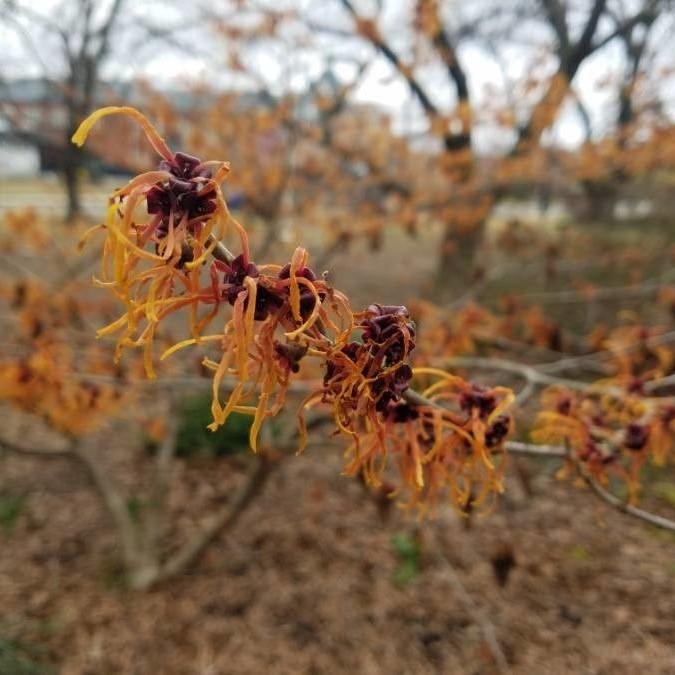
Hamamelis Mollis (Chinese Witch Hazel): Complete Grow & Care Guide
Learn to grow, care for, and enjoy Hamamelis mollis (Chinese witch hazel), a fragrant winter-blooming shrub with vibrant autumn foliage for temperate gardens.
2026-07-26 · 12 min read
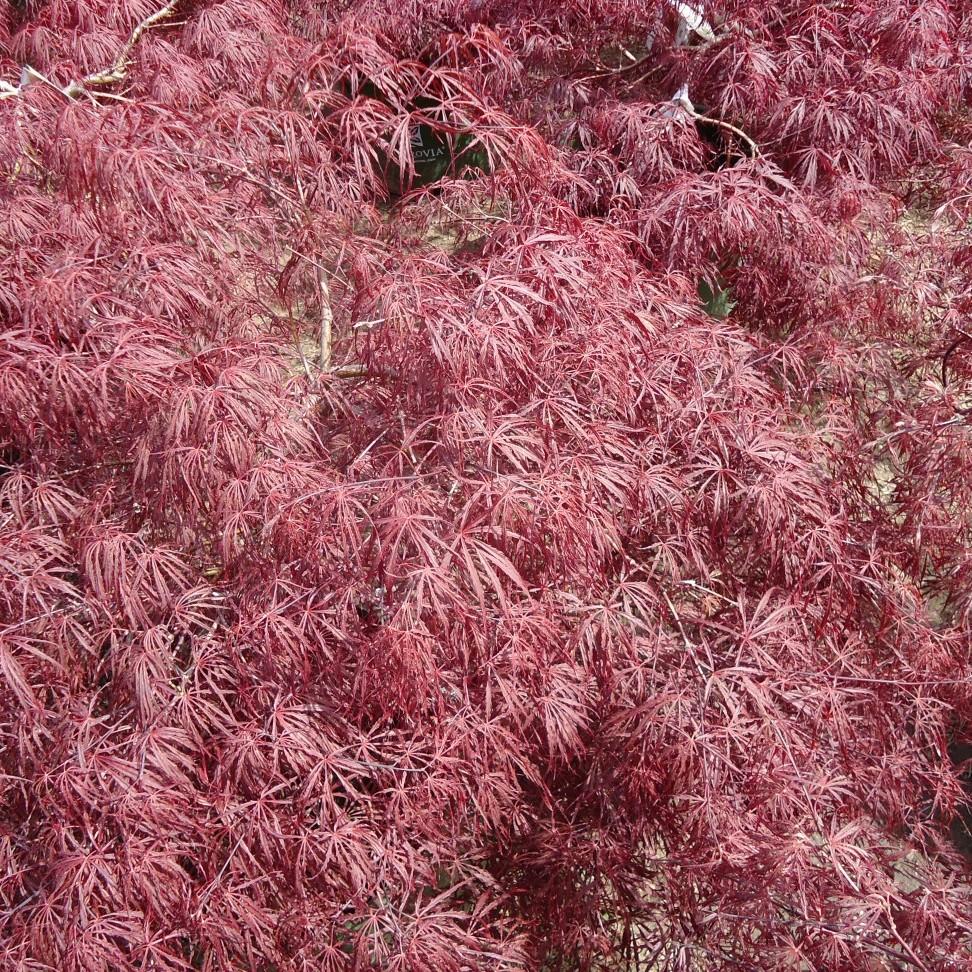
Japanese Maple Plant Description: Key Details for Iijima Sunago, Select Red, and Popular Cultivars
Get clear, beginner-friendly descriptions of Japanese maple trees, including specific details for Iijima Sunago and Select Red cultivars, plus care and pruning tips.
2026-07-26 · 8 min read
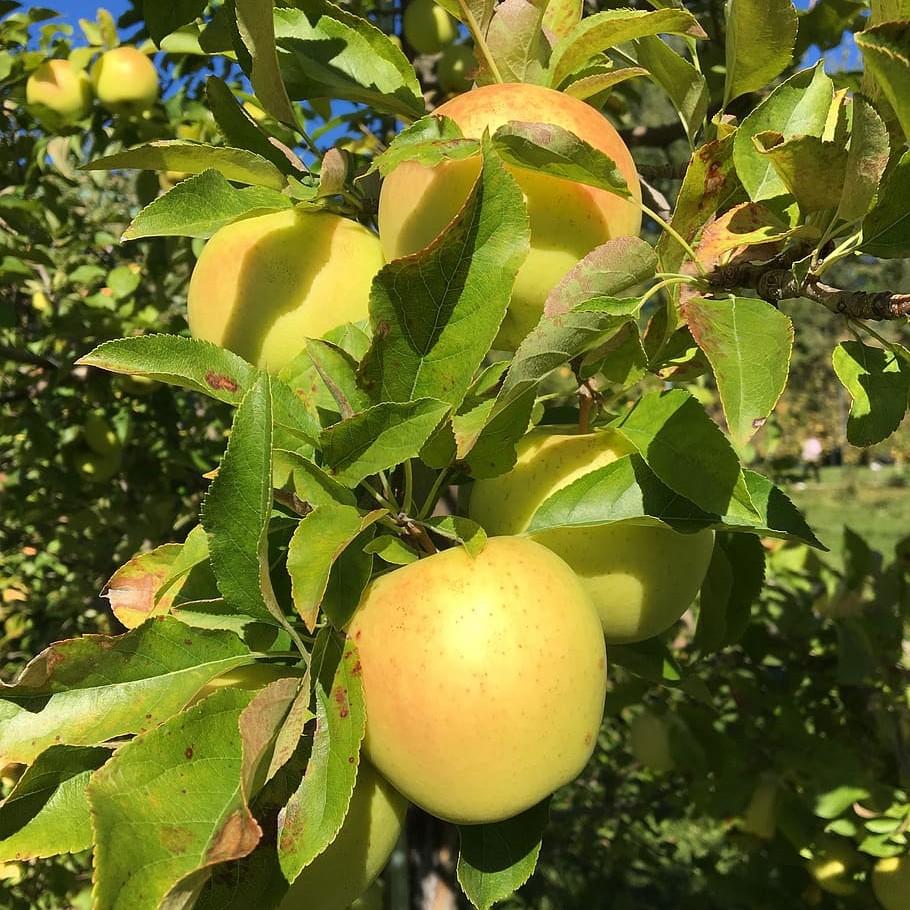
Flowering Crabapple: Grow Guide, Cultivars, and Landscape Uses
Learn to grow and care for flowering crabapple trees, with tips on cultivar selection, bloom care, disease resistance, and using their edible fruit and seasonal foliage.
2026-07-25 · 11 min read