Caryopteris Clandonensis Heavenly Blue: Care, Size, and Growing Guide
Learn how to grow and care for Caryopteris Clandonensis Heavenly Blue, a pet-safe, flowering bluebeard shrub ideal for full-sun gardens.
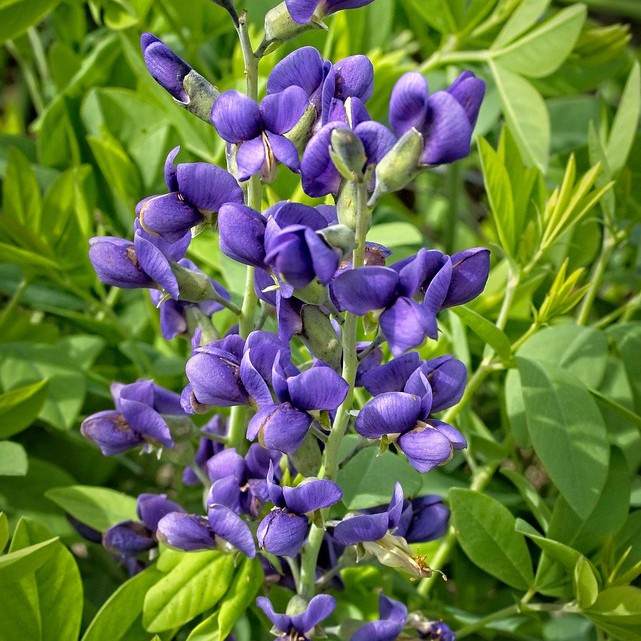
Caryopteris Clandonensis Heavenly Blue: Care, Size, and Growing Guide
Caryopteris clandonensis Heavenly Blue is a compact, pet-safe deciduous bluebeard shrub that produces deep purple-blue fragrant blooms from late summer to early fall. It thrives in full-sun USDA zones 5–9, requires well-drained soil, and needs only minimal annual maintenance to grow successfully.
What Is Caryopteris Clandonensis Heavenly Blue?
Caryopteris clandonensis Heavenly Blue is a compact, deciduous flowering shrub in the bluebeard cultivar family, prized for its deep purple-blue fragrant blooms that appear from late summer to early fall. It is classified as a small tree/shrub, is non-toxic to dogs and cats, and thrives in outdoor full-sun environments.
Key Traits of Heavenly Blue Bluebeard
- Bloom period: August to October in USDA zones 5–9
- Foliage: Aromatic, gray-green leaves that release a mild herbal scent when crushed
- Pollinator appeal: Attracts bees, butterflies, and hummingbirds throughout its bloom window
- Pet-safe: No known toxic compounds if ingested by dogs or cats
If you’re unsure if your shrub is this specific cultivar, upload a photo to Sproutly for fast, accurate plant identification to confirm you’re following the correct care routine. For more details on related varieties, browse our full bluebeard cultivar library.
Ideal Position for Caryopteris Clandonensis Heavenly Blue
Caryopteris clandonensis Heavenly Blue requires a full-sun position with a minimum of 6 hours of direct, unfiltered sunlight per day to produce dense blooms and avoid leggy growth. It can tolerate partial shade, but flowering will be sparse and stems may become weak and prone to breakage.
Position Tips for Different Garden Layouts
- Plant on south or west-facing garden borders to maximize sun exposure
- Avoid low-lying areas where cold air pools, as this can damage new spring growth
- Space plants 2–3 feet away from structures or larger shrubs to prevent shading and ensure adequate air circulation
Caryopteris Clandonensis Heavenly Blue Size: Max Height and Spread
Mature Caryopteris clandonensis Heavenly Blue reaches a max height of 2–3 feet and a max spread of 2–3 feet when grown in optimal conditions, making it a compact option for small gardens, container planting, or low border hedges. Its size is consistent across most USDA hardiness zones, with only minimal height variation in warmer, longer growing seasons.
Expected Size By Age
- 1 year after planting: 12–18 inches tall, 12 inches wide
- 2–3 years after planting (mature): 24–36 inches tall, 24–36 inches wide
- Pruning in early spring can reduce overall size by up to 50% for smaller garden spaces
Recommended Soil Types for Heavenly Blue Bluebeard
Caryopteris clandonensis Heavenly Blue grows best in well-drained, sandy or loamy soil with a neutral to slightly alkaline pH between 6.5 and 7.5. It is highly drought-tolerant once established, but will not survive in heavy, waterlogged clay soil that holds moisture for more than 24 hours after rain or watering.
Soil Amendment Tips for Poor Quality Soil
- For clay soil: Mix 2 inches of compost and 1 inch of coarse sand into the top 12 inches of planting soil to improve drainage
- For acidic soil: Add 1 cup of ground limestone per 10 square feet of planting area to raise pH to the ideal range
- Avoid adding high-nitrogen soil amendments, as these will encourage leaf growth over flower production
Full Growing Conditions for Caryopteris Clandonensis Heavenly Blue
Caryopteris clandonensis Heavenly Blue grows best in USDA hardiness zones 5–9, with average summer temperatures between 65–85°F and winter lows down to -20°F. It is humidity-loving, tolerating average to high humidity levels up to 80% without developing fungal disease, as long as it has adequate air circulation.
Seasonal Growing Condition Adjustments
- Spring: Wait until after the last frost to plant, as new growth is sensitive to freezing temperatures
- Summer: Provide 1 inch of water per week during extended periods of 90°F+ heat to prevent leaf drop
- Winter: Mulch around the base of the plant with 2 inches of wood chips to insulate roots in zones 5 and 6
Log your local temperature and humidity levels in Sproutly to get customized watering and care alerts tailored to your specific growing conditions.
How to Grow Caryopteris Clandonensis Heavenly Blue
Plant Caryopteris clandonensis Heavenly Blue in early spring after the last frost, digging a hole twice as wide as the root ball and the same depth, so the top of the root ball sits level with the soil surface. Backfill with amended soil, water thoroughly, and add a 1-inch layer of mulch around the base to retain moisture and suppress weeds.
Ongoing Growing Maintenance
- Water new plants 1–2 times per week for the first 3 months to help roots establish
- Fertilize once per year in early spring with a balanced 10-10-10 slow-release fertilizer, applied at half the recommended rate to avoid overfeeding
- Prune back all stems to 6–12 inches above the soil line in early spring before new growth emerges to encourage dense, bushy growth and heavy flowering
If you notice stunted growth or discolored leaves, use Sproutly to scan your plant for common issues like root rot or nutrient deficiencies to address problems early.
How to Save a Struggling Caryopteris Clandonensis Heavenly Blue
The most common causes of decline in Caryopteris clandonensis Heavenly Blue are overwatering, insufficient sunlight, and cold damage to new spring growth. To save a struggling plant, first identify the root cause, then adjust care routines immediately to reverse damage before it becomes permanent.
Rescue Steps for Common Issues
- Yellow, wilting leaves (overwatering): Stop watering immediately, dig up the plant if root rot is present, trim away mushy brown roots, and replant in fresh, well-drained soil
- Sparse blooms and leggy growth (insufficient sun): Transplant the shrub to a full-sun location with 6+ hours of direct light per day, or prune back surrounding plants that are blocking sunlight
- Frost-damaged new growth: Trim away all black, mushy stems down to healthy green wood, and cover new growth with a frost cloth if future late frosts are forecast
How Caryopteris Clandonensis Heavenly Blue Compares to Other Bluebeard Cultivars
Caryopteris clandonensis Heavenly Blue has deeper purple-blue blooms than the pale blue 'Blue Mist' cultivar, and a more compact size than the 4-foot tall 'Dark Knight' and 'Longwood Blue' cultivars. Unlike the medicinal GRAND BLEU and variegated STERLING SILVER cultivars, Heavenly Blue is grown primarily for its long-lasting, abundant blooms.
Key Cultivar Differences
- vs. 'Blauer Splatz' SAPPHIRE SURF: Heavenly Blue has a slightly wider spread and larger individual flower clusters
- vs. 'Arthur Simmonds': Heavenly Blue has consistent dark blue blooms, while 'Arthur Simmonds' may have lighter blue flowers in cooler growing conditions
- vs. Caryopteris Clandonensis 'Dark Knight' care guide: Heavenly Blue grows 1 foot shorter on average, with lighter purple-blue blooms
- vs. Caryopteris Clandonensis 'Longwood Blue' profile: Heavenly Blue has a denser, more rounded growth habit and smaller flower clusters
Frequently Asked Questions
Is Caryopteris Clandonensis Heavenly Blue pet-safe?
Yes, Caryopteris Clandonensis Heavenly Blue is non-toxic to dogs and cats, so it is safe to plant in yards accessible to pets.
When does Caryopteris Clandonensis Heavenly Blue bloom?
Caryopteris Clandonensis Heavenly Blue blooms from late August to early October in most growing zones, providing color in the garden after many other summer flowering shrubs have finished blooming.
How much sun does Heavenly Blue bluebeard need?
Heavenly Blue bluebeard needs a minimum of 6 hours of direct, unfiltered sunlight per day to produce dense, abundant blooms and avoid leggy growth.
Can I grow Caryopteris Clandonensis Heavenly Blue in a container?
Yes, you can grow this cultivar in a 12–14 inch diameter container with drainage holes, as its mature 2–3 foot size is well-suited to container planting. Be sure to use well-drained potting mix and water when the top 2 inches of soil feel dry.
How do I prune Caryopteris Clandonensis Heavenly Blue?
Prune all stems back to 6–12 inches above the soil line in early spring before new growth emerges. This encourages dense, bushy growth and heavy flowering, as blooms form on new wood each year.
Caring for Your Heavenly Blue Bluebeard Long-Term
Caryopteris clandonensis Heavenly Blue is a low-maintenance shrub that requires minimal care once established, with a typical lifespan of 10–15 years in optimal growing conditions. Regular pruning, annual fertilization, and monitoring for common pests like four-lined plant bugs will keep your plant healthy and blooming consistently year after year.
For personalized care reminders and fast pest and disease identification, add your Caryopteris clandonensis Heavenly Blue to your Sproutly plant library to get custom alerts tailored to your specific location and growing conditions.
Try Sproutly today to track your plant’s growth, identify issues early, and access personalized care tips for every shrub in your garden.
관련 읽을거리
마음에 들 것 같은 더 많은 가이드
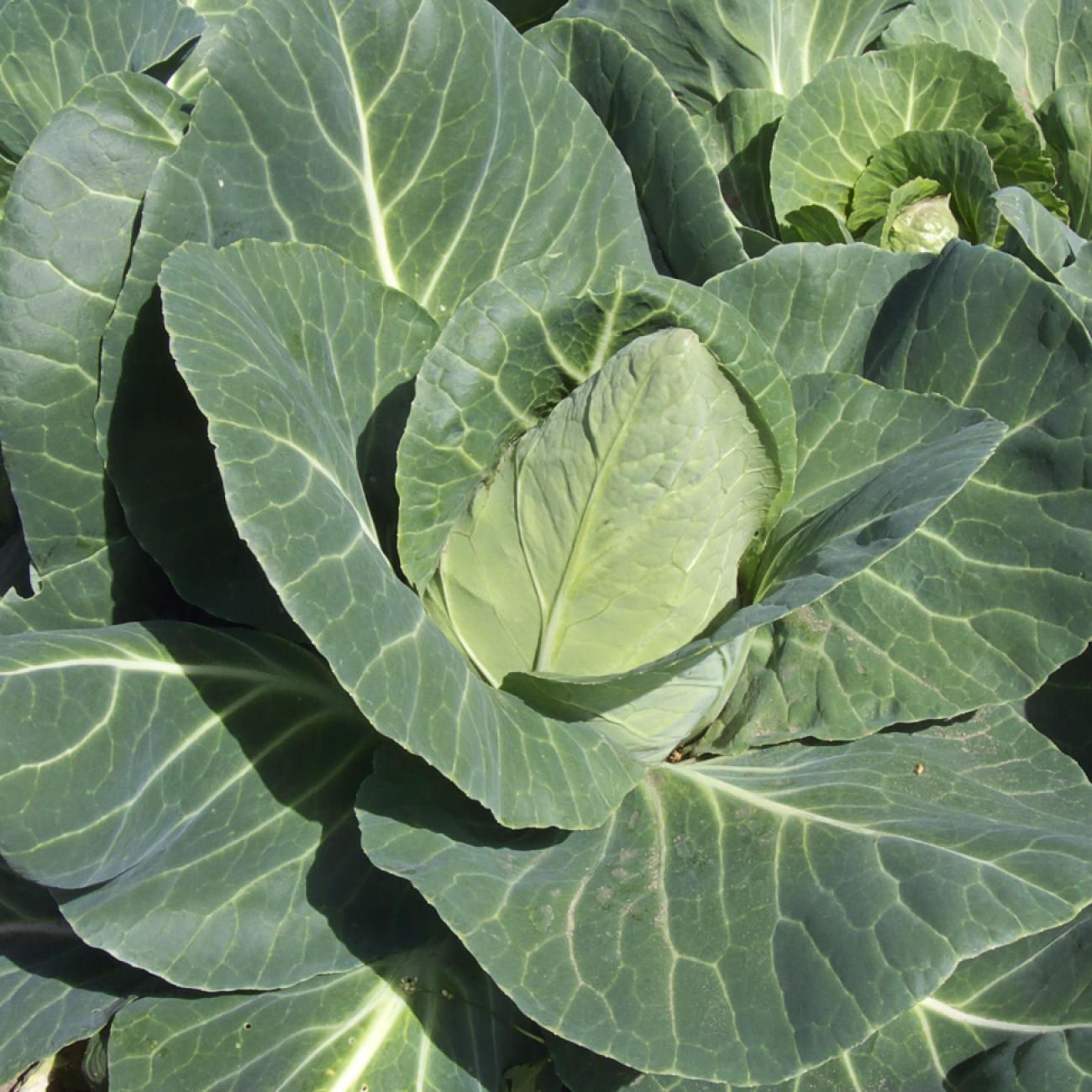
Cabbage: Types, Growing Guide, Benefits, and How to Use It
Learn all about cabbage, including common cultivars, how to grow it at home, nutritional benefits, and popular uses in cooking and landscaping.
2026-07-02 · 13 min read
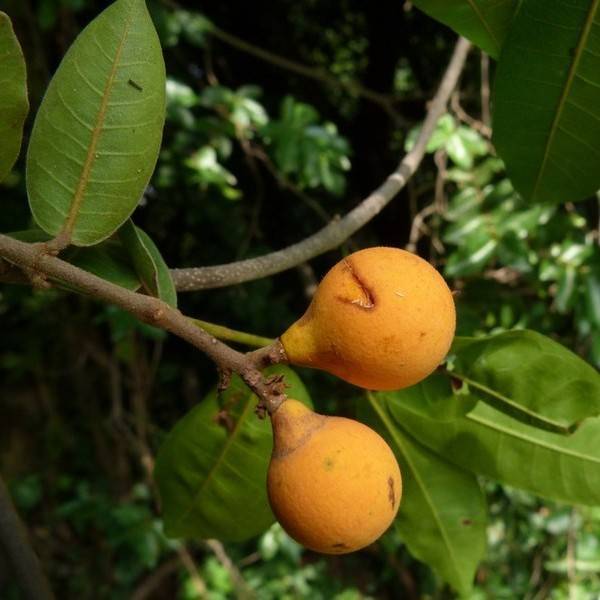
Jackfruit Tree: Growing, Care, Harvesting, and Key Facts for Home Growers
Learn how to grow, care for, and harvest a jackfruit tree, plus key facts about its fruit, health benefits, and ideal growing conditions.
2026-07-01 · 19 min read
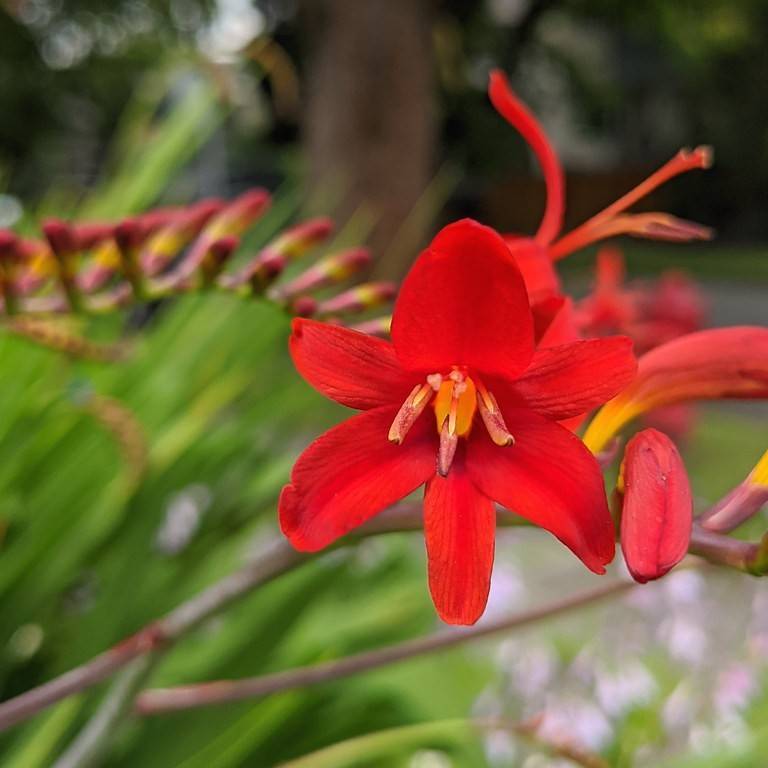
Montbretia Lucifer: Complete Care, Growing, and Design Guide
Learn how to grow and care for montbretia Lucifer, a vibrant red-flowering crocosmia cultivar ideal for sunny, humid garden beds and pollinator-friendly landscapes.
2026-07-01 · 11 min read