AI Plant Tools: How to Use AI to Identify, Care for, and Grow Healthier Plants
Learn how AI plant tools simplify plant identification, custom care scheduling, and troubleshooting to keep your houseplants and outdoor greenery thriving.
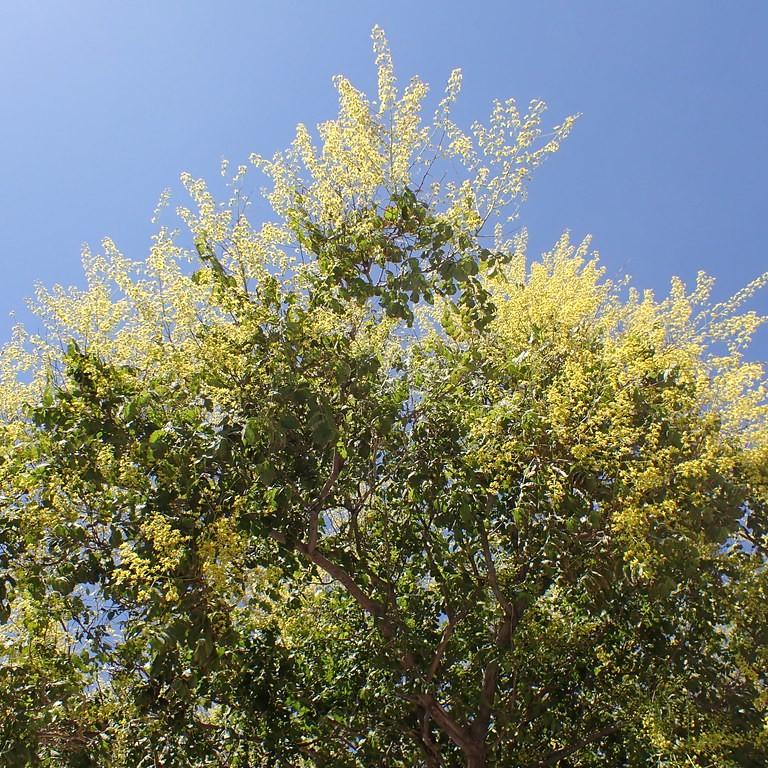
AI plant tools use machine learning trained on millions of verified plant images and care data points to help growers identify unknown species, build custom care schedules, and diagnose pest or nutrient issues before they become fatal. Most tools work by processing user-uploaded photos, cross-referencing visual features with their datasets to deliver accurate, personalized results in seconds.
What Are AI Plant Tools, and How Do They Work?
AI plant tools use machine learning models trained on millions of verified plant images and care data points to identify species, generate custom care plans, and diagnose common issues like pest damage or nutrient deficiencies. Most tools work by processing photos you upload, cross-referencing visual features with their training datasets to deliver accurate, personalized results.
Models are trained on both visual traits (leaf shape, flower color, growth habit) and non-visual care data (native climate, water needs, pest susceptibility) to serve more than just identification results. Premium tools like Sproutly tie identification directly to care tracking, so you can set up reminders for a species as soon as you confirm its ID.
Key Uses for AI Plant Tools for Home Growers
Plant AI tools serve three core functions for casual and dedicated growers alike: identifying unknown plants, building custom care schedules tailored to your environment, and troubleshooting stress signs before they become fatal. Many tools also track growth progress and flag seasonal care adjustments to match your plant’s natural growth cycle.
Common use cases for outdoor growers include:
- Identifying volunteer plants that sprout in garden beds without prior planting
- Adjusting watering schedules for periods of unusual drought or heavy rain
- Diagnosing unexplained leaf discoloration or stunted growth
- Confirming if a new plant is safe for pets or children before adding it to your yard
How to Use an AI Plant Tool to Identify Unknown Outdoor Species
To get the most accurate identification results, take a clear, well-lit photo of the plant’s most distinct feature—whether that’s its foliage, flowers, or fruit—before uploading it to your tool of choice. For example, if you spot a low-growing shrub with purple foliage and tiny burr-like flowers in your yard, an AI plant tool can quickly identify it as Acaena inermis 'Purpurea' and confirm it is pet-safe and thrives in full sun.
Follow this simple step-by-step process for reliable results:
- Locate the plant’s most unique feature (variegated leaves, unusual blooms, distinct bark)
- Take a photo of that feature in natural light, avoiding blurriness or shadow coverage
- Upload the photo to your tool, and add context if prompted (your location, if the plant is growing in sun or shade)
- Compare the top matches to your plant’s physical traits to confirm the correct ID
3 Photo Tips for Accurate AI Plant Identification
Even the most well-trained models rely on high-quality input to return correct matches. These small adjustments can reduce the chance of misidentification significantly.
- Take close-up shots of 1–2 individual leaves, not just the full plant canopy, to capture vein patterns and edge shape
- Include a photo of any flowers, fruit, or new growth, as these are often the most distinct traits for a species
- Avoid including unrelated objects (garden tools, other plants) in the frame, as they can distract the model from the target plant
What to Do If Your AI Tool Returns Multiple Matches
It is common for tools to return 2–3 close matches for species with very similar visual traits, like different cultivars of the same genus. You can narrow down results by cross-referencing each match’s care needs with your growing conditions. For example, if one match requires full sun and another requires partial shade, you can eliminate the option that does not match the spot your plant is growing in. For high-stakes identifications, such as if you suspect a plant may be toxic, cross-reference results with a local nursery or extension office.
Customizing Care Plans for Full-Sun Outdoor Plants With Plant AI
Most full-sun outdoor plants, including Abelia 'Rose Creek' and Abyssinian banana, require consistent humidity and regular watering during their active growing season, but care needs vary by species and your local climate. Plant AI tools factor in your location, average temperature, and rainfall levels to adjust care recommendations, such as reminding you to water drought-tolerant Agave geminiflora RASTA MAN only once every 2–3 weeks during the summer.
Generic care guides often use one-size-fits-all advice that does not account for regional variables, like the 40+ inches of annual rainfall common in the Pacific Northwest or the low humidity of the Southwest desert. AI tools eliminate this guesswork by pulling local weather data to adjust schedules automatically, so you do not overwater succulents during a wet spring or underwater shrubs during a summer heatwave.
How AI Adjusts Care for Humidity-Loving Flowering Shrubs
Humidity-loving flowering shrubs like Abelia 'Edward Goucher' require extra moisture in dry climates to support consistent bloom production, but overwatering can lead to root rot if soil does not drain well. AI tools will recommend more frequent foliar misting or mulching to retain soil moisture if you live in an arid region, and suggest reduced watering if you live in an area with high natural humidity. You can reference the ai plant care guide for Abelia 'Edward Goucher' for a full breakdown of its specific water and light needs.
Seasonal Care Reminders for Temperate Climate Plants Like Alexandrina Saucer Magnolia
Temperate climate deciduous plants like the Alexandrina Saucer Magnolia have very different care needs during their dormant winter season than they do during their spring bloom period. AI tools will send reminders for seasonal tasks like fertilizing in early spring before new growth appears, or protecting young trunks from frost damage if you live in a region that sees regular winter freezes. For full species-specific seasonal guidance, check the Alexandrina Saucer Magnolia growing requirements.
Troubleshooting Common Plant Stress Signs Using AI Plant Tools
If your Ajania pacifica has brown leaf edges despite regular watering, an AI plant tool can diagnose the issue as coastal salt burn, a common stressor for plants grown in seaside climates, and recommend flushing the soil with fresh water once per month to reduce buildup. Tools can also flag early signs of aphid infestations or fungal disease, even for beginner growers who may not recognize subtle visual cues.
To troubleshoot a stressed plant, upload clear photos of the affected foliage, plus context about your recent care routine (when you last watered, if you have applied fertilizer recently, and any recent extreme weather). The tool will cross-reference the visual damage signs with common issues for that species and your local climate to deliver targeted fixes, rather than generic advice that may not apply to your specific situation. For drought-tolerant species like the Agave geminiflora RASTA MAN, tools will also flag early signs of overwatering, which is the leading cause of death for succulents. You can find more species-specific troubleshooting advice in the Agave geminiflora RASTA MAN care tips guide.
Limitations of AI Plant Tools to Keep in Mind
AI plant tools are most accurate for common, well-documented species, but may struggle to identify rare cultivars or plants grown in non-ideal conditions that distort their typical appearance. For example, a variegated Abelia 'Edward Goucher' grown in partial shade may have less distinct foliage patterning, leading to less confident matches. Always cross-reference critical care advice for pet-toxic or medicinal species, like Alangium platanifolium, with a local extension office if you have questions.
Other common limitations include:
- Difficulty identifying plants that are severely damaged, as their key visual traits may be obscured
- Less accurate care recommendations for plants grown in containers, which have different water and nutrient needs than in-ground specimens
- Inability to diagnose very rare pest or disease issues that are not widely documented in the model’s training data
FAQ: AI Plant Tools
What can an AI plant tool do for me as a casual outdoor gardener?
An AI plant tool can identify unknown plants in your yard, generate custom watering and fertilizing schedules tailored to your local climate, and diagnose common stress signs like yellow leaves or pest damage before they kill your plants. Many tools also flag if a species is pet-safe, so you can avoid planting toxic varieties if you have dogs or cats that spend time outside.
How accurate is plant AI for identifying rare outdoor shrubs?
Plant AI accuracy varies based on how common the species is and the quality of the photo you upload. It works very well for widely grown cultivars like Abelia 'Rose Creek' and Ajania pacifica, but may return less confident matches for rare or regional varieties. Always cross-reference rare plant IDs with a local nursery or extension office for confirmation.
Can AI plant tools create care plans for drought-tolerant succulents?
Yes, most AI plant tools are trained on care data for drought-tolerant species like Agave geminiflora RASTA MAN, and will recommend extended watering intervals (usually every 2–3 weeks in warm weather) to avoid overwatering, which is the most common cause of succulent death. Tools will also adjust recommendations if you live in an unusually wet or dry climate.
Do I need any special equipment to use an AI plant tool?
No, all you need is a smartphone or camera to take clear photos of your plant’s foliage, flowers, or fruit, and an internet connection to upload the image to the tool. Most AI plant tools are available as mobile apps, making it easy to identify and get care advice for plants while you are out in your yard or hiking.
Get Started With AI-Powered Plant Care
Sproutly’s AI plant identification and care tool uses a database of thousands of verified plant species to deliver accurate IDs and custom care plans in seconds. Upload a photo of any unknown plant in your yard or home to get started, and access personalized care reminders tailored to your local climate.
Try Sproutly today to start growing healthier plants with less guesswork.
관련 읽을거리
마음에 들 것 같은 더 많은 가이드
Wild Flower Names: 8 Common, Distinct Species to Identify and Grow
Learn common wild flower names, key identifying traits, and growing tips for popular native and ornamental species perfect for pollinator gardens and low-maintenance landscapes.
2026-06-24 · 10 min read
Watermelon: Complete Growing, Nutrition, and Usage Guide
Learn how to grow watermelon, plus its nutrition, health benefits, varieties, and potential side effects in this comprehensive, beginner-friendly guide.
2026-06-23 · 12 min read
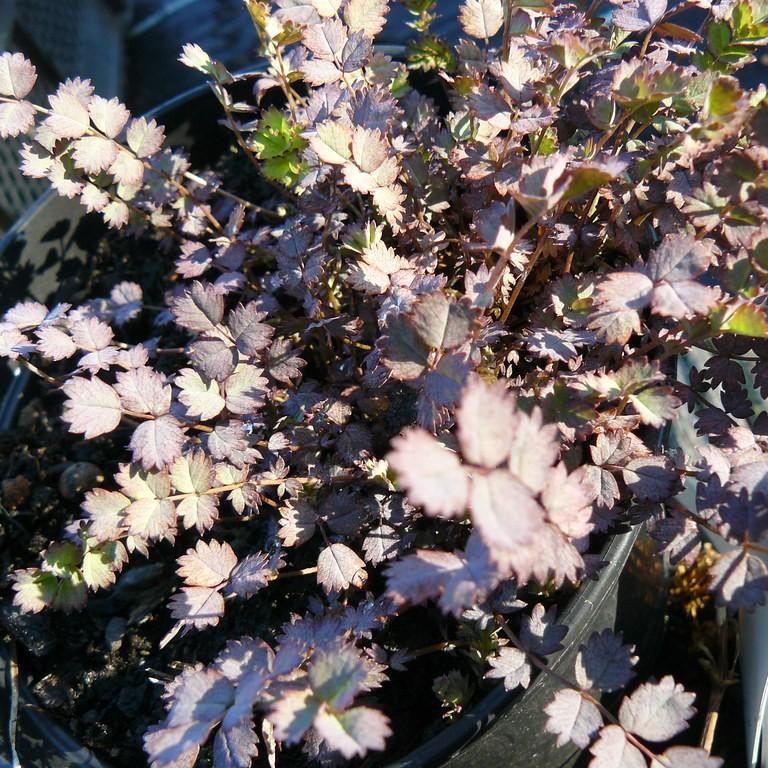
8 Unique Plant Species to Grow in Full-Sun Outdoor Spaces (All Pet-Safe)
Explore low-fuss, pet-safe plant species for full-sun outdoor gardens, from trailing groundcovers to flowering shrubs that thrive with minimal upkeep.
2026-06-23 · 8 min read