%22%2F%3E%0A%20%20%20%20%20%20%3Ccircle%20cx%3D%22920%22%20cy%3D%22180%22%20r%3D%2290%22%20fill%3D%22%23cfe8d5%22%2F%3E%0A%20%20%20%20%20%20%3Cpath%20d%3D%22M600%20590c-90-180-215-255-310-280%200%20165%20118%20296%20270%20296h40z%22%20fill%3D%22%2379b88e%22%2F%3E%0A%20%20%20%20%20%20%3Cpath%20d%3D%22M600%20590c80-150%20198-212%20302-228-8%20142-123%20255-270%20255h-32z%22%20fill%3D%22%235c9f73%22%2F%3E%0A%20%20%20%20%20%20%3Cpath%20d%3D%22M600%20610V360%22%20stroke%3D%22%234f8c64%22%20stroke-width%3D%2218%22%20stroke-linecap%3D%22round%22%2F%3E%0A%20%20%20%20%20%20%3Ctext%20x%3D%22600%22%20y%3D%22700%22%20text-anchor%3D%22middle%22%20font-family%3D%22Arial%2C%20sans-serif%22%20font-size%3D%2244%22%20fill%3D%22%23365c45%22%3E%0A%20%20%20%20%20%20%20%20Plant%20image%20coming%20soon%0A%20%20%20%20%20%20%3C%2Ftext%3E%0A%20%20%20%20%3C%2Fsvg%3E%0A%20%20)
coneflower
Echinacea 'Flame Thrower'
概要
The Coneflower (Echinacea 'Flame Thrower') is truly amazing! Its bold, bright, orange blooms appear like fireworks against a dense dome of petals. Its long lasting blooms and attractive foliage make this plant a great choice for any garden. Besides its looks, the coneflower is a reliable herb for many traditional therapies. Its immune-stimulating abilities make it an ideal choice for herbal remedies for allergies, colds, pain, and fatigue. This coneflower variety is easy to grow and practically invincible - surviving most hot, dry spells in the garden with ease. Add the Flame Thrower to your garden to bring color and function to your outdoor space.
育て方ガイド
水やり
Coneflower (Echinacea 'Flame Thrower') should be watered 1-2 times per week, depending on the weather and soil conditions. During hot, dry spells, water more frequently to keep the soil moist. In cooler months, water less frequently, but still make sure to keep the soil slightly moist. Check the soil before watering and ensure it is not too wet or too dry. Aim to water just enough to keep the soil consistently moist but not soggy.
日当たり
Coneflower (Echinacea 'Flame Thrower') requires full sun for optimal growth and flowering. That means its ideal location would receive at least 6-8 hours of direct sunlight each day, preferably more. During especially hot summer days, some afternoon shade may be necessary in order to avoid sun scorch or other leaf discoloration. The coneflower does best when provided with bright sunlight in the morning followed by some afternoon shade in order to ease the heat of the day.
温度
Hardiness zone 3–8.
剪定
Coneflower (Echinacea 'Flame Thrower') should be pruned twice a year, in the early spring and again in mid-summer. In the early spring, wait until the new foliage appears and then prune back any dead stems and foliage from the previous year. After flowering, the entire stem may be trimmed down to the ground to promote a fresh flush of new foliage. In mid-summer, the flowers may be deadheaded as they fade. This will allow the plant to put more energy into producing new flowers and foliage instead of setting seed. Depending on the variety, some may require additional pruning. If so, prune these plants again in mid-fall before winter dormancy.
増やし方
Seed Propagation, Division, Root Cutting, Layering Propagation
用途と象徴
Attracts: Birds, Butterflies.
Related plants
Other plants you might like if you grow coneflower.
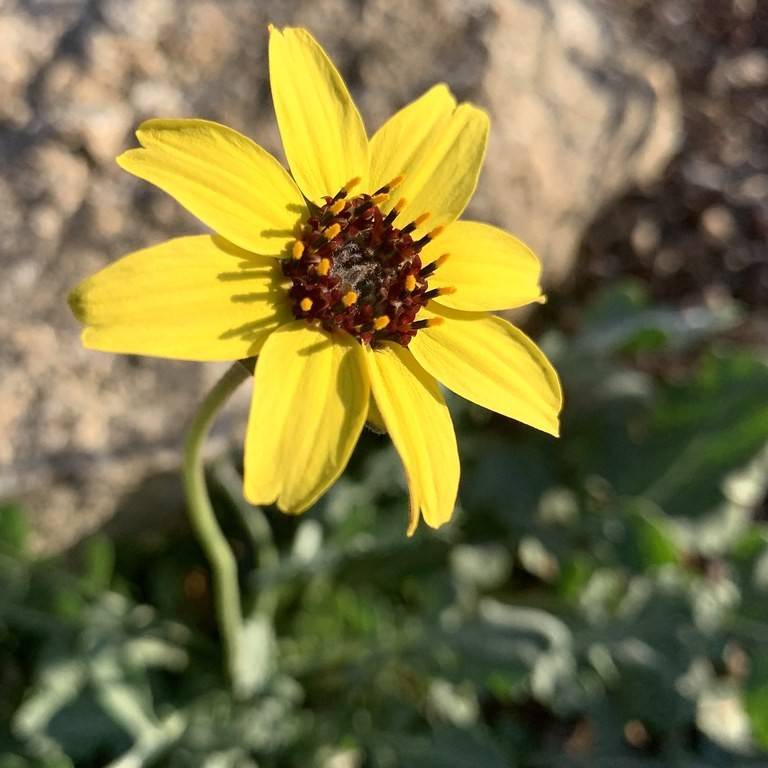
chocolate flower
Berlandiera lyrata
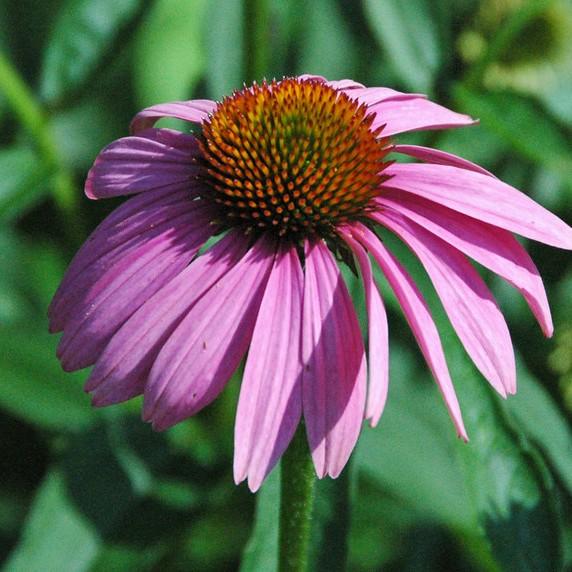
coneflower
Echinacea 'Adam Saul' CRAZY PINK
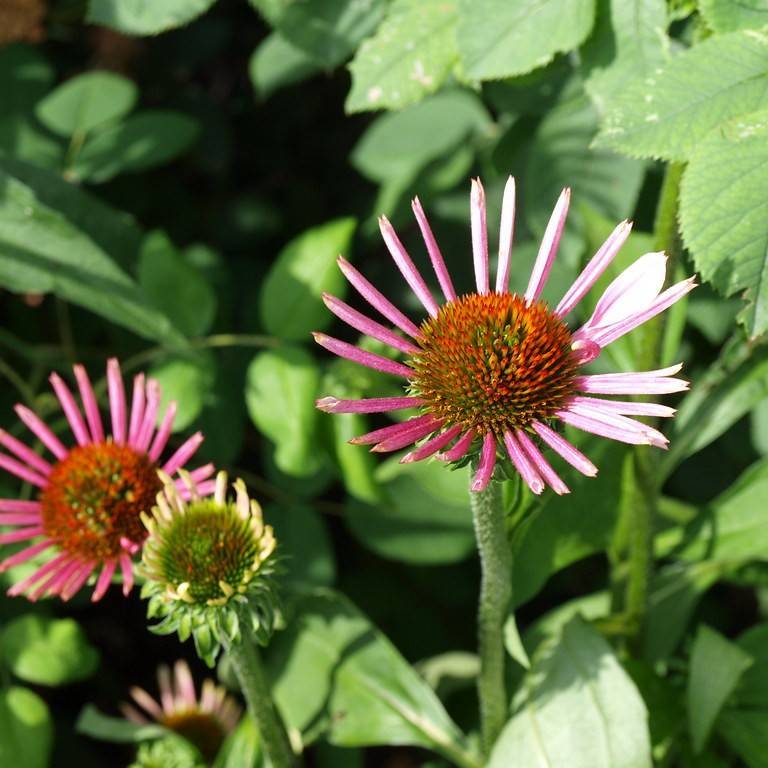
coneflower
Echinacea 'All that Jazz'
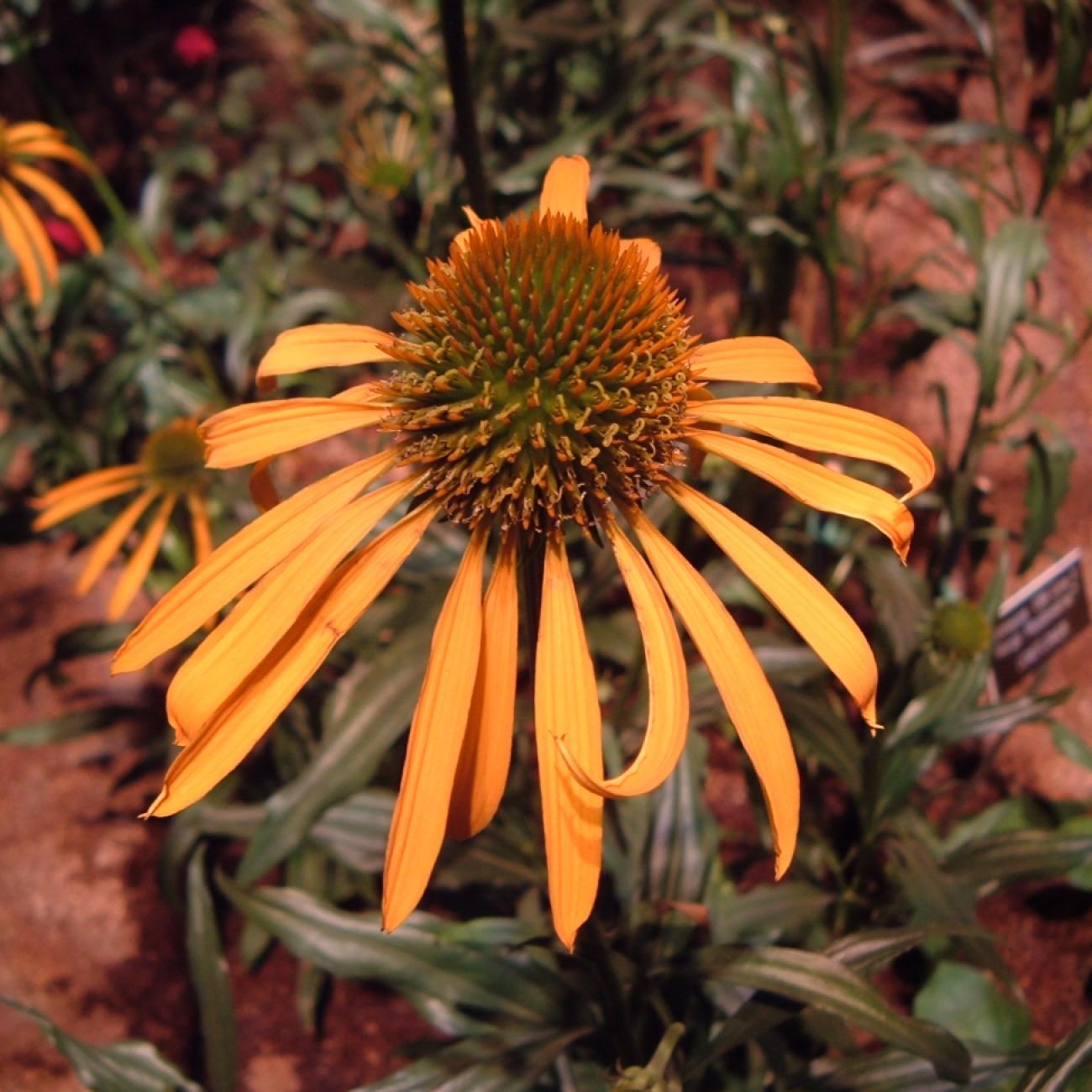
coneflower
Echinacea 'Art's Pride' ORANGE MEADOWBRITE
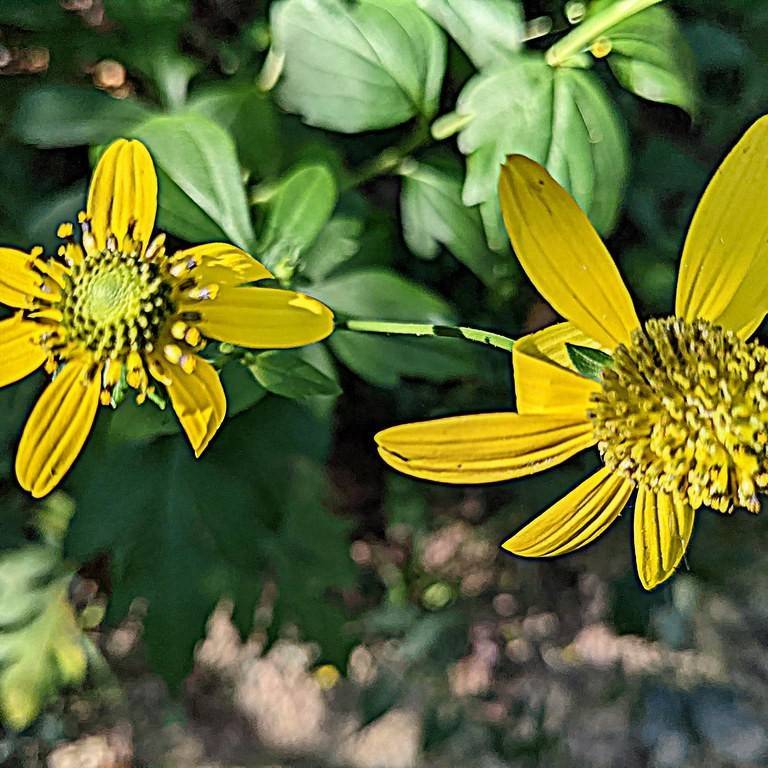
coneflower
Echinacea 'Balsomsolst' SOMBRERO SUMMER SOLSTICE
coneflower
Echinacea 'Balsomtresgo' SOMBRERO TRES AMIGOS
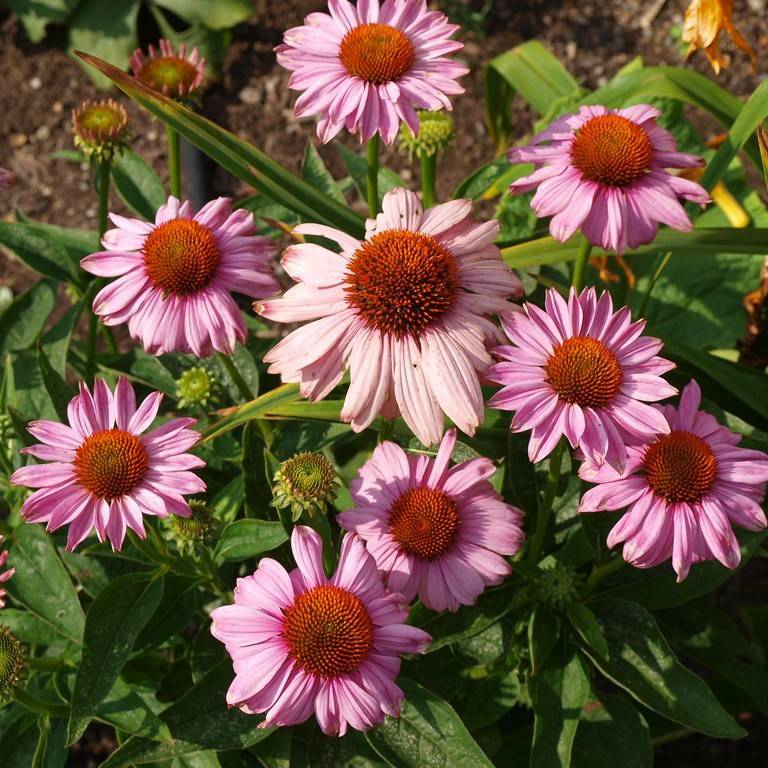
coneflower
Echinacea 'Bravado'
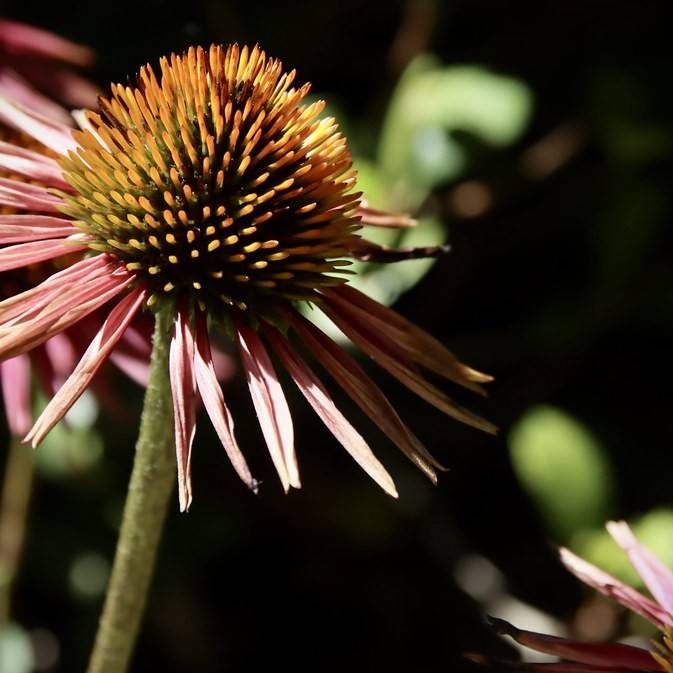
coneflower
Echinacea BURGUNDY FIREWORKS