Watermelon: Complete Growing, Nutrition, and Usage Guide
Learn how to grow watermelon, plus its nutrition, health benefits, varieties, and potential side effects in this comprehensive, beginner-friendly guide.
Watermelon: Complete Growing, Nutrition, and Usage Guide
Watermelon (Citrullus lanatus) is a sweet, water-dense cucurbit grown for its edible fruit, with uses spanning fresh snacks, processed foods, and home gardening. It offers measurable nutritional benefits, is simple to grow in warm, full-sun spaces, and is safe for most people and pets when consumed appropriately.
What Is Watermelon (Citrullus lanatus)?
Watermelon is a trailing vine in the Cucurbitaceae family, classified botanically as a vegetable despite its common use as a sweet fruit. It grows natively in tropical and subtropical regions, producing large, round to oblong fruits with a thick rind, juicy flesh, and embedded seeds. It is pet-safe, so dogs and cats can consume small, seedless portions of the flesh without toxic risk.
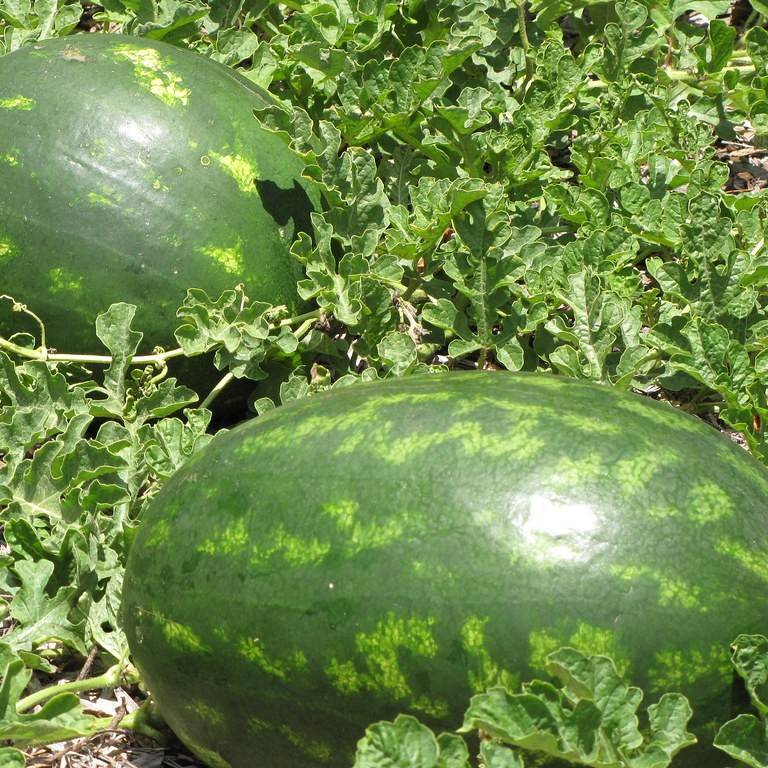
Vines grow up to 10 feet long, with large, lobed, fuzzy green leaves and separate male and female yellow flowers that bloom for just one day each. Fruits develop from pollinated female flowers, with rind colors ranging from solid light green to dark green with striped or spotted patterns, and flesh colors including red, pink, orange, yellow, and white. You can scan a watermelon vine or fruit with the Sproutly app to confirm its identity and access tailored care tips, or reference our full watermelon encyclopedia entry for base growing requirements. For more context on its ideal growing conditions, see our full-sun vegetable growing guide. If you prioritize pet-friendly edible plants, you can find more options on our pet-safe edible plants list.
Watermelon Taxonomy and Evolutionary History
Watermelon falls under the species Citrullus lanatus, with two distinct subspecies: the sweet edible lanatus subspecies and the bitter, drought-resistant citroides subspecies used for livestock feed and seed production. Its domestication dates back more than 4,000 years to the Nile Valley, where ancient Egyptian hieroglyphs depict watermelon harvests, and seeds have been recovered from pharaoh burial sites dating to 2000 BCE.
From North Africa, it spread across the Mediterranean region by 300 BCE, and was introduced to Europe via Moorish invasions of the Iberian Peninsula in the 9th century. It arrived in the Americas in the 16th century, carried by both enslaved African populations and European colonists, and quickly naturalized in warm regions of North and South America. It is closely related to other common cucurbits, including cucumbers, squash, cantaloupe, and pumpkins, all of which share similar trailing vine growth habits and separate male and female flowers.
Watermelon Nutritional Profile Per 100g Serving
A 100g serving of raw watermelon contains 30 calories, 91% water, 7.6g of carbohydrates, 0.4g of protein, 0.2g of fat, and 0.4g of dietary fiber. It is a rich source of vitamin C (10% of the Daily Value, DV), vitamin A (11% DV), and potassium (3% DV).
Its carbohydrate content is roughly 60% natural sugars and 40% dietary fiber, with a low glycemic index of 72, making it a suitable snack for people with diabetes in controlled portions. Red and pink-fleshed varieties contain high levels of lycopene, a carotenoid antioxidant responsible for their red color, while yellow and orange-fleshed varieties have higher levels of beta-carotene and lower or no lycopene. The thick rind contains higher concentrations of the amino acid citrulline than the flesh, though it is rarely eaten raw due to its tough, bitter texture. Seeded and seedless varieties have nearly identical nutritional profiles, with only minor differences in fiber content from mature black seeds.
Evidence-Based Health Benefits of Watermelon
Watermelon contains two key plant compounds linked to measurable health benefits: citrulline, an amino acid that may reduce post-exercise muscle soreness and support lower blood pressure, and lycopene, an antioxidant that may lower risk of heart disease and certain types of cancer. Its high water content also supports hydration and healthy digestion.
Citrulline is converted to arginine in the body, a compound that supports blood vessel dilation and improved circulation. Peer-reviewed studies have found that consuming watermelon juice or citrulline supplements before exercise may reduce post-workout muscle soreness by 15–20% and lower resting systolic blood pressure by 5–10 mmHg in people with mild hypertension. Lycopene intake is associated with a 12–15% lower risk of heart disease in multiple large cohort studies, likely due to its ability to reduce LDL cholesterol levels and arterial inflammation. The high water and fiber content supports regular bowel movements and reduces risk of constipation, while vitamin C supports collagen production for healthy skin and immune function. More research is needed to confirm preliminary links between regular watermelon consumption and reduced risk of prostate, lung, and colorectal cancers.
Potential Side Effects and Risks of Watermelon
Watermelon is safe for most people to consume in standard food portions, but people with severe hyperkalemia (high blood potassium) may need to limit intake due to its potassium content. Overconsumption of large portions may also cause temporary bloating or diarrhea in people with sensitive digestive systems.
A standard 1-cup serving contains 170mg of potassium, which is low enough for people with mild to moderate kidney function issues to consume in moderation, but those with advanced kidney disease may need to avoid it entirely to prevent potassium buildup. People with diabetes should count watermelon’s natural sugars toward their daily carbohydrate intake, as 1 cup contains roughly 9g of sugar. The thick rind is edible when cooked, but eating large quantities of raw rind may cause abdominal cramping or diarrhea due to its high fiber content and tough cellular structure. All seeds should be removed before serving to children or pets, as they pose a minor choking risk and may cause intestinal blockage if consumed in large amounts.
How to Grow Watermelon at Home
Watermelon requires full sun (8+ hours of direct sunlight per day), warm temperatures between 70–90°F, well-draining sandy loam soil with a pH of 6.0–6.8, and consistent humidity to thrive. It has a long growing season of 80–100 days from seed to harvest, so it is best planted in spring after all risk of frost has passed, and soil temperatures have reached at least 65°F.
Plant seeds 1 inch deep, sowing 3–4 seeds per hill and thinning to the strongest 1–2 plants per hill once seedlings develop their first set of true leaves. Space plants 3–4 feet apart in rows 6–8 feet apart to accommodate trailing vines, or grow dwarf varieties in 5-gallon or larger containers with a trellis to support fruit weight. Water consistently to provide 1–2 inches of water per week, reducing water to 0.5 inches per week once fruits begin to ripen to concentrate sugar content and prevent splitting. Fertilize with a balanced 10-10-10 fertilizer at planting, switching to a phosphorus- and potassium-rich fertilizer once flowers begin to bloom to support fruit development. You can log your watermelon plants in the Sproutly app to get customized watering reminders and pest alerts tailored to your local climate.
Common Watermelon Pests, Diseases, and Troubleshooting
The most common pests that affect watermelon plants are cucumber beetles, aphids, and squash vine borers, while common diseases include powdery mildew, fusarium wilt, and anthracnose. Blossom end rot, a common issue where the bottom of developing fruits turns brown and soft, is caused by inconsistent watering or calcium deficiency.
Cucumber beetles spread bacterial wilt, a fatal disease that causes vines to wilt and die suddenly, so control infestations early with floating row covers or neem oil sprays. Squash vine borers lay eggs at the base of vines, and their larvae tunnel into stems to feed, causing vines to wilt and collapse; for guidance on control, see our guide to identifying and treating squash vine borers. Powdery mildew appears as a white, powdery coating on leaves, and can be treated with copper fungicide sprays and improved air circulation around plants.
To confirm if a fruit is ripe for harvest, check for three key signs: a creamy yellow ground spot where the fruit rested on the soil, a fully dried, brown tendril at the base of the fruit stem, and a deep, hollow sound when tapped with your knuckles. If you notice unusual spots, wilting, or discoloration on your vines or fruits, you can snap a photo of damaged watermelon leaves or fruits with Sproutly to get a fast diagnosis and targeted treatment recommendations.
Popular Watermelon Varieties for Home Growing and Consumption
Watermelon varieties range from small 2–5 pound personal-sized fruits to large 20–40 pound picnic varieties, with flesh colors including red, pink, orange, yellow, and white. Seedless varieties, which produce small, edible white seed coats, require planting with a pollinator variety to set fruit, as they cannot self-pollinate.
Six common varieties suitable for home growing include:
- Sugar Baby: A personal-sized variety with deep red flesh, thin rind, and 80 days to maturity, ideal for small gardens and container growing
- Crimson Sweet: The classic picnic variety with striped green rind, sweet red flesh, and 85 days to maturity, producing 15–25 pound fruits
- Yellow Doll: A short-season yellow-fleshed variety with mild, sweet flavor and 70 days to maturity, suitable for regions with shorter warm seasons
- Moon and Stars: An heirloom variety with dark green rind dotted with small yellow "stars" and one large yellow "moon" marking, red flesh, and 90 days to maturity
- Jubilee: A large oblong variety with red flesh, thick rind for easy transport, and 95 days to maturity, producing 25–40 pound fruits
- Citron: A bitter variety from the citroides subspecies, grown for its thick rind used to make preserves and for high-oil seed production, not eaten raw as a fresh fruit
Global Watermelon Production and Commercial Uses
China is the world’s largest watermelon producer, growing more than 60% of the global supply, followed by Turkey, India, Brazil, and Algeria. Most commercial watermelon is sold fresh for raw consumption, but it is also processed into juice, sorbet, pickles (made from the rind), and dietary supplements derived from its citrulline content.
Commercial growing operations typically use raised beds with drip irrigation to conserve water and reduce disease risk, with fruits harvested by hand to prevent bruising. Uncut watermelons can be stored for 2–3 weeks at 50–60°F with 85–90% humidity, making them easy to transport long distances from growing regions to retail locations. In traditional medicine systems in parts of Africa and Asia, watermelon juice is used to treat heat stroke and reduce symptoms of urinary tract infections, while roasted seeds are used as a diuretic. Citrulline supplements derived from watermelon rind are sold to support exercise recovery and heart health.
Practical Tips for Selecting, Storing, and Using Watermelon
A ripe watermelon will feel heavy for its size, have a creamy yellow ground spot where it rested on the soil, and produce a deep, hollow sound when tapped with your knuckles. Uncut watermelon can be stored in a cool, dry place for up to 2 weeks, while cut watermelon will keep in an airtight container in the refrigerator for 3–5 days.
Avoid watermelons with soft spots, cracked rinds, or a white or pale green ground spot, as these are signs of underripeness or damage. Once cut, you can freeze diced watermelon for up to 6 months for use in smoothies or frozen snacks. Popular uses include fresh fruit salads, blended agua fresca, grilled watermelon skewers, and sorbet. The rind can be peeled, diced, and pickled in a vinegar brine for a tangy condiment, while roasted, salted seeds make a high-protein snack.
Frequently Asked Questions
Is watermelon a fruit or a vegetable?
Botanically, watermelon is classified as a vegetable, as it is a member of the Cucurbitaceae family along with cucumbers, squash, and pumpkins. It is commonly categorized as a fruit in culinary settings due to its sweet flavor and common use in desserts and snacks.
How long does it take to grow a watermelon from seed?
Most watermelon varieties take 80–100 days from planting to full harvest, depending on the variety and growing conditions. Short-season varieties may be ready in as little as 70 days, while large heirloom varieties can take up to 110 days to fully ripen.
Is watermelon safe for dogs to eat?
Yes, watermelon is pet-safe. Dogs can eat small, seedless portions of the raw flesh without toxic risk. Remove all seeds and the thick rind before feeding, as both can cause intestinal blockage if consumed in large quantities.
How many calories are in a serving of watermelon?
A 1-cup (152g) serving of raw, diced watermelon contains approximately 46 calories, with more than 90% of its weight coming from water. It is low in fat, sodium, and protein, and contains natural sugars and key vitamins and minerals.
What is the difference between seeded and seedless watermelon?
Seedless watermelons are hybrid varieties that produce small, soft, edible white seed coats instead of hard, mature black seeds. They require planting alongside a seeded pollinator variety to produce fruit, as they cannot self-pollinate. Nutritionally, seedless and seeded watermelons are nearly identical.
Try Sproutly
Whether you’re growing watermelon in your backyard or want to confirm the identity of a wild cucurbit vine, the Sproutly app gives you instant access to plant identification, personalized care reminders, and pest diagnosis tools. Scan any plant, leaf, or fruit in seconds to get tailored guidance to keep your plants healthy and productive. Download Sproutly today at https://heysproutly.com.
関連記事
こちらのガイドもおすすめ
Plant Disease Identification: How to Spot Common Issues and Prevent Spread
Learn step-by-step plant disease identification to spot fungal, bacterial, and viral issues early, plus how to protect susceptible and disease-resistant plants in your space.
2026-06-24 · 9 min read

Trees in Florida Identification Guide: 7 Common Native and Cultivated Species to Spot
Identify trees across Florida with this practical guide: recognize key foliage, flower, and bark traits for common species found in yards, parks, and wild spaces.
2026-06-24 · 10 min read

Tropical Plant Care Guide for California: Grow Thriving Tropicals Indoors & Out
Learn how to grow tropical plants in California’s varied climate, from indoor humidity tips to outdoor sun-tolerant varieties that thrive in Golden State conditions.
2026-06-24 · 12 min read