Jackfruit Plant Complete Guide: Care, Growing Tips, and Facts for Artocarpus heterophyllus
Learn how to grow and care for a jackfruit plant, whether outdoors in tropical climates or as a potted houseplant. Covers planting, sun, soil, water, and fruit expectations.
Jackfruit Plant Complete Guide: Care, Growing Tips, and Facts for Artocarpus heterophyllus
The jackfruit plant is a tropical evergreen tree grown for its massive edible fruit and glossy ornamental foliage, thriving outdoors in USDA zones 10 through 12 and as a potted houseplant in cooler regions. Optimal growth requires 6 to 8 hours of direct sun daily, well-drained loamy soil with a pH of 5.0 to 7.5, and temperatures between 65 and 95°F.

Core Botanical Profile
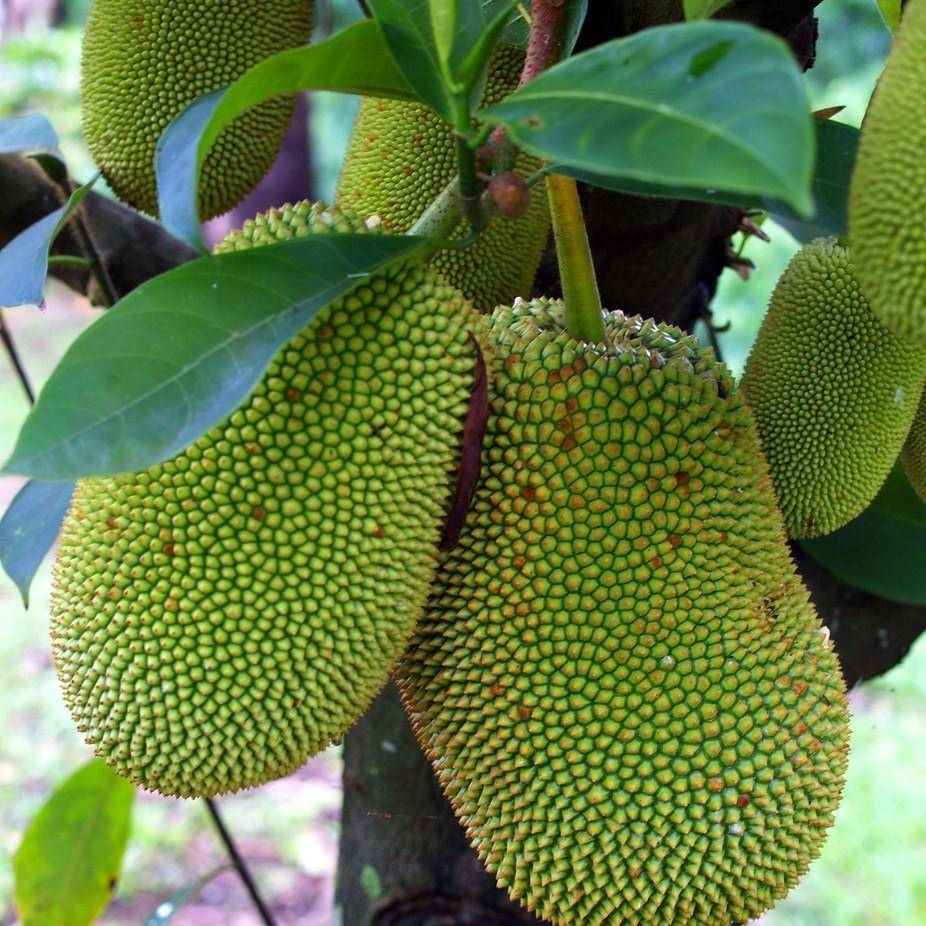
Formally Artocarpus heterophyllus, this evergreen tree is part of the Moraceae (mulberry) family, closely related to breadfruit and fig trees. It produces the largest tree-borne fruit in the world, with individual fruits weighing up to 80 pounds and measuring 36 inches long. It is cultivated commercially for its edible fruit, and grown as a foliage houseplant in non-tropical regions. For more care guidance for related species, see our mulberry family plant care guide.
Taxonomic classification
It falls under the genus Artocarpus, which includes roughly 60 species of tropical evergreen trees and shrubs, most native to Asia and Oceania. It is distinguished from closely related species by its large, spiky fruit and lobed juvenile leaves. For full taxonomic details, refer to the full jackfruit encyclopedia entry.
Common regional names
It is known by dozens of local names across its native and cultivated range: kathal in Hindi, chakka in Malayalam, kanun in Thai, and nangka in Indonesian and Malay. The common English name for the fruit is derived from the Portuguese jaca, which was adopted from the Malayalam term chakka during 16th-century trade in South India.
Key distinguishing traits from related species
It is often confused with breadfruit (Artocarpus altilis), but the two have clear differences. This tree produces fruit with a spiky, thick rind, while breadfruit has a smoother, faintly bumpy rind. Its flesh is sweet and fibrous with large seeds, while breadfruit flesh is starchy and mild, often cooked like a potato, with small, underdeveloped seeds in most commercial cultivars. Ceiba tree saplings, another common lookalike, have thinner, matte leaves and do not exude sticky latex when cut, unlike jackfruit saplings.
Common Jackfruit Plant Varieties to Grow
Jackfruit plant varieties are categorized by fruit texture, growth habit, and cold tolerance, with options suited for commercial orchards, small backyard spaces, and indoor containers. Selecting a cultivar aligned with your climate and space will reduce maintenance and improve chances of successful fruiting for outdoor specimens.
- ‘Golden Nugget’: A soft, sweet dwarf cultivar that reaches 10 to 12 feet tall at maturity, making it suitable for smaller outdoor spaces or large containers. It produces 10 to 15 pound fruits with high sugar content ideal for fresh eating.
- ‘Cheena’: A compact hybrid cross between jackfruit and chempedak, with a mild, honeyed flavor and smaller 5 to 10 pound fruits. It has slightly better cold tolerance than full-sized varieties, suitable for the cooler edges of USDA zone 10.
- ‘Black Gold’: A firm, high-yield commercial cultivar with dense, mild flesh that holds up well to cooking, often used for plant-based meat substitutes. Mature trees reach 40 to 50 feet tall and produce up to 200 fruits per year in optimal conditions.
- ‘Dang Rasimi’: A Thai firm cultivar with crisp, low-sugar flesh popular for savory dishes and pickling. It has a higher drought tolerance than many other varieties, suited for tropical regions with extended dry seasons.
- Dwarf ornamental cultivars: Seed-grown or grafted dwarf varieties bred for compact 6 to 8 foot mature size, grown primarily for their glossy lobed foliage as houseplants. These rarely produce fruit even in optimal conditions.
How to Grow a Jackfruit Plant From Seed
Growing a jackfruit plant from seed is a straightforward process, though seed-grown trees may take longer to fruit and may not retain the exact fruit traits of the parent plant. Seeds remain viable for only 1 to 2 weeks after removal from the fruit, so plant them promptly for best germination rates.
Follow these step-by-step instructions to grow a jackfruit plant from seed:
- Remove fully mature, plump seeds from a ripe jackfruit, and scrub off all remaining fruit flesh from the seed surface to prevent mold growth.
- Soak the seeds in lukewarm water for 24 hours to soften the hard outer seed coat and speed up germination.
- Fill 4-inch nursery pots with a well-drained seed-starting mix composed of 1 part perlite, 1 part peat moss, and 1 part compost.
- Plant each seed 1 inch deep in the mix, with the pointed end facing down, and water thoroughly until the mix is evenly moist but not saturated.
- Place the pots in a warm, bright location with temperatures between 75 and 85°F, and cover with a clear plastic dome or bag to retain humidity.
- Keep the soil consistently moist, watering only when the top ½ inch of mix feels dry to the touch. Germination will occur in 1 to 3 weeks.
- Once seedlings develop 2 to 3 true leaves, transplant them into 1-gallon pots with standard potting mix, and gradually acclimate them to full sun over 7 to 10 days to prevent leaf scorch.
Full Jackfruit Plant Care Requirements
Jackfruit plant care varies slightly between outdoor and potted specimens, but all require consistent warmth, bright light, and well-drained soil to thrive. Meeting these requirements will encourage healthy foliage growth, and for outdoor trees, consistent fruit production. For more guidance on sun requirements for outdoor trees, see our full sun outdoor plant care guide.
Light
Outdoor jackfruit plants require 6 to 8 hours of direct, unfiltered sunlight daily to support foliage growth and fruit development. Young seedlings can tolerate partial shade for their first 1 to 2 years, but will become leggy and fail to fruit if shaded long-term. Indoor potted plants need 10 to 12 hours of bright light daily, either from a south-facing window or full-spectrum grow lights positioned 6 to 12 inches above the foliage.
Soil
Outdoor jackfruit plants grow best in deep, loamy, well-drained soil with a pH of 5.0 to 7.5. They cannot tolerate heavy clay soil that retains standing water, which will cause root rot within 2 to 3 weeks. Potted plants need a loose, well-aerated potting mix composed of 2 parts general potting soil, 1 part perlite, and 1 part orchid bark to prevent compaction and ensure adequate drainage.
Water
Outdoor jackfruit plants need 1 to 2 inches of water per week during the growing season, applied directly to the root zone to avoid wetting the foliage. Reduce watering to once every 2 to 3 weeks during the cooler dry season, as established trees are moderately drought-tolerant. Potted plants need water when the top 2 inches of soil feel dry to the touch, usually every 7 to 10 days in warm weather, and every 2 to 3 weeks in cool weather. Always empty excess water from the pot saucer to prevent root rot.
Temperature and humidity
Outdoor jackfruit plants thrive in temperatures between 65 and 95°F, and will suffer leaf damage if exposed to temperatures below 32°F for more than a few hours. Young trees need frost protection, such as a frost cloth or temporary heat source, if temperatures drop below 40°F. Potted plants should be moved indoors when temperatures drop below 60°F, and kept in a space with 60 to 80% humidity. Use a humidifier or pebble tray under the pot to raise humidity levels if indoor air is dry.
Fertilizer
Outdoor jackfruit plants benefit from a balanced 8-3-9 NPK fertilizer applied every 2 to 3 months during the growing season, at a rate of 1 pound per inch of trunk diameter. Avoid high-nitrogen fertilizers, which encourage foliage growth at the expense of fruit production. Potted plants need a diluted, balanced liquid fertilizer applied once a month during the growing season, with no fertilizer applied in fall and winter when growth slows.
Jackfruit Plant Flowering and Fruit Development Timeline
Jackfruit plant flowering and fruit development follow a consistent timeline in tropical climates with year-round warm temperatures. Cooler temperatures or extended dry periods can delay flowering and reduce fruit set, so consistent care is critical for regular harvests. For more guidance on tropical fruiting plant timelines, see our tropical fruit plant care tips guide.
Flowers emerge on mature trees 2 to 3 months after the start of the warm growing season, growing directly on the trunk and thick lower branches in a trait called cauliflory. Male flowers grow in elongated 2 to 4 inch clusters, which release pollen for 1 to 2 weeks before dropping off. Female flowers grow in rounded 1 to 2 inch clusters, which develop into fruit after successful pollination by stingless bees or fruit flies. In regions without native pollinators, hand pollination by transferring pollen from male to female clusters with a small brush will increase fruit set.
Fruit takes 3 to 8 months to fully ripen after pollination, depending on the cultivar and temperature. Young fruits are small, green, and covered in soft spines, which harden as the fruit grows. Ripe fruit develops a yellow tinge to the rind, gives slightly when pressed, and emits a strong, sweet scent. Mature grafted trees produce 100 to 200 fruits per year, while seed-grown trees produce 50 to 100 fruits per year once fully mature.
Troubleshooting Common Jackfruit Plant Problems
Most jackfruit plant issues stem from incorrect watering, insufficient light, or pest infestations, all of which can be resolved with early intervention and adjusted care. If you are unsure of the cause of your plant’s symptoms, upload photos to Sproutly for a fast diagnosis and customized treatment plan.
Yellowing leaves
Yellowing leaves are most often caused by overwatering, which leads to root rot and reduced nutrient uptake. Check the soil moisture, and reduce watering frequency if the top 2 inches of soil are saturated. For potted plants, repot into fresh, dry potting mix if root rot is present. Yellowing leaves with brown edges may also indicate low humidity, especially for indoor specimens.
Failure to produce fruit
Outdoor jackfruit plants may fail to fruit if they receive less than 6 hours of direct sun daily, are given too much nitrogen fertilizer, or are exposed to temperatures below 60°F during the flowering period. Grafted trees will fruit 3 to 4 years after planting, while seed-grown trees may take 5 to 7 years to reach fruiting maturity, so young trees may simply need more time to mature.
Pest infestations
Common pests include mealybugs, which appear as white cottony spots on leaf undersides and excrete sticky honeydew, and scale insects, which form small brown bumps on stems and leaves. Both can be treated with neem oil or insecticidal soap applied every 7 to 10 days until the infestation is gone. Fruit flies lay eggs in developing fruit, leading to internal rot; cover developing fruit with fine mesh netting to prevent infestation.
Leaf scorch
Brown, crispy leaf edges or scorched patches on leaf surfaces are caused by excessive direct sun on young seedlings, or exposure to cold, dry wind. Move potted plants to a location with partial shade during the hottest part of the day, and protect young outdoor trees with a shade cloth during heatwaves.
Growing Jackfruit Plants as Indoor Houseplants
Dwarf jackfruit plant varieties grow well as indoor houseplants, valued for their large, glossy, lobed foliage that adds a tropical accent to interior spaces. Potted specimens rarely produce fruit, as they do not receive enough consistent light and warmth to support flowering, but require minimal care to thrive as ornamental plants.
Select a 15 to 20 gallon pot with drainage holes, as jackfruit plants have deep, extensive root systems that need room to spread. Use a well-drained potting mix with added perlite and orchid bark to prevent compaction, and place the pot in a south-facing window that receives 10 to 12 hours of bright light daily. If natural light is limited, use full-spectrum grow lights to supplement.
Indoor jackfruit plants need temperatures between 65 and 80°F year-round, and 60 to 80% humidity. Keep the plant away from cold drafts from windows or air conditioning vents, which can cause leaf drop. Prune the plant annually in early spring to control its size, removing up to ⅓ of the new growth to keep it at a manageable 6 to 10 feet tall for indoor spaces.
Tree Physical Characteristics
Mature outdoor trees reach 30 to 70 feet tall, with a dense, rounded canopy that provides heavy shade. Its bark is thick, rough, and dark brown, and exudes a sticky latex-like sap when cut. Its leaves are glossy, leathery, and oblong, measuring 4 to 8 inches long, with a deep green upper surface and pale green underside.
Trunk and bark traits
Trunks grow 12 to 30 inches in diameter at maturity, with thick, furrowed bark that protects the tree from extreme heat and minor pest damage. Sap from the trunk and fruit rind is water-insoluble, so it is recommended to wear gloves when cutting or pruning the tree to avoid sticky residue on skin or tools.
Leaf growth patterns
Young trees produce deeply lobed leaves, a trait thought to help juvenile plants shed heavy tropical rain and avoid herbivore damage. As the tree matures, new growth is unlobed, with smooth, oval edges. Leaf drop is minimal, and the tree retains its evergreen foliage year-round in suitable climates.
Flower structure and pollination process
Flowers are small, pale green, and grow directly on the trunk and thick lower branches of the tree, a trait called cauliflory. Male flowers grow in elongated clusters, while female flowers grow in rounded clusters that develop into fruit after pollination. In its native range, it is pollinated primarily by small stingless bees and fruit flies.
Fruit anatomy from rind to arils
A whole fruit has three distinct layers: a thick, spiky green rind that turns yellow as it ripens, a fibrous pale core running through the center of the fruit, and individual bright yellow arils (the edible flesh) surrounding large, brown, oval seeds. Each fruit contains between 100 and 500 individual arils, depending on its size.
Fruit Details: Taste, Texture, and Varieties
The arils are bright yellow, sweet, and fibrous, with a flavor often compared to a mix of mango, banana, and pineapple. There are two primary cultivar categories: soft, sweet “fleshy” varieties for fresh eating, and firmer, milder “crunchy” varieties often used as a meat substitute. Unripe fruit has a neutral, savory flavor and dense, shredded texture ideal for savory dishes.
Common commercial varieties
Most commercially grown fruit falls into one of two categories, though dozens of regional cultivars exist. Popular soft varieties include ‘Golden Nugget’ and ‘Cheena’, which have high sugar content and soft texture for fresh consumption. Firm varieties like ‘Black Gold’ and ‘Dang Rasimi’ have a denser texture that holds up well to cooking, making them common for processed plant-based meat products.
Ripeness indicators
A ripe fruit will develop a yellow tinge to its green rind, give slightly when pressed, and emit a strong, sweet, pungent smell. Unripe fruit has a fully green, hard rind with no noticeable scent, and will not soften when pressed. Ripe fruit is ready to eat raw, while unripe fruit is best used for savory cooked dishes.
Seed edibility and preparation
The seeds are fully edible when cooked, with a starchy, nutty flavor similar to chestnuts. They must be boiled or roasted for 20 to 30 minutes before eating, as raw seeds contain antinutrients that can cause digestive upset. Cooked seeds can be eaten plain, added to curries, or ground into flour for baking.
Ecology and Native Growing Conditions
This tree thrives in humid, tropical climates with annual rainfall of 40 to 120 inches and temperatures between 65 and 95°F. It is adapted to well-drained, loamy soil with a pH of 5.0 to 7.5, and cannot tolerate temperatures below 32°F for more than a few hours without sustaining fatal frost damage. In its native range, its large fruits are dispersed by elephants and other large herbivores that eat the flesh and excrete the seeds.
Optimal light and water requirements
Outdoor trees require full direct sun for 6 or more hours per day to produce fruit, and regular water during the growing season, with reduced watering in cooler, drier months. Established trees are moderately drought-tolerant, but extended dry periods will reduce fruit yield and quality.
Native distribution range
The species is believed to have originated in the rainforests of the Western Ghats in southern India, and has been cultivated across South and Southeast Asia for more than 3,000 years. Today it is grown commercially in tropical regions around the world, including parts of Africa, South America, the Caribbean, and the southern United States.
Symbiotic relationships with local pollinators
It relies on small, native stingless bees and fruit flies for pollination, as its flowers are too small and deep for larger bee species to access. In regions where these native pollinators are not present, hand pollination may be required to produce fruit. For more details on fruiting requirements, see the jackfruit care profile for fruit growers.
Invasive Species Risks and Prevention
This species is classified as invasive in parts of Hawaii, Florida, and the Caribbean, where it escaped cultivation and outcompetes native plant species for light and soil nutrients. It spreads via seeds dropped by fruit-eating animals, and mature trees produce up to 200 fruits per year, leading to fast naturalization in suitable climates. Growers in at-risk regions can take simple steps to prevent unwanted spread.
Regions at highest risk of invasion
In the U.S., it poses an invasion risk only in USDA zones 10 to 12, where winter temperatures rarely drop below freezing and conditions match its native tropical habitat. In cooler zones, escaped seeds cannot survive cold winters, so there is no risk of naturalization.
How to identify escaped wild trees
Escaped wild trees are most often found in disturbed forest edges and abandoned agricultural land in warm, humid regions. They can be identified by their large, glossy evergreen leaves, spiky green or yellow fruit hanging from the trunk, and sticky sap exuded when branches or bark are cut.
Control measures for accidental spread
To prevent spread in at-risk regions, grow grafted, non-seeding cultivars that do not produce viable seeds, and dispose of all fruit waste in sealed trash bags instead of compost piles or open yard waste. If you find wild escaped seedlings, pull them when small to prevent establishment.
Nutrition and Health Benefits
One cup of raw arils contains 155 calories, 3 grams of protein, 2.5 grams of fiber, 18% of your daily vitamin C, and 10% of your daily potassium. It is also a source of magnesium, vitamin B6, and antioxidant carotenoids that support immune and eye health. Unripe fruit has a lower glycemic index than ripe fruit, making it a suitable option for people managing blood sugar when eaten in moderation.
Key nutrient breakdown
Per 1-cup serving, raw ripe arils also contain 6% of your daily magnesium, 5% of your daily vitamin B6, and trace amounts of iron and calcium. The seeds are high in resistant starch, a type of fiber that supports gut health, and contain 7 grams of protein per 1-cup serving when cooked.
Evidence-backed health benefits
The carotenoids in the flesh act as antioxidants, reducing oxidative stress in the body and supporting immune function. The high potassium content supports healthy blood pressure levels, and the fiber content aids digestion and promotes feelings of fullness. Unripe fruit’s low glycemic index means it causes a slower rise in blood sugar than ripe fruit or refined carbohydrates.
Potential dietary restrictions and allergies
Allergies to the fruit are rare, but people with allergies to birch pollen or other fruits in the Moraceae family (including figs and mulberries) may experience cross-reactivity. It is naturally vegan, gluten-free, and suitable for most restricted diets, though processed products may contain added salt, sugar, or preservatives.
How to Cut and Prepare The Fruit
Cutting a whole fruit requires wearing disposable gloves to avoid the sticky, latex-like sap in its rind, which is difficult to remove from skin and tools. You can also coat cutting tools in cooking oil before use to reduce sap buildup. Ripe fruit can be eaten raw, while unripe fruit requires cooking before consumption.
Step-by-step cutting guide
- Wash the whole fruit under running water to remove dirt from the rind.
- Place the fruit on a cutting board, and slice it vertically into 2-inch thick rounds.
- Cut each round into quarters for easier handling.
- Remove and discard the hard, pale central core from each quarter.
- Pull out the individual yellow arils, separating them from the tough, stringy membrane surrounding them.
- Remove and set aside the large brown seed from the center of each aril, if desired.
How to store fresh cut arils
Fresh cut arils last 5 to 7 days in the fridge when stored in an airtight container. You can also freeze them for up to 1 year for later use in smoothies or baked goods. Cooked unripe fruit lasts 3 to 4 days in the fridge, or up to 3 months in the freezer.
Recipe ideas for ripe and unripe fruit
Ripe fruit can be eaten raw as a snack, added to fruit salads, blended into smoothies, or used to make jams and desserts. Unripe fruit can be shredded and used as a plant-based meat substitute in tacos, curries, barbecue sandwiches, and stir-fries, as its mild flavor absorbs spices and sauces well.
Frequently Asked Questions
How long does it take a jackfruit plant to produce fruit?
Grafted jackfruit plants typically produce fruit 3 to 4 years after planting, while seed-grown jackfruit plants may take 5 to 7 years to bear their first crop, if grown in optimal warm, sunny conditions year-round.
Can you grow a jackfruit plant in a pot?
Yes, dwarf jackfruit plant varieties grow well in 15 to 20 gallon pots in non-tropical regions, though potted specimens rarely produce fruit and are usually grown for their glossy, lobed ornamental foliage. Move potted plants indoors when temperatures drop below 60°F (15°C).
How much sun does a jackfruit plant need?
A jackfruit plant requires 6 to 8 hours of direct, full sunlight daily to thrive. Indoor potted jackfruit plants should be placed in a south-facing window, or under grow lights for 10 to 12 hours per day if natural light is limited.
Is a jackfruit plant invasive?
Jackfruit plants are considered invasive in some non-native tropical regions including Hawaii and parts of Florida, where their fast growth and dense shade outcompete native plant species. Check local planting restrictions before planting a jackfruit plant outdoors in tropical USDA zones 10 through 12.
Try Sproutly
Whether you’re growing a jackfruit plant as a houseplant, tending an outdoor fruit tree, or looking for new ways to prepare its fruit, Sproutly helps you simplify plant care. Upload photos of your plant to identify pests, get customized care reminders, and access a full library of plant care guides tailored to your specific plants. Get started with Sproutly today.
関連記事
こちらのガイドもおすすめ
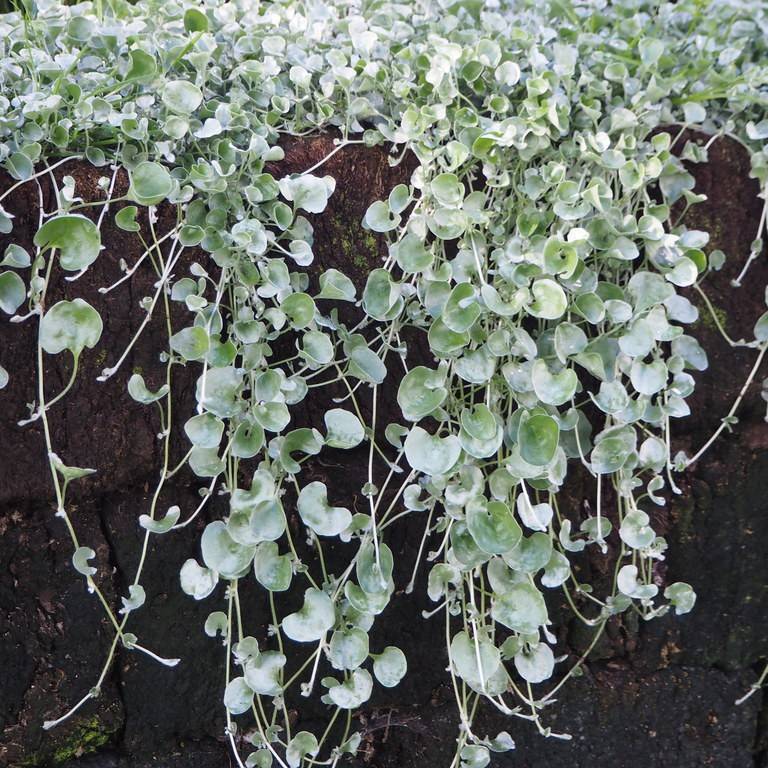
Dichondra Argentea (Silver Falls): Complete Care, Growing, and Use Guide
Learn how to grow and care for Dichondra argentea 'Silver Falls', a drought-tolerant, pet-safe trailing perennial perfect for hanging baskets and ground cover.
2026-08-04 · 11 min read
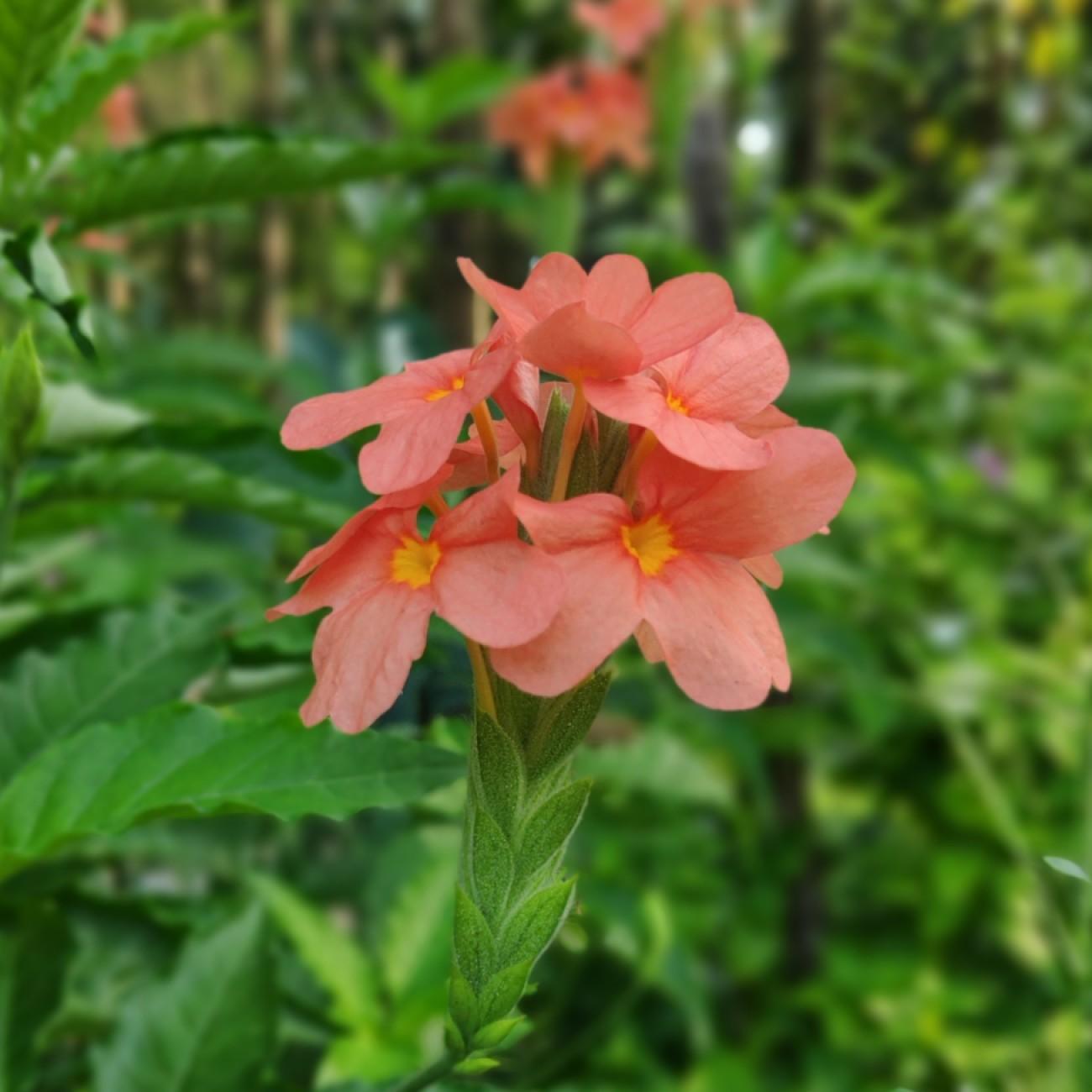
Firecracker Flower: Complete Care, Cultivation, and Identification Guide
Learn how to grow and care for firecracker flower (Crossandra infundibuliformis), a pet-safe, humidity-loving tropical houseplant with bright tubular blooms.
2026-08-04 · 19 min read
Juniperus Squamata Blue Star: Complete Care, Design, and Identification Guide
Learn how to grow, care for, and design with Juniperus squamata blue star, a low-growing, pet-safe evergreen shrub with striking silvery-blue foliage.
2026-08-03 · 14 min read