Electra Blue Deodar Cedar: Complete Care & Buyer’s Guide for 2025

Learn how to grow, care for, and buy an electra blue deodar cedar, a vivid compact evergreen perfect for small residential landscapes in USDA zones 6–9.

Sproutly Team··18 min read
Electra Blue Deodar Cedar: Complete Care & Buyer’s Guide for 2025

Electra Blue Deodar Cedar: Complete Care & Buyer’s Guide for 2025

The Electra Blue Deodar Cedar (Cedrus deodara 'Bush's Electra') is a compact, cold-hardy evergreen tree prized for its vivid silvery-blue foliage and low-maintenance growth, ideal for year-round landscape color in USDA zones 6 through 9. This guide covers identification, planting, care, and buying tips to help you successfully grow this striking conifer.

What Is This Striking Blue Conifer?

This dwarf conifer is a cultivar of the full-size Deodar Cedar, a Himalayan native grown for its soft foliage and graceful pyramidal form. Unlike its larger parent, which can reach 70 feet tall, this cultivated variety stays relatively small for the first 20 years of growth, making it suitable for smaller residential yards that cannot accommodate full-size conifers.

Sometimes referred to as electric blue deodar cedar or deodar cedar electric blue, these names are common unofficial nicknames referencing the tree’s unusually bright blue needle color. The official cultivar name is 'Bush's Electra', and all commercially sold specimens under the electric blue name are the same plant. If you are unsure if a nursery listing is for the correct cultivar, you can upload a photo of the tag or foliage to the Sproutly app for free plant identification to confirm before purchasing.

Key Features & Visual Identification Tips

Recognizing this blue conifer is straightforward once you know its unique traits. These are the most consistent identifying features to look for:

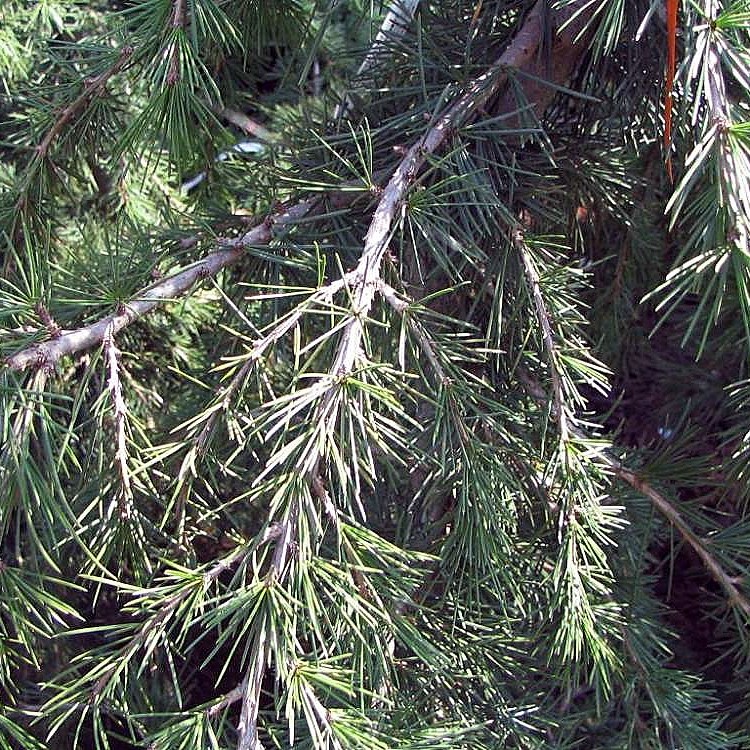
  • Foliage: Soft, short needles arranged in dense whorls, with a consistent silvery-blue hue that intensifies in full sun and holds its color year-round, even through cold winter months.
  • Growth habit: Naturally pyramidal form with gently drooping branch tips, a signature trait of deodar cedar cultivars that sets it apart from more rigid upright evergreens.
  • Size: Slow to moderate growth rate of 6 to 12 inches per year, reaching 10 to 15 feet tall and 6 to 8 feet wide at maturity after 20 years of growth, with a naturally compact pyramidal form. Young potted specimens under 3 years old typically stand 2 to 4 feet tall with a dense, bushy shape.
  • Cones: Mature trees produce small, 3 to 4 inch long barrel-shaped cones that start green and ripen to brown, usually appearing after 10 or more years of growth.

If you are comparing young conifers at a nursery, the most reliable way to distinguish this cultivar is by its foliage color: it is significantly brighter and more silver-toned than standard blue deodar cedar varieties. For a full breakdown of the cultivar’s official traits, see our Bush's Electra Deodar Cedar encyclopedia entry.

How Does It Compare to the Blue Atlas Cedar?

Many blue evergreens are sold under generic "blue cedar" labels, making it easy to pick the wrong tree for your space. The most common mix-up is between this dwarf cultivar and the Blue Atlas Cedar, another popular blue conifer with a similar color profile but very different growth needs. Below are key differences to help you choose the right tree for your yard:

Feature This Dwarf Blue Deodar Cedar Blue Atlas Cedar
Mature size 10-15 ft tall, 6-8 ft wide at 20 years 40-60 ft tall, 20-30 ft wide at maturity
Foliage color Bright silvery-blue, soft, flexible needles Deep steel blue, stiffer, sharper needles
Branch habit Gently drooping, arching branch tips Upright, rigid, outward-spreading branches
Hardiness USDA zones 6-9, tolerates lows down to -10°F USDA zones 6-8, tolerates lows down to -5°F
Growth rate 6-12 inches per year, slow and steady 12-24 inches per year, faster growing
Ideal use case Small residential yards, foundation plantings, compact screens Large properties, open landscapes, statement trees for big yards

The most important difference for residential buyers is size: the Electra Blue Deodar Cedar stays small enough for most suburban yards, while the Blue Atlas Cedar requires much more space to grow without crowding structures or other plants. If you accidentally bring home the wrong cultivar, the Sproutly app can help you identify it and adjust your care or planting plan accordingly.

Ideal Growing Conditions

This low-fuss conifer thrives with minimal intervention as long as you plant it in a spot that matches its basic needs. Before you dig, confirm your planting location meets these requirements:

  • Sunlight: Full sun, meaning at least 6 hours of direct, unfiltered light per day. Too much shade will cause the foliage to fade to a dull blue-green and reduce branching density.
  • Soil: Well-draining, loamy or sandy soil with a slightly acidic to neutral pH. It tolerates occasional rocky or poor soil as long as it does not stay saturated after rain or watering. Heavy clay soil that holds water will cause root rot, so amend it with compost or sand to improve drainage before planting.
  • Climate: USDA hardiness zones 6 through 9, tolerating winter lows down to -10°F and mild summer heat up to 95°F, as long as it has consistent access to water during heat waves. It does not perform well in areas with high humidity combined with extreme heat, such as parts of southern Florida.
  • Space: Plant at least 8 feet away from structures, power lines, and property lines to accommodate its mature spread. Avoid planting it in low-lying spots in your yard that collect standing water after storms.

If you are unsure if your planting spot has the right drainage, dig a 1-foot-wide by 1-foot-deep hole, fill it with water, and let it drain completely. Fill it again and time how long it takes to drain: if it takes longer than 2 hours, the soil is too heavy for this conifer, and you should either amend it or choose a different spot.

Step-by-Step Planting Instructions

Planting this blue cedar correctly is the most important step to ensure it establishes quickly and grows well for decades. Proper planting reduces transplant shock, which is the leading cause of dieback in young conifers during their first year in the ground. Follow these steps for best results, whether you are planting a potted nursery specimen or a ball-and-burlap tree:

  1. Time your planting Plant in early spring after the last frost, or in early fall at least 6 weeks before the first expected frost, to give the roots time to establish before extreme temperatures arrive. Avoid planting in the middle of summer or winter, when temperature stress can shock the tree. If you must plant in summer, provide temporary shade with a light shade cloth for the first 2 to 3 weeks after planting to reduce heat stress.

  2. Prepare the soil and dig the planting hole If you have heavy clay soil, mix 1 part compost and 1 part coarse sand into 2 parts of the native soil you remove from the hole to improve drainage. Make the hole twice as wide as the root ball and exactly the same depth as the root ball. The top of the root ball should sit level with the surrounding soil, not buried or raised above it, to prevent stem rot or root exposure. Do not add fertilizer or fresh manure to the planting hole, as this can burn young roots during establishment.

  3. Prepare the root ball For potted trees, gently loosen any tightly wound roots around the edge of the root ball with your fingers to encourage them to grow outward into the surrounding soil. If the root ball is extremely dense and root-bound, make 3 to 4 shallow vertical cuts down the sides of the root ball with a clean knife to help roots break free. For ball-and-burlap trees, remove any wire baskets and cut away the top two-thirds of the burlap to prevent it from wicking water away from the roots after planting. Leave the bottom third of the burlap in place to avoid disturbing the root ball; it will decompose naturally over time.

  4. Backfill the hole Fill the hole halfway with your amended native soil, tamping it down gently to eliminate air pockets. Water deeply to settle the soil, then fill the rest of the hole with soil, tamping again lightly. Create a shallow 3-inch wide berm of soil around the outer edge of the planting hole to help direct water toward the root zone during watering.

  5. Post-planting watering and mulching Add a 2 to 3 inch layer of wood chip or shredded bark mulch in a 3-foot circle around the base of the tree, keeping the mulch 2 inches away from the trunk to prevent rot. Water deeply immediately after planting, applying enough water to moisten the soil 12 to 18 inches deep. For the first 6 weeks after planting, water 2 to 3 times per week if there is no rain, then reduce to once per week for the remainder of the first growing season. If you log your tree in the Sproutly app, you will get personalized watering reminders tailored to your local climate and recent rainfall to avoid over or under-watering during establishment.

If you are planting more than one of these trees as a screen or border, space them 8 to 10 feet apart to give them room to spread as they mature without crowding each other.

Ongoing Care & Maintenance Routine

Once established, this dwarf conifer requires very little routine care to stay healthy and retain its vivid color. Follow this simple maintenance schedule:

  • Watering: After the first year, established trees are drought-tolerant, and only need supplemental water during extended dry spells of 2 weeks or more. Overwatering is the most common cause of health issues for this conifer, so err on the side of watering less rather than more.
  • Fertilizing: This tree does not require regular fertilization. If growth is very slow or foliage appears pale, you can apply a slow-release, balanced evergreen fertilizer once per year in early spring, following the package instructions for dosage based on the size of your tree. Avoid fertilizing after mid-summer, as this can encourage new growth that will be damaged by winter frost.

Pruning and Long-Term Maintenance Tips

This cultivar maintains its natural pyramidal shape without regular pruning, but occasional light pruning can help maintain its health and appearance as it matures. Follow these guidelines to avoid damaging your tree:

  • Prune at the right time: Do all pruning in late winter before new spring growth emerges, when the tree is dormant. Avoid pruning in fall, as fresh cuts are more susceptible to fungal disease and winter damage.
  • Remove damaged growth first: Cut away any dead, diseased, broken, or crossing branches first to improve air circulation and reduce the risk of disease spread. Make clean cuts just outside the branch collar (the swollen area where the branch meets the trunk) to encourage fast healing.
  • Light shaping only: If you want to adjust the tree’s shape or reduce its size slightly, only trim back the current year’s new growth. Never cut back into old, bare wood, as conifers do not produce new growth on bare, woody branches, and this will leave permanent bare spots on the tree.
  • Avoid shearing: Never shear the tree into a formal shape, as this will destroy its natural graceful form and lead to thin, stressed growth on the outer edges of the canopy.
  • Mature tree maintenance: For trees over 10 years old, inspect the canopy annually for any weak, overhanging branches that may be at risk of breaking under heavy snow or ice weight. Remove these branches in late winter to prevent structural damage. If you are unsure how to prune a mature specimen, consult a certified arborist to avoid accidental damage.

In zones 6, young trees under 3 years old may benefit from a burlap wrap during their first 2 to 3 winters to protect them from harsh wind and sunscald. For all zones, avoid piling snow or ice against the branches, as the weight can cause branches to break.

Common Pests, Diseases, and Troubleshooting

This dwarf blue conifer is relatively pest and disease resistant, but it can develop issues if grown in unsuitable conditions. Catching problems early is the best way to prevent permanent damage, so inspect your tree’s foliage and branches once per month during the growing season. These are the most common problems you may encounter, and how to resolve them:

Pests

  • Aphids: Small, soft-bodied green or brown insects that cluster on the undersides of new growth, sucking sap and causing stunted or distorted needles. They also excrete sticky honeydew that can lead to sooty mold growth. Small infestations can be hosed off with a strong stream of water. For larger infestations, apply neem oil or insecticidal soap according to package instructions.
  • Scale: Small, immobile brown or gray bumps that attach to branches and needles, sucking sap and causing yellowing foliage. Light infestations can be scraped off by hand, or treated with horticultural oil applied in late winter to smother overwintering scale eggs.
  • Spider mites: Tiny, red or brown mites that cause fine webbing on the undersides of branches and stippled, yellowed needles. They thrive in hot, dry conditions. Increase humidity around the tree by spraying the foliage with water once per day during heat waves, and treat severe infestations with neem oil or a miticide labeled for use on conifers.

Diseases

  • Root rot: Caused by overwatering or poorly draining soil, leading to yellowing, wilting foliage and dieback of branches. If caught early, stop watering completely until the soil 6 inches below the surface is fully dry. If the problem persists, you may need to dig up the tree, trim away any mushy, black roots, and replant it in a better-draining spot with amended soil.
  • Tip blight: Brown, dead tips on new growth are a sign of fungal tip blight, which is most common in wet, humid spring weather. Prune away all affected branches, making sure to sanitize your pruning tools between cuts with a 10% bleach solution to avoid spreading the fungus. In severe cases, you can apply a copper fungicide according to package instructions to stop the spread.
  • Needle cast: Fungal disease that causes older needles to turn yellow or brown and drop prematurely, leading to thin, sparse foliage. Improve air circulation around the tree by pruning back any surrounding overgrown plants, and avoid watering the foliage directly, as moisture promotes fungal growth. Apply a copper fungicide in early spring to protect new growth if the problem reoccurs annually.

Other Common Issues

  • Yellow or brown foliage: In addition to overwatering, this can be caused by transplant shock in newly planted trees, extreme heat stress, or winter burn. If the tree is newly planted, ensure it is getting consistent water and consider temporary shade during summer heat spikes. For winter burn, wrap young trees in burlap the following winter to protect them from harsh winds.
  • Faded foliage color: Dull, greenish-blue foliage usually means the tree is not getting enough sunlight. If it is planted in a shaded spot, you may need to relocate it to a sunnier area, or trim back overhanging branches that are blocking light. Faded color can also be caused by nutrient deficiency, so you can apply a balanced evergreen fertilizer in early spring to help restore color.

If you notice unusual symptoms you cannot identify, upload a photo of the affected foliage to the Sproutly app for a diagnosis and tailored treatment recommendations.

Landscape Design Ideas & Companion Planting

The compact size and year-round color of this conifer make it a versatile addition to almost any residential landscape. Its cool silvery-blue foliage acts as a perfect neutral backdrop for warm and bold plant colors, and its slow growth means it will not quickly outgrow its space. These are some of the most popular ways to use it in your design:

Landscape Use Cases

  • Specimen tree: Plant a single tree as a focal point in a front yard or backyard island bed, where its silvery-blue foliage will stand out against green lawns and darker green shrubs. It is particularly striking when backlit by early morning or late afternoon sun, which makes its needles glow.
  • Low privacy screen: Plant a row of these conifers spaced 8 to 10 feet apart to create a dense, year-round privacy screen that blocks views of neighboring properties or busy streets without growing tall enough to interfere with power lines. Its compact size makes it ideal for screening along property lines in suburban yards with limited space.
  • Mixed conifer bed: Pair it with contrasting evergreens such as dark green arborvitae, golden hinoki cypress, or dwarf pine varieties to create a layered, textured evergreen bed that provides color interest year-round. The cool blue of its foliage balances warm gold and deep green tones perfectly.
  • Foundation planting: Use a young specimen as part of a foundation planting on the corner of a house, making sure to plant it at least 8 feet away from the structure to accommodate its mature spread. Its soft, drooping branches add a graceful touch to formal foundation plantings without looking too rigid.
  • Rock garden or xeriscape: Its drought tolerance makes it a good fit for rock gardens or low-water xeriscapes, where it will grow well alongside other drought-tolerant perennials and shrubs. It thrives in sloped, well-draining areas where other trees may struggle with root rot.
  • Container planting: Young specimens can be grown in large, well-draining containers for 3 to 5 years, making them a great option for patios, decks, or entryway plantings. Choose a container that is at least 2 sizes larger than the root ball, with multiple drainage holes, and use a well-draining potting mix formulated for evergreens. You will need to repot it every 2 to 3 years as it grows, until it is large enough to plant in the ground.

Companion Planting Recommendations

Pair this conifer with plants that complement its color and growing requirements for a low-maintenance, cohesive design:

  • Perennials: Warm-toned flowering perennials such as orange daylilies, purple coneflowers, pink salvia, or yellow coreopsis create a striking color contrast with its blue foliage. For a cooler color palette, pair it with white shasta daisies, lavender, or silver-leafed plants such as lamb’s ear or dusty miller.
  • Shrubs: Complementary shrubs include dwarf butterfly bush, spirea, ninebark, or boxwood. Avoid planting shade-loving shrubs directly beneath its canopy, as the dense foliage will block too much light for them to thrive.
  • Groundcovers: Low-growing groundcovers such as creeping thyme, sedum, or creeping phlox work well around its base, as they tolerate partial shade and well-draining soil. Avoid thick, moisture-retentive groundcovers such as ivy directly against the trunk, as they can hold too much moisture and increase the risk of stem rot.

Buying Guide: How to Pick a Healthy Specimen

When shopping for this blue conifer, it is important to pick a healthy specimen to avoid introducing pests or diseases to your yard, and to ensure the tree establishes quickly after planting. Mislabeled cultivars are common at big-box nurseries, so take the time to verify you are getting the right tree for your space. Follow these tips when shopping at a nursery or ordering online:

  1. Confirm the cultivar Look for a tag that lists the scientific name Cedrus deodara 'Bush's Electra' to avoid buying a larger blue cedar cultivar by mistake. If there is no tag, ask the nursery staff to confirm the cultivar, or use the Sproutly app to identify the tree from a photo of its foliage before purchasing. Avoid trees labeled only as "blue deodar cedar" or "electric blue deodar cedar" without a full cultivar name, as these may be larger varieties that will outgrow your space.

  2. Inspect the foliage Look for consistent, bright silvery-blue foliage across the entire tree. Avoid specimens with brown, yellow, or wilted needles, as these may be stressed or diseased. Check the undersides of branches for signs of pests such as webbing, sticky residue, or visible bugs. A few brown needles on the inner, lower portion of the tree are normal, as older needles naturally shed as the tree grows.

  3. Check the root system For potted trees, gently tip the pot to look at the drainage holes. If roots are growing out of the holes in a dense mass, the tree is root-bound, and may struggle to establish after planting. Gently slide the tree out of the pot if possible to check the root ball: avoid trees with roots circling the top of the root ball, as these can girdle the trunk as the tree grows and cause structural failure later on. For ball-and-burlap trees, check that the root ball is firm and intact, with no loose soil or broken roots exposed.

  4. Inspect the trunk and branches Look for a straight, central leader (the main upright trunk) and evenly spaced branches. Avoid trees with cracked or damaged bark, or multiple competing central leaders, as these can lead to structural issues as the tree matures. Check for any signs of sunscald on the trunk, which appears as pale, cracked bark on the south-facing side of the tree.

  5. Consider size and price Young 2 to 3 foot tall potted specimens are the most affordable, with prices varying based on your location and nursery. They are also the most likely to establish quickly, as they experience less transplant shock than larger specimens. Larger 5 to 6 foot tall ball-and-burlap specimens cost more, and are a good choice if you want instant impact in your landscape.

  6. Source from reputable sellers Buy from local nurseries that specialize in trees adapted to your climate, as their stock will be acclimated to your local temperature and soil conditions. If ordering online, choose reputable nurseries that guarantee their plants and ship them with intact root balls, with adequate packaging to protect the foliage and roots during transit. Avoid purchasing from unknown third-party sellers on marketplace sites, as they often sell mislabeled or low-quality specimens.

Frequently Asked Questions

Is the Electra Blue Deodar Cedar safe for dogs and cats?

Yes, this cultivar is non-toxic to dogs, cats, and other household pets, making it a safe choice for yards where pets spend time unsupervised.

How fast does this blue conifer grow?

It grows 6 to 12 inches per year, reaching 10 to 15 feet tall and 6 to 8 feet wide at maturity after 20 years of growth, with a naturally compact pyramidal form.

Can I grow this deodar cedar in a container?

Young specimens can be grown in large, well-draining containers for 3 to 5 years, but will eventually need to be planted in the ground to accommodate their mature root system.

What’s the difference between the Electra Blue Deodar Cedar and the electric blue deodar cedar?

There is no difference: electric blue deodar cedar and deodar cedar electric blue are common unofficial nicknames for the official cultivar Cedrus deodara 'Bush's Electra', sold commercially as the Electra Blue Deodar Cedar.

Try Sproutly for More Plant Care Help

Whether you are confirming a cultivar at the nursery, troubleshooting a yellowing needle issue, or creating a custom care schedule for your new tree, Sproutly makes plant care simple. The app offers free plant identification, personalized care reminders, and access to a community of plant experts to help you keep your Electra Blue Deodar Cedar and all your other plants thriving. Try Sproutly today at https://heysproutly.com.

関連記事

こちらのガイドもおすすめ

すべての記事を見る