Callicarpa Beautyberry: Identification, Care, Uses, and Top Cultivars
Learn how to grow, identify, and use callicarpa beautyberry, a pet-safe, medicinal native shrub with vibrant purple berry clusters for your outdoor garden.
Callicarpa Beautyberry: Identification, Care, Uses, and Top Cultivars
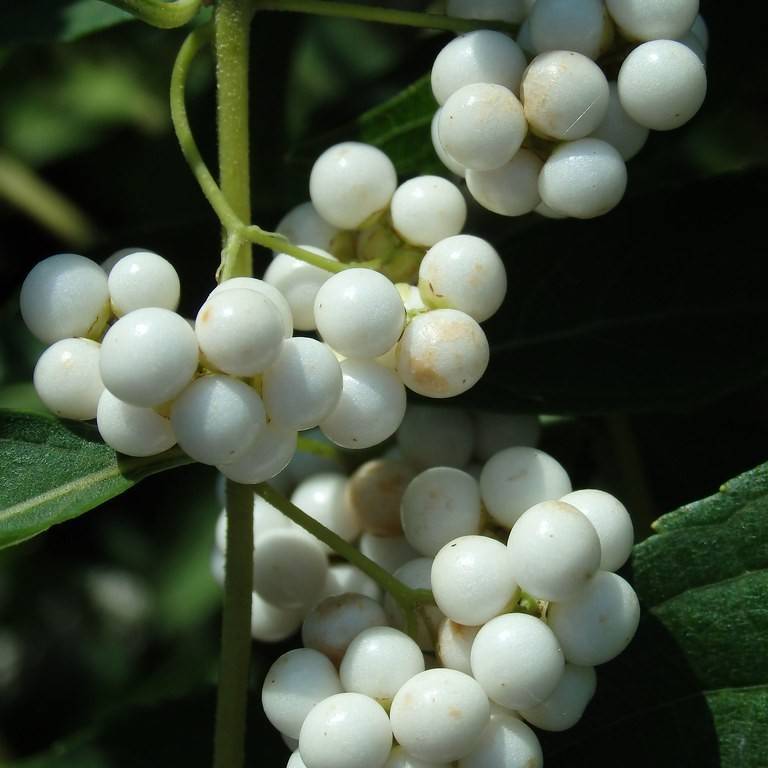
Callicarpa beautyberry is a deciduous shrub native to the southeastern U.S. and parts of Asia, grown for its vibrant purple berry clusters that persist from late summer through early winter. It is pet-safe, drought-tolerant once established, and supports native pollinators and wildlife.
What Is Callicarpa Beautyberry?
Callicarpa beautyberry is a deciduous shrub native primarily to the southeastern U.S. and parts of Asia, known for dense, bright purple (or occasionally white) berry clusters that appear in late summer and persist through early winter. Most varieties grow 3 to 8 feet tall and wide, with simple, opposite green leaves that turn yellow in fall. The Sproutly app can help you distinguish between wild and cultivated callicarpa beautyberry specimens by scanning leaves, berries, or growth habit.
Key Identifying Features
- Clusters of 1/4-inch round berries that wrap tightly around woody stems
- Oval, serrated leaves 2 to 6 inches long with a faint fuzzy texture on the underside
- Small, pale pink or white clustered blooms that appear in late spring before berry formation
Etymology of the Name
The genus name Callicarpa comes from the Greek words kallos (beauty) and karpos (fruit), a direct reference to the plant’s striking berry displays, which are the most recognizable trait of all callicarpa beautyberry varieties. For more details on the most common North American species, view the Callicarpa americana beautyberry profile in our plant encyclopedia.
Common Callicarpa Beautyberry Species and Cultivars
There are more than 140 species in the Callicarpa genus, but only a handful are widely grown in home gardens. Each varies slightly in size, berry color, cold hardiness, and fruit production timing, so selecting the right variety for your region ensures consistent berry yields year after year.
North American Native Varieties
- Callicarpa americana: The most common native U.S. variety, hardy to USDA zones 6 to 10, with large 4 to 6 inch berry clusters that ripen in early September.
- Callicarpa americana var. lactea: A white-berried natural variant of the native species, with the same growth habit and hardiness as the standard purple variety.
Asian Cultivars
- Callicarpa bodinieri var. giraldii 'Profusion': A heavy-fruiting cultivar hardy to zone 5, that produces dense purple berry clusters even without a pollinator nearby. Find more details on this variety in our Callicarpa bodinieri beautyberry profile.
- Callicarpa dichotoma 'Early Amethyst': A compact 3 to 4 foot tall variety that ripens berries 2 to 3 weeks earlier than most other types, ideal for short growing seasons. Additional care details are available in the Callicarpa 'Early Amethyst' beautyberry profile.
- Callicarpa dichotoma f. albifructa: A white-berried Asian cultivar with a more rounded growth habit than the native white variety.
- Callicarpa dichotoma 'Issai': A dwarf 2 to 3 foot tall cultivar that produces fruit in its first year of planting, suitable for small garden beds or large containers.
Ideal Planting Location for Callicarpa Beautyberry
Callicarpa beautyberry grows best in full sun, which supports the heaviest berry production; it can tolerate partial shade, but will produce fewer flowers and sparser berry clusters. It prefers well-draining, loamy soil with a pH between 5.5 and 7.0, and can adapt to occasionally wet or clay soil as long as standing water does not persist for more than 24 hours after rain.
Light and Spacing Requirements
If you are planting callicarpa beautyberry as a hedge, space plants 3 feet apart to create a dense, continuous row that will fill in within 2 to 3 growing seasons. For individual specimen plants, leave 4 to 6 feet of space between shrubs to allow for full mature spread and adequate air circulation.
USDA Hardiness Zones
Most callicarpa beautyberry varieties are hardy to USDA zones 5 to 10. Native Callicarpa americana is only hardy to zone 6, so gardeners in colder zones should select cold-tolerant cultivars like 'Profusion' or 'Early Amethyst' for reliable winter survival. In zone 5, plant shrubs in a sheltered location away from harsh north-facing winds to reduce winter dieback.
How to Plant Callicarpa Beautyberry
The best time to plant callicarpa beautyberry is in late fall after leaf drop or early spring before new growth emerges, when the shrub is dormant and experiences less transplant shock. Bare-root specimens have a higher survival rate than potted plants when planted during these dormant periods, as long as roots are kept moist before planting.
Bare-Root Planting Steps
- Soak bare roots in room-temperature water for 1 to 2 hours before planting to rehydrate them. Do not soak roots for more than 4 hours, as extended submersion can cause root rot.
- Dig a hole twice as wide as the root spread and the same depth as the root ball, so the top of the root crown sits level with the surrounding soil. Planting the root crown too deep can cause stem rot and reduced growth.
- Backfill the hole with native soil mixed with 1 part compost to improve drainage and nutrient content. Do not add fertilizer to the planting hole, as this can burn tender new roots.
- Water thoroughly after planting to settle soil around the roots, and add a 2-inch layer of wood chip mulch around the base to retain moisture and suppress weeds. Keep mulch 2 inches away from the stem to prevent rot.
Potted Plant Planting Steps
For potted callicarpa beautyberry, gently loosen tangled roots before placing the plant in the hole, and follow the same backfilling, watering, and mulching steps as for bare-root specimens. Potted plants can be planted throughout the growing season, but will require more frequent watering during hot summer months until established. Water potted transplants 2 to 3 times per week for the first month after planting, then reduce to 1 inch of water per week as roots spread into the surrounding soil.
Callicarpa Beautyberry Care and Maintenance
Established callicarpa beautyberry shrubs are drought-tolerant, requiring only 1 inch of water per week during extended dry periods for the first 2 years after planting. They do not need regular fertilization; a single application of balanced 10-10-10 fertilizer in early spring is sufficient to support growth if planted in poor quality soil. Over-fertilizing will lead to excessive leaf growth and reduced berry production.
Pruning Guidance
If you prefer a more natural, untrimmed shape, you can skip heavy pruning entirely, but berry production will decline as older stems become woody and less productive over time. For maximum berry yield, prune shrubs in late winter before new growth emerges. Every 2 to 3 years, cut all stems back to 6 to 12 inches above ground to encourage new, productive growth. Younger shrubs only need light pruning to remove dead, damaged, or crossing stems.
Common Pests and Diseases
Callicarpa beautyberry is largely pest and disease resistant. The only common issues are leaf spot and powdery mildew, which occur in overly shaded, poorly ventilated spots. These can be prevented by planting in full sun and spacing shrubs appropriately to allow air flow. If you notice unusual leaf discoloration, use the Sproutly app to diagnose the issue and get targeted treatment recommendations. For tips on identifying early signs of fungal or pest issues, reference our guide to Indoor Plant Pests Identification: Pictures and Signs to Spot Infestations Early, which includes diagnostic steps applicable to outdoor shrubs as well.
When Will Your Callicarpa Beautyberry Produce Fruit?
Most callicarpa beautyberry shrubs produce their first full crop of berries 2 to 3 years after planting, though early-fruiting cultivars like 'Issai' may produce a small crop in their first growing season. Berries ripen from late August to early October, depending on the variety and local climate, and will persist on the shrub through most of the winter unless eaten by birds.
Pollination Requirements
Most callicarpa beautyberry varieties are self-fertile, so you only need one shrub to produce fruit. However, planting two or more different cultivars within 10 feet of each other will result in larger, denser berry clusters. Wild bees and native pollinators are the primary pollinators for callicarpa beautyberry flowers, so avoid using broad-spectrum insecticides near shrubs during bloom time to protect pollinator populations.
Reasons for No Berry Production
- Too much shade, which reduces flower formation and subsequent fruit set
- Over-fertilization with high-nitrogen products, which promotes leaf growth over flower and fruit production
- Late spring frost damage to emerging flower buds, which kills blooms before they can be pollinated
- Pruning in late spring or summer, which removes new wood that would have produced berries that season
Uses for Callicarpa Beautyberry
Callicarpa beautyberry has a range of ornamental, medicinal, and practical uses, making it a versatile addition to native and wildlife gardens. All parts of the plant are non-toxic to dogs, cats, and humans, so it is safe to plant in yards with pets and small children.
Ornamental Uses
The bright purple berry clusters of callicarpa beautyberry provide vibrant late-season garden color when most other flowering shrubs have finished blooming. They work well as specimen plants, hedges, or additions to pollinator or rain gardens, and the cut stems with berries make long-lasting additions to fall floral arrangements. Cut stems with unripe berries will continue to ripen indoors in a vase of water, retaining their color for up to 2 weeks.
Medicinal and Practical Uses
The berries are edible raw, though they have a mild, bland flavor; they are most often used to make jellies, jams, and wine, and are a valuable food source for songbirds, deer, and small mammals during the winter months. The leaves contain natural insect-repellent compounds; crushing fresh leaves and rubbing them directly on skin provides 2 to 3 hours of protection against mosquitoes, ticks, and fire ants, a use documented in traditional Indigenous medicine for centuries.
Native Habitat and Ecological Benefits of Callicarpa Beautyberry
Native Callicarpa americana is naturally found in open woodlands, meadows, and stream banks across the southeastern U.S., from Texas to Maryland and south to Florida. It is a keystone native plant that supports more than 20 species of native bees, and its berries are eaten by more than 40 species of songbirds, including cardinals, mockingbirds, and finches, during the winter when other food sources are scarce.
Wildlife Garden Benefits
Planting callicarpa beautyberry in your garden supports local pollinator populations and provides critical food for migrating and overwintering birds. It is also deer-resistant in most regions, as deer tend to avoid the fuzzy leaves and only eat the berries in periods of extreme food scarcity. The shrub’s dense growth habit also provides shelter for small birds and beneficial insects throughout the year.
Erosion Control Uses
The dense, fibrous root system of callicarpa beautyberry makes it effective for stabilizing soil on slopes, stream banks, and rain garden edges, where it helps reduce runoff and prevent soil erosion during heavy rain events. It tolerates occasional flooding, making it a good choice for low-lying areas of the garden that drain slowly after rain.
How to Identify Callicarpa Beautyberry With Sproutly
If you spot a wild shrub with purple berry clusters or are unsure which callicarpa beautyberry cultivar you have planted, the Sproutly app can help you identify it in seconds by scanning a photo of the leaves, berries, or stems. You will get an instant confirmation of the species, plus personalized care recommendations tailored to your local climate and the specific variety you have.
In addition to identification, Sproutly can send you timely reminders for pruning, watering, and fertilizing your callicarpa beautyberry to help you maximize berry production year after year, and flag any early signs of pest or disease issues before they become severe. The app’s database includes all 8 common cultivated varieties of the shrub, so you can distinguish between native and Asian cultivars even when they are not in berry.
Frequently Asked Questions
Is callicarpa beautyberry toxic to pets?
No, all varieties of callicarpa beautyberry are non-toxic to dogs, cats, and humans, so they are safe to plant in yards with pets and small children.
When is the best time to prune callicarpa beautyberry?
Prune callicarpa beautyberry in late winter before new growth emerges. Heavy pruning every 2 to 3 years, cutting stems back to 6 to 12 inches above ground, will encourage new growth and heavier berry production.
Do you need two callicarpa beautyberry shrubs to get fruit?
No, most callicarpa beautyberry varieties are self-fertile, so you only need one shrub to produce berries. Planting two different cultivars close together will result in larger, denser berry clusters.
Can you eat callicarpa beautyberry berries?
Yes, callicarpa beautyberry berries are edible raw, though they have a mild, bland flavor. They are most commonly used to make jellies, jams, and wine, and are safe for human consumption in moderate amounts.
Does callicarpa beautyberry repel mosquitoes?
Yes, the leaves of callicarpa beautyberry contain compounds that repel mosquitoes, ticks, and fire ants. Crushed fresh leaves rubbed directly on skin provide 2 to 3 hours of effective insect repellent protection.
Try Sproutly
Ready to identify unknown shrubs in your yard, get personalized care tips for your callicarpa beautyberry, and track your plant’s growth throughout the season? Download the Sproutly app today to access our extensive plant identification database, custom care reminders, and troubleshooting support for all your garden plants. Visit heysproutly.com to learn more.
関連記事
こちらのガイドもおすすめ
Dichondra Argentea (Silver Falls): Complete Care, Growing, and Use Guide
Learn how to grow and care for Dichondra argentea 'Silver Falls', a drought-tolerant, pet-safe trailing perennial perfect for hanging baskets and ground cover.
2026-08-04 · 11 min read
Firecracker Flower: Complete Care, Cultivation, and Identification Guide
Learn how to grow and care for firecracker flower (Crossandra infundibuliformis), a pet-safe, humidity-loving tropical houseplant with bright tubular blooms.
2026-08-04 · 19 min read
Juniperus Squamata Blue Star: Complete Care, Design, and Identification Guide
Learn how to grow, care for, and design with Juniperus squamata blue star, a low-growing, pet-safe evergreen shrub with striking silvery-blue foliage.
2026-08-03 · 14 min read