Arugula: Growing, Nutrition, Uses, and Complete Care Guide
Learn all about arugula (rocket/rucola): its spicy, nutty flavor, growing tips, nutrition benefits, storage hacks, and culinary uses for this pet-safe leafy green.
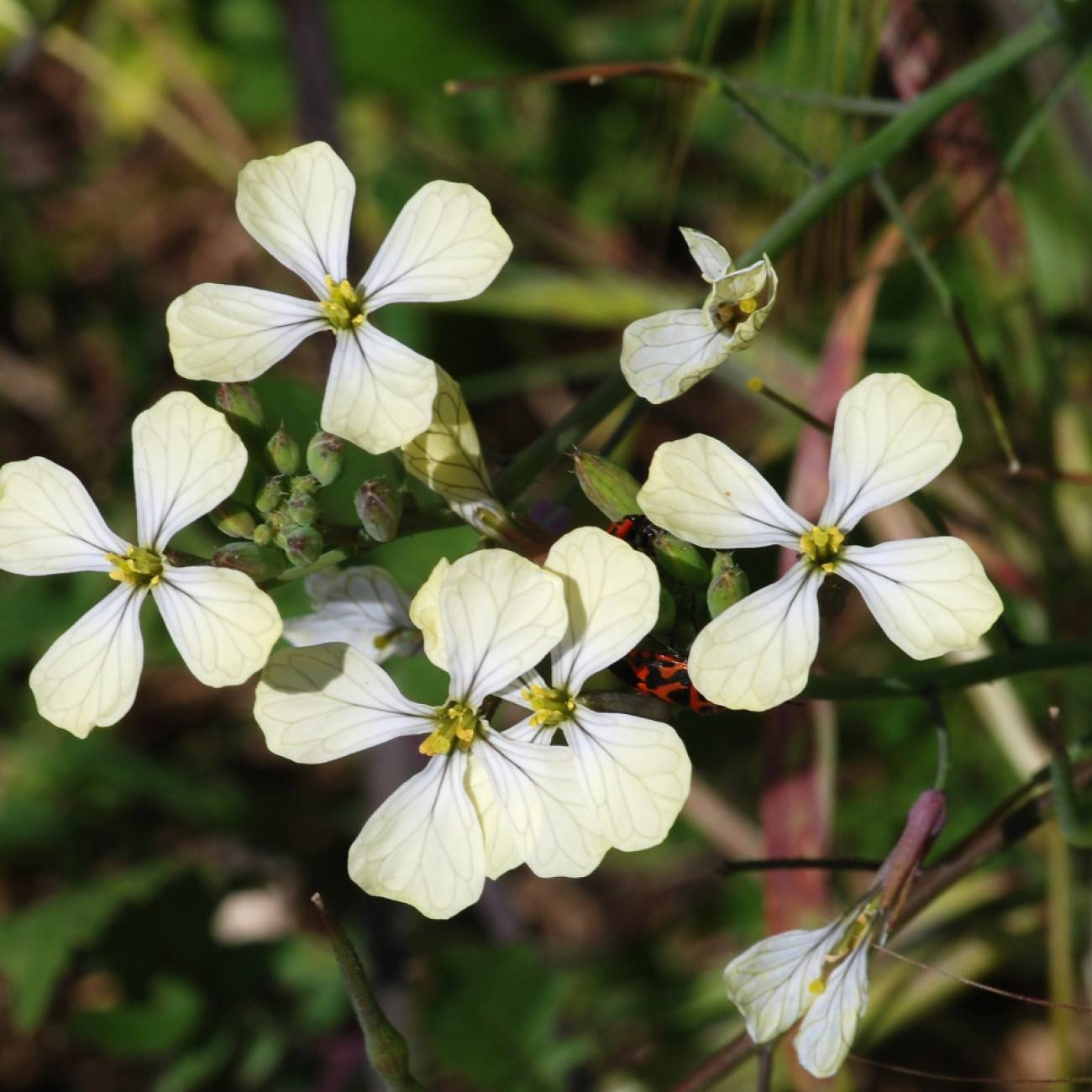
A fast-growing cool-season leafy green in the Brassicaceae family, this peppery, nutty crop is packed with vitamins A, C, and K, pet-safe, and easy to grow in gardens or containers for harvest in as little as 30 days. It works well raw in salads, cooked into warm dishes, or used as a bright garnish.
What Is This Leafy Green? (Eruca versicaria subsp. sativa) Identification and Taxonomy
Also commonly called rocket or rucola, this plant grows 8–24 inches tall, with deeply lobed, dark green leaves and small white or yellow flowers that bloom if it bolts in warm temperatures. The Sproutly app can help you distinguish it from lookalike greens like wild mustard by its distinct leaf shape and mild peppery scent.
Common Name Variations and Etymology
Its name varies widely across regions, reflecting its long history of cultivation around the Mediterranean. In most of Europe and the United Kingdom, it is called rocket, a term derived from the Latin eruca, which referred to a group of spicy brassica greens. The name “arugula” comes from the southern Italian dialect word arucola, which spread to North America with Italian immigration. Other common names include rucola, roquette, and garden rocket.
Key Identification Features for New Gardeners
New gardeners often mix up young seedlings with other wild brassica greens, but a few distinct traits make identification simple. Leaves have deep, irregular lobes that resemble small oak leaves, with a smooth, slightly waxy surface and a bright dark green color. Crushed leaves release a mild, peppery, mustard-like scent that sets it apart from milder greens like dandelion or wild lettuce. Mature plants that have bolted produce clusters of four-petaled white or pale yellow flowers with purple veins, a classic trait of Brassicaceae family plants.
Wild vs. Cultivated Differences
Cultivated arugula (Eruca versicaria subsp. sativa) is the most common type sold in grocery stores and grown in home gardens, with broad, lobed leaves and a balanced peppery-nutty flavor. Wild varieties, by contrast, are a separate species (Diplotaxis tenuifolia) with narrower, more deeply serrated leaves and a far more intense, spicy flavor that lingers on the palate. Wild types are also more heat-tolerant than cultivated varieties, making them a better choice for gardeners in regions with mild spring temperatures that rise quickly in early summer.
Nutrition Facts and Evidence-Based Health Benefits
A 100-gram serving of raw leaves contains 25 calories, 2.6 grams of protein, 1.6 grams of fiber, 16% of your daily recommended vitamin A, 90% of your daily vitamin K, and 47% of your daily vitamin C. It also contains small amounts of calcium, iron, and potassium, plus antioxidant compounds like glucosinolates linked to reduced inflammation.
Key Micronutrient Breakdown
The nutrient profile stands out among leafy greens for its high vitamin K content, a nutrient critical for blood clotting and bone health. A single 100-gram serving provides nearly the full recommended daily intake of vitamin K for adult women, and 75% of the recommended intake for adult men. Its vitamin A content supports eye health and immune function, while its vitamin C content aids collagen production and iron absorption. The small amount of calcium in this plant is more bioavailable than calcium in higher-calcium greens like spinach, as it contains very little oxalate, a compound that binds to minerals and reduces absorption.
Potential Health Impacts of Regular Consumption
Regular consumption of this green, like other brassica greens, is associated with several long-term health benefits supported by nutritional research. Its glucosinolates break down into compounds called isothiocyanates when chopped or chewed, which have been shown to reduce inflammation and inhibit the growth of certain cancer cell lines in laboratory studies. Its high fiber content supports digestive health and may help lower LDL (bad) cholesterol levels when included as part of a balanced diet. Its low calorie and high nutrient density also make it a useful addition to diets focused on weight management or blood sugar control.
Rare Risks and Allergic Reactions to Note
This green is safe for most people to consume in standard food amounts, but a small subset of people may experience adverse effects. People taking blood-thinning medications like warfarin should consult their healthcare provider before making significant changes to their intake of vitamin K-rich foods like arugula, as sudden shifts in vitamin K intake can alter the effectiveness of these medications. Rare allergic reactions have been reported, usually in people with known allergies to other brassica vegetables like broccoli, mustard, or cabbage. Symptoms of an allergic reaction may include itching, swelling of the mouth or throat, or hives.
How to Grow This Cool-Season Green: Full Care Requirements
It grows best in full sun (6+ hours of direct light daily) and loose, well-draining soil with a pH between 6.0 and 7.0. It thrives in temperatures between 45°F and 65°F, and will bolt (produce flowers and turn bitter) if exposed to consistent temperatures above 75°F for more than 3 days. Log your plants’ light exposure and watering schedule in the Sproutly app to get custom reminders for ideal care.
Outdoor Planting Timing and Sowing Tips
As a cool-season crop, seeds should be sown directly in the garden 1–2 weeks before the last average frost date in spring, or 4–6 weeks before the first average frost date in fall for a second harvest. For a continuous supply of young, mild leaves, sow new seeds every 2–3 weeks throughout the cool growing season, stopping once daytime temperatures regularly exceed 70°F. Sow seeds ¼ inch deep and 1 inch apart, then thin seedlings to 3–4 inches apart once they develop their first set of true leaves. This crop does not transplant well, so direct sowing is preferred over starting seeds indoors. For more seasonal planting advice, reference our arugula care guide.
Watering Schedule: 1 inch of water per week, adjusted for rainfall
These plants have shallow roots, so they require consistent moisture to grow tender, mild leaves and avoid bolting prematurely. Provide 1 inch of water per week, either from rainfall or irrigation, and check the top 1 inch of soil every 2–3 days to ensure it stays evenly moist but not waterlogged. In periods of unseasonably warm or windy weather, you may need to water more frequently to prevent the soil from drying out completely. Mulching around the base of plants with 1–2 inches of straw or shredded leaves can help retain soil moisture and regulate soil temperature to delay bolting.
Common Pests and Diseases: Flea beetles, downy mildew, and aphid control
The most common pest affecting this crop is the flea beetle, a small black or bronze beetle that chews tiny, round holes in leaves, reducing their edibility and weakening the plant. To control flea beetles, cover young seedlings with floating row cover immediately after sowing to block access, or use organic pest control methods like neem oil or diatomaceous earth. For more targeted solutions, see our flea beetle pest control tips for leafy greens. Downy mildew, a fungal disease that causes yellow spots on the upper surface of leaves and fuzzy gray growth on the underside, thrives in cool, wet conditions. Prevent downy mildew by spacing plants properly to improve air circulation and watering at the base of plants rather than overhead. Aphids, small soft-bodied insects that cluster on the undersides of leaves, can be rinsed off with a strong stream of water or controlled with insecticidal soap.
Container Growing for Small Spaces
This green grows exceptionally well in containers, making it a good choice for apartment gardeners or anyone with limited outdoor space. Choose a container that is at least 6 inches deep with drainage holes, and fill it with a lightweight, well-draining potting mix. Sow seeds directly in the container, thinning seedlings to 2 inches apart once they germinate. Place containers in a location that receives 6+ hours of direct sunlight daily, and water more frequently than in-ground plants, as container soil dries out much faster. Potted plants can also be grown on a sunny windowsill indoors during the winter, as long as temperatures stay between 45°F and 65°F.
Varieties to Grow or Purchase
Common varieties range from mild, fast-growing types suited for salads to spicier, slower-growing varieties for cooked dishes. Wild arugula (Diplotaxis tenuifolia) has narrower leaves and a more intense peppery flavor than standard cultivated varieties, and is more heat-tolerant.
Standard Cultivated Varieties
Most commercial leaves sold in grocery stores are a standard cultivated variety selected for fast growth, mild flavor, and broad leaves. ‘Astro II’ is a popular fast-growing variety that matures in 30 days, with a very mild, nutty flavor that is ideal for people who find these greens too spicy. ‘Sylvetta’ is a slower-growing cultivated variety with slightly smaller leaves and a more pronounced peppery flavor, and it is slower to bolt than other standard varieties, making it a good choice for late spring plantings. ‘Rocket’ is the common European variety, with a balanced flavor and medium growth rate, maturing in 35 days.
Wild (Rocket) Characteristics
Wild varieties, sometimes sold as “perennial rocket” or “Italian wild arugula,” are a separate species from cultivated types, with distinct growth and flavor traits. They have narrow, deeply serrated leaves that are much smaller than cultivated leaves, and a sharp, almost spicy flavor that is far more intense than standard varieties. Wild types are more heat-tolerant and drought-tolerant than cultivated varieties, so they can be grown later in the spring without bolting as quickly. They are also a short-lived perennial in USDA zones 6 and above, meaning it will regrow from the roots for 2–3 years if left unharvested over the winter.
Specialty Heirloom Varieties for Home Gardeners
Home gardeners have access to a range of heirloom varieties with unique flavor and growth traits. ‘Wasabi’ is an heirloom variety with a sharp, spicy flavor that resembles wasabi, making it a popular choice for adding heat to salads or sushi bowls. ‘Olive Leaf’ has long, narrow leaves with a mild, sweet peppery flavor and a tender texture, and it is slower to bolt than most standard varieties. ‘Gourmet Blend’ seed mixes combine several cultivated and wild varieties to provide a range of leaf shapes and flavors, ideal for mixed salads.
How to Buy, Harvest, and Store These Greens
When buying fresh leaves, look for bright, crisp green foliage with no yellowing, slimy spots, or wilted edges. Homegrown plants are ready to harvest 30–40 days after sowing, when leaves are 2–3 inches long; cut outer leaves first to leave the center of the plant to regrow for multiple harvests.
Seasonality: Peak harvest periods for different regions
This is a cool-season crop, so its peak harvest period varies by region. In northern climates with cold winters and mild summers, it is harvested from late April through early June, and again from late August through October. In southern climates with hot summers and mild winters, it is grown as a fall and winter crop, harvested from October through March. Wild varieties have a slightly longer growing season, and can be harvested from early spring through late fall in mild coastal climates. Most grocery stores sell these greens year-round, as they are grown commercially in cool coastal regions and imported during off-seasons.
Step-by-Step Home Harvesting Instructions
Harvesting correctly will extend the plant’s productive life and allow you to get multiple harvests from a single sowing. Wait until plants are at least 4 inches tall and have 4–6 mature outer leaves, usually 30–40 days after sowing. Use clean, sharp scissors or garden shears to cut the outer 2–3 leaves from each plant, leaving at least 2 inches of growth and the central growing crown intact. Avoid pulling or twisting leaves, as this can damage the shallow root system and kill the plant. Harvest in the early morning, when leaves are most hydrated and crisp, for the best flavor and texture.
Refrigerator Storage: Keep unwashed leaves in a sealed container with a paper towel for up to 7 days
Proper storage extends the shelf life of fresh leaves significantly, preventing wilting and sliminess. Do not wash leaves before storing, as excess moisture speeds up decay. Place unwashed leaves in a sealed plastic container or resealable bag, and layer a dry paper towel between layers of leaves to absorb excess moisture. Store the container in the crisper drawer of your refrigerator, where temperatures stay between 32°F and 40°F. Replace the paper towel every 2–3 days if it becomes damp. Stored this way, fresh leaves will stay crisp and usable for up to 7 days.
Freezing and Preserving for Long-Term Use
These greens can be frozen for long-term use, though freezing will change their texture, making them unsuitable for raw use in salads. To freeze, wash and dry leaves thoroughly, then blanch in boiling water for 15 seconds, immediately transferring to an ice water bath to stop the cooking process. Pat leaves completely dry, then pack into airtight freezer bags or containers, removing as much air as possible before sealing. Frozen leaves will keep for up to 6 months, and work best in cooked dishes like soups, pastas, and pestos. They can also be preserved by blending into pesto and freezing the pesto in ice cube trays for easy portioning.
Culinary Ideas and Recipes
Its nutty, peppery flavor works well raw in salads, blended into pesto, or wilted into warm dishes like pastas, soups, and stir-fries. It can also be used as a peppery garnish for pizza, grain bowls, and sandwiches to add a bright, spicy kick without overwhelming other flavors.
Raw Use Cases: Salads, slaws, and sandwich toppings
Raw leaves add a bright, peppery contrast to mild, sweet, or creamy ingredients. Toss them with mixed greens, cherry tomatoes, shaved parmesan, and a lemon-vinaigrette for a simple side salad, or use as the base for a heartier salad with roasted vegetables, chickpeas, and feta. Shredded leaves add a spicy crunch to coleslaws, replacing part of the cabbage for a more complex flavor profile. They also work well as a sandwich or wrap topping, adding a peppery bite that cuts through rich ingredients like bacon, cheese, or roasted meat. For a tropical twist, pair leaves with ripe jackfruit in a grain bowl, using our Jackfruit: Complete Guide to Growing, Eating, and Caring For This Tropical Giant for preparation tips.
Cooked Dishes: Wilted greens, pestos, and soups
Cooking softens the peppery bite and brings out its nutty, earthy undertones. Wilt a handful of leaves into hot pasta or stir-fries during the last 1–2 minutes of cooking, as they cook down very quickly. Blend leaves with basil, pine nuts, parmesan, garlic, and olive oil for a spicy pesto that works well on pasta, sandwiches, or as a dip for vegetables. Add leaves to vegetable soups or minestrone during the last minute of cooking to add depth of flavor without turning the foliage mushy. Leaves can also be sautéed with garlic and olive oil as a simple side dish, seasoned with salt, pepper, and a squeeze of lemon juice.
Garnish Tips for Balancing Flavors in Savory Dishes
Its bright, peppery flavor makes it an ideal garnish for rich, creamy, or savory dishes that need a fresh, sharp contrast. Top a hot pizza with a handful of raw leaves immediately after taking it out of the oven, so the residual heat slightly wilts the foliage and softens their bite. Sprinkle leaves on top of creamy risottos, baked pasta dishes, or roasted vegetables to add a pop of color and a peppery kick. The small, edible flowers of bolted plants can be used as a decorative garnish for salads, appetizers, or charcuterie boards, adding a mild peppery flavor and bright white or yellow color.
Pairing Suggestions: Complementary ingredients like lemon, parmesan, and olive oil
These greens pair particularly well with a handful of classic ingredients that balance their peppery flavor. Acidic ingredients like lemon juice, balsamic vinegar, or red wine vinegar cut through the spiciness and bring out its nutty notes, making them the base for most salad dressings for these greens. Salty, umami-rich ingredients like parmesan cheese, pecorino, prosciutto, or olives complement the sharp flavor, creating a balanced flavor profile. Creamy ingredients like ricotta, goat cheese, avocado, or tahini mellow out the spiciness, making it more palatable for people who prefer milder flavors. It also pairs well with starchy ingredients like pasta, potatoes, rice, and crusty bread, which absorb its flavor and add texture to dishes.
How It Compares to Other Leafy Greens: Key Differences
This green has a spicier, more distinct flavor than mild greens like spinach and lettuce, and has a higher vitamin K content per serving than kale. Unlike other brassica greens like kale and collards, it has a tender texture that cooks down in less than 2 minutes over medium heat.
vs. Spinach: Flavor, Nutrition, and Use Cases
Spinach has a mild, almost sweet flavor and soft, tender texture, while these greens have a sharp, peppery flavor and a slightly crisp texture. Nutritionally, arugula has more vitamin K and vitamin C per serving than spinach, while spinach has more iron, folate, and magnesium. Spinach works well in both raw and cooked dishes, but its mild flavor makes it a more versatile addition to smoothies, omelets, and dishes where you don’t want a strong peppery taste. These greens are better suited for dishes where you want a distinct spicy kick, like salads, pestos, and garnishes.
vs. Kale: Texture and Cooking Time Differences
Kale has tough, fibrous leaves and a bitter, earthy flavor, while these greens have tender leaves and a sharp, peppery flavor. Nutritionally, kale has more vitamin A, calcium, and fiber per serving than these greens, but they have more vitamin K and vitamin C. Kale requires much longer cooking times to soften its tough texture, usually 5–10 minutes of sautéing or boiling, while these greens cook down in less than 2 minutes over medium heat. Raw kale requires massaging with dressing to soften its texture for salads, while raw leaves of this plant can be used immediately without any preparation.
vs. Mixed Greens: When to Use Each in Salads
Mixed greens, usually a blend of mild lettuces like baby spinach, red leaf lettuce, green leaf lettuce, and chard, have a mild, neutral flavor and soft texture. These greens have a far stronger, peppery flavor that can overpower other mild ingredients if used in large quantities. Use mixed greens as the base for salads when you want a mild, neutral background for strong-flavored ingredients like grilled meat, cheese, or heavy dressings. Use these greens as the base for salads when you want a bright, peppery flavor, or mix a small amount into mixed greens to add depth and complexity to the salad’s flavor profile.
Pet Safety and Traditional Medicinal Uses
These greens are non-toxic to dogs, cats, and horses, so accidental ingestion by pets will not cause harmful reactions, though large quantities may cause mild gastrointestinal upset. Historically, this plant has been used in traditional Mediterranean medicine as a digestive aid and diuretic, though clinical research on these uses is limited.
Pet Safety Guidelines for Home Gardens
This plant is classified as a pet-safe, so you can grow it in your garden or in containers without worrying about harmful effects if your pet nibbles on the leaves. Small amounts are safe for pets to eat, but large quantities may cause mild stomach upset, diarrhea, or vomiting, as the high fiber and glucosinolate content can irritate a pet’s digestive system. If you grow these greens in your garden, monitor your pet’s access to prevent them from eating large amounts of the plants. For more pet-safe plant options, reference our list of pet-safe houseplants and outdoor plants.
Traditional Medicinal Uses and Current Research
This plant has been cultivated for medicinal use for thousands of years, with records of its use dating back to ancient Roman times. It was traditionally used as a digestive aid to stimulate appetite and relieve indigestion, as a diuretic to reduce water retention, and as an aphrodisiac, though there is no clinical evidence to support this last use. Modern preliminary research has focused on the anti-inflammatory and anti-cancer properties of its glucosinolate compounds, but most studies have been conducted in laboratory settings, and more research is needed to confirm these effects in humans. It is not currently used as a clinical medical treatment, but it is considered a nutrient-dense addition to a healthy diet.
Frequently Asked Questions About Arugula
How long does it take arugula to grow from seed?
Arugula grows very quickly, with most varieties ready for first harvest 30–40 days after sowing seeds. You can harvest outer leaves as they mature to extend the plant’s production for 2–3 additional weeks before it bolts.
Why is my arugula bitter?
Arugula turns bitter when it bolts (produces flower stalks) in response to temperatures above 75°F, insufficient water, or being left to grow too long before harvesting. Young, small leaves have the mildest, least bitter flavor.
Can you eat arugula after it flowers?
Yes, arugula flowers and the leaves that grow after bolting are edible, though they will have a much stronger, spicier, and more bitter flavor than young leaves. The flowers can be used as a peppery garnish for salads and appetizers.
Is arugula better raw or cooked?
Arugula works well both raw and cooked. Raw arugula has a bright, peppery bite ideal for salads, while cooked arugula becomes milder and tender, making it a good addition to pastas, soups, and stir-fries.
Does arugula grow back after cutting?
Yes, if you harvest only the outer 2–3 leaves per plant and leave the central growing crown intact, arugula will regrow new leaves for multiple harvests over 4–6 weeks, as long as temperatures stay below 75°F.
Use Sproutly to Track Your Crop Growth and Care
The Sproutly app can help you identify volunteer seedlings in your garden, set custom watering and fertilizing reminders, and troubleshoot common issues like yellowing leaves or bolting. Upload a photo of your plant any time to get personalized care tips tailored to your local climate and growing conditions.
Whether you are growing arugula in a raised bed, container, or windowsill, Sproutly’s care tracking tools help you stay on top of optimal growing conditions to maximize harvests of mild, crisp leaves. You can also use the app to look up nutrition facts, recipe ideas, and storage tips for your harvested arugula, all in one place.
Try Sproutly today to simplify your home gardening journey and get the most out of your crop.
関連記事
こちらのガイドもおすすめ

Weeping Fig (Ficus Benjamina): Complete Care, Cultivars, and Growing Guide
Learn how to care for a weeping fig, including light, water, and humidity needs, plus common cultivars, safety tips, and troubleshooting for this popular tropical houseplant.
2026-06-28 · 10 min read
Weeping Ficus: Complete Care Guide, Cultivars, and Common Issues
Learn how to grow and care for a weeping ficus (Ficus benjamina) indoors, including light, water, and humidity needs, plus common problems to avoid.
2026-06-27 · 13 min read

Melon Fruit: Types, Nutrition, Growing Tips, and Selection Guide
Learn all about melon fruit, including popular varieties, nutritional benefits, how to grow them at home, and how to pick perfectly ripe melons every time.
2026-06-26 · 13 min read