Trees in Florida Identification Guide: 7 Common Native and Cultivated Species to Spot
Identify trees across Florida with this practical guide: recognize key foliage, flower, and bark traits for common species found in yards, parks, and wild spaces.
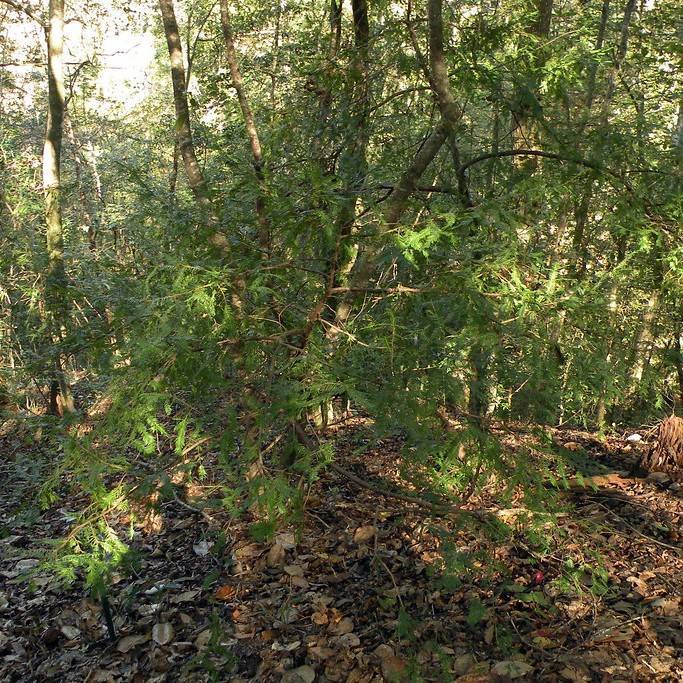
To identify trees in Florida, start with four core observable traits: leaf shape, bark texture, flower characteristics, and growing location. These markers eliminate less common species quickly, even for beginners, and work for both cultivated yard trees and wild species found in parks, wetlands, and coastal areas. This trees in Florida identification guide focuses on the species you are most likely to encounter in everyday settings, rather than rare or restricted native types.
Key Florida Tree Identification Traits to Look For First
Start tree ID in Florida by noting 4 core traits: leaf shape (broad, needle, or lobed), bark texture, flower presence and color, and growing location (coastal, upland, or yard). These markers narrow down species faster than less consistent traits like fall foliage, which may be muted in Florida’s warm winters. When documenting traits for this trees in Florida identification guide, you can rely on these four markers to cut down the list of potential matches by 70% or more before you cross-reference specific species details.
Use this quick checklist to document traits before cross-referencing species:
- Note if leaves are evergreen or deciduous, and whether they are simple (single leaf per stem) or compound (multiple leaflets per stem)
- Rub a small section of bark to check for texture changes or distinctive scents (if safe to do so)
- Record the exact growing location, including proximity to salt water, standing water, or full/partial sun exposure
- If flowers or fruit are present, note their size, color, and cluster shape
These details will make the rest of your ID process far more accurate, whether you are referencing this guide or using a digital tool to confirm your match.
Common Native and Cultivated Florida Trees to Identify
The vast majority of trees you will spot in everyday Florida settings fall into six widespread, easily distinguishable groups, including both native wild species and popular cultivated ornamentals. This section of the trees in Florida identification guide breaks down each species’ unique markers, growing zones, and common locations to make ID straightforward, even for first-time users.
Flowering Dogwood (Cornus florida 'Purple Glory'): ID Tips
Purple Glory flowering dogwood grows 15 to 25 feet tall, with deep purple spring foliage that fades to green by summer, plus clusters of small white flowers surrounded by four large white bracts in early spring. It is most often found in north and central Florida yards and partial-shade wooded areas.
Distinctive ID markers for this cultivar include:
- Purple new growth in March and April, a trait unique to the Purple Glory variant of flowering dogwood
- Four pointed, petal-like white bracts that surround tiny, inconspicuous yellow center flowers
- Rough, blocky gray-brown bark that develops a segmented, alligator-hide texture as the tree matures
This species is pet-safe, and thrives in partial shade with well-drained soil. For more details on growing this tree in your yard, see our flowering dogwood care tips guide.
Ajania (Ajania pacifica): Coastal Florida Tree ID
Ajania pacifica, also called silver and gold chrysanthemum tree, is a small, drought-tolerant tree that thrives in coastal Florida climates, with silvery, fuzzy lobed leaves and clusters of small yellow button flowers in fall. It tolerates salt spray well, so it is a common sight in coastal landscapes and dune plantings across south and central Florida.
Key ID traits to distinguish it from other small coastal shrubs and trees:
- Silvery, felt-like fuzz on the undersides of leaves, which helps the tree retain moisture in windy, sandy coastal conditions
- Tight clusters of ¼-inch wide yellow button flowers that bloom from October through November, with no petals
- Maximum mature height of 6 feet, with a rounded, spreading growth habit that is often used for low hedges or erosion control on dunes
This species is highly drought-tolerant once established, and requires minimal supplemental watering. For more planting guidance, read our resource on growing Ajania pacifica in coastal climates.
Aka Shigitatsu Sawa Japanese Maple: Ornamental Yard Tree ID
This small, slow-growing Japanese maple cultivar has distinct, finely dissected red foliage that holds its color through summer, with a compact, mounded growth habit that rarely exceeds 10 feet tall. It is planted as an ornamental in partial-shade yards across north and central Florida, where temperatures stay below 90°F for extended winter periods.
Unique ID markers for this cultivar include:
- Finely cut, lace-like leaves that are bright red in spring, deep burgundy in summer, and bright crimson in fall before dropping
- Multiple thin, gray-brown stems that grow close to the ground, with no single dominant trunk
- A low, spreading shape that is wider than it is tall at maturity, making it a popular choice for foundation plantings and shade garden focal points
This species will scorch if planted in full, direct afternoon sun in Florida’s climate, so it is almost always sited in partial shade. For more planting and maintenance details, see our Aka Shigitatsu Sawa Japanese Maple care guide. If you are identifying smaller fruiting trees in your yard, our trees in Florida identification guide for berry-bearing species can help you distinguish between similar small tree species.
Alder (Alnus mayrii): Wet Area Tree ID
Alnus mayrii is a fast-growing deciduous shade tree native to the U.S., with smooth, gray bark, oval, serrated leaves, and small woody cones that persist year-round. It grows most often in wet, low-lying areas like stream banks, swamps, and floodplains across north Florida, where it fixes nitrogen in poor, waterlogged soil.
Distinctive ID traits that set it apart from other wetland trees:
- 1 to 2-inch long oval leaves with finely serrated edges and a slightly glossy upper surface, that turn pale yellow in fall before dropping
- Small, ½-inch long woody brown cones that stay attached to branches even after leaves fall, making them a reliable year-round ID marker
- Smooth, unbroken light gray bark that remains smooth even on mature trees, unlike the rough, furrowed bark of most other large shade trees
This species is often planted for erosion control in wet areas, as its dense root system stabilizes soil along stream banks and flood zones. It is also a host plant for several native butterfly species in Florida.
Alexandrina Saucer Magnolia: Early Spring Flowering Tree ID
Alexandrina saucer magnolia grows 20 to 30 feet tall, with large, fuzzy gray buds in late winter that open to 8-inch wide pink-and-white cup-shaped flowers before leaves emerge in early spring. It is planted in full-sun yards across north and central Florida, as it requires 100 to 200 chill hours below 45°F to bloom reliably.
Key ID markers for this cultivar include:
- 1-inch long fuzzy gray flower buds that develop in late fall and persist through winter, opening in late February or early March before any leaves appear
- Large, cup-shaped flowers that are bright pink on the outer edges and white on the inner petals, with a faint, sweet fragrance
- Large, 6-inch long oval green leaves that emerge after blooms fade, and turn golden yellow in fall before dropping
This species will not bloom reliably in south Florida, as winter temperatures rarely drop low enough to meet its chill hour requirement. In north and central Florida, it is one of the earliest blooming ornamental trees, often flowering before most other native species break dormancy.
Common Florida Tree ID Mistakes to Avoid
Even with clear traits to reference, it is easy to mix up similar Florida tree species if you only rely on one visible marker, like leaf color. This section of the trees in Florida identification guide covers the most frequent ID errors, and how to cross-reference traits to avoid them, so you do not misidentify protected native species or toxic ornamental varieties.
Common mistakes to watch for include:
- Confusing Purple Glory dogwood with redtip photinia: both have red new growth, but photinia has small, clustered white flowers in spring rather than the dogwood’s distinctive four bracts
- Mixing up Ajania pacifica with dusty miller: both have silvery foliage, but dusty miller is a low annual that dies back in winter, while Ajania is a woody perennial tree that retains its leaves year-round
- Misidentifying alder as water oak: both grow in wet areas, but water oak has lobed leaves and rough, furrowed bark, while alder has serrated oval leaves and smooth gray bark
Taking the time to check two or three distinct traits, rather than just one, will eliminate almost all common misidentifications. If you are still unsure, you can cross-reference your observations with the Sproutly app’s database for a more accurate match.
How to Confirm Florida Tree ID With Sproutly
If you are unsure of a tree’s identity, snap a clear photo of its leaves, bark, flowers, or fruit and upload it to the Sproutly app for instant identification. The app’s plant database includes all common Florida tree species, and it also provides custom care tips if you want to plant a similar tree in your own yard. For users working through this trees in Florida identification guide, Sproutly can help confirm matches for species with overlapping traits, like similar leaf shapes or flower colors.
For most accurate results when using the app for tree ID:
- Take close-up photos of leaves in natural light, showing both the upper and lower surfaces
- Include a photo of the bark if the tree is mature, as bark texture is a highly reliable ID marker
- Note the growing location (coastal, wetland, yard, etc.) when submitting your photo, as this helps narrow down potential matches
Using the app removes the guesswork from ID, even for species that look very similar to untrained eyes, and can help you avoid misidentifying native protected species if you are hiking in wild areas.
FAQ
What is the most common flowering tree in Florida yards?
The flowering dogwood, particularly the Purple Glory cultivar, is one of the most common flowering ornamental trees in north and central Florida yards, prized for its early spring white blooms and colorful spring foliage.
What Florida trees tolerate coastal salt spray?
Ajania pacifica is a small drought-tolerant tree that thrives in coastal Florida conditions, as it naturally tolerates salt spray, sandy soil, and high humidity common in beachside landscapes.
How do I identify a tree growing in a wet, swampy area of Florida?
If the tree has smooth gray bark, serrated oval leaves, and small woody cones, it is likely Alnus mayrii (alder), a common shade tree native to north Florida’s wet, low-lying floodplains and stream banks.
Can I use a plant identification app to identify Florida trees?
Yes, apps like Sproutly allow you to snap a photo of a tree’s leaves, bark, or flowers to get an instant identification, plus details about whether the species is native to Florida and how to care for it if it is in your yard.
Try Sproutly
Spot a tree you cannot identify on your next walk or hike? The Sproutly app has a comprehensive database of Florida tree species, with instant photo ID and custom care tips for both native and cultivated types. Download Sproutly today to make tree identification fast and accurate, whether you are a casual hiker, new home gardener, or experienced Florida resident.
Letture correlate
Altre guide che potrebbero piacerti
Plant Disease Identification: How to Spot Common Issues and Prevent Spread
Learn step-by-step plant disease identification to spot fungal, bacterial, and viral issues early, plus how to protect susceptible and disease-resistant plants in your space.
2026-06-24 · 9 min read
Tropical Plant Care Guide for California: Grow Thriving Tropicals Indoors & Out
Learn how to grow tropical plants in California’s varied climate, from indoor humidity tips to outdoor sun-tolerant varieties that thrive in Golden State conditions.
2026-06-24 · 12 min read
8 Unique Plant Species to Grow in Full-Sun Outdoor Spaces (All Pet-Safe)
Explore low-fuss, pet-safe plant species for full-sun outdoor gardens, from trailing groundcovers to flowering shrubs that thrive with minimal upkeep.
2026-06-24 · 8 min read