How Much Does It Cost to Plant a Tree? A 2024 Breakdown for Homeowners
Wondering how much it costs to plant a tree? We break down all cost factors, from tree type to labor, to help you budget for your landscape project.
Adding a tree to your yard is one of the most impactful upgrades you can make for your home: it boosts curb appeal, cuts summer cooling bills, gives pollinators a safe habitat, and even adds pet-safe greenery if you pick the right variety. If you’re planning this project for 2024, your first question is likely how much does it cost to plant a tree. The total price can vary from under $100 to several thousand dollars, depending on three core factors: the tree itself, labor for installation, and post-planting supplies to help it thrive. We’ll break down every cost category in this guide so you can plan your budget without surprise fees, and help you pick varieties that fit both your space and your bottom line. If you’re still deciding what type of tree to add, Sproutly can help you identify varieties that work for your yard’s light, soil, and size constraints before you make a purchase.
Tree Type Cost Breakdown: From Saplings to Mature Specimens
The biggest single cost for your project is almost always the tree itself, and prices scale almost directly with size and how long the nursery has cared for the specimen. We’ve outlined standard price ranges for common sizes below, plus popular, pet-safe varieties homeowners often choose:
- Saplings (1 to 2 feet tall): $10 to $50. These tiny, young trees are lightweight, easy to transport, and establish quickly, but will take several years to reach a noticeable size in your yard.
- Young trees (3 to 6 feet tall): $50 to $200. This is the most popular size for homeowners, as it balances affordability with enough established growth to make an immediate visual impact. Popular options in this range include Fraser Fir saplings, which cost $50 to $150 for 4-foot specimens, and dwarf Japanese maple varieties like Aoyagi Japanese Maple and Coonara Pygmy Japanese Maple, which run $70 to $250 for 3 to 6 foot plants.
- Semi-mature trees (7 to 15 feet tall): $200 to $1,000. These trees have well-developed root systems and will create instant shade or landscape structure without the premium price of fully mature specimens. Slow-growing, rare varieties will fall at the higher end of this range.
- Mature trees (15+ feet tall): $1,000 to $3,000+. These specimens require years of specialized nursery care to reach full size, and their high price reflects that investment. They are a good option if you want immediate curb appeal for a home sale, but have higher care requirements during establishment.
Keep in mind that rare or patented varieties, as well as trees that grow very slowly, will always sit at the higher end of their respective size ranges. Native species are often more affordable and easier to care for long-term, making them a great budget-friendly pick.
Labor Costs for Tree Planting: DIY vs. Professional Installation
The next big variable in your total cost is labor. You have two options here, depending on the size of your tree and your comfort with gardening work:
- DIY planting: Free outside of any tools or supplies you need to purchase. This is only recommended for small, lightweight trees under 6 feet tall, as larger trees have heavy root balls that can cause injury if handled incorrectly, and require precise planting depth to avoid root rot. If you go the DIY route, confirm your planting spot has the right light, drainage, and space for your chosen tree to mature.
- Professional planting: $100 to $300 per small to medium tree, or $300 to $1,500 for large or mature trees that require heavy equipment like excavators or cranes. Landscapers handle all the heavy lifting, site preparation, and planting depth adjustments to give your tree the best chance of survival.
Several factors can raise labor costs, so be sure to mention these when requesting quotes:
- Rocky or compacted soil that requires extra digging work
- Required utility line access checks to avoid hitting water, gas, or electric lines
- Sloped or hard-to-reach planting locations that require extra manpower
- Stump removal or old root excavation needed before you can plant the new tree
Always get at least three quotes from local landscapers, and confirm the quote includes a utility line search to avoid costly damage to your home’s systems.
Hidden Costs to Budget for When Planting a Tree
When calculating how much it costs to plant a tree, many first-time homeowners overlook smaller, but necessary, post-planting supplies. These costs are minimal compared to replacing a dead tree, so it’s worth budgeting for them upfront:
- Soil amendments: $20 to $100 per tree. If your yard has poor drainage, heavy clay, or nutrient-deficient soil, you’ll need to mix in compost, perlite, or other amendments to give the roots a healthy growing environment.
- Mulch and fertilizer: $10 to $30 per tree. A 2 to 3 inch layer of organic mulch around the base of the tree retains moisture, suppresses weeds, and regulates soil temperature, while a slow-release, tree-specific fertilizer gives it a nutrient boost during its first growing season.
- Tree stakes and support ties: $15 to $40 per tree. Young or top-heavy trees need staking for their first 1 to 2 years to avoid being blown over by wind, or developing a lopsided growth pattern.
- Root barrier installation: $50 to $150 per tree. If you’re planting a tree within 10 feet of your home’s foundation, a root barrier prevents invasive root growth that can crack concrete or damage plumbing lines.
- Extended warranties: 10 to 20% of the tree’s cost. Many nurseries and landscapers offer 1 to 3 year warranties that cover replacement if the tree dies from non-neglect-related causes. This is a particularly good investment for expensive mature specimens.
Skipping these supplies may save you money upfront, but it can lead to much higher costs down the line if your tree dies or causes property damage.
How to Save Money When Planting a Tree
You don’t have to spend thousands to add a healthy, beautiful tree to your yard. Try these actionable tips to cut costs without sacrificing quality:
- Opt for smaller saplings instead of mature trees. They often establish faster than larger specimens, cost 75% less on average, and will catch up in size within a few years with proper care.
- Plant in fall or early spring. Most nurseries run sales on dormant stock during these seasons, as they don’t want to carry inventory through the cold winter or hot summer months. You can often find discounts of 20 to 50% off regular prices.
- Look for local tree giveaways. Many city governments, conservation groups, and even utility companies run annual programs that give away free native saplings to homeowners. These trees are adapted to your local climate, so they require less care and are more likely to thrive.
- DIY plant small trees if you have the right tools. For trees under 6 feet tall, you only need a shovel, garden rake, and a hose to plant successfully, as long as your soil is not excessively rocky or compacted.
- Group multiple planting projects together. If you’re adding several trees or shrubs to your yard, landscapers will often give you a bulk discount on labor, as they can send one crew for a single day instead of multiple separate visits.
No matter which cost-saving tip you use, always confirm your chosen tree will thrive in your yard’s specific conditions before you buy. Using Sproutly to check the light, humidity, and soil requirements for your selected variety can prevent you from wasting money on a tree that won’t survive long-term.
Long-Term Value of Planting a Tree: Is the Cost Worth It?
While the upfront cost of planting a tree can feel like a big investment, it almost always pays for itself over time. Mature trees can raise your property value by 3 to 15% depending on their size and species, according to standard real estate industry estimates. When planted near west-facing windows, a deciduous tree can reduce your summer cooling costs by 10 to 30% by blocking direct sunlight, and evergreen trees planted along the edge of your property can cut winter heating bills by acting as a windbreak.
All the popular varieties mentioned in this guide are pet-safe, so you don’t have to worry about toxic foliage harming your dogs or cats if they chew on fallen leaves or branches. With proper care, most ornamental and evergreen trees can live for 50 years or more, so you’ll get decades of value from a single planting project. You can track watering, pruning, and fertilization tasks with Sproutly’s custom care reminders to make sure your tree stays healthy for as long as possible.
Final Budgeting Tips for Your Tree Planting Project
To sum up, most homeowners can expect to pay $80 to $500 total for a small to medium ornamental or evergreen tree, including the tree itself, basic supplies, and optional professional planting. If you opt for a large mature specimen, total costs will range from $1,300 to $4,500 or more, depending on the species and site conditions.
Before you start your project, outline your budget first, then research varieties that fit both your space constraints and your price point. Always plan for at least 10% extra in your budget for unexpected costs, like soil amendments or utility line checks, to avoid going over budget.
If you’re not sure what tree will work best for your yard, or need help creating a care schedule for your new planting, Sproutly can help. The app lets you explore hundreds of pet-safe, easy-care tree varieties, confirm they will thrive in your specific growing conditions, and troubleshoot any issues like yellow leaves or pest infestations that pop up after planting.
Frequently Asked Questions
How much does it cost to plant a small ornamental tree?
For a 3-6 foot ornamental tree like a dwarf Japanese maple, expect to pay $80 to $350 total including the tree, basic supplies, and optional professional planting. DIY planting can lower the cost to $50 to $150 total.
Can I plant a tree myself to save money?
Yes, you can plant small trees under 6 feet tall yourself if you have basic gardening tools, well-draining soil, and knowledge of the tree’s light and humidity needs. Use Sproutly to confirm your planting spot matches the tree’s care requirements before you start.
Why do mature trees cost so much to plant?
Mature trees have higher nursery costs due to years of care, and they require heavy equipment and multiple landscapers to transport and install without damaging the root system, which drives up labor costs significantly.
Are there any free or low-cost tree planting options?
Many local governments and conservation groups run annual tree giveaway programs for native species, and some utility companies offer free shade trees to help reduce energy use. These programs usually only cover small saplings, which keep your upfront costs very low.
Ready to find the perfect tree for your yard and keep it thriving for years? Try Sproutly today to access personalized care guidance, variety recommendations, and more.
Letture correlate
Altre guide che potrebbero piacerti
Weeping Ficus: Complete Care Guide, Cultivars, and Common Issues
Learn how to grow and care for a weeping ficus (Ficus benjamina) indoors, including light, water, and humidity needs, plus common problems to avoid.
2026-06-27 · 13 min read
Melon Fruit: Types, Nutrition, Growing Tips, and Selection Guide
Learn all about melon fruit, including popular varieties, nutritional benefits, how to grow them at home, and how to pick perfectly ripe melons every time.
2026-06-26 · 13 min read
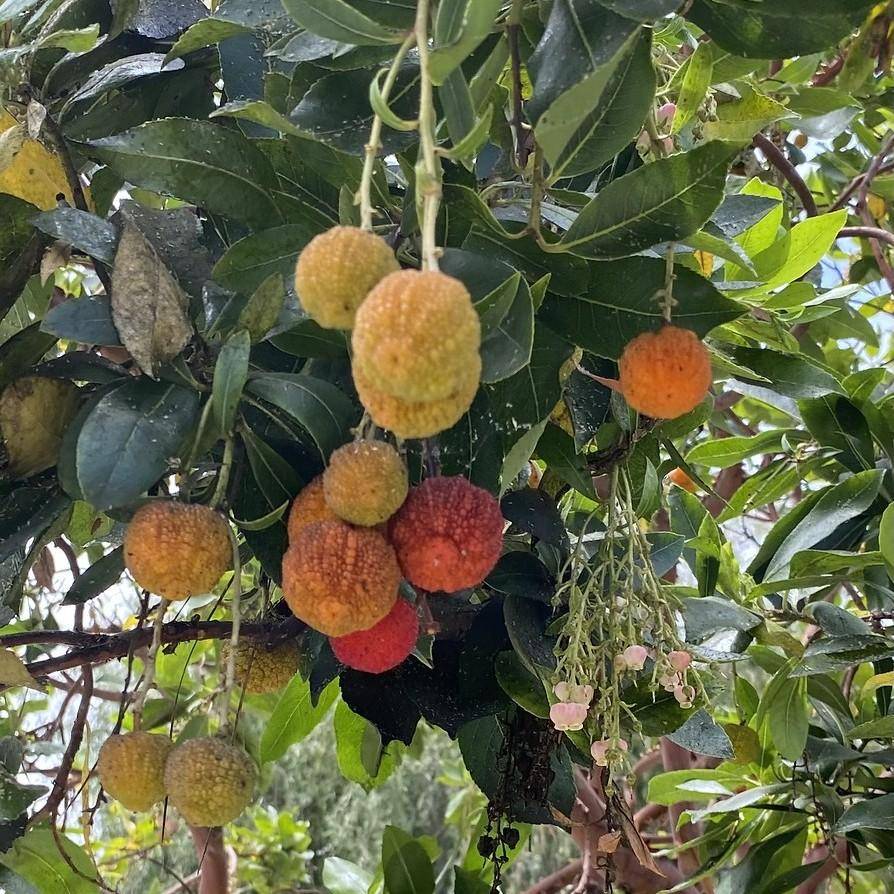
Strawberry Tree: Complete Care, Identification, and Usage Guide for Arbutus unedo
Learn to identify, grow, and use the strawberry tree (Arbutus unedo), a pet-safe evergreen that produces edible fruit and year-round garden interest.
2026-06-26 · 17 min read