%22%2F%3E%0A%20%20%20%20%20%20%3Ccircle%20cx%3D%22920%22%20cy%3D%22180%22%20r%3D%2290%22%20fill%3D%22%23cfe8d5%22%2F%3E%0A%20%20%20%20%20%20%3Cpath%20d%3D%22M600%20590c-90-180-215-255-310-280%200%20165%20118%20296%20270%20296h40z%22%20fill%3D%22%2379b88e%22%2F%3E%0A%20%20%20%20%20%20%3Cpath%20d%3D%22M600%20590c80-150%20198-212%20302-228-8%20142-123%20255-270%20255h-32z%22%20fill%3D%22%235c9f73%22%2F%3E%0A%20%20%20%20%20%20%3Cpath%20d%3D%22M600%20610V360%22%20stroke%3D%22%234f8c64%22%20stroke-width%3D%2218%22%20stroke-linecap%3D%22round%22%2F%3E%0A%20%20%20%20%20%20%3Ctext%20x%3D%22600%22%20y%3D%22700%22%20text-anchor%3D%22middle%22%20font-family%3D%22Arial%2C%20sans-serif%22%20font-size%3D%2244%22%20fill%3D%22%23365c45%22%3E%0A%20%20%20%20%20%20%20%20Plant%20image%20coming%20soon%0A%20%20%20%20%20%20%3C%2Ftext%3E%0A%20%20%20%20%3C%2Fsvg%3E%0A%20%20)
taro
Colocasia esculenta 'Royal Hawaiian Aloha'
Aperçu
Taro, also known as Colocasia esculenta 'Royal Hawaiian Aloha', is a tropical plant with unique features. Its lacy-edged leaves have a distinctively scalloped shape, while its thick stalks provide a sturdy base. Its lush foliage adds texture and beauty to a garden. Its ability to thrive in areas of high humidity and heavy rainfall make it an ideal choice for rainforest environments. It's also salt tolerant, providing a resilient outdoor plant for coastal areas. Its nutritious tubers are packed with complex carbohydrates, dietary fiber, and essential vitamins and minerals, creating an edible plant that has been widely cultivated by Pacific Islanders for centuries. Taro's beauty and versatility make it an incredible addition to any garden.
Guide d'entretien
Arrosage
Taro (Colocasia esculenta 'Royal Hawaiian Aloha') should be watered regularly once per week. Water deeply, until water comes out from the drainage holes. The soil should be kept moist but not saturated. Reduce watering in winter or when the soil is kept too wet to prevent root rot. Do not leave the plant in water for more than 20 minutes. Check the soil before watering, if the top inch of soil is dry, water the plant thoroughly. Never allow the plant to dry out completely.
Lumière
Taro (Colocasia esculenta 'Royal Hawaiian Aloha') prefers full sun for at least part of the day. Plant in an area with dappled or full sun for 6 to 8 hours per day in warm climates. In milder climates, taro will require more sun and can tolerate full sun all day. Taro does not need direct, hot sunlight, which will cause it to wilt quickly leading to dehydration and possibly death.
Sol
Acidic, Bog, Humus rich
Température
Hardiness zone 8–10.
Taille
Taro (Colocasia esculenta 'Royal Hawaiian Aloha') should be pruned regularly to maintain its shape and size. Pruning should take place in the spring before new growth begins. This will ensure that the plant is healthy and vigorous for the season. It is important to cut off dead and dying leaves and stems as soon as they are identified. This will increase aeration and ensure that only the strongest and most vigorous branches survive and thrive. Prune back branches to specific nodes or leaf points, removing the leaf and stem so that only the internode remains. This will promote bushier growth and prevent the plant from becoming too tall and lanky. To encourage more flowers or increased bulb production, cut the previous season’s growth back by 2/3 or more. Finally, remove side shoots that emerge from the central stem if a single stem is desired for the taro.
Multiplication
Division
Maladies et ravageurs
Common pests: Mites, Root rot, Virus, Pest resistant, Disease resistant .
Related plants
Other plants you might like if you grow taro.
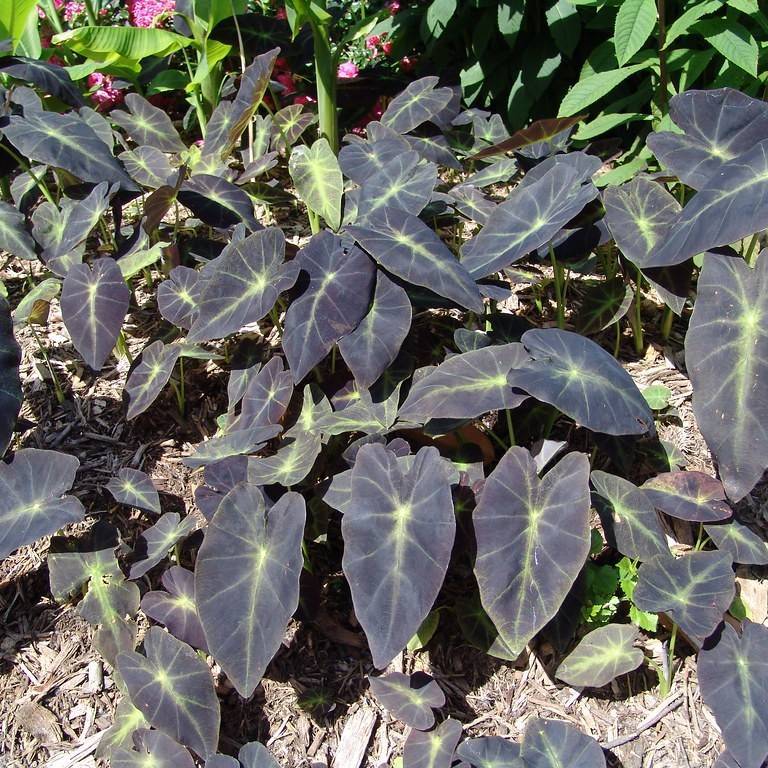
taro
Colocasia esculenta 'Black Magic'
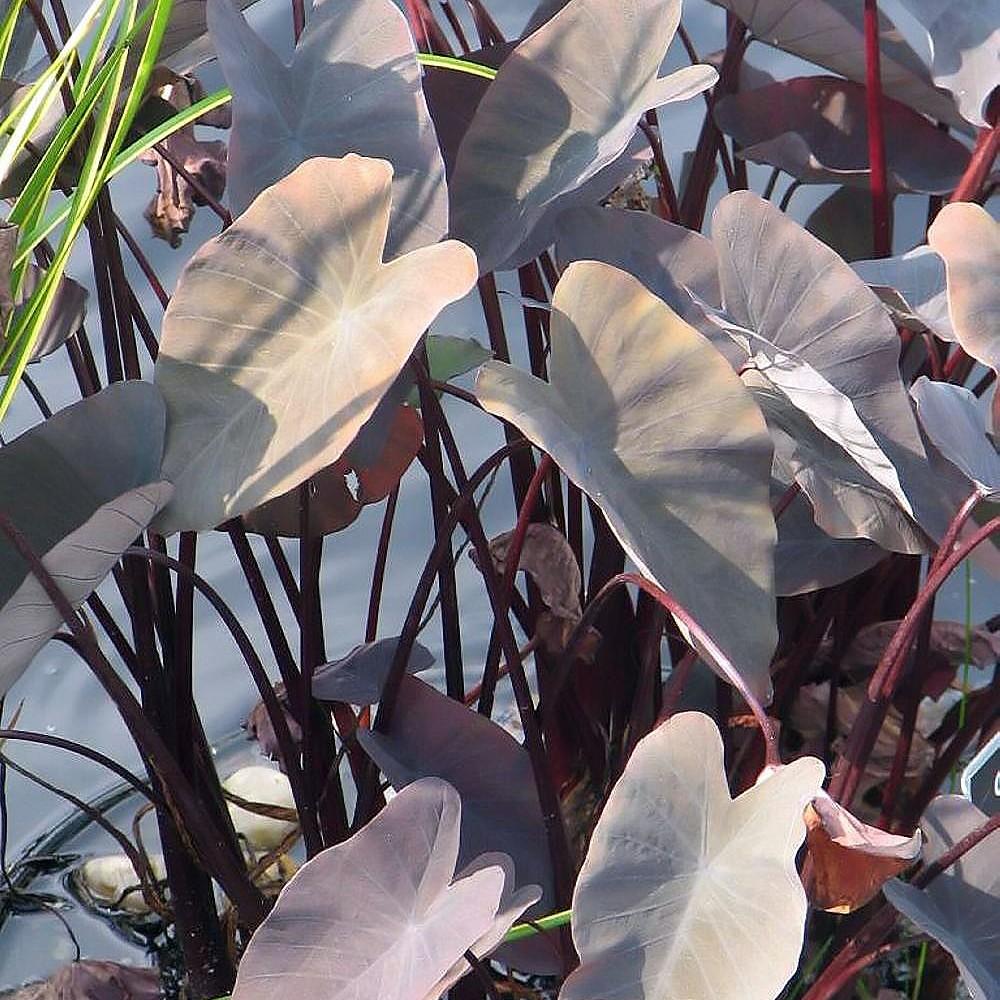
taro
Colocasia esculenta 'Black Ripple'
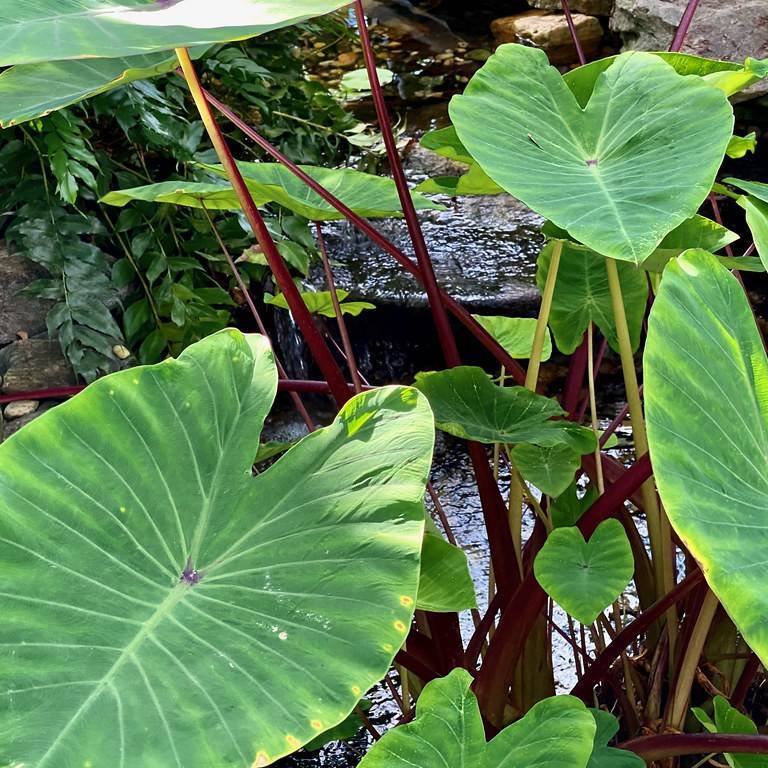
taro
Colocasia esculenta 'Blue Hawaii'
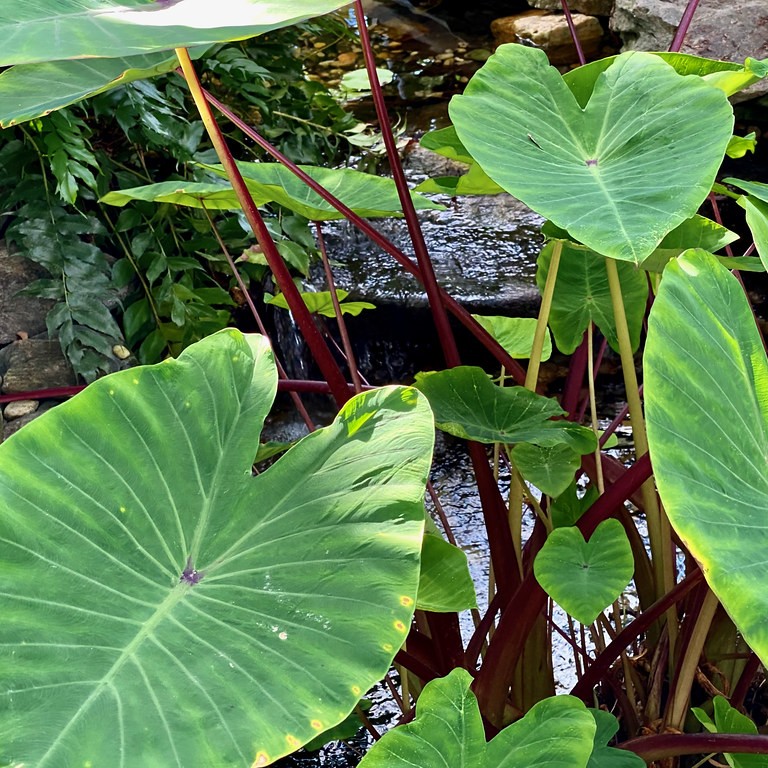
taro
Colocasia esculenta 'Hawaiian Punch'
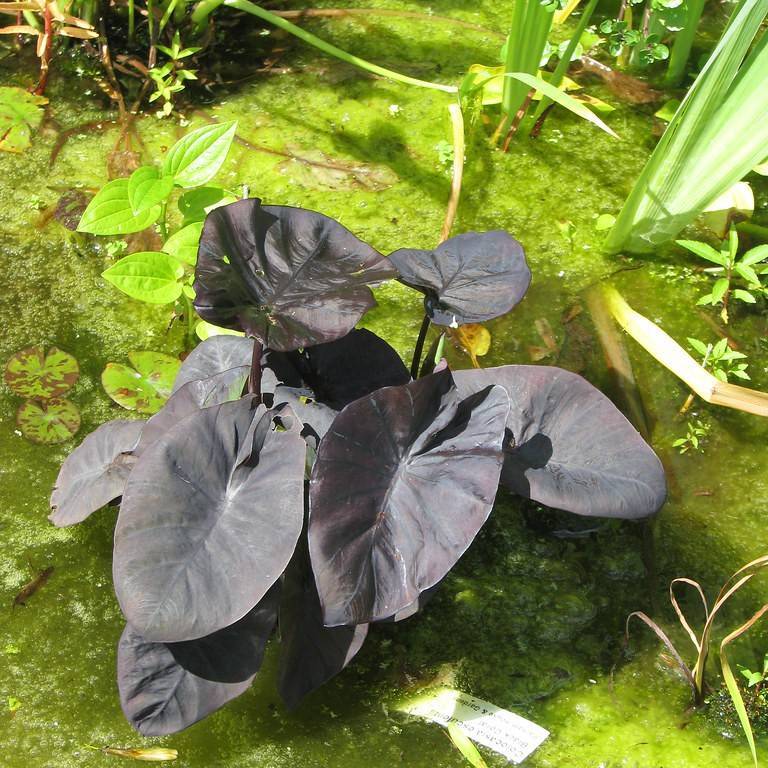
taro
Colocasia esculenta 'Kona Coffee'
taro
Colocasia esculenta 'Mojito'
taro
Colocasia esculenta 'Tropical Storm'
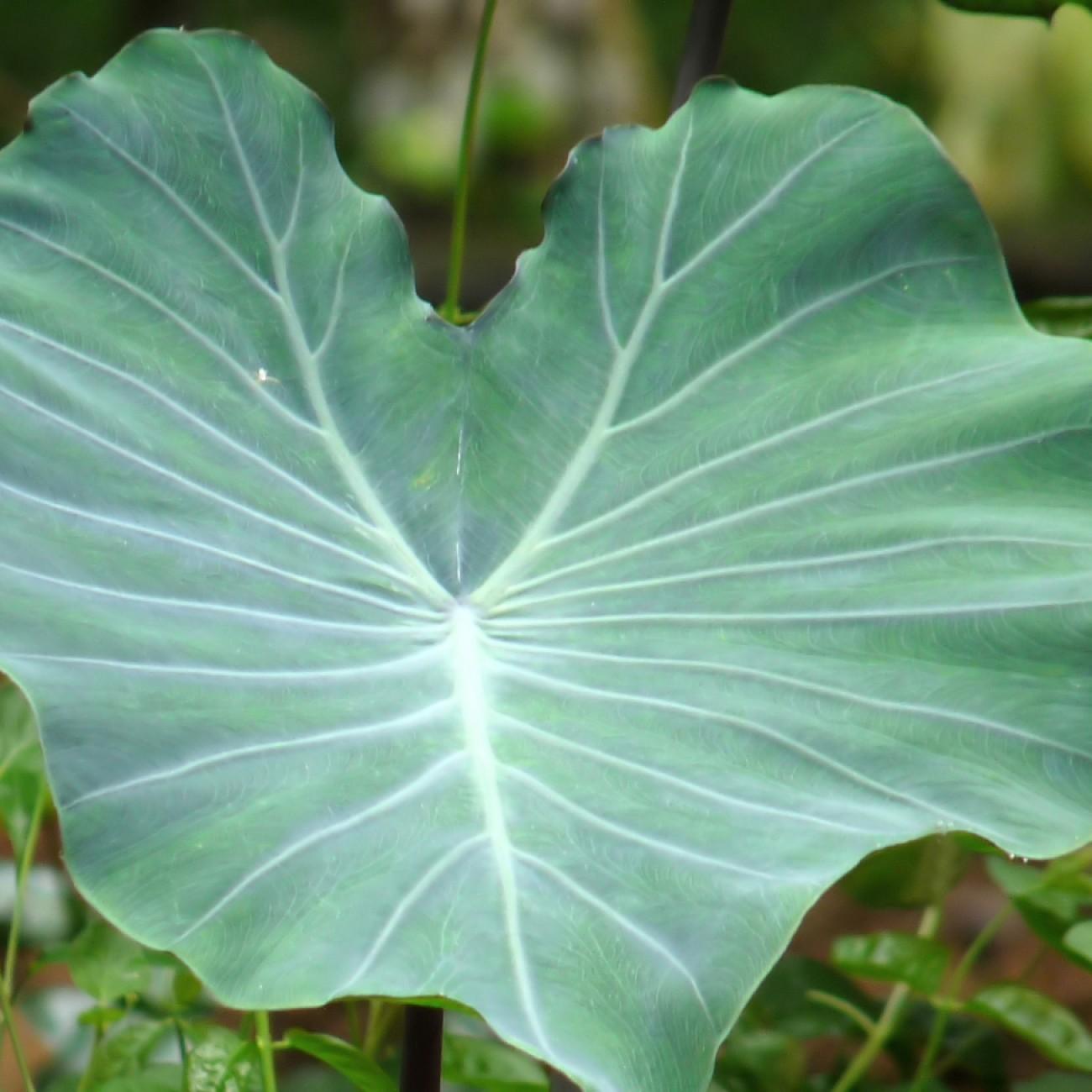
taro
Colocasia esculenta (vegetable group)