%22%2F%3E%0A%20%20%20%20%20%20%3Ccircle%20cx%3D%22920%22%20cy%3D%22180%22%20r%3D%2290%22%20fill%3D%22%23cfe8d5%22%2F%3E%0A%20%20%20%20%20%20%3Cpath%20d%3D%22M600%20590c-90-180-215-255-310-280%200%20165%20118%20296%20270%20296h40z%22%20fill%3D%22%2379b88e%22%2F%3E%0A%20%20%20%20%20%20%3Cpath%20d%3D%22M600%20590c80-150%20198-212%20302-228-8%20142-123%20255-270%20255h-32z%22%20fill%3D%22%235c9f73%22%2F%3E%0A%20%20%20%20%20%20%3Cpath%20d%3D%22M600%20610V360%22%20stroke%3D%22%234f8c64%22%20stroke-width%3D%2218%22%20stroke-linecap%3D%22round%22%2F%3E%0A%20%20%20%20%20%20%3Ctext%20x%3D%22600%22%20y%3D%22700%22%20text-anchor%3D%22middle%22%20font-family%3D%22Arial%2C%20sans-serif%22%20font-size%3D%2244%22%20fill%3D%22%23365c45%22%3E%0A%20%20%20%20%20%20%20%20Plant%20image%20coming%20soon%0A%20%20%20%20%20%20%3C%2Ftext%3E%0A%20%20%20%20%3C%2Fsvg%3E%0A%20%20)
Japanese barberry
Berberis thunbergii f. atropurpurea 'Golden Ring'
Aperçu
The Japanese Barberry (Berberis thunbergii f. atropurpurea 'Golden Ring'), is one of the most amazing small shrubs. Its lush foliage, in shades of purple and green, is eye-catching, and its small yellow flowers in the springtime add even more beauty to the garden. It is also a very hardy species, able to withstand difficult conditions – like extreme cold, wind and drought. Its drought tolerance makes it a perfect choice for xeriscaping. Plus, it's highly disease and insect resistant. Its bright yellow fall berries make good food for a variety of birds. All in all, it's a great addition to any garden for its ornamental and practical value!
Guide d'entretien
Arrosage
Water Japanese barberry twice a week at the base of the plant, allowing the soil to dry out between waterings. During the hottest weeks of summer, increase the watering frequency, providing about 1 inch of water per week. During cool weather, reduce the frequency but providing a deep soaking every couple of weeks. Provide a weekly application of liquid fertilizer during the spring and summer months, for additional nourishment.
Lumière
Japanese barberry plant species (Berberis thunbergii f. atropurpurea 'Golden Ring') grows best in full sun but will also thrive in part shade. These plants prefer 6 to 8 hours of sun each day, preferably in a section of the garden that receives direct morning sunlight and indirect afternoon sunlight. When grown in damp, shady areas, the foliage of Japanese barberry will suffer, causing its leaves to become yellow and eventually drop in extreme cases. If you’re looking to cultivate Japanese barberry in part shade, it’s recommended that you keep it away from trees and buildings that may shield it from the sun too much.
Température
Hardiness zone 4–8.
Taille
Japanese barberry should be pruned once a year in late winter or early spring. Pruning should only be done in a way that encourages plant health and doesn't damage the natural form of the shrub. Dead branches should be removed first and pruning should be done to maintain the natural shape and size of the shrub. Leave healthy new growth at the base of the plant and look for evidence of disease or pests before pruning. Prune back branches to keep the size of the shrub to the desired size and only remove 1/3 of the total branches each year. If there is any damage to the bark, cut back to healthy wood. Avoid excessive or drastic pruning and never shear the shrubs.
Multiplication
Cutting, Layering Propagation, Grafting Propagation, Division, Seed Propagation
Usages et symbolique
Attracts: Birds.
Related plants
Other plants you might like if you grow Japanese barberry.
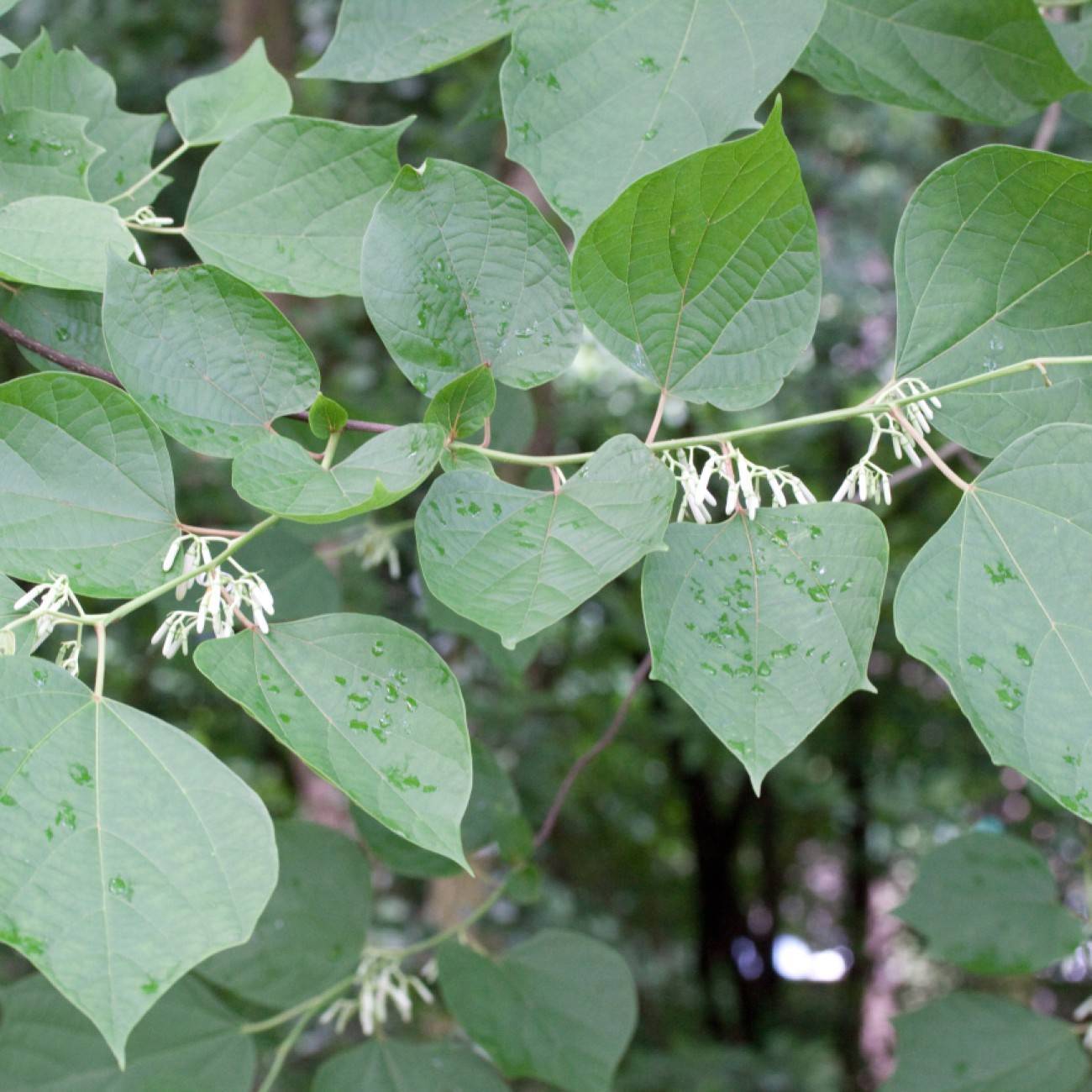
alangium
Alangium platanifolium var. macrophyllum
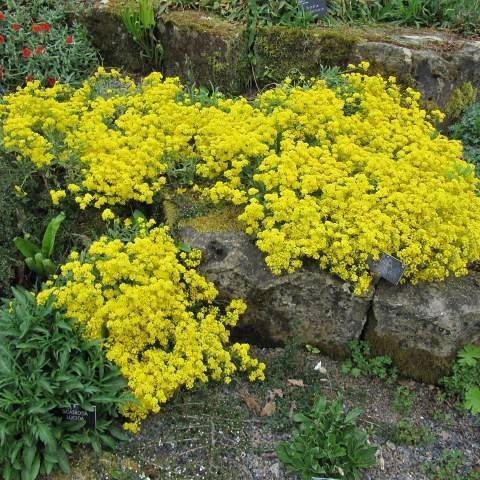
basket of gold
Aurinia saxatilis 'Gold Dust'
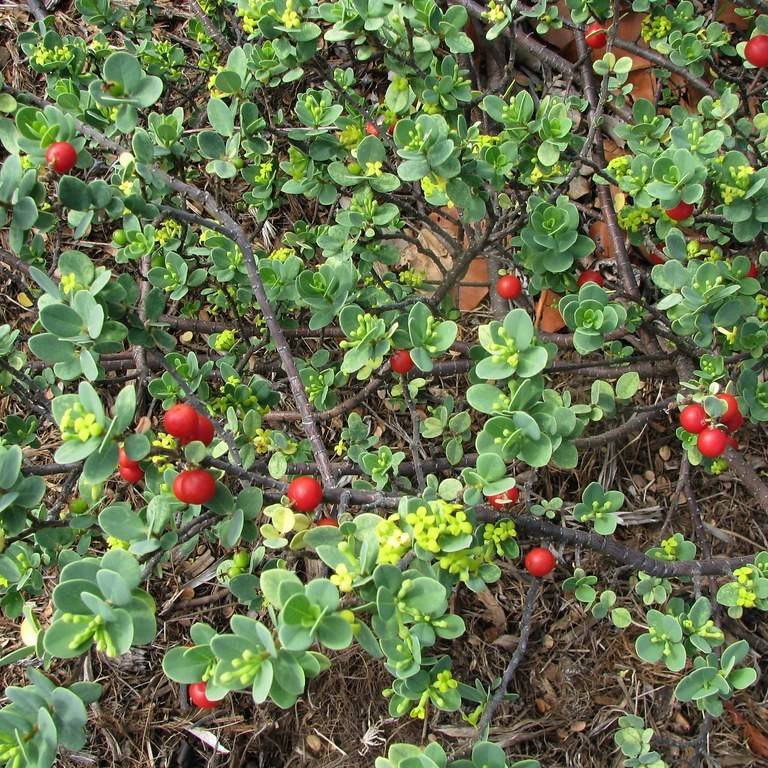
bearberry
Arctostaphylos uva-ursi 'Wood's Red'
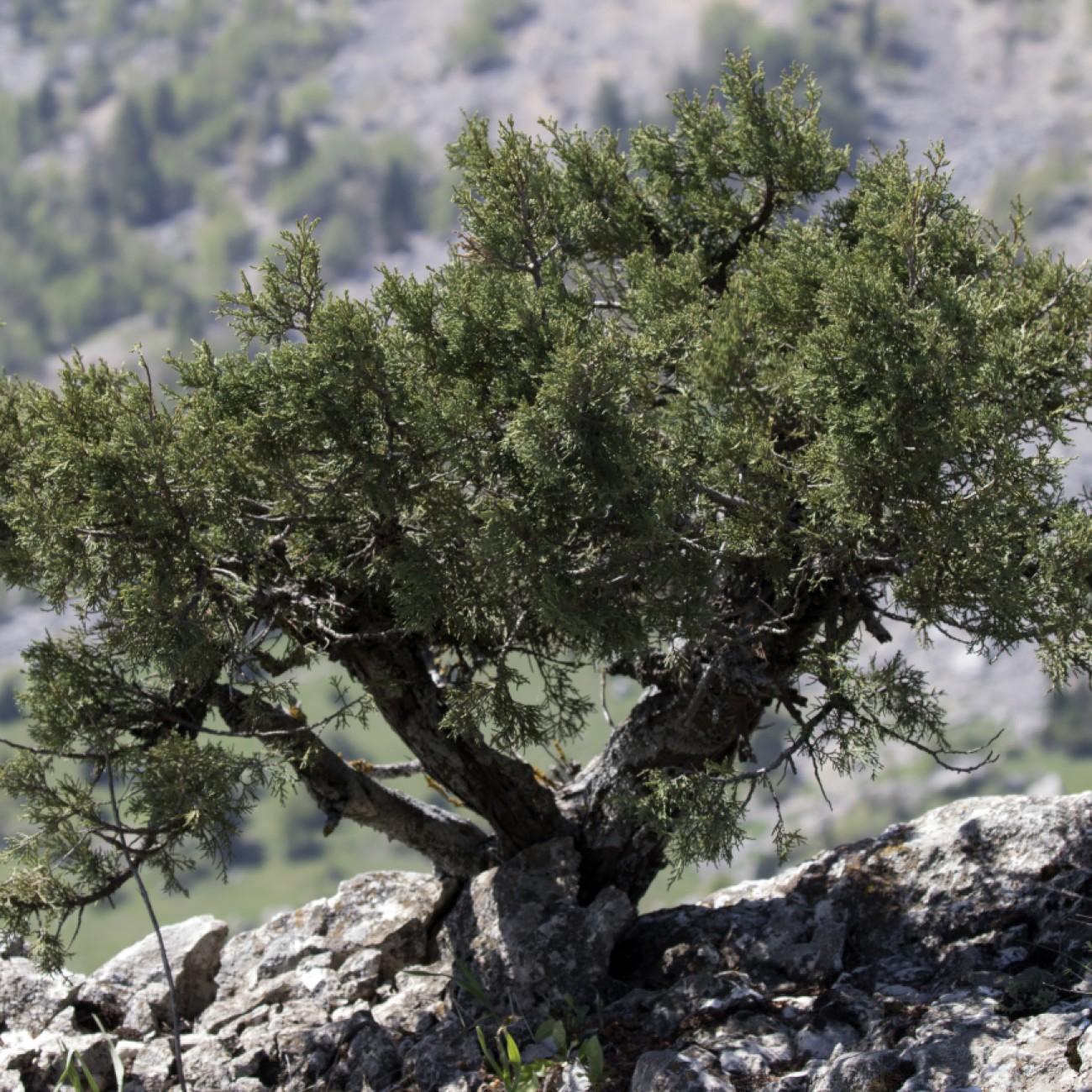
Blue Chip Juniper (tree form)
Juniperus horizontalis 'Blue Chip (tree form)'
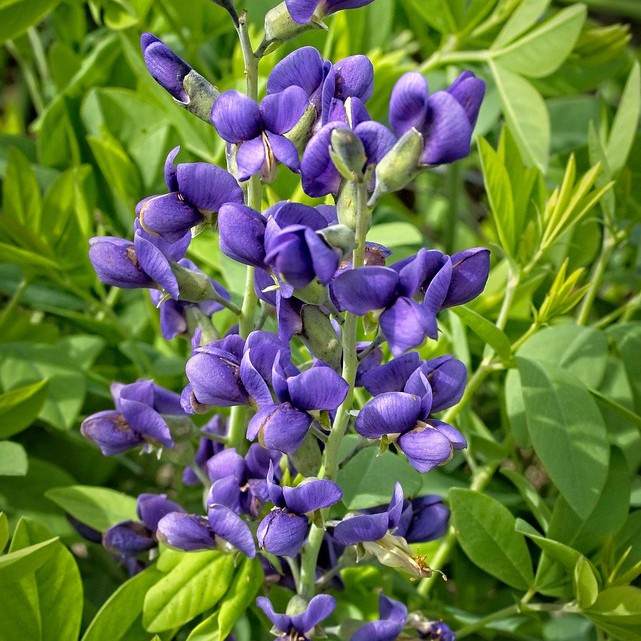
blue false indigo
Baptisia australis
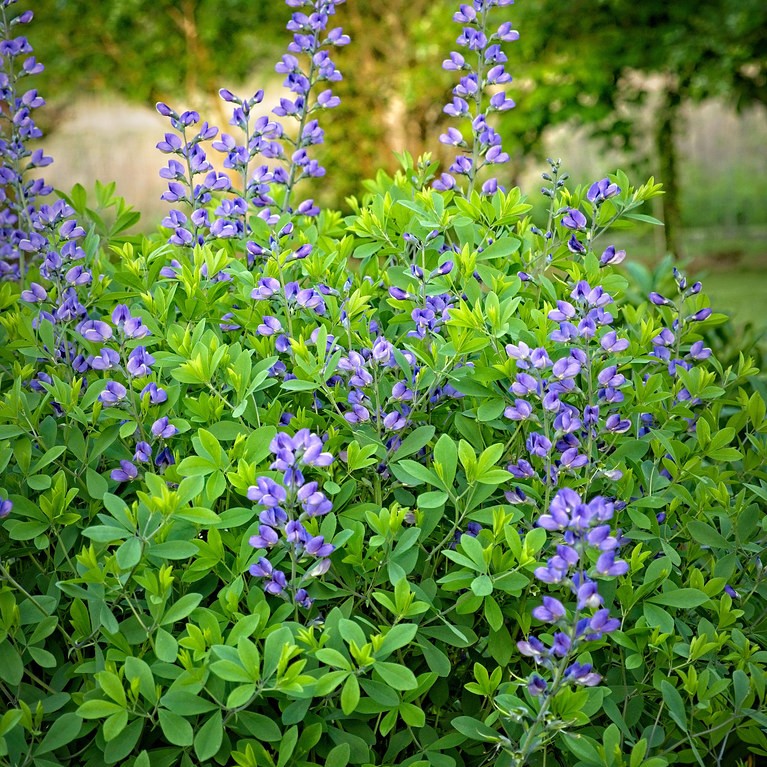
blue false indigo
Baptisia australis var. minor
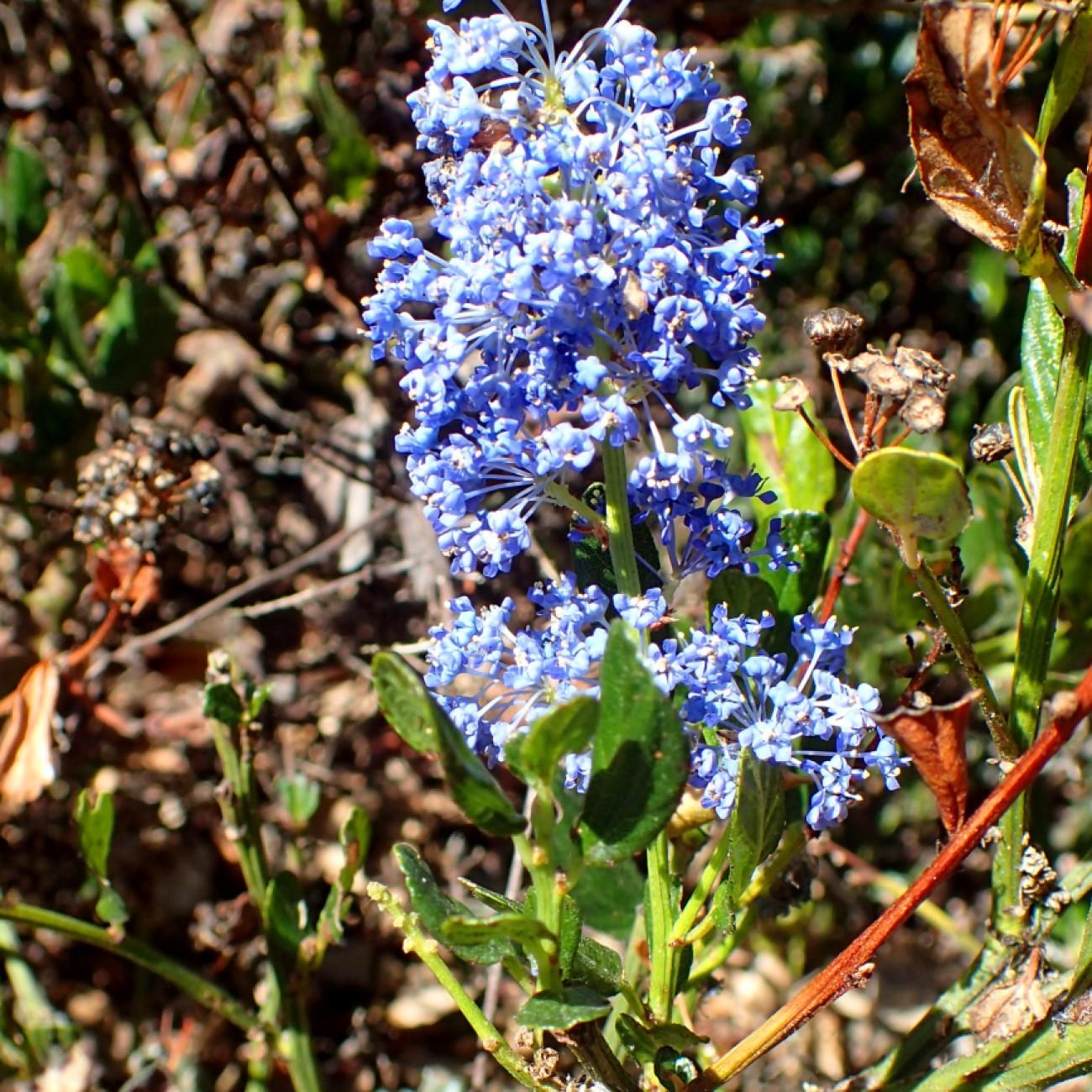
blue mountain lilac
Ceanothus thyrsiflorus 'Skylark'
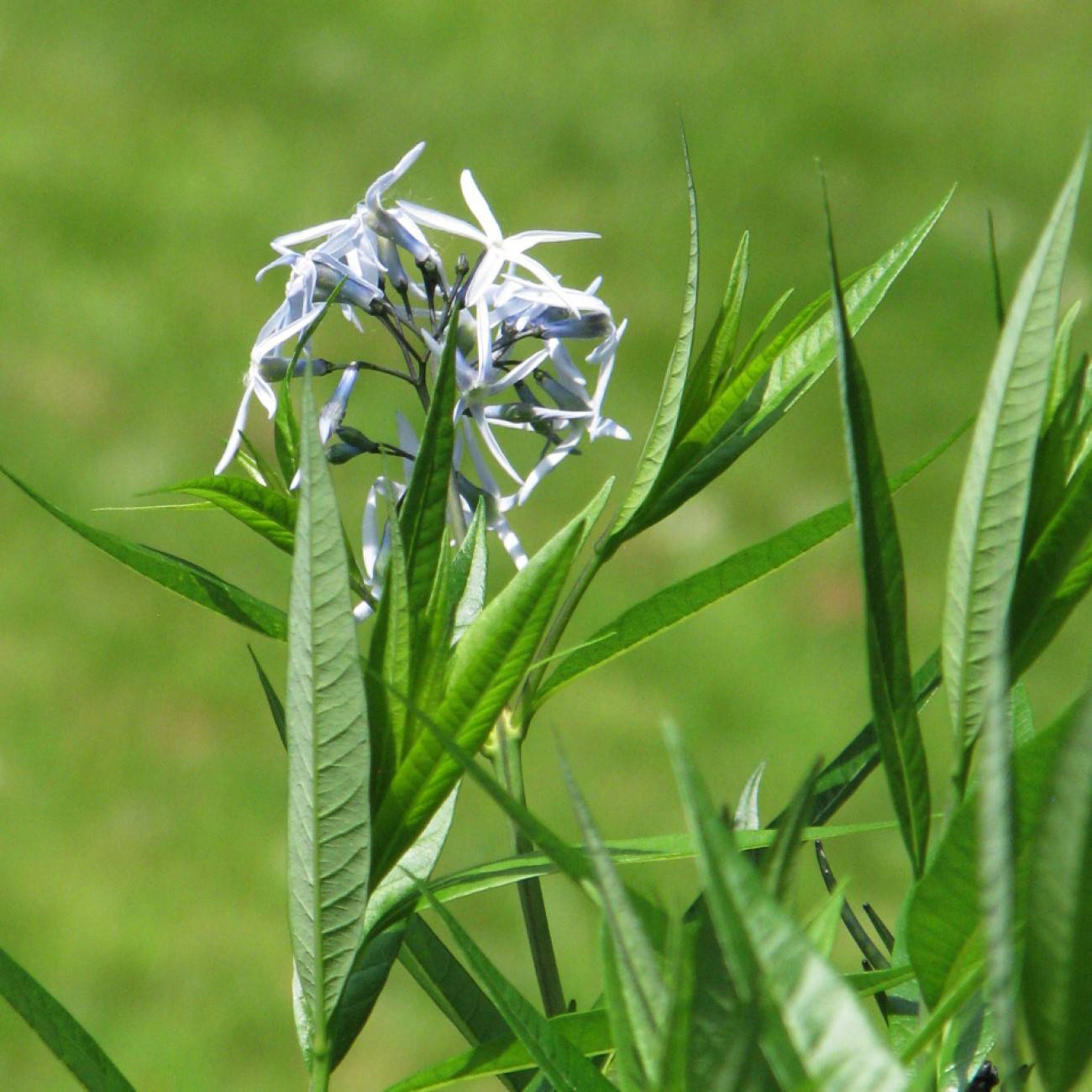
blue star
Amsonia ciliata var. filifolia 'Georgia Pancake'