%22%2F%3E%0A%20%20%20%20%20%20%3Ccircle%20cx%3D%22920%22%20cy%3D%22180%22%20r%3D%2290%22%20fill%3D%22%23cfe8d5%22%2F%3E%0A%20%20%20%20%20%20%3Cpath%20d%3D%22M600%20590c-90-180-215-255-310-280%200%20165%20118%20296%20270%20296h40z%22%20fill%3D%22%2379b88e%22%2F%3E%0A%20%20%20%20%20%20%3Cpath%20d%3D%22M600%20590c80-150%20198-212%20302-228-8%20142-123%20255-270%20255h-32z%22%20fill%3D%22%235c9f73%22%2F%3E%0A%20%20%20%20%20%20%3Cpath%20d%3D%22M600%20610V360%22%20stroke%3D%22%234f8c64%22%20stroke-width%3D%2218%22%20stroke-linecap%3D%22round%22%2F%3E%0A%20%20%20%20%20%20%3Ctext%20x%3D%22600%22%20y%3D%22700%22%20text-anchor%3D%22middle%22%20font-family%3D%22Arial%2C%20sans-serif%22%20font-size%3D%2244%22%20fill%3D%22%23365c45%22%3E%0A%20%20%20%20%20%20%20%20Plant%20image%20coming%20soon%0A%20%20%20%20%20%20%3C%2Ftext%3E%0A%20%20%20%20%3C%2Fsvg%3E%0A%20%20)
daphne
Daphne kurdica
Aperçu
Daphne kurdica is an amazing plant species that is both beautiful and fragrant. Its waxy, dark green leaves and white and pink flowers provide lots of visual interest. Its most notable feature, however, is its strong, sweet scent. Its petals give off a heavenly fragrance that can linger for hours in the air and across a room. This plant is also known for its low maintenance and aggressive growth. It does need some protection from the midday sun, but otherwise, it makes an ideal choice for an outdoor or indoor garden. Its beautiful flowers make it perfect for cut bouquets or for drying, making it both aesthetically and aromatically pleasing.
Guide d'entretien
Arrosage
Daphne kurdica should be watered on a regular basis, however, the amount of water needed will vary depending on the season. During the warmer months, from June to September, these plants can benefit from more frequent watering that keeps the soil slightly moist but not soggy. During the colder months, from October to May, the soil should be kept drier and only watered once the top few inches of soil are dry. It is important to check the soil regularly and make sure that the roots are not sitting in overly saturated soil. To promote healthy growth, watering should be done in the morning and the plant should be protected from heavy rains.
Lumière
Daphne kurdica prefers well-draining soil and should be planted in full sun to light shade. If planted in a shady area, the plant may be susceptible to fungal diseases. When determining how much sunlight this plant species needs, it is important to consider its native climate. In areas of the United States where Daphne kurdica is hardy, it should receive 6 to 8 hours of sunlight per day. In areas with hot or long summers, plants may appreciate some part shade during the afternoon hours.
Température
Hardiness zone 7–9.
Taille
Prune Daphne kurdica when flowering is complete (usually late winter to early spring). Pruning should be light and only to remove dead, broken, diseased or excessively long shoots, and the plant should never be cut back by more than 1-third of its overall size. Prune any wayward stems and remove any suckers from the plant’s base. This will keep your Daphne looking attractive and its robust growth in check.
Multiplication
Cutting, Layering Propagation, Grafting Propagation, Division, Seed Propagation
Related plants
Other plants you might like if you grow daphne.
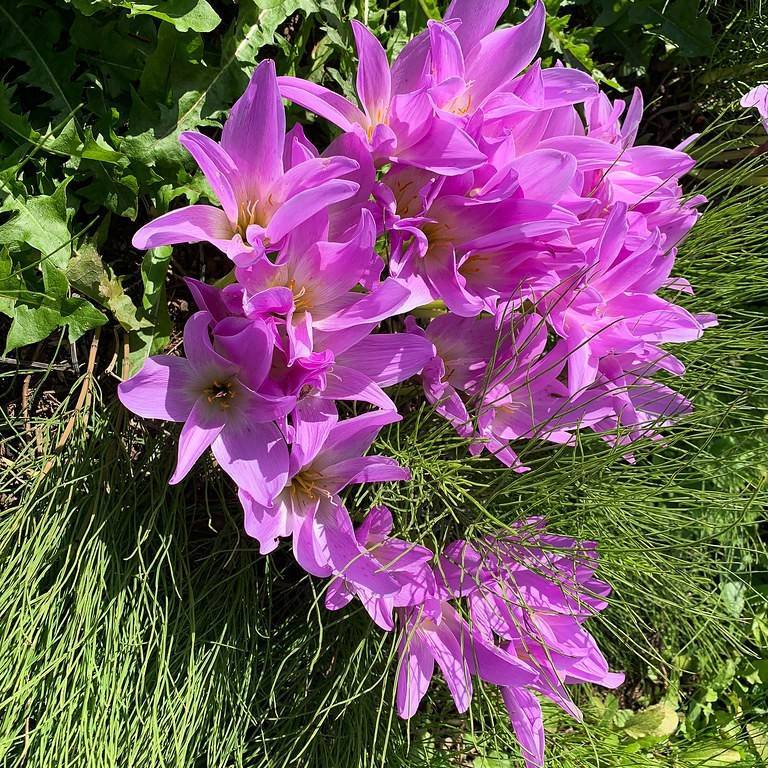
autumn crocus
Colchicum 'Violet Queen'
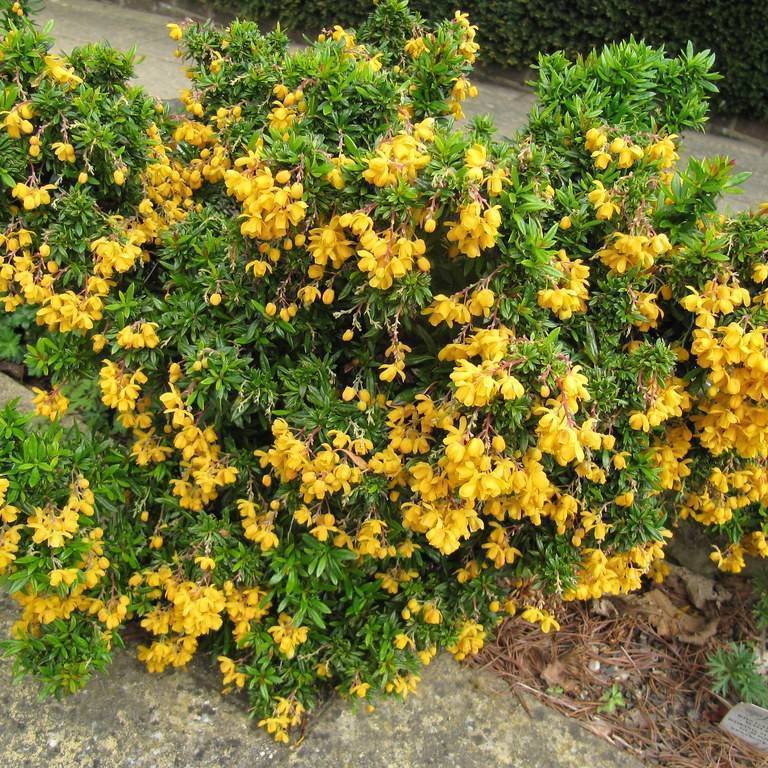
barberry
Berberis stenophylla 'Corallina Compacta'
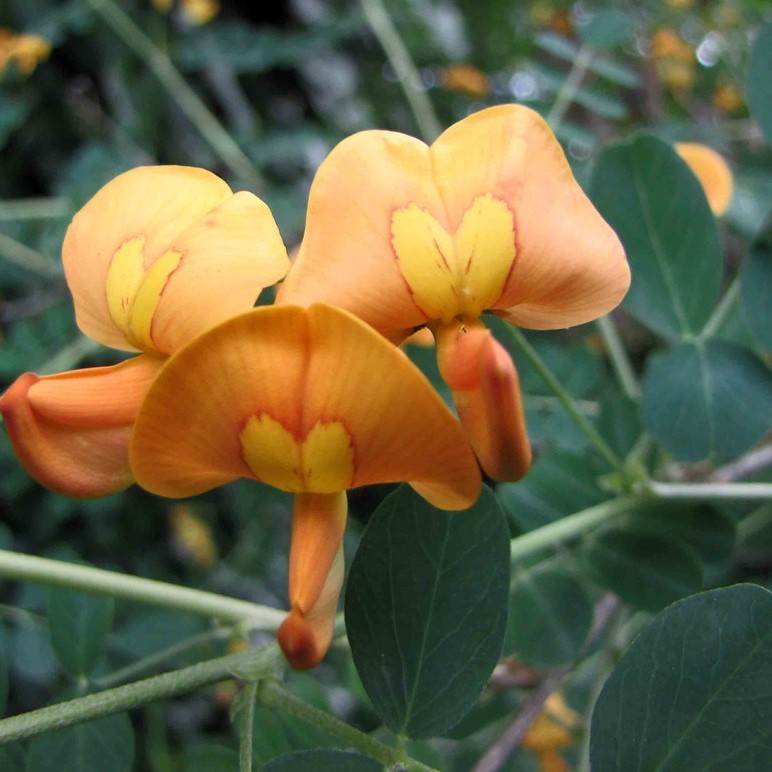
bladder senna
Colutea media
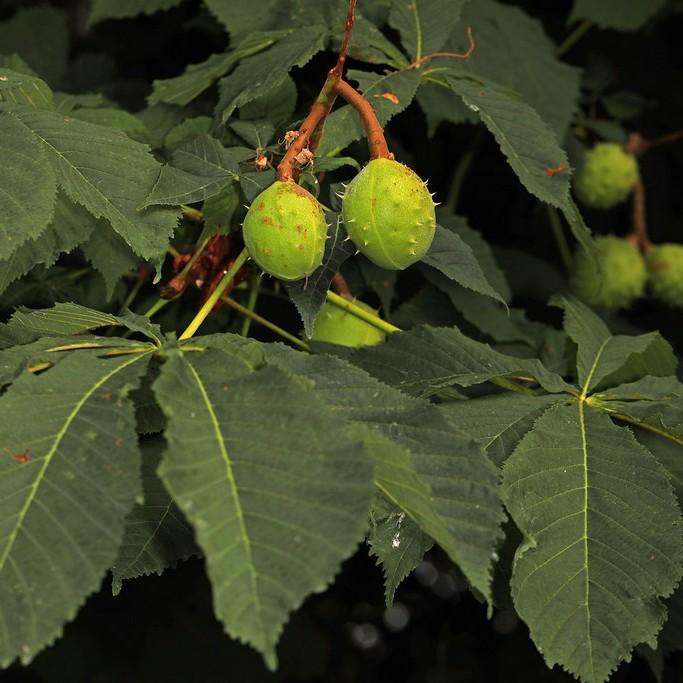
horse chestnut
Aesculus hippocastanum
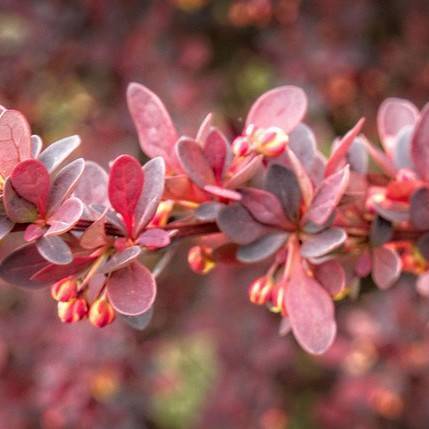
Japanese barberry
Berberis thunbergii
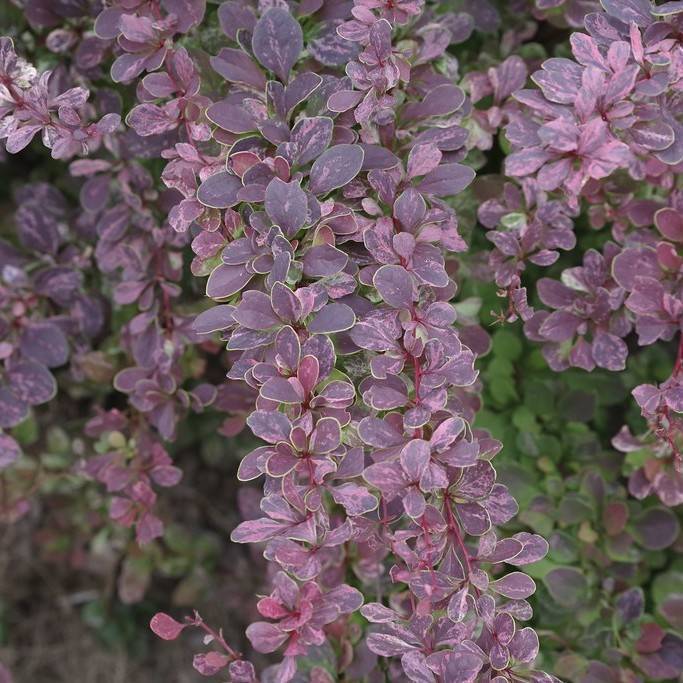
Japanese barberry
Berberis thunbergii f. atropurpurea
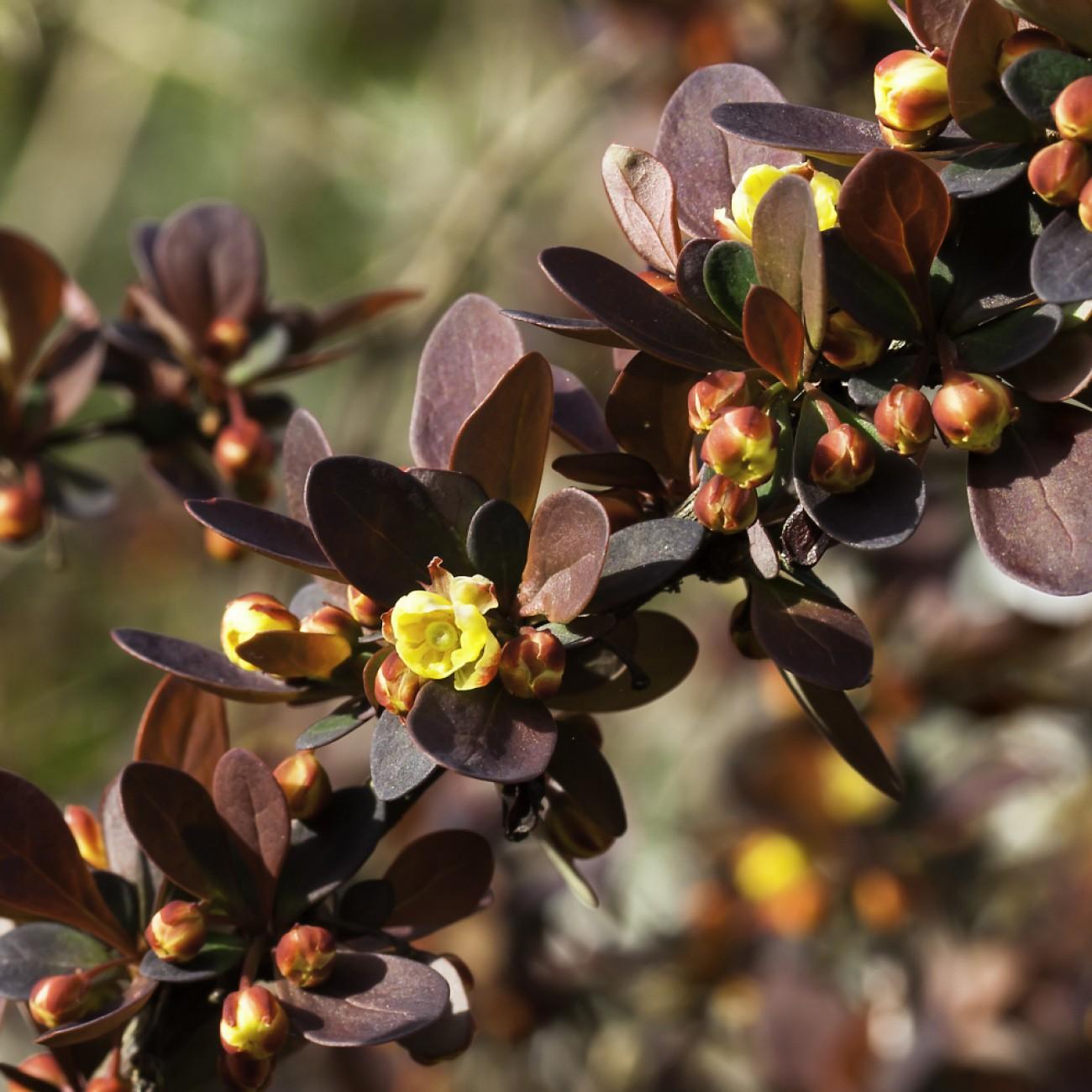
Japanese barberry
Berberis thunbergii f. atropurpurea 'Atropurpurea Nana'
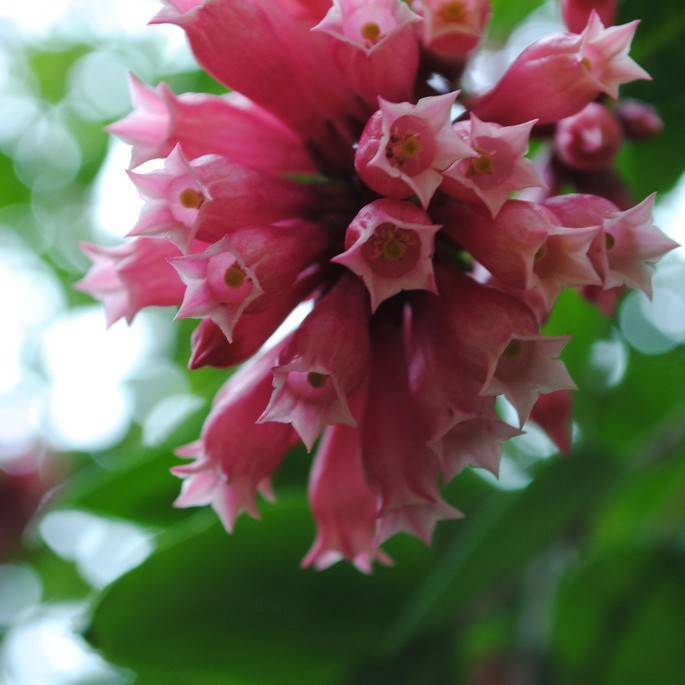
purple cestrum
Cestrum elegans