Application d'identification des mauvaises herbes : comment distinguer les mauvaises herbes nuisibles des plantes souhaitées de jardin
Découvrez comment une application d'identification des mauvaises herbes élimine les incertitudes de l'entretien de jardin, pour que vous puissiez éliminer les plantes invasives sans endommager les variétés mellifères souhaitées.
Application d'identification des mauvaises herbes : comment distinguer les mauvaises herbes nuisibles des plantes souhaitées de jardin
Si vous avez déjà été à genoux dans votre jardin, fixé une plante feuillue méconnue et vous êtes demandé si vous deviez l'arracher ou la laisser pousser, vous n'êtes pas seul. Les nouveaux jardiniers ont souvent du mal à distinguer les mauvaises herbes invasives à propagation rapide des plantes indigènes bénéfiques — dont beaucoup portent le mot « mauvaise herbe » dans leur nom commun, ce qui rend la distinction encore plus difficile. Une application d'identification des mauvaises herbes élimine les conjectures de ce processus, afin que vous puissiez protéger les plantes mellifères, arrêter la progression des espèces invasives et éviter d'exposer accidentellement vos animaux de compagnie à un feuillage toxique.
Pourquoi une identification précise des mauvaises herbes est essentielle pour les jardins particuliers
Une mauvaise identification des plantes de jardin peut entraîner trois désagréments courants et évitables pour les jardiniers amateurs. Tout d'abord, vous risquez d'arracher accidentellement une plante indigène mellifère qui soutient les abeilles, papillons et oiseaux locaux. Beaucoup de ces plantes sont adaptées à votre région, nécessitent très peu d'entretien et jouent un rôle clé dans le soutien des écosystèmes locaux : leur perte peut donc réduire la valeur écologique de votre jardin pendant des années. Deuxièmement, vous risquez de laisser une mauvaise herbe invasive en place suffisamment longtemps pour qu'elle se propage. Les variétés invasives s'enracinent souvent rapidement, produisent des centaines de graines et devancent les plantes souhaitées pour l'eau, la lumière du soleil et les nutriments du sol. Une seule plante invasive manquée peut se transformer en un projet d'élimination de plusieurs années si elle n'est pas traitée. Troisièmement, vous risquez sans le savoir de laisser pousser des plantes toxiques dans des zones accessibles aux animaux de compagnie ou aux jeunes enfants. Certaines mauvaises herbes invasives courantes provoquent des irritations cutanées au contact, ou des maladies légères à graves si elles sont ingérées : une identification correcte est donc essentielle pour la sécurité du foyer. Ce qui rend la tâche encore plus délicate, c'est que de nombreuses plantes qualifiées de « mauvaises herbes » sont en réalité des ajouts souhaitables aux jardins particuliers. Les noms communs ne reflètent pas la valeur d'une plante : ils signifient simplement que l'espèce pousse souvent spontanément dans un sol remanié. Une identification correcte vous aide à faire des choix intentionnels sur ce que vous souhaitez conserver, plutôt que de vous fier à des idées préconisées dépassées sur ce qui compte comme une « mauvaise herbe ».
Comment les outils numériques d'identification des plantes simplifient l'entretien du jardin pour les débutants
Avant que les outils numériques ne soient largement disponibles, les jardiniers s'appuyaient sur des guides de terrain imprimés volumineux pour identifier les plantes inconnues, un processus qui pouvait prendre des heures et laissait toujours place à l'erreur, en particulier pour les espèces au feuillage similaire. Une application d'identification des mauvaises herbes réduit ce processus à quelques secondes, sans aucune expérience préalable de jardinage nécessaire. La plupart des outils fonctionnent par scan de photo : vous prenez une photo claire de la plante inconnue, et l'application la compare à une bibliothèque de fiches de plantes vérifiées pour renvoyer une identification confirmée, ainsi que des informations clés sur les habitudes de croissance de la plante, ses besoins d'entretien et ses risques. Sproutly fonctionne comme un outil d'identification des mauvaises herbes en plus de ses fonctionnalités générales d'entretien des plantes, avec un outil de scan photo qui s'appuie sur une vaste bibliothèque de plantes courantes de jardin et de parcelle, incluant à la fois les mauvaises herbes invasives et leurs sosies bénéfiques. Une fois que vous obtenez une identification, vous obtenez également du contexte pour vous aider à décider si la plante mérite d'être conservée, ou si vous devriez l'éliminer avant qu'elle ne se propage. Pour les jardiniers occasionnels, cela élimine le stress des doutes constants. Vous n'avez pas besoin de mémoriser les formes des feuilles ou les structures des fleurs pour faire des choix judicieux pour votre jardin : vous avez seulement besoin d'un téléphone et d'une vue dégagée sur la plante en question.
Les sosies de « mauvaises herbes » courants à scanner avec votre outil d'identification
Les nouveaux jardiniers rencontrent le plus souvent des difficultés avec les plantes qui ont des sosies presque identiques, dont l'un est invasif et l'autre bénéfique. Scanner ces plantes avec votre outil d'identification élimine le risque de confusion. L'une des paires de sosies les plus courantes est l'égopode des montagnes non panaché invasif et l'égopode des montagnes panaché ornemental que beaucoup de jardiniers plantent intentionnellement comme couvre-sol bas. L'égopode des montagnes non panaché se propage de manière agressive par des rhizomes souterrains, étouffant les autres plantes et envahissant les massifs de fleurs s'il n'est pas contrôlé. La variété panachée, en revanche, pousse plus lentement, a un feuillage attrayant bordé de blanc et peut être conservée sans danger dans des massifs délimités. Les deux sont presque identiques à première vue, donc un scan rapide est le moyen le plus simple de les distinguer. Parmi les autres sosies courants, on trouve la verge d'or indigène (une plante mellifère bénéfique souvent confondue avec l'ambroisie à feuilles d'armoise, une mauvaise herbe allergisante) et le fraisier des bois (un couvre-sol comestible souvent confondu avec le faux fraisier invasif, qui produit des fruits amers non comestibles). Chaque fois que vous repérez une plante dont vous n'êtes pas absolument sûr, effectuer un scan rapide vous aidera à éviter des erreurs coûteuses.
5 variétés de « mauvaises herbes » bénéfiques que vous voudrez peut-être conserver dans votre jardin
Les plantes suivantes portent toutes le mot « mauvaise herbe » dans leur nom commun, mais sont des ajouts souhaitables et peu exigeants pour la plupart des jardins particuliers. Confirmer leur identification avec votre outil d'identification des plantes vous évite de les arracher par erreur.
- Asclépiade tubéreuse Toutes les variétés d'asclépiade tubéreuse (un type d'asclépiade) sont indigènes d'Amérique du Nord, sans danger pour les animaux de compagnie et sont une plante hôte essentielle pour les chenilles du papillon monarque. Elles produisent des grappes lumineuses de fleurs orange, jaunes ou rouges du milieu de l'été au début de l'automne, et prospèrent en plein soleil avec très peu d'eau supplémentaire. Parce qu'elles sont résistantes à la sécheresse et adaptées à la plupart des types de sols régionaux, elles sont un excellent choix pour les jardins mellifères peu exigeants en entretien.
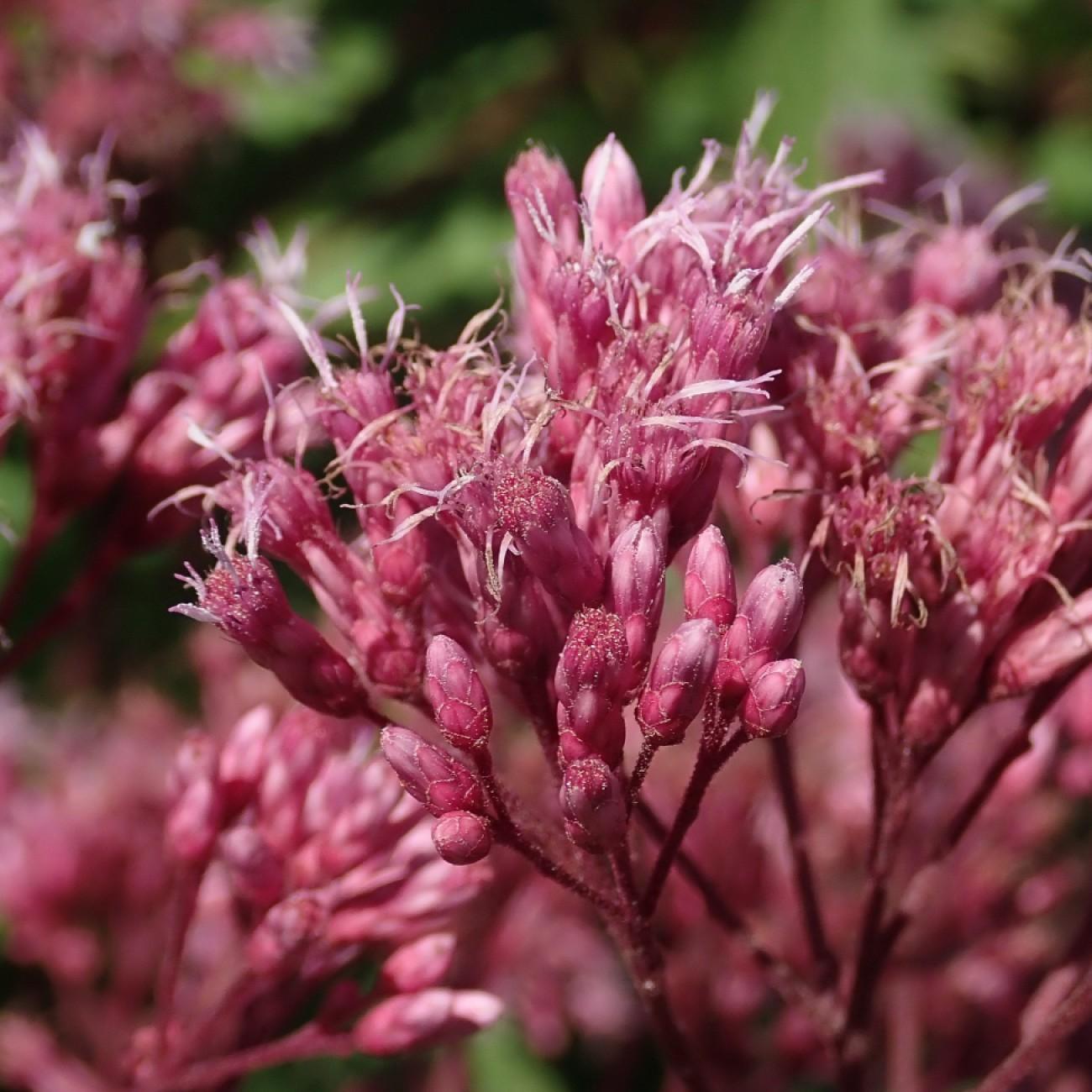
- Eupatoire de Pourpre L'eupatoire de Pourpre est une plante vivace indigène haute, formant des touffes, qui produit des grappes de fleurs rose ou violettes duveteuses à la fin de l'été. C'est une plante préférée des abeilles, des papillons et des papillons de nuit indigènes, et elle fournit de la nourriture aux oiseaux granivores en automne. Toutes les variétés sont sans danger pour les animaux de compagnie, poussent bien aussi bien en plein soleil qu'à l'ombre partielle et tolèrent les sols humides, ce qui en fait un excellent choix pour les parties basses de votre jardin qui s'écoulent lentement. Des variétés naines sont disponibles pour les petits massifs de fleurs : vous n'avez donc pas besoin d'un grand jardin pour ajouter cette plante bénéfique à votre paysage.
- Égopode des montagnes panaché L'égopode des montagnes panaché ornemental est un couvre-sol bas au feuillage vert vif et blanc qui produit de petites fleurs blanches au début de l'été. Il est sans danger pour les animaux de compagnie, tolère l'ombre profonde où la plupart des autres couvre-sols ne poussent pas et se propage suffisamment lentement pour être contrôlé dans des massifs de fleurs délimités. C'est un choix populaire pour planter sous les arbres ou le long des allées où le passage est limité.
- Pissenlit Bien que souvent considéré comme une mauvaise herbe nuisible, le pissenlit est une source de nourriture de début de saison pour les abeilles lorsque d'autres fleurs ne sont pas encore épanouies. Ses feuilles sont également comestibles pour l'homme, avec une saveur légèrement amère qui s'accorde bien dans les salades. S'ils n'envahissent pas votre pelouse, laisser une petite parcelle de pissenlits peut soutenir les pollinisateurs locaux au début de la saison de croissance.
- Trèfle blanc Le trèfle blanc est une autre « mauvaise herbe » courante qui soutient les pollinisateurs, fixe l'azote dans le sol pour améliorer sa santé et reste vert même pendant les périodes de sécheresse. Beaucoup de jardiniers mélangent intentionnellement du trèfle dans leur semence de pelouse pour réduire le besoin d'engrais et soutenir les abeilles locales. Si vous repérez l'une de ces plantes poussant spontanément dans votre jardin, un scan rapide avec votre outil d'identification confirmera son identité avant que vous décidiez de l'arracher.
Comment utiliser votre outil d'identification des mauvaises herbes pour obtenir les meilleurs résultats
Pour obtenir les résultats les plus précis de votre application, suivez ces étapes simples chaque fois que vous scannez une plante inconnue :
- Prenez des photos claires et bien éclairées de plusieurs parties de la plante. Prenez des photos des feuilles (dessus et dessous, si possible), des tiges, des fleurs et de tout fruit ou capitule de graines. Les photos floues ou les photos qui ne montrent qu'une seule petite partie de la plante augmentent le risque d'erreur d'identification.
- Indiquez votre région de culture, si l'application vous le demande. Beaucoup de plantes ne poussent que dans des zones de rusticité spécifiques, donc partager votre emplacement réduit la liste des correspondances possibles et rend les résultats plus précis.
- Comparez les détails de l'identification avec ce que vous observez dans votre jardin. Si l'application indique que la plante préfère l'ombre complète mais qu'elle pousse dans une partie de votre jardin entièrement ensoleillée, vérifiez à nouveau les détails ou prenez une deuxième photo pour rescanner. L'outil d'identification de Sproutly fournit des conseils d'entretien supplémentaires après l'identification : une fois que vous avez confirmé l'identité de la plante, vous obtiendrez des conseils spécifiques sur la façon de l'entretenir si vous souhaitez la conserver, ou sur la façon de l'éliminer efficacement si elle est invasive.
Que faire après avoir identifié une mauvaise herbe
Une fois que vous avez une identification confirmée, vos prochaines étapes dépendent de si la plante est invasive, bénéfique ou neutre pour votre jardin. Si la plante est une mauvaise herbe invasive :
- Arrachez les petites infestations à la main, en veillant à retirer l'intégralité du système racinaire pour que la plante ne repousse pas.
- Pour les zones plus étendues, couvrez la zone de paillis pour bloquer la lumière du soleil et empêcher les graines de germer, ou utilisez des herbicides ciblés à faible toxicité si l'arrachage à la main n'est pas efficace.
- Jetez les mauvaises herbes invasives dans des sacs de déchets verts scellés, pas dans votre tas de compost domestique, pour éviter de propager des graines dans d'autres parties de votre jardin. Si la plante est bénéfique :
- Vérifiez les détails d'entretien inclus avec votre identification pour vous assurer qu'elle pousse dans les conditions qu'elle préfère. Si elle se trouve dans un endroit avec trop ou trop peu de soleil, vous pouvez la transplanter dans un emplacement plus adapté si vous le souhaitez.
- Si elle a tendance à se propager rapidement, installez une bordure autour du massif pour contenir sa croissance et éviter qu'elle n'envahisse d'autres plantes.
- Ajoutez des rappels pour tout entretien nécessaire, comme l'arrosage pendant les sécheresses prolongées ou la coupe du feuillage en automne, dans votre calendrier d'entretien des plantes. Beaucoup d'outils d'identification, y compris Sproutly, incluent des notes d'entretien personnalisées à la fois pour les plantes souhaitées et pour les mauvaises herbes invasives courantes : vous aurez donc des étapes claires et actionnables à suivre, quel que soit ce que vous identifiez.
Dernières réflexions : construisez un jardin plus sain avec une identification intelligente des plantes
Une application d'identification des mauvaises herbes est bien plus qu'un simple outil pour arracher des plantes indésirables : c'est une ressource pour vous aider à construire un jardin plus intentionnel et écologiquement respectueux. En identifiant correctement les plantes qui poussent dans votre espace, vous pouvez conserver les variétés indigènes qui soutiennent les pollinisateurs, protéger vos animaux de compagnie du feuillage toxique et arrêter la propagation des espèces invasives avant qu'elles ne deviennent un problème majeur. Vous n'avez pas besoin d'être un jardinier expert pour faire des choix judicieux pour votre jardin. Tout ce dont vous avez besoin, c'est d'un moyen d'identifier précisément les plantes autour de vous et de conseils clairs pour les entretenir.
FAQ
Une application d'identification des mauvaises herbes est-elle précise pour les plantes de jardin courantes ?
Une application d'identification des mauvaises herbes de qualité peut identifier avec précision la plupart des plantes courantes de jardin et de parcelle lorsqu'on lui fournit des photos claires et bien éclairées des caractéristiques clés de la plante, comme les feuilles, les fleurs et les tiges. Pour obtenir les meilleurs résultats, comparez les résultats d'identification avec les conseils de votre service de vulgarisation agricole local si vous avez un doute sur une plante à haut risque.
Toutes les plantes appelées « mauvaise herbe » sont-elles mauvaises pour mon jardin ?
Non. Beaucoup de plantes dont le nom commun comporte le mot « mauvaise herbe », comme l'asclépiade tubéreuse et l'eupatoire de Pourpre, sont des variétés indigènes, mellifères et sans danger pour les animaux de compagnie qui constituent d'excellents ajouts aux jardins extérieurs. Votre outil d'identification vous aidera à distinguer ces plantes bénéfiques des mauvaises herbes invasives qui doivent être éliminées.
Puis-je utiliser une application d'identification des mauvaises herbes pour savoir si une plante est sans danger pour mes animaux de compagnie ?
Beaucoup d'outils d'identification, y compris Sproutly, incluent des notes de sécurité pour les animaux de compagnie dans leurs fiches de plantes : vous pouvez donc confirmer si une plante inconnue présente un risque pour les chiens ou les chats qui pourraient mâchouiller son feuillage.
Ai-je besoin d'une application d'identification des mauvaises herbes séparée si j'ai déjà une application générale d'entretien des plantes ?
Si votre application d'entretien des plantes existante inclut un outil d'identification par photo qui couvre les mauvaises herbes courantes et leurs sosies bénéfiques, vous n'avez probablement pas besoin d'un outil séparé. Sproutly, par exemple, fonctionne à la fois comme application générale d'entretien des plantes et comme application d'identification des mauvaises herbes, avec une vaste bibliothèque de plantes courantes de jardin et de parcelle.
Essayez Sproutly
Prêt à arrêter de deviner au sujet des plantes de votre jardin ? Essayez Sproutly dès aujourd'hui pour scanner les plantes inconnues, obtenir des identifications précises et accéder à des conseils d'entretien personnalisés à la fois pour les mauvaises herbes que vous souhaitez éliminer et pour les plantes bénéfiques que vous voulez voir prospérer.
Lectures associées
D'autres guides qui pourraient vous plaire
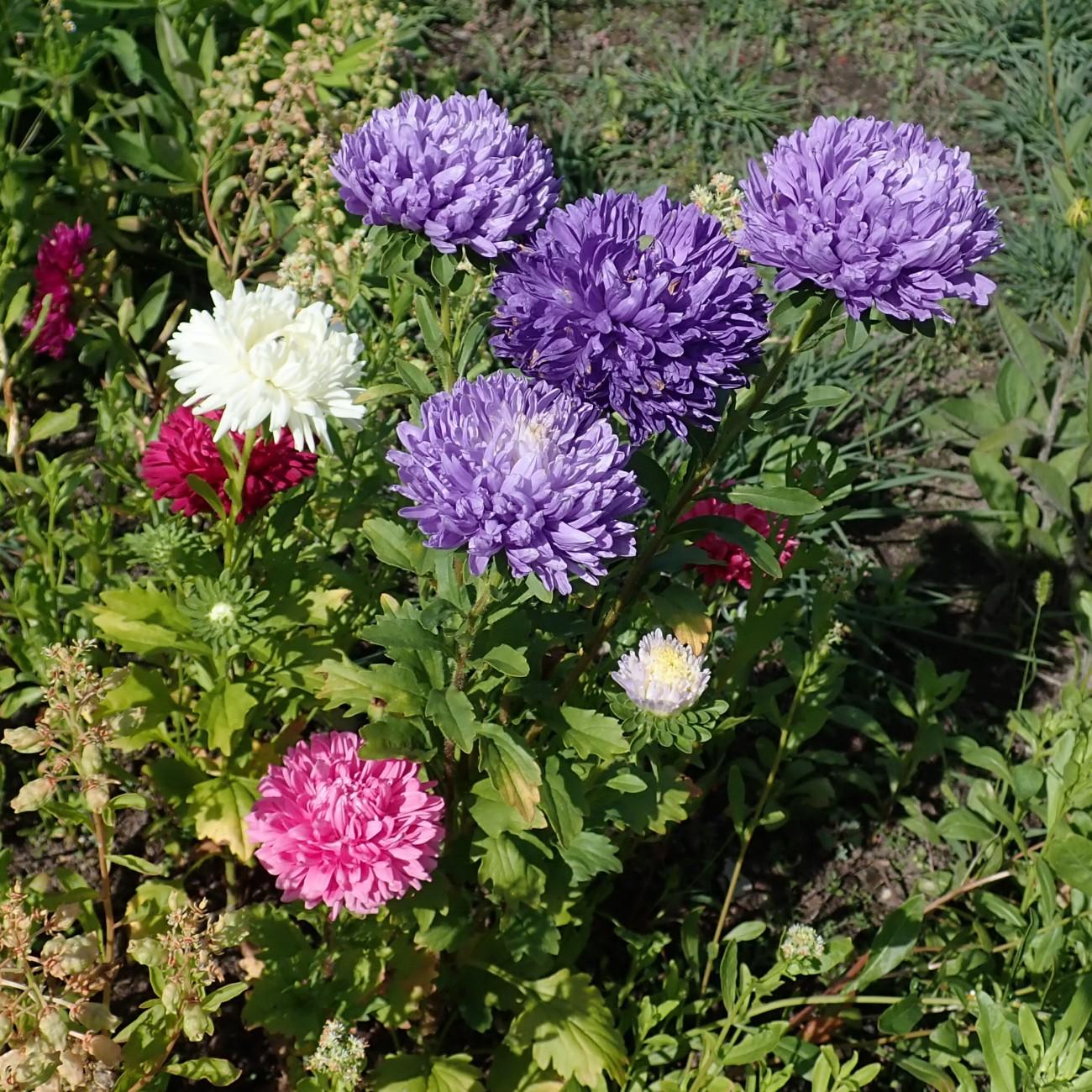
China Aster: Complete Care, Growing Guide, and Varieties
Learn how to grow and care for China aster (Callistephus chinensis), a pet-safe, full-sun flower that delivers long-lasting garden color for months.
2026-07-04 · 17 min read
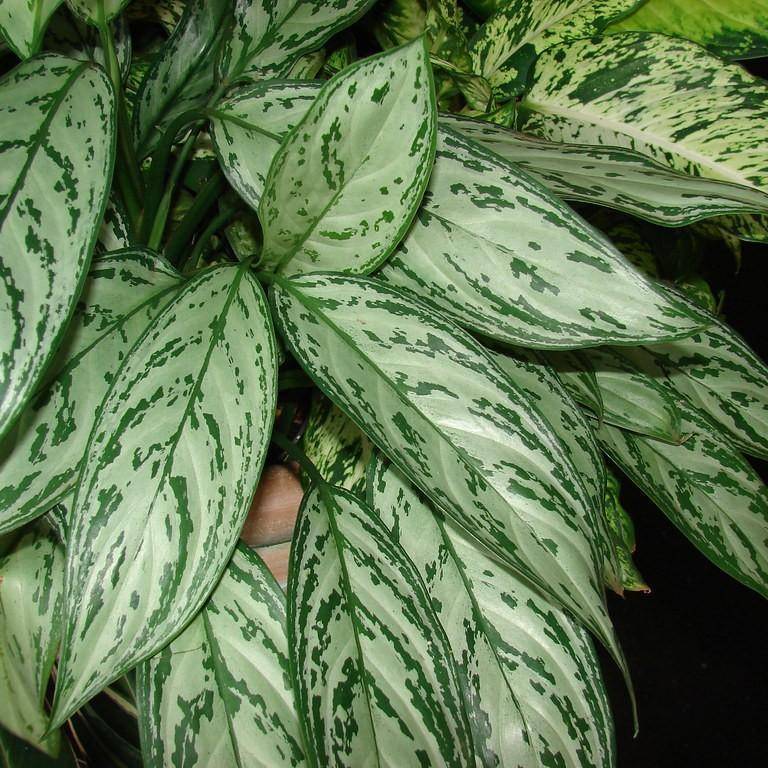
Chinese Evergreen: Care Guide, Varieties, and Growing Tips for Aglaonema
Learn how to care for Chinese evergreen (Aglaonema) houseplants, plus top varieties, troubleshooting tips, and pet safety details for this low-fuss indoor plant.
2026-07-04 · 14 min read
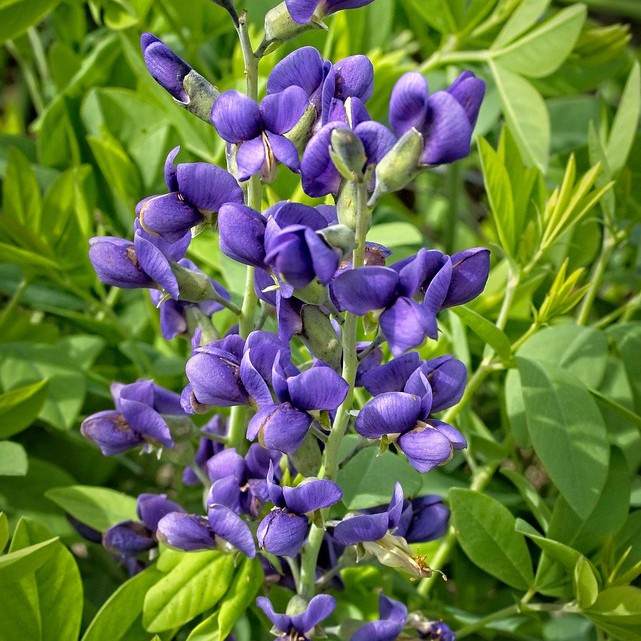
Caryopteris Clandonensis Heavenly Blue: Care, Size, and Growing Guide
Learn how to grow and care for Caryopteris Clandonensis Heavenly Blue, a pet-safe, flowering bluebeard shrub ideal for full-sun gardens.
2026-07-03 · 8 min read