Snow on the Mountain Plant (Euphorbia Marginata): Care, Identification, and Growing Tips
Learn how to identify, grow, and care for snow on the mountain (Euphorbia marginata), plus key facts about its toxicity, sun needs, and drought tolerance.
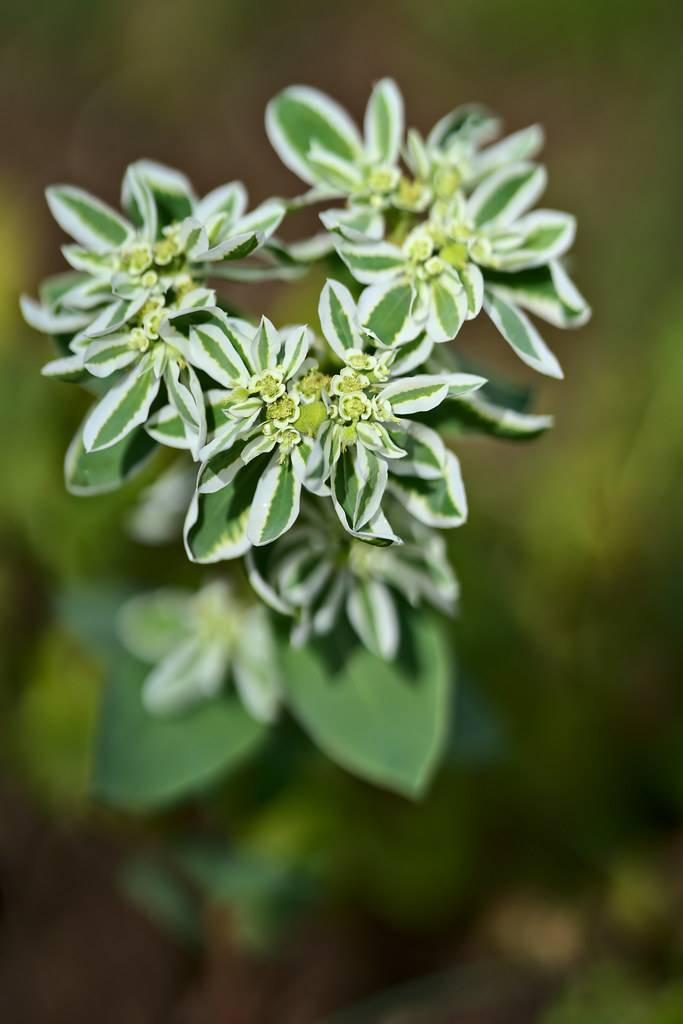
Euphorbia marginata, commonly called the snow on mountain plant, is a hardy, low-maintenance succulent perennial with distinct white-edged foliage that gives it its signature frosted appearance. It grows 1 to 3 feet tall at maturity, tolerates drought and wide temperature swings, and is toxic to humans and pets when ingested or handled improperly.
Snow on the Mountain Plant: Core Identification Facts
Snow on the mountain (Euphorbia marginata) has distinct visual markers that set it apart from other succulents and similar euphorbia species. It grows 1 to 3 feet tall at maturity and produces small, pale green flowers in mid to late summer. If you struggle to confirm if a plant is this species, use the Sproutly app to scan its leaves for an instant, accurate ID.
Key visual identifiers
The most prominent marker is its ovate green leaves edged in bright, crisp white, which covers the upper portion of stems near flower clusters. Stems are thick, sturdy, and pale green, and break easily to release a thick, milky sap. The small, non-showy flowers are surrounded by the white-edged bracts that give the plant its frosted look. For more detail on its physical traits, reference the snow on mountain plant encyclopedia entry.
How to tell it apart from similar Euphorbia species
Unlike cushion spurge, which grows in low, mounded clumps, the snow on mountain plant grows upright with a loose, spreading form. It also has wider white leaf margins than other euphorbias, and its sap is thicker and more irritating on contact than most non-toxic euphorbia varieties. If you are exploring other drought-tolerant euphorbias for your landscape, check out the cushion spurge 'Bonfire' growing tips for a low-growing, pet-safe alternative.
Ideal Light and Temperature Requirements for Euphorbia Marginata
Snow on the mountain thrives in full sun, meaning it needs a minimum of 6 hours of direct, unfiltered sunlight per day to grow its signature white-edged foliage. It tolerates a wide temperature range of 30°F to 90°F, and is winter hardy in USDA zones 3 through 9. It is drought-tolerant and does not require high humidity to thrive.
Full sun vs. partial shade performance
In full sun, the plant develops dense foliage with crisp, wide white leaf edges and strong, upright stems. In partial shade, its growth will be leggy, the white leaf margins will shrink or fade entirely, and it will produce far fewer flower clusters in summer. If you have partial shade spots in your yard, opt for plants adapted to lower light rather than forcing this species to grow in non-ideal conditions.
Cold tolerance for overwintering
In USDA zones 3 through 9, established plants can survive winter lows down to 30°F without extra protection. In zones 2 and below, dig up potted plants and move them indoors to a cool, sunny spot for winter, or treat in-ground plants as annuals. Cut back dead stems to 2 inches above the soil line in late fall to reduce winter pest habitat and encourage new spring growth.
Watering, Soil, and Fertilizer Guidelines
Water euphorbia marginata snow on the mountain only when the top 2 inches of soil are completely dry, which typically works out to every 10 to 14 days in warm, dry weather. It prefers well-draining, sandy or loamy soil with a neutral to slightly alkaline pH of 6.5 to 7.5. Fertilize once at the start of spring with a balanced, slow-release 10-10-10 fertilizer, and avoid additional feeds for the rest of the growing season to prevent leggy growth.
Signs of overwatering vs. underwatering
Overwatering causes yellow, mushy leaves, wilting despite moist soil, and a sour, rotting smell from the root zone. Underwatering causes crispy, brown leaf edges, drooping stems, and foliage that falls off easily when touched. If you spot any of these symptoms, adjust your watering schedule immediately, as root rot can kill the plant in as little as 2 weeks if left unaddressed.
Soil mix recommendations for potted vs. in-ground plants
For in-ground planting, mix 1 part perlite into native soil to improve drainage, especially if you have heavy clay soil. For potted plants, use a pre-mixed cactus and succulent soil, or mix 2 parts regular potting soil with 1 part perlite and 1 part coarse sand to prevent waterlogging. Avoid using soil with added water-retention crystals, as these hold too much moisture for this drought-tolerant species.
How to Plant Snow on the Mountain in Your Yard
Plant the snow on mountain plant in early spring after the last frost date for your region, spacing each plant 18 to 24 inches apart to allow for full spread. Dig a hole twice as wide and the same depth as the root ball, place the plant in the hole, backfill with native soil mixed with 1 part perlite for drainage, and water deeply once after planting. You can start seeds indoors 6 to 8 weeks before the last frost for earlier blooms.
Planting from seed vs. nursery transplants
Seeds germinate best when sown directly on the soil surface, as they need light to sprout, and will emerge in 10 to 14 days when kept at 65°F to 70°F. Nursery transplants establish faster than seeds, and will produce flowers in their first growing season, while seed-grown plants may not bloom until their second year. For a more compact, heavily variegated cultivar, consider the snow on mountain plant 'Kilimanjaro' care guide, a popular cultivated variety of this species.
Best locations for landscape placement
Choose spots with full sun and no standing water after rain, such as sloped areas, rock gardens, or the back of border beds. Avoid planting near walkways or play areas where children or pets may brush against it, due to its toxic sap. If you are looking for other bright, white-foliaged plants to pair with it, check out small white flower bush identification: 7 common varieties to recognize for pet-safe options.
Common Pests, Problems, and Toxicity Warnings
The snow on mountain plant is rarely bothered by pests, but may occasionally attract aphids or spider mites that can be treated with neem oil applied every 7 days until the infestation clears. The most common issue is root rot caused by overwatering or poorly draining soil. All parts of the plant contain a milky sap that is toxic to humans, dogs, and cats if ingested, and may cause skin irritation on contact. Wear gloves when pruning or handling the plant to avoid exposure.
How to treat root rot
If you spot early signs of root rot, stop watering immediately and let the soil dry out completely. For potted plants, remove the root ball from the pot, trim away any black, mushy roots with sterile shears, and repot in fresh, dry succulent soil. For in-ground plants, dig up the root ball, trim damaged roots, and replant in a raised bed or spot with better drainage. If more than 50% of the roots are rotted, the plant cannot be saved.
Safety tips for handling pruning or propagation
Always wear waterproof gloves and long sleeves when handling the plant, and avoid touching your face or eyes while working with it. If sap gets on your skin, wash the area with soap and cold water immediately, as warm water opens pores and increases irritation. Keep pruned clippings and dropped leaves away from pet beds and compost piles, as the sap remains toxic even when the plant material is dry.
Snow on the Mountain Landscaping Uses and Companion Plants
The snow on mountain plant works well as a border plant, ground cover, or addition to rock gardens and xeriscapes thanks to its drought tolerance and bright, contrasting foliage. It pairs well with other full-sun, drought-tolerant plants like lavender, coneflower, and yarrow. It spreads slowly via self-seeding, so you can deadhead spent flowers if you want to limit spread in your landscape.
Xeriscape planting ideas
Plant it in clusters among large, smooth river rocks and drought-tolerant grasses for a low-maintenance rock garden that requires minimal watering. It also works well as a filler plant between taller, spiky plants like yucca or agave, where its white foliage adds contrast to darker, more textured leaves. Because it requires no supplemental irrigation once established, it is ideal for low-water landscapes in arid regions.
How to control self-seeding spread
Deadhead spent flower clusters before they dry out and release seeds to prevent unwanted spread. If volunteer seedlings pop up in unwanted areas, pull them when they are 2 to 3 inches tall, before they develop deep root systems. Avoid tilling soil near established plants, as this can spread broken root fragments that will sprout new growth.
FAQ
Is Euphorbia marginata the same as snow on the mountain?
Yes, Euphorbia marginata is the formal scientific name for the plant commonly called snow on the mountain. The common name refers to its distinct white-edged foliage that looks like dusting of snow on green leaves.
Is snow on the mountain toxic to pets?
Yes, all parts of snow on the mountain contain a milky sap that is toxic to dogs, cats, and humans if ingested, and may cause skin irritation on contact. Keep the plant out of reach of pets and small children, and wear gloves when handling it.
How often should I water snow on the mountain?
Water snow on the mountain only when the top 2 inches of soil are completely dry, which is usually every 10 to 14 days in warm, dry weather. Avoid overwatering, as this can lead to root rot, the most common issue with this plant.
Try Sproutly
Unsure if the plant in your yard is the snow on mountain plant, or need personalized care reminders to keep it thriving? The Sproutly app lets you scan any plant for instant, accurate identification, plus tailored care tips, watering schedules, and pest troubleshooting advice for every species in your collection. Download Sproutly today to make plant care simpler.
Lectures associées
D'autres guides qui pourraient vous plaire
Plant Disease Identification: How to Spot Common Issues and Prevent Spread
Learn step-by-step plant disease identification to spot fungal, bacterial, and viral issues early, plus how to protect susceptible and disease-resistant plants in your space.
2026-06-24 · 9 min read
Trees in Florida Identification Guide: 7 Common Native and Cultivated Species to Spot
Identify trees across Florida with this practical guide: recognize key foliage, flower, and bark traits for common species found in yards, parks, and wild spaces.
2026-06-24 · 10 min read
Tropical Plant Care Guide for California: Grow Thriving Tropicals Indoors & Out
Learn how to grow tropical plants in California’s varied climate, from indoor humidity tips to outdoor sun-tolerant varieties that thrive in Golden State conditions.
2026-06-24 · 12 min read