Comment identifier une plante à partir d'une photo (y compris par des photos de feuilles)
Guide accessible aux débutants pour identifier les plantes à partir de photos, y compris comment affiner les identifications à l'aide d'une simple photo de feuille pour des plantes courantes comme les érables.
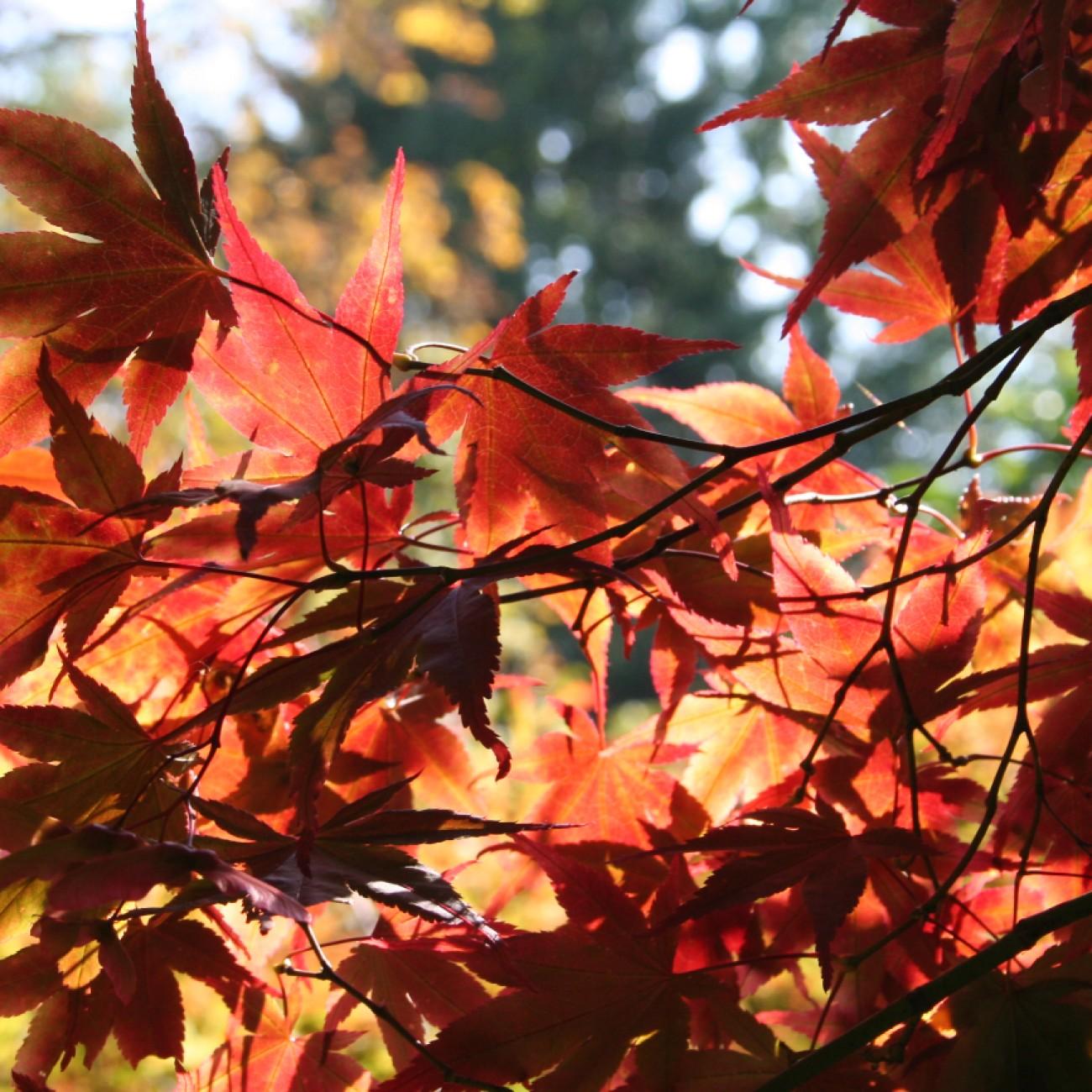
Identifier une plante à partir d'une photo est l'une des méthodes les plus accessibles pour les nouveaux jardiniers et les passionnés de plantes pour apprendre à connaître la végétation qui les entoure, que vous entreteniez un paysage déjà établi ou que vous découvriez les plantes héritées dans une nouvelle maison. Ce guide couvre tous les cas d'usage courants d'identification par photo, des clichés de la plante entière aux gros plans de feuilles seules, afin que vous puissiez obtenir des résultats précis sans connaissances préalables en botanique.
Comment fonctionne l'identification de plante par photo pour les débutants
L'identification de plantes par photo repose sur la comparaison des caractéristiques visibles de votre image avec des enregistrements de plantes vérifiés. Pour les photos de plantes entières, les outils recoupent des caractéristiques comme le port de croissance, la forme des fleurs, la texture de l'écorce et la structure des feuilles pour affiner les correspondances possibles. Pour les photos de feuilles seules, le processus se concentre sur les détails plus fins des feuilles, souvent associés aux informations contextuelles que vous fournissez pour éliminer les espèces qui se ressemblent.
Vous n'avez pas besoin de formation en botanique pour obtenir des résultats fiables. Le processus est conçu pour être accessible aux débutants, et la plupart des outils d'identification vous guident pour fournir tout contexte supplémentaire nécessaire pour confirmer une correspondance. Cette accessibilité fait de l'identification de plante à partir d'une photo une première étape très populaire pour les personnes novices en soins des plantes.
Conseils étape par étape pour identifier des plantes à partir d'une photo
Si vous souhaitez identifier des plantes à partir d'une photo, ces étapes simples vous aideront à obtenir les résultats les plus précis possible, sans expérience préalable requise.
1. Prenez d'abord une photo claire et bien éclairée de la plante entière
La lumière naturelle indirecte est la meilleure pour éviter de surexposer les détails fins ou de créer des ombres marquées qui masquent les caractéristiques clés. Positionnez votre appareil pour capturer le port de croissance complet de la plante : pour les arbres, cela signifie cadrer l'ensemble de la canopée et une partie du tronc ; pour les petits arbustes ou les plantes vivaces, cadrez depuis la base de la plante jusqu'au sommet de son feuillage ou de ses fleurs. Si vous prenez une photo d'une plante en pot, incluez la forme entière de la plante plutôt que juste une petite section de feuilles.
2. Notez les détails clés comme l'emplacement de culture et les caractéristiques des fleurs ou des fruits
Les détails visuels ne racontent qu'une partie de l'histoire. Notez quelques indices contextuels rapides pour aider à affiner les résultats :
- Si la plante pousse à l'intérieur ou à l'extérieur
- Votre zone de rusticité USDA, si elle est plantée à l'extérieur
- Toute fleur, fruit, texture d'écorce ou schéma de croissance particulier (comme un port pleureur) visible
- Si la plante pousse en plein soleil, à l'ombre partielle ou à l'ombre totale
Ce contexte élimine les espèces qui ne pourraient jamais pousser dans vos conditions, réduisant considérablement le nombre de correspondances incorrectes.
3. Utilisez un outil d'identification dédié pour recouper votre photo
Les outils de recherche d'images génériques renvoient souvent des résultats non liés venant de tout le web, donc un outil spécifique aux plantes vous donnera des correspondances bien plus fiables. Téléchargez votre photo, ajoutez tout contexte que vous avez noté et examinez les principales correspondances suggérées pour voir celle qui correspond à la plante que vous identifiez.
Comment identifier une plante par photo de feuille quand vous n'avez pas de photo de la plante entière
Parfois vous n'avez accès qu'à un gros plan d'une feuille, que ce soit parce que la plante est trop haute pour être capturée en entier, ou que vous avez simplement trouvé une feuille tombée au sol. Vous pouvez tout à fait identifier une plante par photo de feuille, à condition de mettre en évidence les caractéristiques clés de la feuille et de fournir un contexte supplémentaire pour éliminer les espèces similaires.
Caractéristiques clés des feuilles à mettre en évidence pour une identification précise
Lorsque vous prenez votre photo de feuille, cadrez-la pour montrer ces détails essentiels :
- Forme générale : Est-elle en forme de cœur, lobée, ovale ou en forme d'aiguille ?
- Marge (bord) : Le bord est-il lisse, dentelé ou ondulé ?
- Schéma des nervures : Les nervures se ramifient-elles à partir d'un point central, sont-elles parallèles entre elles ou s'étendent-elles depuis la base de la feuille ?
- Texture : La feuille est-elle cireuse, duveteuse, lisse ou rugueuse au toucher ?
- Taille : Placez un objet courant comme une pièce de monnaie ou votre main à côté de la feuille pour indiquer l'échelle, si possible.
Si la feuille est attachée à une tige, incluez une petite section de la tige sur la photo pour montrer comment les feuilles sont disposées (opposées l'une à l'autre, alternées ou regroupées à l'extrémité de la tige).
Exemple : Identification des variétés d'érables courantes à partir de photos de feuilles
Les érables sont l'un des arbres les plus courants que les gens essaient d'identifier à partir de photos de feuilles, et leurs feuilles lobées distinctes facilitent l'affinement de l'identification avec un gros plan clair. Par exemple :
- L'Érable du Japon 'Ever Red' à feuilles découpées a des feuilles finement découpées, dentelées, avec des lobes profonds et étroits qui le distinguent des variétés d'érables aux feuilles plus larges. Un gros plan de sa structure de feuille plumeuse est souvent suffisant pour confirmer la correspondance, surtout si vous notez que la plante est un petit arbre extérieur pleureur.
- L'Érable à grandes feuilles 'Mocha Rose' a de grands lobes larges et une surface brillante, avec des feuilles matures qui peuvent atteindre jusqu'à 30 cm de large. Une photo qui inclut une référence d'échelle (comme votre main à côté de la feuille) aidera à le distinguer des variétés d'érables plus petites.
- L'Érable du Japon 'Moonfire' a des feuilles d'un rouge profond vif avec cinq à sept lobes pointus, et conserve sa couleur rouge pendant la majeure partie de la saison de croissance. Noter la couleur de la feuille en plus de la photo en gros plan aidera à éliminer les érables à feuilles vertes qui lui ressemblent.
Comment Sproutly simplifie l'identification de plantes par photo
Identifier une plante à partir d'une photo est rapide et simple avec Sproutly. L'application utilise une base de données d'enregistrements de plantes vérifiés pour faire correspondre vos photos de plantes entières ou de feuilles seules à des profils d'espèces précis, y compris les exigences d'entretien, les ports de croissance et les notes de sécurité pour les animaux domestiques et les enfants.
Vous pouvez ajouter du contexte comme votre emplacement de culture et l'exposition au soleil directement dans l'application pour affiner les résultats, même si vous n'avez qu'une photo de feuille à télécharger. Chaque correspondance renvoie à un profil de plante complet avec des conseils d'entretien, afin que vous puissiez apprendre à soutenir la santé de votre plante juste après l'avoir identifiée.
Erreurs courantes à éviter lors de l'identification de plantes par photo
Même avec une photo claire, de petits oublis peuvent conduire à des correspondances incorrectes. Évitez ces pièges courants :
- Ne se fier qu'à la couleur des feuilles : La couleur des feuilles peut changer avec les saisons, l'exposition au soleil et même le stress de la plante. Priorisez les caractéristiques structurelles comme la forme des feuilles et le port de croissance pour une identification plus fiable.
- Oublier de noter les conditions de culture : Une feuille de plante d'intérieur tropicale peut sembler presque identique à celle d'une plante sauvage extérieure, mais indiquer si vous l'avez trouvée à l'intérieur ou à l'extérieur éliminera presque toutes les correspondances erronées.
- Utiliser des photos fortement retouchées : Les filtres, les ajustements de luminosité ou les photos recadrées qui coupent des caractéristiques clés peuvent perturber les outils d'identification. Utilisez des photos non retouchées et en plein cadre pour obtenir les meilleurs résultats.
FAQ
Puis-je utiliser une photo floue pour identifier une plante ?
Les photos floues manquent souvent des détails nécessaires à une identification précise, donc essayez de reprendre une photo claire si possible. Si vous ne pouvez pas la reprendre, notez les caractéristiques visibles clés comme la forme des feuilles ou l'emplacement de culture pour aider à affiner les résultats.
L'identification de plante uniquement par feuille est-elle moins précise que l'identification par plante entière ?
Elle peut l'être, car de nombreuses plantes non apparentées ont des feuilles d'apparence similaire. Associer une photo de feuille à un contexte comme le fait que la plante pousse à l'intérieur ou à l'extérieur, ou votre zone de rusticité, améliorera la précision. Des outils comme Sproutly peuvent également être en mesure de faire correspondre les photos de feuilles à son encyclopédie de plantes pour des résultats plus fiables.
Ai-je besoin de connaissances en plantes pour en identifier une à partir d'une photo ?
Non, vous n'avez pas besoin de connaissances préalables en plantes. De nombreux outils accessibles aux débutants (y compris Sproutly) sont conçus pour effectuer le travail d'identification pour vous, à condition que vous fournissiez une photo claire et tout contexte basique que vous avez sur la plante.
Essayez Sproutly
Prêt à identifier les plantes qui vous entourent avec juste une photo ? Essayez Sproutly dès aujourd'hui pour obtenir des résultats d'identification de plantes rapides et précis et des conseils d'entretien personnalisés pour chaque plante de votre espace.
Lectures associées
D'autres guides qui pourraient vous plaire
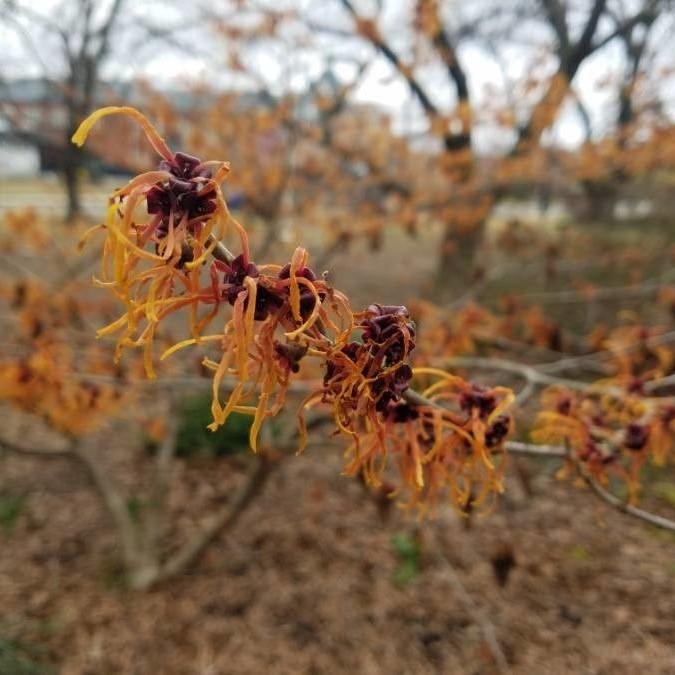
Hamamelis Mollis (Chinese Witch Hazel): Complete Grow & Care Guide
Learn to grow, care for, and enjoy Hamamelis mollis (Chinese witch hazel), a fragrant winter-blooming shrub with vibrant autumn foliage for temperate gardens.
2026-07-26 · 12 min read
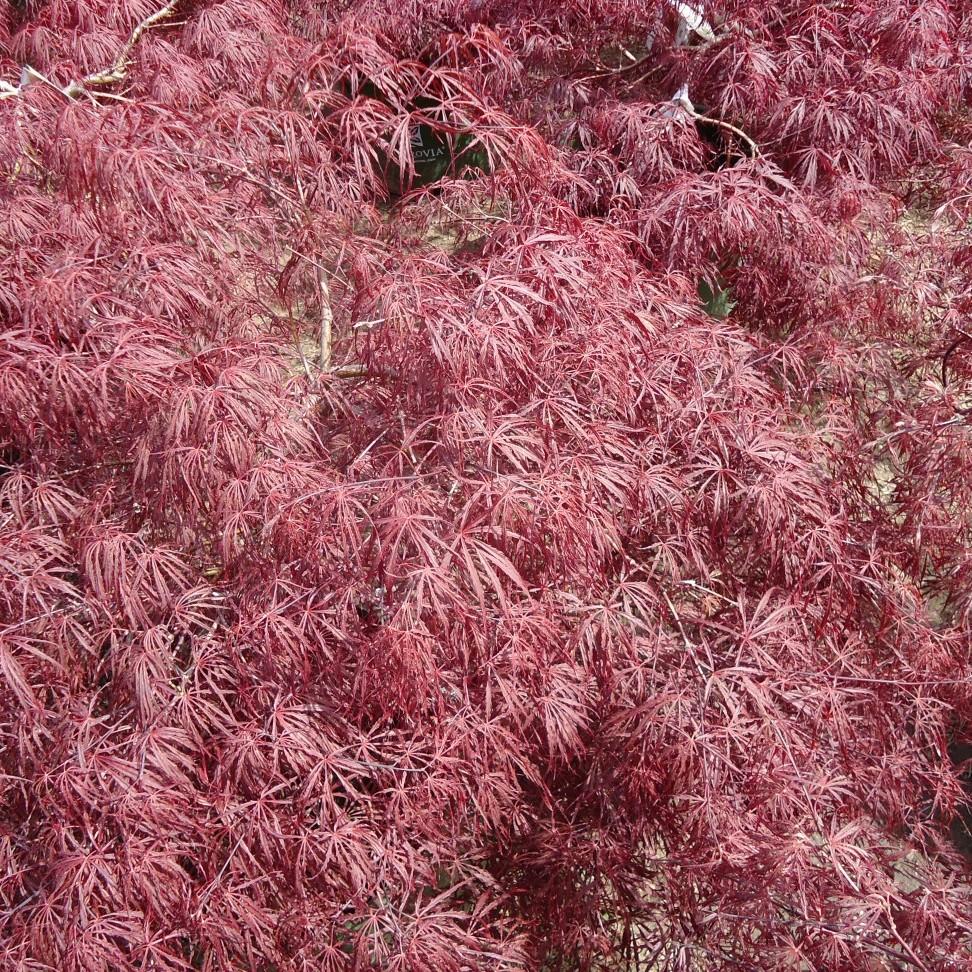
Japanese Maple Plant Description: Key Details for Iijima Sunago, Select Red, and Popular Cultivars
Get clear, beginner-friendly descriptions of Japanese maple trees, including specific details for Iijima Sunago and Select Red cultivars, plus care and pruning tips.
2026-07-26 · 8 min read
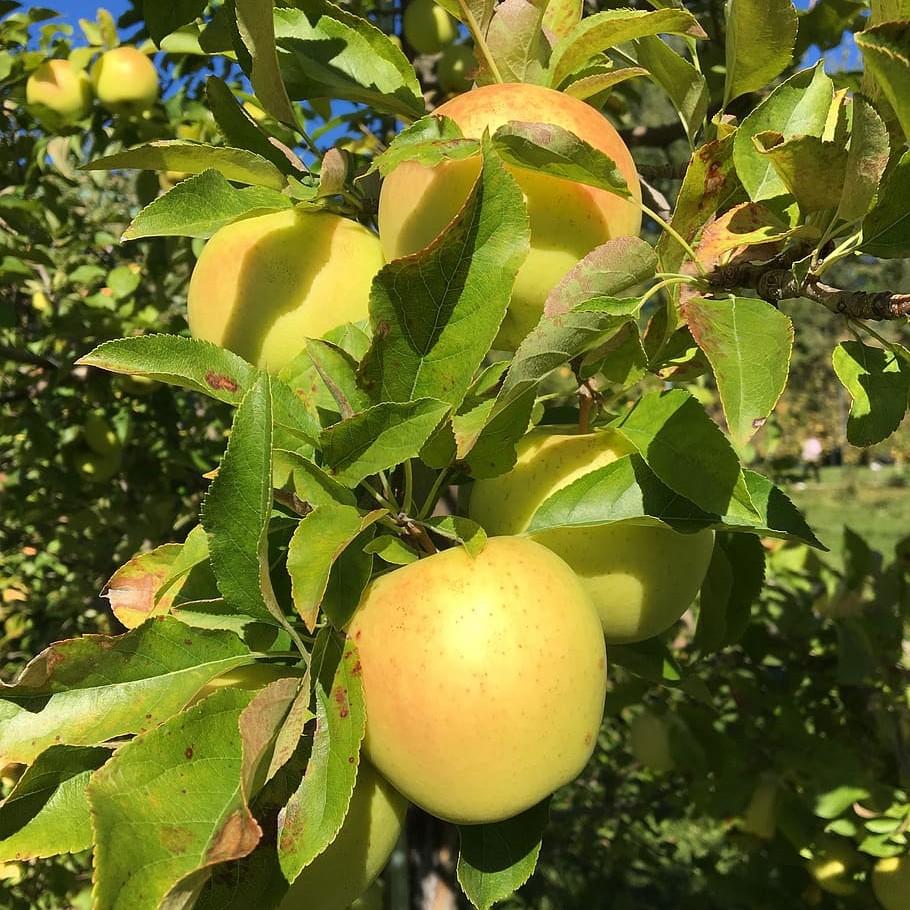
Flowering Crabapple: Grow Guide, Cultivars, and Landscape Uses
Learn to grow and care for flowering crabapple trees, with tips on cultivar selection, bloom care, disease resistance, and using their edible fruit and seasonal foliage.
2026-07-25 · 11 min read