Agent d'entretien des plantes IA : comment Gemini Spark et Sproutly rendent l'entretien des plantes proactif en 2026
Le nouveau Gemini Spark et la synthèse quotidienne Daily Brief de Google présentés à la conférence I/O 2026 redéfinissent les possibilités d'un agent d'entretien des plantes IA. Découvrez comment fonctionnent les agents végétaux proactifs, ce que manquent les agents génériques et pourquoi la mémoire par plante reste indispensable pour les parents de plantes sérieux.
Agent d'entretien des plantes IA : comment Gemini Spark et Sproutly rendent l'entretien des plantes proactif en 2026
La nouveauté la plus discrète mais la plus importante dévoilée par Google lors de la conférence I/O 2026 n'est pas une puce, un téléphone ou un modèle de génération vidéo. C'est une nouvelle catégorie de produit : les agents IA proactifs. Gemini Spark est décrit dans la présentation officielle de Google comme « votre agent IA personnel 24h/24 pour la productivité », qui fonctionne discrètement en arrière-plan et vous propose des tâches au moment où elles sont utiles, au lieu d'attendre que vous ouvriez une application et que vous fassiez une demande.
Pour la plupart des catégories de produits, c'est une fonctionnalité intéressante. Pour l'entretien des plantes, c'est la fonctionnalité qui définit toute la catégorie, et elle explique pourquoi toutes les applications d'entretien des plantes IA crédibles en 2027 seront construites sur la même architecture. L'entretien des plantes est le cas d'usage canonique des agents proactifs : il est récurrent, facile à oublier, très riche en contexte, et le coût d'un oubli est une plante morte.
Voici ce que sont réellement Gemini Spark et le nouveau Daily Brief, pourquoi l'entretien des plantes est leur cas d'usage idéal, ce qu'un agent générique peut et ne peut pas faire pour vos plantes, et les points sur lesquels une application d'entretien des plantes avec rappels dédiée reste supérieure.
Qu'est-ce que Gemini Spark et Daily Brief ?
Deux nouveaux agents ont été présentés à la conférence I/O 2026 et redéfinissent ensemble une nouvelle façon de prendre soin de ses plantes.
Spark : agent d'arrière-plan 24h/24
Gemini Spark est un agent IA personnel conçu pour fonctionner en continu en arrière-plan, même lorsque votre appareil est éteint. D'après l'annonce de Google, il fonctionne « de manière autonome mais toujours sous votre direction », et gère des tâches en plusieurs étapes sur les applications de Google (Gmail, Agenda, Drive, Docs, Sheets, Slides, YouTube, Maps) et les services tiers via le Model Context Protocol (Canva, OpenTable, Instacart).
Il fonctionne sur Gemini 3.5 Flash pour les tâches quotidiennes rapides, avec un recours à Gemini 3 Pro Vision pour les raisonnements plus complexes. SiliconANGLE le décrit comme « un agent IA toujours actif pour les tâches numériques quotidiennes ».
Daily Brief : synthèse matinale
Daily Brief est un agent séparé qui génère chaque jour une synthèse matinale personnalisée : c'est votre première interaction avec Gemini avant d'ouvrir une application spécifique. D'après la couverture de la sortie, il s'améliore au fil du temps grâce à vos retours et est actuellement accessible aux abonnés Google AI Plus, Pro et Ultra aux États-Unis.
La présentation lors du discours d'ouverture était très parlante : Daily Brief est positionné comme une « première étape de chaque jour » conçue pour remplacer le scroll compulsif par un résumé ciblé, utile et organisé par IA de ce qui compte pour vous.
En quoi ils sont différents des anciens assistants
Les anciens assistants (Google Assistant, Alexa, Siri) étaient réactifs : vous disiez quelque chose, ils faisaient quelque chose. Spark et Daily Brief sont proactifs : ils vous proposent l'action pertinente sans que vous ayez à le demander.
C'est un véritable changement de paradigme produit. Cela signifie qu'une application d'entretien des plantes n'a plus à attendre que vous l'ouvriez. Elle peut venir à vous, dans votre synthèse matinale, avec exactement ce que vous devez faire pour quelle plante aujourd'hui.
Pourquoi l'entretien des plantes est le cas d'usage idéal des agents
Il y a beaucoup de choses pour lesquelles les gens disent que les agents IA seront utiles : les e-mails, la planification, les courses. Certains de ces cas d'usage sont réels. D'autres semblent intéressants dans les discours d'ouverture mais ne résistent pas à la réalité de la vie quotidienne.
L'entretien des plantes est l'une des catégories pour lesquelles les agents proactifs résolvent véritablement un problème que les gens rencontrent toutes les semaines. Trois raisons :
C'est récurrent, facile à oublier et riche en contexte
La logique de l'entretien de plusieurs plantes est impitoyable. Une sansevière doit être arrosée environ tous les 14 jours. Un pothos tous les 5 à 7 jours. Un figuier lyre doit être arrosé chaque semaine, mais seulement si le sol est complètement sec. Une monstera toutes les une à deux semaines. Avec quatre plantes sur des cycles qui se chevauchent, vous avez quelque chose à faire presque tous les jours. Avec vingt plantes, vous avez plusieurs tâches par jour, et presque personne ne peut s'en souvenir sans aide.
Les rappels d'agenda ne fonctionnent pas parce qu'ils sont rigides. « Arroser ma monstera tous les 8 jours » est faux la moitié du temps selon la température, l'humidité et l'état de croissance récent. Un agent proactif qui intègre la météo + les entretiens récents + l'état visible de la plante est la seule architecture qui fonctionne au-delà de quelques plantes.
Il récompense la proactivité (n'attendez pas que les feuilles se flétrissent)
Les plantes ne donnent pas de signaux de détresse forts. Au moment où les feuilles se flétrissent visiblement, la pourriture des racines ou le manque d'eau dure déjà depuis une semaine. Un agent d'entretien des plantes IA proactif qui détecte un problème 48 heures avant qu'il ne soit visible est infiniment plus utile qu'un agent réactif qui répond après que vous avez remarqué le problème.
C'est exactement le vide que Daily Brief est conçu pour combler pour la productivité générale, et il s'applique presque parfaitement à l'entretien des plantes : une indication matinale de 30 secondes — « votre figuier lyre en est au jour 4, l'humidité du sol enregistrée lors de votre dernière entrée est de 22 %, arrosez-le ce soir ; votre pothos va bien jusqu'à samedi » — remplace l'ouverture de cinq applications et la vérification de chaque plante.
C'est le type de contexte qu'un agent peut réellement gérer
Certaines catégories de tâches pour les agents sont bloquées par le manque de contexte de l'agent : le travail, les relations, les projets complexes. Ce n'est pas le cas de l'entretien des plantes. L'état complet de « ce dont cette plante a besoin aujourd'hui » est petit, structuré et largement visible : espèce, dernier arrosage, dernière fertilisation, photo actuelle, 5 à 10 dernières photos, saison, problèmes de maladie récents. Un agent ayant accès à cet état peut donner des conseils proactifs réellement utiles.
Ce qu'un agent générique (Spark) peut et ne peut pas faire pour vos plantes
Prêt à l'emploi, voici ce que Gemini Spark peut faire pour vos plantes :
- Configurer des rappels récurrents. « Rappelez-moi d'arroser mes plantes tous les mardis et samedis » fonctionne. Spark créera les entrées d'agenda et les notifications.
- Lire du contenu sur les plantes pour vous. « Résumez les nouveautés de l'IA pour l'entretien des plantes cette semaine » fonctionne : Spark peut naviguer, résumer et vous informer.
- Coordonner les courses. « Trouvez-moi un humidificateur pour moins de 50 € » fonctionne via les intégrations de courses comme Instacart.
- Déclencher des rappels depuis les e-mails. « Rappelez-moi de répondre à la pépinière concernant mon figuier lyre en précommande » fonctionne.
Voici ce que le Spark générique ne peut pas faire pour vos plantes, malgré le marketing :
- Savoir quelles plantes vous possédez exactement. Vous devriez le lui dire à chaque fois, dans chaque conversation.
- Se souvenir de la dernière fois que vous avez arrosé chaque plante. Il n'a pas de journal par plante.
- Comparer la photo de feuille d'aujourd'hui à celle de la semaine dernière. Il n'a pas de calendrier de photos.
- Suivre la guérison après une maladie. Il n'a pas de mémoire des événements entre les sessions.
- Ajuster l'entretien selon l'état visible. Spark ne peut pas voir vos plantes à moins que vous ne lui envoyiez une photo.
- Afficher une synthèse quotidienne spécifique à vos plantes. Daily Brief est polyvalent : il ne connaît pas vos plantes par leur nom.
Ce ne sont pas des bogues. Ce sont les limites structurelles d'un agent générique. L'entretien des plantes nécessite un état par plante qu'aucune IA polyvalente ne conserve.
Ce qu'un agent spécifique aux plantes fait de mieux
Une application d'entretien des plantes avec rappels dédiée, construite sur la même architecture d'agent proactif, comble ces lacunes. La version de Sproutly que nous développons le fait avec trois éléments concrets.
Mémoire par plante
Chaque plante dans votre jardin Sproutly a son propre profil : espèce, guide d'entretien, photos datées, journal d'arrosage, journal de fertilisation, événements de maladie et de guérison, emplacement lumineux, taille du pot et toutes vos notes. L'agent consulte cette mémoire avant de suggérer quoi que ce soit. « Votre figuier lyre a produit deux nouvelles feuilles depuis le traitement contre les thrips en avril » est quelque chose que seule une application avec une mémoire par plante peut dire.
Suivi de la guérison
Lorsqu'un problème survient, l'entretien des plantes passe d'une routine à un projet. Vous diagnostiquez, traitez, surveillez, ajustez. Un agent spécifique aux plantes gère cela comme une guérison avec état : il affiche des points de contrôle quotidiens, compare la photo d'aujourd'hui à la photo prise au moment du diagnostic et ramène la plante à un entretien normal lorsqu'elle est clairement guérie. C'est ce qu'une application d'entretien des plantes IA avec une mémoire de chronologie peut faire, ce qu'un agent général ne peut fondamentalement pas faire.
Contexte adapté à la chronologie
Le Spark générique répond à « Dois-je arroser mon figuier lyre ? » par une réponse tirée d'un manuel. Un agent spécifique aux plantes répond par : « Votre figuier lyre a été arrosé pour la dernière fois il y a 6 jours, vous avez indiqué que le sol était « sec jusqu'à un doigt » lors de votre dernière entrée, la pièce était à 22 °C avec une humidité normale, et la nouvelle feuille que vous avez photographiée hier a l'air en bonne santé. Oui, arrosez-le ce soir, et envisagez d'augmenter légèrement la quantité d'eau compte tenu de sa croissance récente. » C'est une catégorie de conseil totalement différente.
Comment combiner Gemini Spark et Sproutly aujourd'hui
Voici la méthode pratique pour 2026, pendant que la version mobile complète de l'application d'entretien des plantes IA Sproutly est toujours en développement.
Utilisez Gemini Spark pour la couche de productivité générale :
- Rappels récurrents généraux (« arroser les plantes mardi/samedi »)
- Courses de fournitures pour les plantes
- Résumés d'articles sur l'entretien des plantes
- Coordination des e-mails avec les pépinières
Utilisez Sproutly (version web aperçu) pour la couche de mémoire par plante :
- Identifiez la plante précise dont vous prenez soin
- Consultez les détails d'entretien dans l'encyclopédie des plantes
- Enregistrez les événements importants au fur et à mesure qu'ils se produisent (nous afficherons cette chronologie dans l'application mobile, mais vous pouvez commencer à la créer sur le site web dès aujourd'hui)
Lorsque l'application mobile complète sera lancée, les deux outils s'intégreront parfaitement : Spark gère le travail d'assistant général, Sproutly gère la couche spécifique aux plantes. Daily Brief affichera vos synthèses par plante le matin, aux côtés des e-mails et des éléments d'agenda de Spark. C'est ce que nous voulons dire lorsque nous disons que Sproutly est « axé sur le jour même » : vous n'avez pas besoin d'ouvrir l'application pour trouver les actions à faire ; les actions viennent à vous, dans la synthèse, chaque matin.
À quoi ressemble un agent d'entretien des plantes vraiment proactif
Imaginez l'objectif de conception. Vous vous réveillez. Votre synthèse matinale — que ce soit le Daily Brief de Google, la synthèse quotidienne de Sproutly, ou les deux — s'ouvre sur cinq lignes :
- « Arrosez votre figuier lyre ce soir (dernier arrosage il y a 6 jours, sol sec, nouvelle feuille en formation). »
- « Votre monstera en est au jour 3 de la guérison après les thrips : le nombre de parasites a visiblement diminué sur la photo d'hier, continuez le traitement. »
- « Votre pothos n'a besoin de rien jusqu'à samedi. »
- « Vous n'avez pas enregistré d'information sur votre sansevière depuis 11 jours : elle devrait aller bien, mais prenez une photo rapide si vous passez devant elle. »
- « Érable extérieur : 33 °C prévus demain — arrosez-le ce soir pour l'anticiper. »
Cette synthèse vous prend 30 secondes à lire. Elle remplace l'ouverture de cinq applications et la consultation de vos notes. C'est tout le produit. Tout le reste — identification, encyclopédie, chronologie de photos, suivi de guérison — sert à produire cette synthèse.
C'est l'avenir que Spark et Daily Brief ont évoqué pour la productivité générale à la conférence I/O 2026, et c'est exactement l'avenir qu'une application d'entretien des plantes IA sérieuse doit offrir spécifiquement pour les plantes. Nous développons Sproutly pour être cette application.
Questions fréquentes
Gemini Spark peut-il s'occuper de mes plantes à ma place ?
Partiellement. Spark gère bien la couche d'assistant général : rappels récurrents, courses de fournitures, résumés d'articles d'entretien, coordination avec les pépinières. Il ne conserve pas de mémoire par plante — dernier arrosage, historique de photos, événements de guérison, calendriers spécifiques à l'espèce — ce qui fait que l'entretien des plantes est vraiment proactif, et pas seulement basé sur un agenda. Une application d'entretien des plantes avec rappels dédiée reste responsable de cette couche.
Quelle est la différence entre Gemini Spark et une application d'entretien des plantes IA ?
Spark est un agent polyvalent. Une application d'entretien des plantes IA comme la version de Sproutly que nous développons est un agent spécifique aux plantes avec une mémoire par plante, une chronologie de photos datées, un suivi de guérison et une synthèse quotidienne qui connaît vos plantes par leur nom. Les deux sont complémentaires, pas concurrents.
Est-ce que Daily Brief fonctionne pour les rappels de plantes ?
Aujourd'hui, seulement de manière générique : Daily Brief peut résumer les éléments d'agenda et les e-mails qui mentionnent les plantes. Il ne sait pas quelles plantes vous possédez. La version de Sproutly que nous développons affichera une synthèse quotidienne spécifique aux plantes sur la même interface matinale, en complément du Daily Brief général de Google.
En quoi est-ce différent de PictureThis ou Planta ?
PictureThis est d'abord axé sur l'identification avec une couche de rappels d'entretien basique. Planta est d'abord axée sur les rappels avec une couche d'identification basique. Aucun des deux n'est un véritable agent proactif : ce sont des applications traditionnelles que vous devez ouvrir. La génération axée sur les agents, lancée par Spark et Daily Brief en 2026, est structurellement différente : l'application vient à vous dans une synthèse matinale, avec des actions concrètes à faire pour chaque plante, au lieu d'attendre que vous l'ouvriez.
Quand puis-je configurer une synthèse quotidienne des plantes Sproutly ?
L'application mobile complète d'entretien des plantes IA est en développement ; la synthèse quotidienne et les interfaces d'agent proactif sont au cœur de sa conception. L'identificateur web gratuit sur heysproutly.com est l'aperçu public. Ajoutez notre blog à vos favoris si vous voulez être parmi les premiers à être informés du lancement de l'application mobile.
Un agent d'entretien des plantes proactif est-il réaliste, ou juste un terme marketing ?
L'architecture est réelle. L'état par plante est petit et structuré (espèce, dernier arrosage, dernière photo, événements récents) et entre parfaitement dans la fenêtre de contexte des modèles actuels. Les synthèses proactives quotidiennes sont parfaitement réalisables aujourd'hui. Le goulot d'étranglement n'est pas l'IA : c'est la conception du produit et la capture des données par plante. Les deux sont résolubles, et ce sont les deux éléments sur lesquels Sproutly travaille.
Intégrez vos plantes à une synthèse quotidienne
L'entretien des plantes n'a pas besoin d'une application plus intelligente. Il a besoin d'une application qui vous trouve le matin au lieu d'attendre que vous la trouviez. C'est l'objectif de conception sur lequel Sproutly est construit, et l'annonce de Gemini Spark et Daily Brief à la conférence I/O 2026 valide cette architecture du côté du modèle.
Commencez par l'identificateur web gratuit de Sproutly : c'est l'aperçu public de l'application d'entretien des plantes IA que nous développons pour iOS et Android. L'application mobile complète, avec une synthèse quotidienne des plantes proactif qui affiche exactement ce dont chaque plante de votre jardin a besoin aujourd'hui, sera lancée bientôt. Ajoutez cette page ou notre blog à vos favoris pour voir l'annonce de lancement dès qu'elle sera publiée.
Pour avoir une vue d'ensemble des autres annonces de Google à la conférence I/O 2026 qui concernent les parents de plantes, consultez notre bilan de la conférence I/O 2026 pour les amateurs de plantes.
Lectures associées
D'autres guides qui pourraient vous plaire
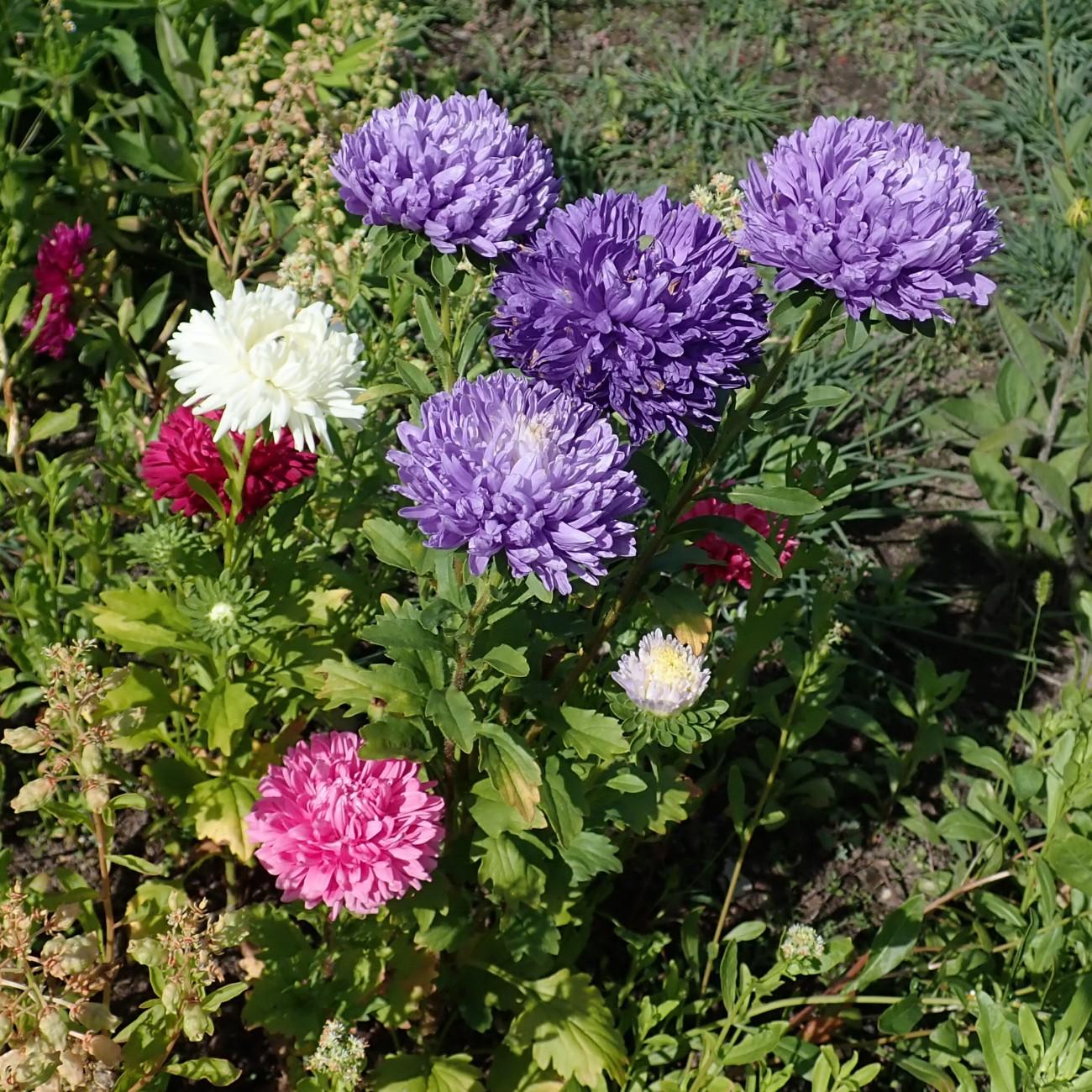
China Aster: Complete Care, Growing Guide, and Varieties
Learn how to grow and care for China aster (Callistephus chinensis), a pet-safe, full-sun flower that delivers long-lasting garden color for months.
2026-07-04 · 17 min read
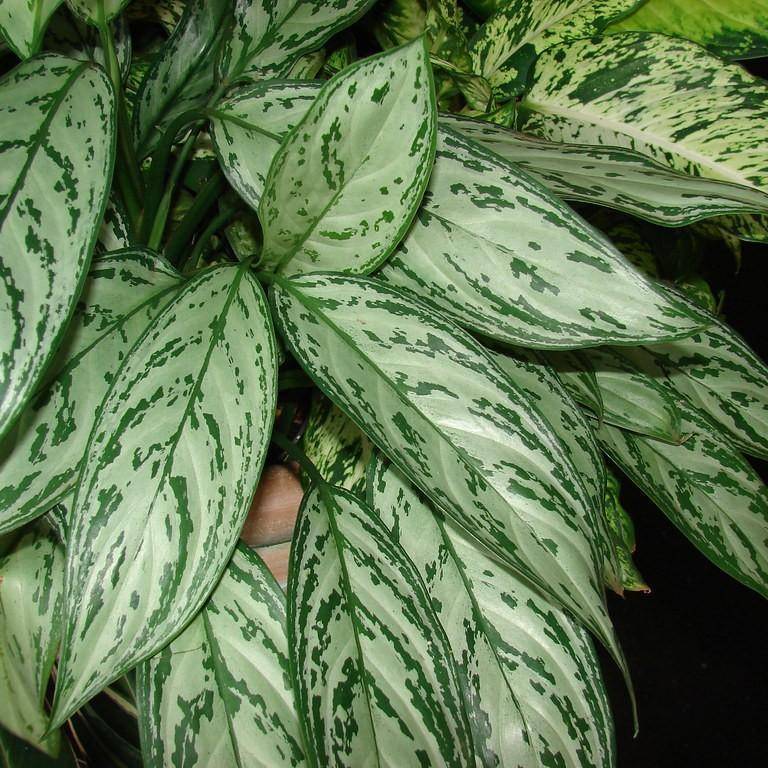
Chinese Evergreen: Care Guide, Varieties, and Growing Tips for Aglaonema
Learn how to care for Chinese evergreen (Aglaonema) houseplants, plus top varieties, troubleshooting tips, and pet safety details for this low-fuss indoor plant.
2026-07-04 · 14 min read
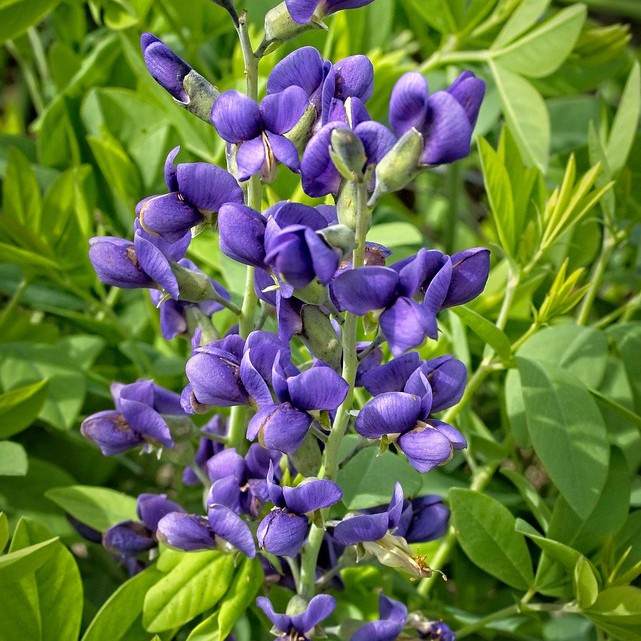
Caryopteris Clandonensis Heavenly Blue: Care, Size, and Growing Guide
Learn how to grow and care for Caryopteris Clandonensis Heavenly Blue, a pet-safe, flowering bluebeard shrub ideal for full-sun gardens.
2026-07-03 · 8 min read