Identifier les arbres à fleurs de Floride : 8 variétés indigènes et répandues à reconnaître
Maîtrisez l'identification des arbres à fleurs de Floride grâce à ce guide accessible aux débutants présentant les variétés courantes, leurs caractéristiques distinctives et des conseils de culture pour votre jardin.
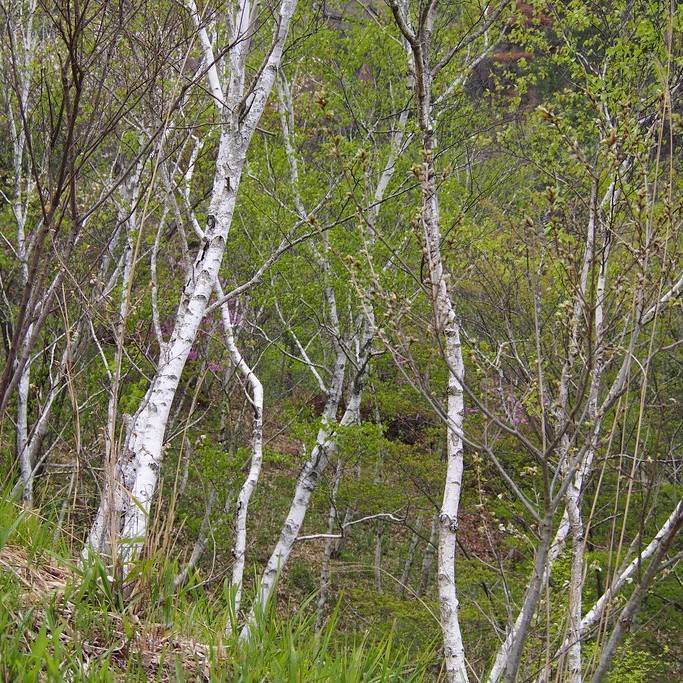
Si vous avez déjà marché dans un quartier ou un parc de Floride et vous êtes arrêté pour admirer un arbre couvert de fleurs vives, vous savez combien ces spécimens enrichissent le paysage de l'État. Une identification correcte des arbres à fleurs de Floride vous aide à choisir les variétés qui prospéreront dans votre région spécifique, à éviter les espèces toxiques si vous partagez votre jardin avec des animaux de compagnie, et à planifier une couleur saisonnière constante sur toute votre propriété.
Le climat chaud et humide de la Floride accueille des centaines d'espèces d'arbres à fleurs ornementaux indigènes et adaptés, avec des variétés différentes qui s'épanouissent aussi bien dans les hivers plus frais du nord de la Floride que dans la chaleur annuelle du sud de l'État. Si vous repérez un arbre inconnu lors d'une promenade ou si vous en avez déjà un qui pousse dans votre jardin, l'application Sproutly peut vous aider à confirmer son identité et à accéder à des conseils d'entretien personnalisés.
Indices d'identification clés à rechercher
Maîtriser l'identification des arbres à fleurs en Floride est simple quand vous savez quels caractéristiques principales noter en premier. Vous n'avez pas besoin de connaissances avancées en jardinage pour réduire la liste des espèces possibles si vous observez ces détails :
- Période de floraison : L'arbre fleurit-il seulement au printemps, en été, ou produit-il des fleurs toute l'année ?
- Couleur des fleurs : Notez la teinte exacte, du blanc pur au rose foncé, violet, rouge ou orange.
- Texture de l'écorce : Est-elle lisse, rugueuse, liégeuse ou qui s'écaille ?
- Forme des feuilles : Les feuilles sont-elles larges, étroites, lobées ou persistantes ?
- Taille à maturité : S'agit-il d'un petit spécimen de moins de 6 mètres, ou d'un arbre de taille normale atteignant 12 mètres ou plus ?
- Lieu de culture : Est-il planté en plein soleil, à l'ombre partielle, ou dans une zone côtière exposée au sel ?
Noter ces détails avant de rechercher une espèce rendra le processus beaucoup plus rapide, même si vous êtes tout nouveau au jardinage.
Variétés de Cornouiller à fleurs (Cornus florida)
Les cornouillers à fleurs sont parmi les arbres à floraison printanière les plus appréciés du nord de la Floride, prisés pour leur taille compacte et leurs bractées vives et durables (souvent confondues avec des pétales). Ils sont bien adaptés aux hivers doux et aux étés chauds de la région, et toutes les variétés courantes ne sont pas toxiques pour les animaux de compagnie, ce qui les rend idéaux pour les foyers avec des chiens ou des chats qui sortent à l'extérieur.
Les variétés populaires que vous repérerez probablement incluent :
- Cornouiller à fleurs Cherokee Brave : Produit des bractées saisissantes allant du rose foncé au rouge avec des centres blancs, créant un effet de floraison bicolore au début du printemps.
- Cherokee Chief : Offre des bractées d'un rouge rubis uni intense et un port plus droit que les autres variétés de cornouiller.
- Cornouiller à fleurs Cherokee Princess : Arbore de grandes bractées d'un blanc pur qui apparaissent deux semaines plus tôt que la plupart des autres cornouillers, ce qui en fait l'un des premiers signes du printemps dans les jardins du nord de la Floride.
- Cherokee Sunset : Présente un feuillage panaché vert et jaune qui vire aux teintes de rouge et de violet à l'automne, associé à des bractées printanières rose pâle.
- Appalachian Spring : Une variété résistante aux maladies avec des bractées blanches classiques, parfaite pour les zones où l'anthracnose du cornouiller a été un problème.
- Cloud Nine : Produit des bractées blanches extra-larges et abondantes et une canopée dense et arrondie qui fonctionne très bien comme petit arbre d'ombre.
Toutes les variétés de cornouiller préfèrent le soleil partiel et un sol bien drainé, légèrement acide, ce qui les rend parfaites pour les jardins ombragés du nord de la Floride où les espèces qui aiment le plein soleil ont du mal à pousser. Elles atteignent généralement 4,5 à 7,5 mètres de haut à maturité, donc elles s'intègrent bien dans les petits terrains sans encombrer l'espace.
Érable palmé Arakawa à écorce liégeuse (Acer palmatum 'Arakawa')
L'Érable palmé Arakawa à écorce liégeuse est un arbre ornemental polyvalent qui prospère dans les conditions humides de la Floride, même en plein soleil tant qu'il reçoit un apport d'eau constant. Il est très facile à identifier grâce à son écorce unique, profondément texturée, semblable à du liège, qui développe des crêtes et des sillons à mesure que l'arbre mûrit, créant un intérêt toute l'année même quand il n'est pas en fleurs.
Au début du printemps, il produit de petites fleurs rouge-violet discrètes suivies de feuilles lobées vert vif tout au long de l'été. À l'automne, le feuillage vire à des teintes flamboyantes d'orange et de rouge, ce qui en fait un point focal du paysage pendant plusieurs saisons. Il n'est pas toxique pour les animaux de compagnie et reste relativement petit, atteignant seulement 3 à 4,5 mètres de haut à maturité, donc il convient parfaitement aux petits jardins, aux bacs de terrasse ou comme arbre specimen près des entrées.
Autres arbres à fleurs courants de Floride à identifier
Outre les cornouillers et les érables du Japon, il existe des dizaines d'espèces d'arbres à fleurs répandues que vous repérerez dans tout l'État. Ces quatre sont parmi les plus courantes, avec des indices d'identification distincts pour vous aider à les différencier :
- Arbre de Geiger (Cordia sebestena) : Une espèce indigène du sud de la Floride qui produit des fleurs orange vives frangées toute l'année, avec de grandes feuilles ovales rugueuses et une hauteur à maturité de 6 à 9 mètres. Il tolère le sel, donc il est souvent planté dans les zones côtières.
- Lilas d'été (Lagerstroemia indica) : L'un des arbres ornementaux les plus courants dans tout l'État, avec des fleurs dans des teintes de blanc, rose, violet et rouge qui durent du milieu de l'été au début de l'automne. Il a une écorce lisse, marbrée et qui s'écaille, et il existe en variétés naines aussi petites que 90 cm de haut et en variétés de taille normale allant jusqu'à 9 mètres de haut.
- Magnolia à grandes fleurs (Magnolia grandiflora) : Un arbre indigène persistant avec de grandes feuilles vert foncé luisantes et d'énormes fleurs blanches parfumées qui apparaissent à la fin du printemps et au début de l'été. C'est un arbre de grande taille, atteignant 18 à 24 mètres de haut à maturité, et il pousse bien aussi bien dans le nord que dans le sud de la Floride.
- Tabebuia (Handroanthus spp.) : Un arbre ornemental populaire qui se couvre de fleurs en forme de trompette jaune vif, rose ou rouge au début du printemps, avant que ses feuilles n'apparaissent pour la saison. Il pousse de 6 à 12 mètres de haut selon la variété, et prospère en plein soleil dans la plupart des régions de l'État.
Conseils pour confirmer l'identification des arbres à fleurs de Floride
Si vous avez repéré un arbre inconnu et que vous voulez confirmer son espèce, suivez ces étapes simples pour obtenir une identification précise :
- Prenez des photos claires et bien éclairées des fleurs, de l'écorce, des feuilles et de la forme générale de l'arbre pour capturer toutes les caractéristiques d'identification clés.
- Notez le lieu de culture de l'arbre, y compris la quantité de soleil qu'il reçoit chaque jour et s'il est planté dans un environnement côtier, urbain ou rural.
- Enregistrez la période de l'année où vous l'avez vu en fleur, car la période de floraison est une caractéristique distinctive clé pour de nombreuses espèces de Floride.
Une fois que vous avez ces détails, vous pouvez les comparer à un guide des plantes régionales, ou utiliser la fonction d'identification des plantes de l'application Sproutly pour confirmer rapidement l'espèce et obtenir des conseils d'entretien personnalisés spécifiques à votre zone climatique de Floride.
Comment choisir le bon arbre à fleurs pour votre jardin en Floride
Une fois que vous êtes à l'aise pour identifier les variétés locales, vous pouvez sélectionner l'arbre parfait pour votre jardin en tenant compte de quelques considérations clés :
- Votre zone de rusticité : Le nord de la Floride se situe dans les zones 8a à 9a, donc il accueille des variétés de saison fraîche comme les cornouillers à fleurs qui ont besoin d'une courte période de froid hivernal pour fleurir. Le sud de la Floride se situe dans les zones 9b à 11a, donc il est mieux adapté aux espèces qui aiment la chaleur comme les arbres de Geiger et les tabebuias qui ne tolèrent pas les températures glaciales.
- Espace disponible : Si vous avez un petit jardin ou que vous voulez planter dans un contenant, optez pour des variétés naines ou des arbres naturellement petits comme l'érable palmé Arakawa à écorce liégeuse, qui restent en dessous de 6 mètres de haut à maturité. Pour les terrains plus grands, les variétés de taille normale comme le magnolia à grandes fleurs fonctionnent très bien comme arbres d'ombre.
- Exposition au soleil : La plupart des arbres à fleurs ont besoin d'au moins 6 heures de soleil direct par jour pour bien fleurir, mais des variétés comme le cornouiller à fleurs peuvent tolérer l'ombre partielle, ce qui les rend idéales pour les jardins avec de grands chênes matures.
- Sécurité pour les animaux de compagnie : Si vous avez des chiens ou des chats qui passent du temps à l'extérieur, privilégiez les variétés non toxiques. Toutes les variétés de cornouiller et l'érable palmé Arakawa à écorce liégeuse ne sont pas toxiques pour les animaux de compagnie, donc ce sont des options à faible risque pour les jardins adaptés aux animaux.
FAQ
Quel est l'arbre à fleurs blanches le plus courant en Floride au printemps ?
Le cornouiller à fleurs (Cornus florida), y compris des variétés comme Cherokee Princess et Appalachian Spring, est l'un des arbres à fleurs blanches printanières les plus répandus, surtout dans le nord de la Floride. Ses bractées caractéristiques à quatre pétales et sa forme arrondie le rendent facile à repérer.
Les cornouillers à fleurs de Floride sont-ils sans danger pour les animaux de compagnie ?
Oui, toutes les variétés courantes de cornouillers à fleurs de Floride ne sont pas toxiques pour les chiens et les chats, ce qui en fait un excellent choix pour les jardins adaptés aux animaux.
Quels petits arbres à fleurs poussent bien dans le nord de la Floride ?
L'érable palmé Arakawa à écorce liégeuse et les variétés naines de cornouiller à fleurs sont tous deux des options petites et peu exigeantes qui prospèrent dans le climat du nord de la Floride, atteignant des hauteurs à maturité inférieures à 6 mètres pour s'adapter aux petits jardins.
Comment puis-je identifier un arbre à fleurs inconnu dans mon jardin en Floride ?
Prenez des photos claires des fleurs, de l'écorce, des feuilles et de la forme générale de l'arbre, et notez sa période de floraison et son exposition au soleil. Vous pouvez utiliser un outil d'identification des plantes comme l'application Sproutly pour confirmer l'espèce et obtenir des conseils d'entretien personnalisés pour le climat de la Floride.
Dernières réflexions
Identifier les arbres à fleurs en Floride est simple une fois que vous savez quels caractéristiques clés rechercher, et pratiquer vos compétences d'identification sur les arbres locaux est un moyen amusant de mieux connaître la flore unique de votre région. Que vous choisissiez un nouvel arbre pour votre jardin ou que vous soyez simplement curieux des spécimens qui poussent dans votre quartier, vous pouvez utiliser ce guide comme référence rapide pour identifier les variétés courantes.
Si vous avez besoin d'aide pour confirmer une identification ou si vous voulez des conseils d'entretien adaptés à votre emplacement spécifique, essayez Sproutly. L'application rend l'identification des plantes rapide et simple, et inclut des conseils d'entretien personnalisés au climat unique de la Floride pour aider vos arbres à prospérer. Essayez Sproutly dès aujourd'hui pour éliminer les conjectures de votre routine de jardinage.
Lectures associées
D'autres guides qui pourraient vous plaire
Jackfruit Tree: Growing, Care, Harvesting, and Key Facts for Home Growers
Learn how to grow, care for, and harvest a jackfruit tree, plus key facts about its fruit, health benefits, and ideal growing conditions.
2026-07-01 · 19 min read
Montbretia Lucifer: Complete Care, Growing, and Design Guide
Learn how to grow and care for montbretia Lucifer, a vibrant red-flowering crocosmia cultivar ideal for sunny, humid garden beds and pollinator-friendly landscapes.
2026-07-01 · 11 min read
Geranium Sanguineum: Complete Care, Identification, and Growing Guide
Learn how to grow and care for Geranium sanguineum, a hardy, low-maintenance perennial ground cover with vibrant magenta blooms and autumn foliage.
2026-06-30 · 11 min read