Fusain pourpre (Euonymus atropurpureus) : guide d’entretien, de plantation, d’achat et d’identification
Votre guide complet pour les débutants sur la culture du fusain pourpre (Euonymus atropurpureus), incluant des conseils de plantation, où acheter des plants à racines nues ou en pot, et les informations clés pour l’identifier.
Fusain pourpre (Euonymus atropurpureus) : guide d’entretien, de plantation, d’achat et d’identification
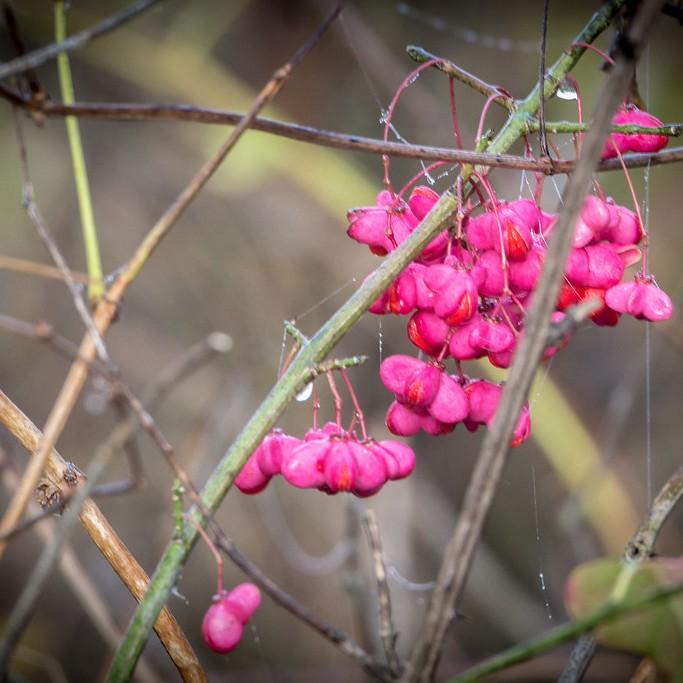
Le fusain pourpre (Euonymus atropurpureus), aussi appelé eastern wahoo en anglais, est un arbuste caduc originaire d’Amérique du Nord cultivé pour ses fruits rose vif d’automne et son feuillage violet profond à la même saison. Il atteint 3,5 à 6 mètres de hauteur à maturité, est sans danger pour les animaux de compagnie et s’adapte à la plupart des conditions de culture de l’est et du centre des États-Unis. Si vous prévoyez un budget pour de nouvelles plantations, notre guide sur le coût de plantation d’un arbre détaille les dépenses typiques selon la taille du végétal.
Fusain pourpre (Euonymus atropurpureus) : identification clé et informations générales
Le fusain pourpre (Euonymus atropurpureus) est un arbuste caduc originaire d’Amérique du Nord, souvent cultivé comme ornement extérieur pour ses fruits rose vif d’automne et son feuillage violet profond à la même saison. Il est sans danger pour les animaux de compagnie, ce qui en fait un choix à faible risque pour les jardins avec des chiens ou des chats, et pousse généralement de 3,5 à 6 mètres de hauteur à maturité. Pour une identification rapide et précise si vous repérez un arbuste inconnu dans la nature ou chez un pépiniériste, utilisez l’application Sproutly pour scanner ses feuilles ou ses fruits et confirmer qu’il s’agit bien de fusain pourpre et non d’une espèce de fusain similaire.
Les caractéristiques d’identification clés à rechercher sont les suivantes :
- Tiges vertes lisses sans ailes, qui deviennent gris-brun avec l’âge
- Feuilles ovales dentées qui deviennent violet profond à l’automne
- Bouquets de petites fleurs violettes à quatre pétales à la fin du printemps
- Fruits rose vif à quatre lobes qui s’ouvrent à l’automne pour révéler des graines rouge orangé
Comment planter le fusain pourpre Euonymus atropurpureus
Plantez le fusain pourpre à la fin de l’automne pendant la période de dormance ou au début du printemps avant l’apparition des nouvelles pousses pour maximiser le taux de survie. Choisissez un emplacement en plein soleil ou à mi-ombre, avec un sol limoneux bien drainé, et creusez un trou deux fois plus large que la motte et de la même profondeur pour éviter d’enterrer le collet. Si vous plantez un spécimen à racines nues, faites tremper les racines dans de l’eau à température ambiante pendant 2 à 4 heures avant de le placer dans le trou pour les réhydrater, puis rebouchez avec du sol de jardin mélangé à 5 cm de compost pour ajouter des nutriments.
Suivez ces étapes simples après la plantation pour favoriser l’installation :
- Arrosez abondamment immédiatement après la plantation pour tasser le sol autour des racines
- Ajoutez une couche de 5 cm de paillis de copeaux de bois à la base de l’arbuste pour conserver l’humidité et empêcher la pousse des mauvaises herbes, en gardant le paillis à 5 cm de la tige pour éviter la pourriture
- Arrosez avec l’équivalent de 2,5 cm d’eau par semaine pendant la première saison de croissance, en réduisant la fréquence une fois l’arbuste bien installé
- Évitez toute fertilisation importante la première année, car cela pourrait brûler les nouvelles racines
Où acheter du fusain pourpre Euonymus atropurpureus
Le fusain pourpre est vendu par la plupart des pépinières spécialisées dans les plantes indigènes aux États-Unis, à la fois sous forme de plants à racines nues en dormance (disponibles de la fin de l’automne au début du printemps) et de plants en pot (vendus toute l’année pendant la période de croissance active). La plupart des pépinières proposent une livraison standard aux États-Unis pour les commandes de plants à racines nues et en pot, avec des frais de livraison généralement proportionnels à la taille de la commande. Si vous n’êtes pas sûr qu’une annonce de plante corresponde bien à du vrai fusain pourpre, vérifiez le nom botanique (Euonymus atropurpureus) ou scannez la photo de l’annonce avec l’application Sproutly pour vérifier l’espèce avant d’acheter.
Les spécimens à racines nues sont généralement moins chers que les plants en pot, et ont souvent un taux de survie plus élevé lorsqu’ils sont plantés pendant la période de dormance. Les plants en pot sont un meilleur choix si vous plantez hors de la période de fin d’automne ou de début de printemps, car ils disposent d’un système racinaire établi moins sensible au choc de transplantation. Vérifiez toujours que la pépinière s’approvisionne en plants issus de populations de graines locales pour vous assurer que les arbustes sont adaptés aux conditions de culture de votre région.
Aire de répartition naturelle et conditions de culture du fusain pourpre Euonymus atropurpureus
Le fusain pourpre est originaire de l’est et du centre des États-Unis, et pousse à l’état sauvage depuis le sud de l’Ontario jusqu’à la Floride au sud, et à l’ouest jusqu’au Nebraska et au Texas. Il prospère dans les zones de rusticité USDA 3 à 8, tolérant les sécheresses occasionnelles, les sols argileux et les inondations légères une fois établi, ce qui le rend adaptable à la plupart des jardins de l’est et du centre des États-Unis. Si vous vivez en dehors de cette zone, consultez l’encyclopédie des plantes de l’application Sproutly pour trouver des arbustes extérieurs sans danger pour les animaux similaires adaptés à votre climat local.
Dans son aire de répartition naturelle, le fusain pourpre pousse naturellement en lisière de bois, sur les berges des cours d’eau et dans les fourrés, il s’adapte donc aussi bien aux emplacements en plein soleil qu’à mi-ombre. Le plein soleil produit le feuillage d’automne le plus vif et la production de fruits la plus abondante, tandis que la mi-ombre est idéale pour les régions plus chaudes et plus sèches à l’extrémité sud de sa zone de rusticité. Il n’a pas de problèmes graves de ravageurs ou de maladies, et ses fruits constituent une source de nourriture précieuse pour les oiseaux indigènes en automne et en hiver.
Cultiver du fusain pourpre à partir de graines : guide étape par étape pour les débutants
Les graines de fusain pourpre nécessitent 3 à 4 mois de stratification à froid pour germer, vous devrez donc les conserver dans un sac hermétique contenant du sable humide dans votre réfrigérateur avant de les semer. Semez les graines stratifiées à 0,5 cm de profondeur dans du terreau à la fin du printemps, et gardez le sol constamment humide jusqu’à l’apparition des semis, ce qui prend généralement 2 à 3 semaines. Les fusains pourpres cultivés à partir de graines commencent généralement à produire des fruits après 3 à 4 ans de croissance.
Pour récolter les graines destinées à la plantation, cueillez les fruits roses mûrs sur des arbustes matures à la fin de l’automne, et retirez l’enveloppe charnue extérieure pour découvrir les graines internes. Rincez soigneusement les graines pour éliminer tout résidu de fruit restant, car cela pourrait provoquer le développement de moisissures pendant la stratification. Après la stratification, les graines peuvent être semées directement dans des parterres de jardin extérieurs au début du printemps, ou démarrées à l’intérieur dans des pots pour être transplantées une fois qu’elles atteignent 15 cm de hauteur.
FAQ
Euonymus atropurpureus est-il le même que le fusain pourpre ?
Oui, Euonymus atropurpureus est le nom botanique officiel de la plante communément appelée fusain pourpre. Les deux termes sont utilisés indifféremment dans les annonces des pépinières et les guides d’entretien des plantes.
Le fusain pourpre est-il sûr à cultiver près des animaux de compagnie ?
Oui, le fusain pourpre est classé comme sans danger pour les animaux de compagnie, il présente donc un risque minimal en cas d’ingestion par des chiens ou des chats, ce qui en fait un choix adapté aux familles pour l’aménagement paysager résidentiel.
Comment distinguer le fusain pourpre du fusain ailé ?
Le fusain pourpre a des tiges lisses sans ailes, tandis que le fusain ailé (Euonymus alatus) possède des ailes liégeuses et côtelées caractéristiques le long de ses branches. Utilisez l’application Sproutly pour scanner une feuille ou une tige pour obtenir une identification précise si vous n’êtes pas sûr. Vous pouvez en savoir plus sur les variétés apparentées dans notre guide sur les espèces de fusain similaires.
Étapes suivantes
Si vous avez d’autres questions sur l’entretien ou l’identification du fusain pourpre, consultez la fiche complète du fusain pourpre dans l’encyclopédie des plantes de Sproutly pour obtenir des rappels d’entretien personnalisés adaptés à votre emplacement. Pour obtenir de l’aide rapide pour identifier d’autres arbustes indigènes dans votre jardin ou vérifier les annonces de plantes chez les pépiniéristes, utilisez l’outil d’identification des plantes par IA de Sproutly pour obtenir une identification instantanée et précise ainsi que des conseils d’entretien.
Essayez Sproutly dès aujourd’hui pour simplifier chaque étape de votre parcours de jardinage de plantes indigènes, de la sélection des espèces à l’entretien continu.
Lectures associées
D'autres guides qui pourraient vous plaire
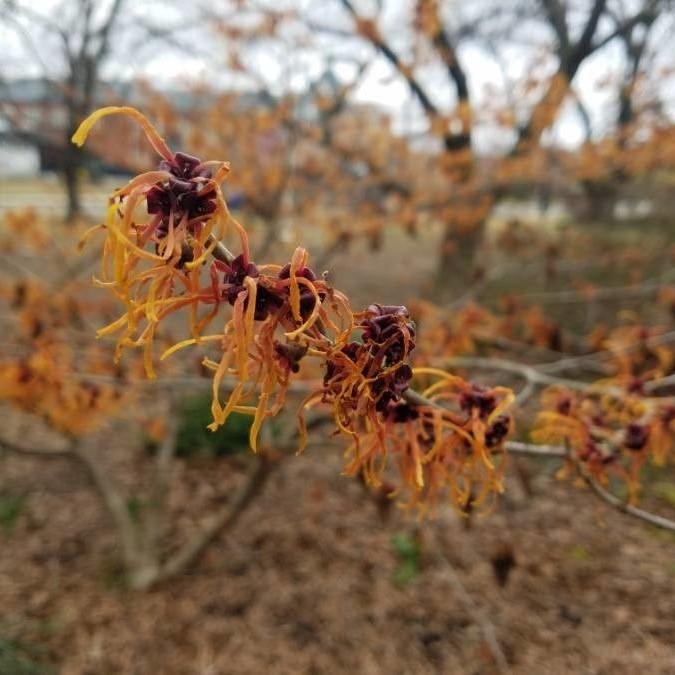
Hamamelis Mollis (Chinese Witch Hazel): Complete Grow & Care Guide
Learn to grow, care for, and enjoy Hamamelis mollis (Chinese witch hazel), a fragrant winter-blooming shrub with vibrant autumn foliage for temperate gardens.
2026-07-26 · 12 min read
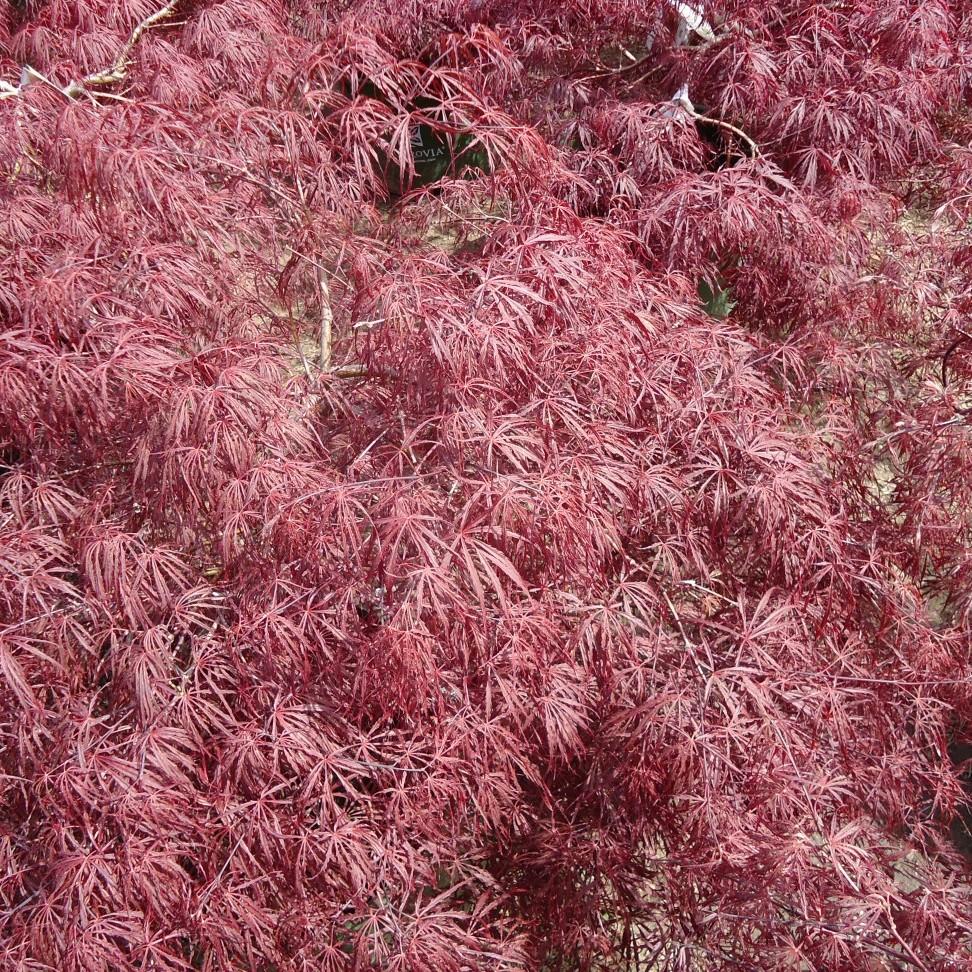
Japanese Maple Plant Description: Key Details for Iijima Sunago, Select Red, and Popular Cultivars
Get clear, beginner-friendly descriptions of Japanese maple trees, including specific details for Iijima Sunago and Select Red cultivars, plus care and pruning tips.
2026-07-26 · 8 min read
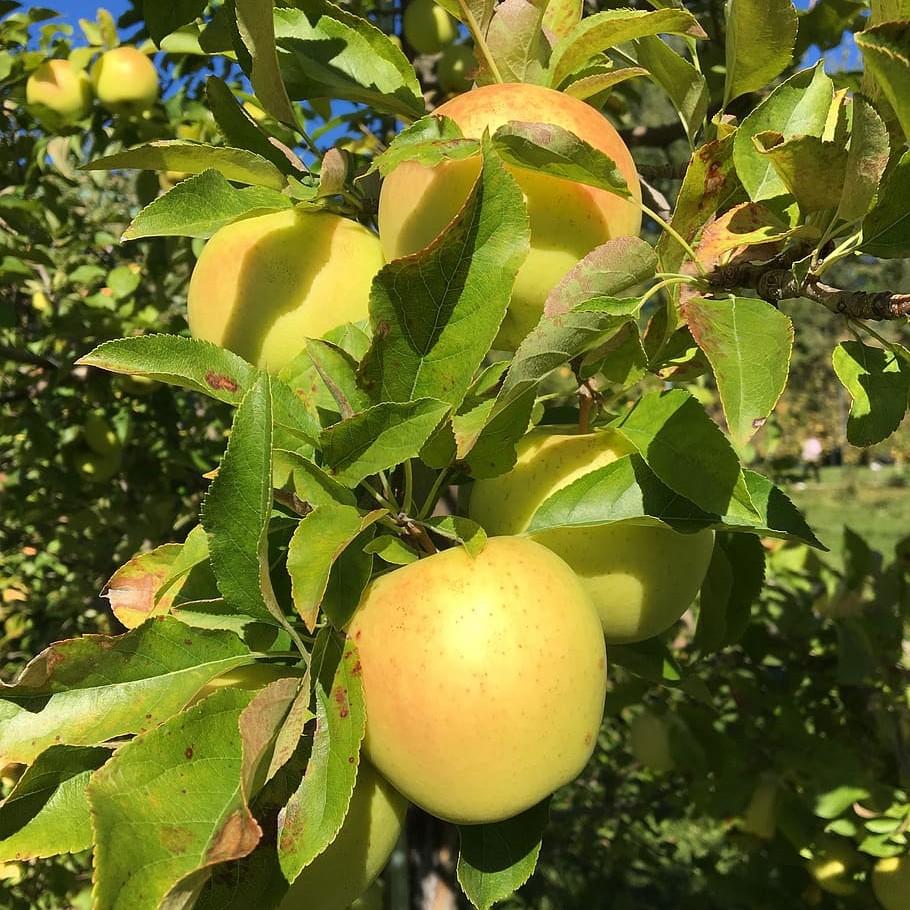
Flowering Crabapple: Grow Guide, Cultivars, and Landscape Uses
Learn to grow and care for flowering crabapple trees, with tips on cultivar selection, bloom care, disease resistance, and using their edible fruit and seasonal foliage.
2026-07-25 · 11 min read