Delphinium Elatum: Care, Cultivars, Toxicity, and Growing Guide
Learn how to grow and care for Delphinium elatum, including sun, water, and soil needs, popular cultivars, and toxicity warnings for home gardeners.
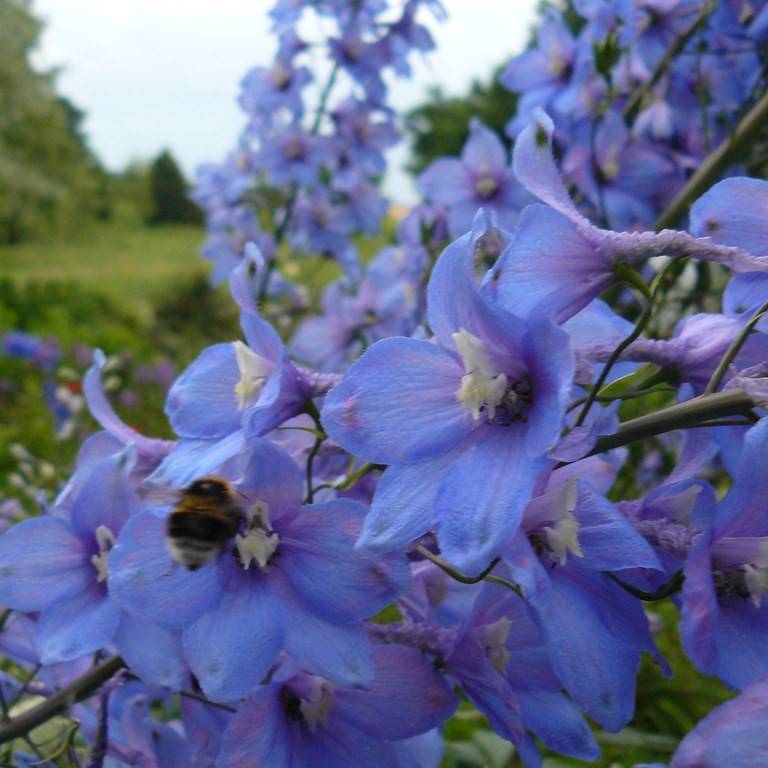
Delphinium Elatum: Care, Cultivars, Toxicity, and Growing Guide
Delphinium elatum, or candle larkspur, is a tall perennial flowering plant grown for its vertical, colorful bloom spikes. It requires full sun, well-draining loamy soil, and consistent moisture to thrive, and all parts are toxic to humans and animals if ingested. It is hardy in USDA Zones 3 to 7.
What Is Delphinium Elatum?
Delphinium elatum, commonly called candle larkspur, is a perennial flowering plant native to mountainous regions of Europe and Asia. It grows 4 to 8 feet tall at maturity, producing dense, vertical spikes of showy blooms in shades of blue, purple, white, and pink. All parts of the plant are toxic to humans, dogs, cats, and livestock if ingested.
Core Botanical Traits
Delphinium elatum has deeply lobed, palmate green foliage that grows in a basal clump at the base of the plant. Bloom spikes emerge in early summer, with individual flowers having a distinctive spur-like structure at the back that gives larkspur species their common name. Each spike can hold 50 or more individual blooms, making them a popular cut flower for arrangements. While often grouped with other delphinium species, D. elatum is distinguished by its exceptional height and dense, candle-shaped bloom spikes, which are longer and more compact than those of shorter larkspur varieties.
Key Taxonomic Distinctions From Other Larkspur Species
Unlike low-growing larkspur species such as dwarf larkspur (Delphinium tricorne), which only reaches 1 to 2 feet tall, D. elatum is one of the tallest species in the Delphinium genus. It is also separated from wild larkspur species like Carolina larkspur (Delphinium carolinianum) by its reliance on consistent moisture and cool summer temperatures, as opposed to the drought tolerance of native North American larkspur species. Another key distinction is the diterpenoid alkaloid content of D. elatum, which includes the compound delphinine, a potent neurotoxin found in higher concentrations in this species than in many other ornamental larkspur varieties.
Popular Delphinium Elatum Cultivars
The Aurora series is the most widely grown Delphinium elatum cultivar group, with three main varieties available to home gardeners. All varieties share the same core care requirements, differing only in bloom color and minor height variations. They are bred for strong stems that are less prone to flopping than older heirloom D. elatum cultivars.
Aurora Blue
Aurora Blue candle larkspur is the most popular variety in the series, producing vivid sky-blue blooms with a small white central bee (the clustered inner petals of each flower). It grows 4 to 6 feet tall at maturity, with bloom spikes that measure 1 to 2 feet long. It is often used in cottage garden borders and as a cut flower for fresh arrangements.
Aurora Deep Purple
Aurora Deep Purple candle larkspur produces rich, saturated dark purple blooms with a black central bee, making it a striking choice for contrast against lighter-colored garden plants. It grows 5 to 7 feet tall, making it the tallest of the Aurora series cultivars, and its sturdy stems require minimal staking in sheltered locations.
Aurora White
Aurora White candle larkspur has pure white blooms with a pale yellow central bee, and is a popular choice for moon gardens or formal white border designs. It grows 4 to 6 feet tall, and its blooms hold their color well even in full sun, with no fading or browning of petals for up to two weeks after opening.
How to Choose the Right Cultivar for Your Yard
Start by measuring the available space in your planting area: if you have room for taller plants at the back of a border, Aurora Deep Purple is the best choice for height and visual impact. For middle-of-border placement or cut flower gardens, Aurora Blue or Aurora White work well, as their shorter stems are easier to harvest for arrangements. If you live in a region with frequent strong winds, opt for one of the shorter Aurora series cultivars, as they are less likely to flop even without staking. All three varieties have the same sun, water, and soil requirements, so you can mix and match colors in the same planting bed without adjusting care routines.
Delphinium Elatum Light and Temperature Requirements
Delphinium elatum needs 6 to 8 hours of direct full sun daily to produce sturdy bloom spikes and avoid flopping. It thrives in temperatures between 60°F and 75°F, and will struggle if exposed to consistent temperatures above 85°F for more than 3 consecutive days. Extended heat can cause bloom drop, wilting, and even plant death if not mitigated.
Shade Tolerance Limits
D. elatum can tolerate very light, dappled afternoon shade in regions with intense midday sun, but any more than 2 hours of shade per day will lead to leggy growth, reduced bloom production, and increased risk of fungal disease. Plants grown in full shade will not produce bloom spikes at all, and will usually die back within one growing season. If you are unsure how much sun your planting area receives, use the light tracking feature in Sproutly to log daily sun exposure and confirm if it meets the minimum 6-hour requirement for D. elatum.
Winter Hardiness Zones (USDA Zones 3 to 7)
D. elatum is winter hardy in USDA Zones 3 to 7, where winter temperatures drop to between -40°F and 10°F. It requires a period of cold dormancy in winter to produce blooms the following summer, which is why it does not grow as a perennial in warmer zones above 7. In Zone 7, you may need to mulch around the base of the plant in winter to prevent freeze-thaw cycles from damaging the crown, while in Zones 3 to 5, no extra winter protection is usually needed for established plants.
Protecting Plants From Extreme Heat
If temperatures are forecast to rise above 85°F for more than 2 consecutive days, water your D. elatum deeply the morning before the heat sets in, and drape a lightweight shade cloth over the plants during the hottest part of the day. Avoid overwatering during heatwaves, as saturated soil combined with high temperatures can increase the risk of crown rot. Once the heat event passes, remove the shade cloth and cut back any damaged or wilted foliage to encourage new growth. If the main bloom spike is damaged, you may still get a smaller secondary bloom later in the summer if you deadhead the damaged spike.
Watering and Humidity Needs for Delphinium Elatum
Water Delphinium elatum 1 to 2 times per week during the growing season, applying 1 inch of water each time to moisten soil 6 to 8 inches deep. It requires 40% to 60% relative humidity to thrive, and will develop brown leaf edges if humidity drops below 30% for extended periods. Consistent moisture is key, but the plant will not tolerate waterlogged soil.
How to Avoid Overwatering (Root Rot Risk)
Overwatering is the most common cause of death for D. elatum, as the plant’s shallow root system is highly susceptible to root rot and crown rot. To avoid overwatering, check the top 2 inches of soil with your finger before watering, and only water if the soil is completely dry. Never water the foliage directly, as wet leaves increase the risk of fungal disease. Use Sproutly’s care tracker to log watering sessions and set reminders, so you do not accidentally water too frequently during periods of high humidity or light rain.
Watering Schedule Adjustments for Rainy Periods
If you receive more than 1 inch of rain in a week, skip your scheduled watering for that week, and check the soil moisture level before watering again the following week. In periods of extended rain, you may need to dig a small trench around the base of the plant to redirect excess water away from the crown, to prevent rot. Potted D. elatum plants should be moved under cover during heavy rain, as potting mix can become saturated quickly and lead to root damage.
Humidity Boost Tips for Dry Climates
If you live in a dry climate with consistent humidity below 40%, you can boost humidity around your D. elatum plants by placing a tray of water filled with pebbles near the base of the plant, or by grouping it with other humidity-loving plants. Avoid misting the foliage directly, as this can lead to powdery mildew growth. Root vegetables like jicama also thrive in similar humidity ranges, so you can plant D. elatum near your Jicama: A Complete Guide to Growing, Eating, and Storing This Crisp Root Vegetab bed to create a microclimate with higher consistent humidity for both crops.
Soil, Fertilizer, and Planting Guidance
Plant Delphinium elatum in well-draining, loamy soil with a pH between 6.5 and 7.5. Amend heavy clay soil with 2 inches of compost before planting to improve drainage, and space plants 2 to 3 feet apart to allow for air circulation. Good air flow around the foliage reduces the risk of fungal disease and pest infestations.
Step-by-Step Planting Instructions
- Dig a hole twice as wide and the same depth as the root ball of your D. elatum plant.
- Mix 1 part compost with 1 part native soil from the planting hole, and fill the bottom of the hole with 2 inches of the mixture.
- Place the root ball in the hole, making sure the top of the root ball is level with the surrounding soil surface (planting too deep increases the risk of crown rot).
- Fill in the rest of the hole with the soil-compost mixture, and press down firmly to remove air pockets.
- Water deeply with 1 inch of water to settle the soil around the roots.
Fertilizer Schedule (Every 4 to 6 weeks in spring and summer)
Fertilize D. elatum every 4 to 6 weeks starting in early spring, when new growth first emerges, and continuing until the end of the first bloom period. Use a balanced, slow-release 10-10-10 fertilizer, applied according to package instructions, and water thoroughly after fertilizing to avoid burning the shallow roots. Do not fertilize after mid-July, as this can encourage new tender growth that will be damaged by the first fall frost.
Staking Tips for Tall Bloom Spikes
Most D. elatum cultivars, especially Aurora Deep Purple, will require staking to support their tall bloom spikes, particularly in exposed or windy locations. Install stakes at the time of planting to avoid damaging the root system later, and use soft plant ties to secure the stem to the stake as it grows. Tie the stem loosely at 1-foot intervals up the stake, to allow for natural movement and growth without restricting the stem. Avoid tying the stem too tightly, as this can cut into the plant tissue and cause damage.
Common Delphinium Elatum Pests and Diseases
The most common pests affecting Delphinium elatum are aphids, spider mites, and larkspur leafminers, while powdery mildew and crown rot are the most frequent diseases. Most issues arise from insufficient air circulation, overwatering, or lack of sunlight, so addressing these cultural factors first will resolve most problems without the need for chemical treatments.
Organic Pest Control Methods
- Aphids: Spray affected foliage with a strong stream of water to knock the insects off the plant, or apply neem oil to the stems and leaves every 3 days until the infestation is gone.
- Spider mites: Wipe the undersides of leaves with a damp cloth to remove mites and their webbing, and increase humidity around the plant to discourage future infestations.
- Larkspur leafminers: Remove and destroy any leaves with visible winding tunnels (the sign of leafminer larvae feeding inside the leaf tissue) to prevent the larvae from maturing and spreading.
How to Identify and Treat Powdery Mildew
Powdery mildew appears as a white, powdery coating on the upper surfaces of leaves, usually in late summer when humidity is high and air circulation is poor. It will not kill the plant immediately, but severe infestations can reduce photosynthesis and weaken the plant over time. To treat powdery mildew, remove and destroy all affected foliage, and apply a copper-based fungicide according to package instructions. Increase space between plants to improve air flow, and avoid watering the foliage directly to prevent future outbreaks.
Crown Rot Prevention Tips
Crown rot is a fungal disease that affects the base of the D. elatum plant, causing the stem to turn soft and black, and the entire plant to wilt and die. It is caused by overwatering, planting too deep, or poor soil drainage, and it is usually fatal once symptoms appear. To prevent crown rot, plant D. elatum in well-draining soil, avoid planting the crown deeper than soil level, and water only when the top 2 inches of soil are dry. If you notice signs of crown rot, remove and destroy the entire plant immediately to prevent the fungus from spreading to nearby plants.
Toxicity and Safety Considerations
All parts of Delphinium elatum contain diterpenoid alkaloids, including delphinine, which are toxic to humans and animals if ingested. Even small amounts can cause nausea, vomiting, muscle weakness, or heart irregularities, and skin contact with sap may cause mild irritation in sensitive people. The highest concentration of toxins is found in the seeds and young foliage.
Safety Tips for Households With Kids or Pets
- Plant D. elatum in a location that is out of reach of small children and pets, such as the back of a raised border or behind a low garden fence.
- Wear gloves when handling the plant, especially when pruning or handling cut stems, to avoid skin contact with sap.
- Clean up any fallen leaves, petals, or seed heads immediately, to prevent pets or children from picking them up and ingesting them.
- Do not use D. elatum cut flowers in arrangements that will be placed within reach of pets or young children, as fallen petals can be ingested accidentally.
What to Do If Ingestion Occurs
If a human ingests any part of D. elatum, call poison control immediately, even if no symptoms are present. Do not induce vomiting unless instructed to do so by a medical professional. If a pet or livestock ingests any part of the plant, contact a veterinarian immediately. Symptoms of ingestion in animals include vomiting, diarrhea, excessive salivation, muscle tremors, and irregular heart rate, and can progress rapidly without treatment.
Pruning and Post-Bloom Care
Prune Delphinium elatum by cutting back spent bloom spikes to the nearest set of healthy leaves immediately after flowering to encourage a second, smaller bloom in late summer. Cut the entire plant back to 2 to 3 inches above the soil line after the first hard frost in fall to prepare it for winter. Removing old foliage reduces the risk of overwintering pests and diseases.
Deadheading Steps for Maximum Rebloom
To deadhead D. elatum, use clean, sharp pruning shears to cut the spent bloom spike just above the first set of full, healthy leaves below the spike. Do not cut back the entire stem to the base of the plant, as this will prevent secondary blooms from forming. After cutting the spent spike, water the plant deeply and apply a light dose of balanced fertilizer to support new growth. You should see new bloom spikes forming within 2 to 3 weeks, depending on temperatures.
Winter Mulching Guidance
After cutting back the plant in fall, apply a 2 to 3 inch layer of straw or shredded bark mulch around the base of the plant to insulate the crown from freeze-thaw cycles in winter. Avoid piling mulch directly against the stem, as this can trap moisture and increase the risk of crown rot. Remove the mulch in early spring, as soon as new growth starts to emerge, to allow the soil to warm up and prevent rot.
Dividing Overgrown Plants (Every 2 to 3 Years)
D. elatum is a short-lived perennial, and dividing the plants every 2 to 3 years will help extend their lifespan and improve bloom production. Divide plants in early spring, just as new growth starts to emerge, before the bloom spikes begin to form. To divide, dig up the entire root ball carefully, and use a sharp knife to cut the clump into 2 to 3 smaller sections, each with at least 3 to 5 healthy growing points and a portion of the root system. Replant the sections immediately in prepared soil, and water deeply to settle the roots.
How Sproutly Can Help You Grow Delphinium Elatum Successfully
If you are unsure about identifying pests, tracking watering schedules, or confirming if your yard has enough sun for Delphinium elatum, Sproutly’s plant identification and care tracker can help. Snap a photo of your plant to get personalized care reminders, pest diagnosis, and growing tips tailored to your local climate. You can also log your Aurora series cultivar to get variety-specific guidance for bloom time and pruning. Sproutly’s care tracker will send you alerts when it is time to fertilize, deadhead, or prepare your D. elatum for winter, so you can avoid common mistakes like overwatering or pruning at the wrong time of year. It also includes a toxicity database, so you can confirm which plants in your yard are safe for kids and pets at a glance.
Frequently Asked Questions
Is Delphinium elatum a perennial or annual?
Delphinium elatum is a short-lived perennial that returns for 2 to 3 years in USDA Hardiness Zones 3 to 7 when cared for properly. In warmer zones above 7, it is often grown as an annual due to intolerance of high summer heat.
How tall does Delphinium elatum grow?
Most Delphinium elatum varieties grow 4 to 8 feet tall at maturity, with bloom spikes accounting for 1 to 3 feet of that total height. Dwarf cultivars of the species are less common, typically growing 2 to 3 feet tall.
Can Delphinium elatum grow in shade?
Delphinium elatum can tolerate very light, dappled afternoon shade, but it needs at least 6 hours of full sun daily to produce sturdy stems and abundant blooms. Plants grown in too much shade will become leggy, flop over, and produce very few flowers.
Is Delphinium elatum toxic to dogs?
Yes, all parts of Delphinium elatum are toxic to dogs, cats, and livestock if ingested. Ingestion can cause vomiting, diarrhea, muscle weakness, and irregular heart rate, so seek veterinary care immediately if you suspect your pet has eaten any part of the plant.
When does Delphinium elatum bloom?
Delphinium elatum blooms in early to mid-summer, typically between June and July in most temperate regions. If you deadhead spent blooms immediately after the first flowering, you may get a smaller second bloom in late August or early September.
Try Sproutly
Track your Delphinium elatum care schedule, identify pests and diseases, and get personalized growing tips tailored to your local climate. Download Sproutly today to make growing healthy, vibrant plants easier than ever. Get Sproutly
Lectures associées
D'autres guides qui pourraient vous plaire
Games for Plants: Plant-Focused Video Games and Real-World Activities for Plant Lovers
Explore games for plants, from cozy plant-themed video games to low-lift real-world activities you can do with your houseplants to boost their health and your joy.
2026-07-31 · 17 min read
Cayenne Pepper: Benefits, Side Effects, Uses & Growing Guide
Learn all about cayenne pepper, including its nutritional benefits, potential side effects, culinary uses, and tips for growing your own Capsicum annuum at home.
2026-07-30 · 11 min read
Common Ivy (Hedera Helix): Identification, Care, Uses, and Invasive Status
Learn all about common ivy, including key identification traits, indoor and outdoor care tips, common cultivars, and where it is classified as an invasive species.
2026-07-30 · 16 min read