%22%2F%3E%0A%20%20%20%20%20%20%3Ccircle%20cx%3D%22920%22%20cy%3D%22180%22%20r%3D%2290%22%20fill%3D%22%23cfe8d5%22%2F%3E%0A%20%20%20%20%20%20%3Cpath%20d%3D%22M600%20590c-90-180-215-255-310-280%200%20165%20118%20296%20270%20296h40z%22%20fill%3D%22%2379b88e%22%2F%3E%0A%20%20%20%20%20%20%3Cpath%20d%3D%22M600%20590c80-150%20198-212%20302-228-8%20142-123%20255-270%20255h-32z%22%20fill%3D%22%235c9f73%22%2F%3E%0A%20%20%20%20%20%20%3Cpath%20d%3D%22M600%20610V360%22%20stroke%3D%22%234f8c64%22%20stroke-width%3D%2218%22%20stroke-linecap%3D%22round%22%2F%3E%0A%20%20%20%20%20%20%3Ctext%20x%3D%22600%22%20y%3D%22700%22%20text-anchor%3D%22middle%22%20font-family%3D%22Arial%2C%20sans-serif%22%20font-size%3D%2244%22%20fill%3D%22%23365c45%22%3E%0A%20%20%20%20%20%20%20%20Plant%20image%20coming%20soon%0A%20%20%20%20%20%20%3C%2Ftext%3E%0A%20%20%20%20%3C%2Fsvg%3E%0A%20%20)
carnation
Dianthus caryophyllus 'Clarion'
Resumen
Carnation (Dianthus caryophyllus 'Clarion') is an amazing plant species with ruffled and deep magenta blooms that are excellent for adding color and texture in any garden. Fragrant and delicate flowers are produced abundantly in summer on tall, sturdy stems. The vibrant hue of this plant is sure to turn heads - especially when combined with contrasting colors for an eye-catching effect. The foliage is also attractive, creating a dainty, yet bold look. This carnation is a winner for its beauty, pest-resistance, and drought tolerance making it an obvious choice for any landscape.
Guía de cuidado
Riego
Carnations (Dianthus caryophyllus 'Clarion') prefer well-drained soil and should be kept moist, but not overly wet. Water them thoroughly once a week to keep the soil moist, allowing the top inch of soil to dry between watering sessions. During hot summer months, the plant may need to be watered more frequently, as the soil can dry out quickly in high temperatures. Additionally, since carnations require high humidity, misting the leaves every other day can help to ensure healthy growth.
Luz
Carnations (Dianthus caryophyllus 'Clarion') thrive in sunny locations that receive at least 6 to 8 hours of direct sunlight per day. When possible, choose a site with morning sun and afternoon shade as too much intense afternoon sun can cause the plant to wilt. If planting in a pot, use 1 with drainage holes and fill it with a well-drained soil mix. If planting in the garden, cultivate the soil to a depth of at least 12" before planting your carnations.
Suelo
Alkaline, Rocky , gravelly , dry, Well-drained
Temperatura
Hardiness zone 5–9.
Poda
Carnations (Dianthus caryophyllus 'Clarion') should be pruned during the summer months. Light pruning should be done at the end of the season to reduce the size of the plant. This will help keep the size of the plant consistent and encourage branching and blooming. Overall, it is recommended that light pruning be done 3 times throughout the summer with the last pruning being done right before the plant goes into dormancy. Pruning heavily during this time is not recommended as it may affect the flowering performance the following year. To keep your carnation healthy and looking great, use sharp scissors or pruners to make clean cuts in order to avoid diseases and damage to the plant.
Propagación
Seed Propagation, Division, Cutting, Layering Propagation
Enfermedades y plagas
Common pests: Crown rot, Deer resistant, Rabbit resistant, Drought resistant .
Related plants
Other plants you might like if you grow carnation.
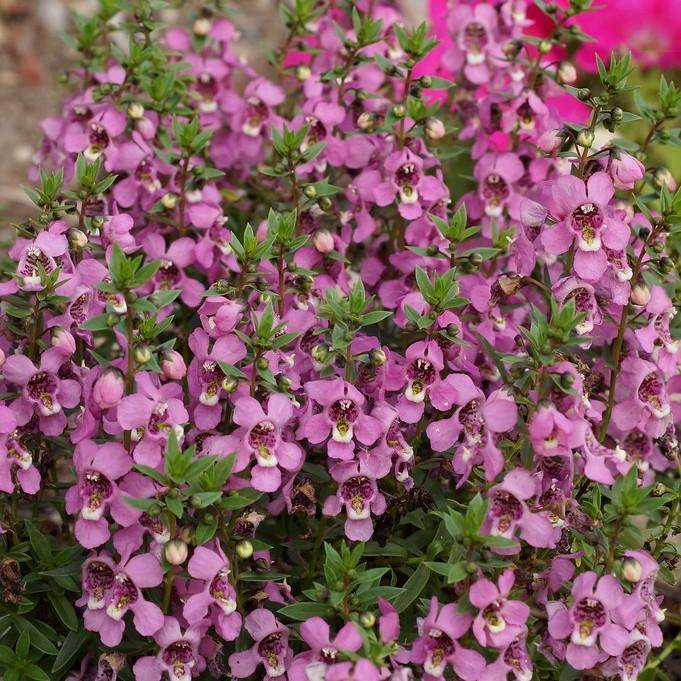
angelonia
Angelonia angustifolia
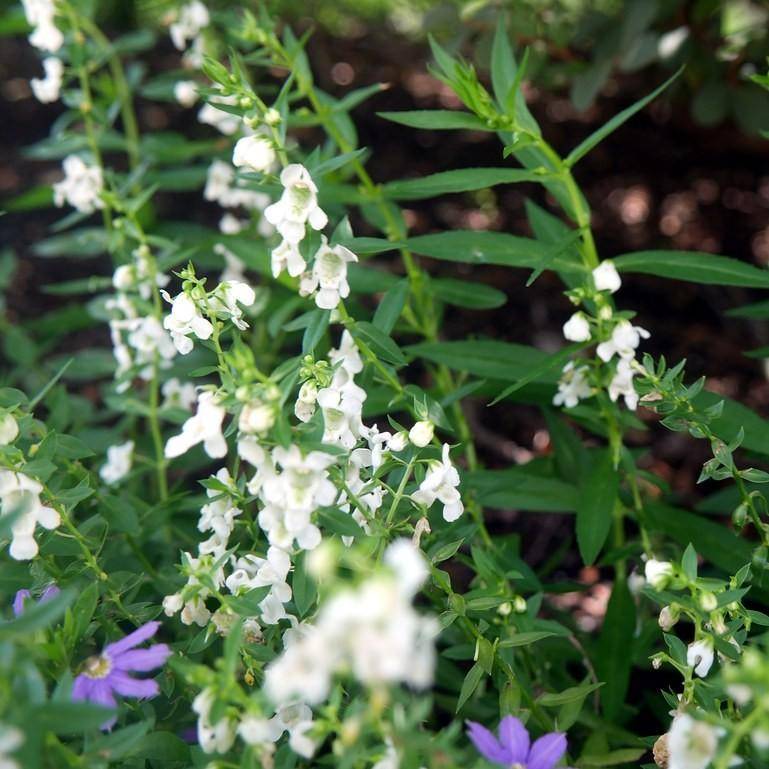
angelonia
Angelonia angustifolia SERENA MIXTURE
carnation
Dianthus caryophyllus 'Vienna Mischung'
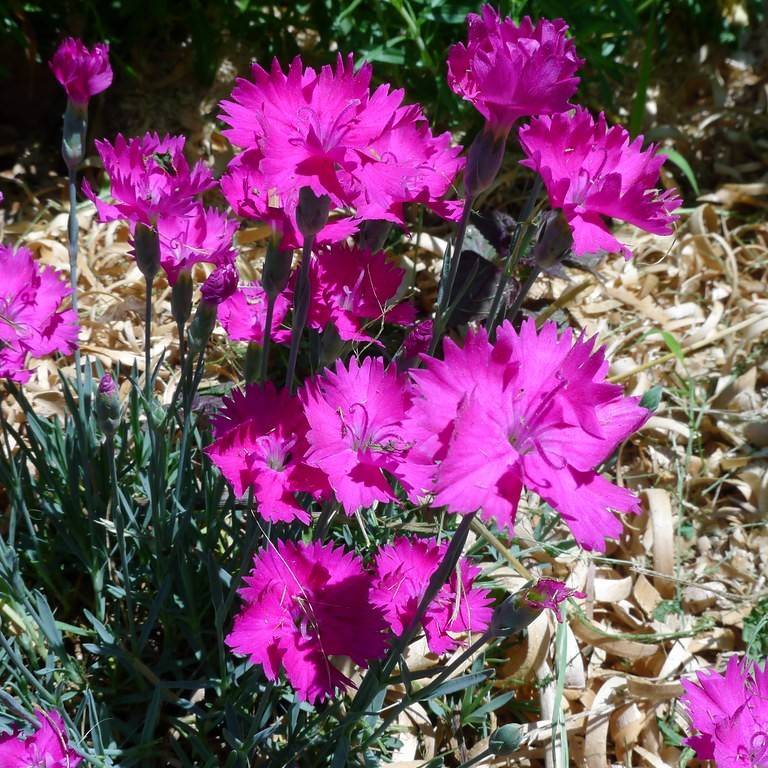
cheddar pink
Dianthus gratianopolitanus
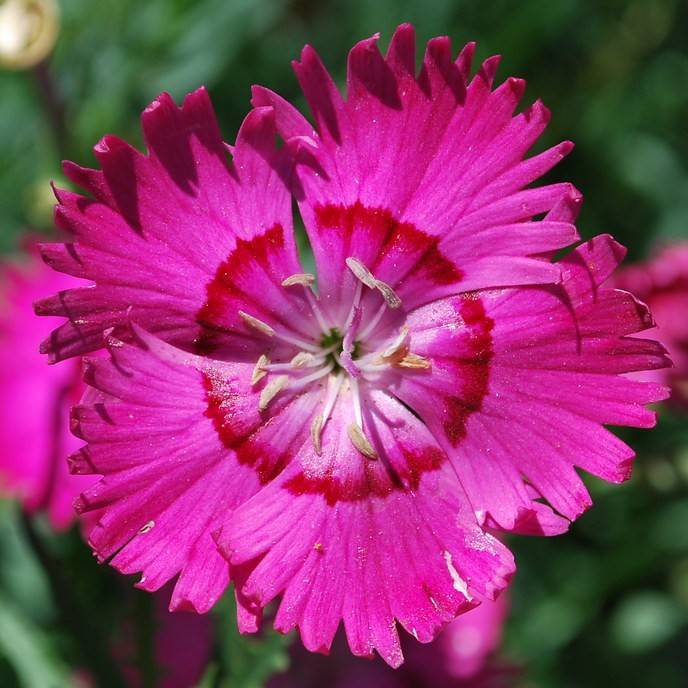
cheddar pink
Dianthus gratianopolitanus 'Grandiflorus'
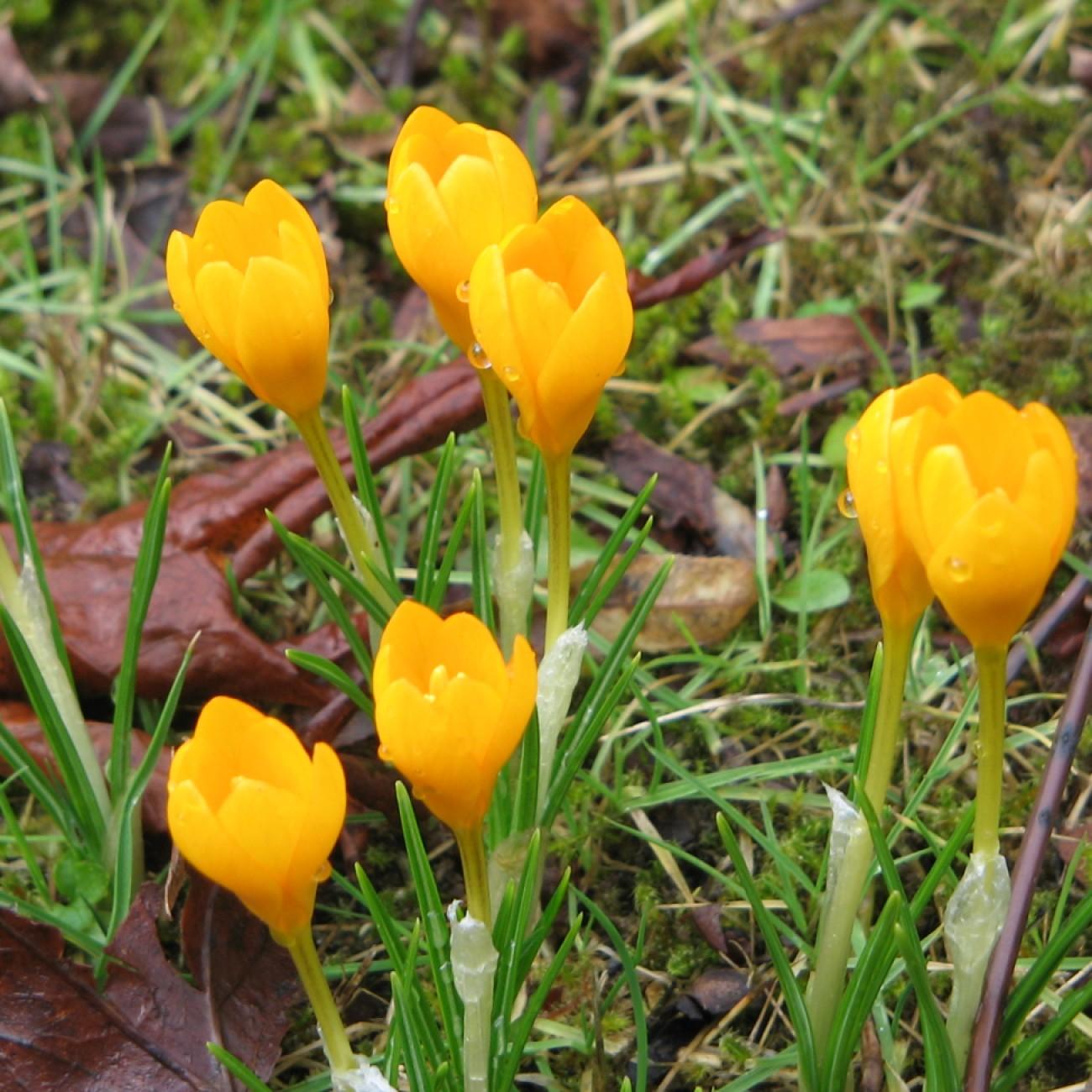
crocus
Crocus luteus 'Golden Yellow'
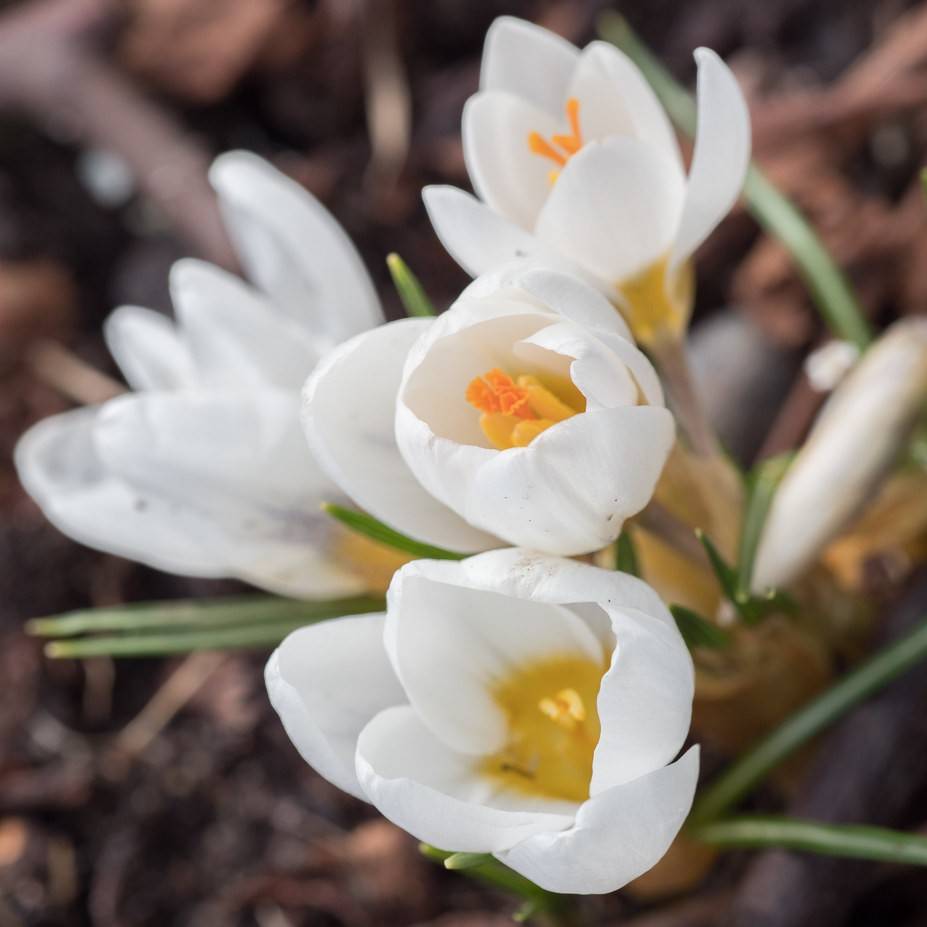
Dutch crocus
Crocus vernus
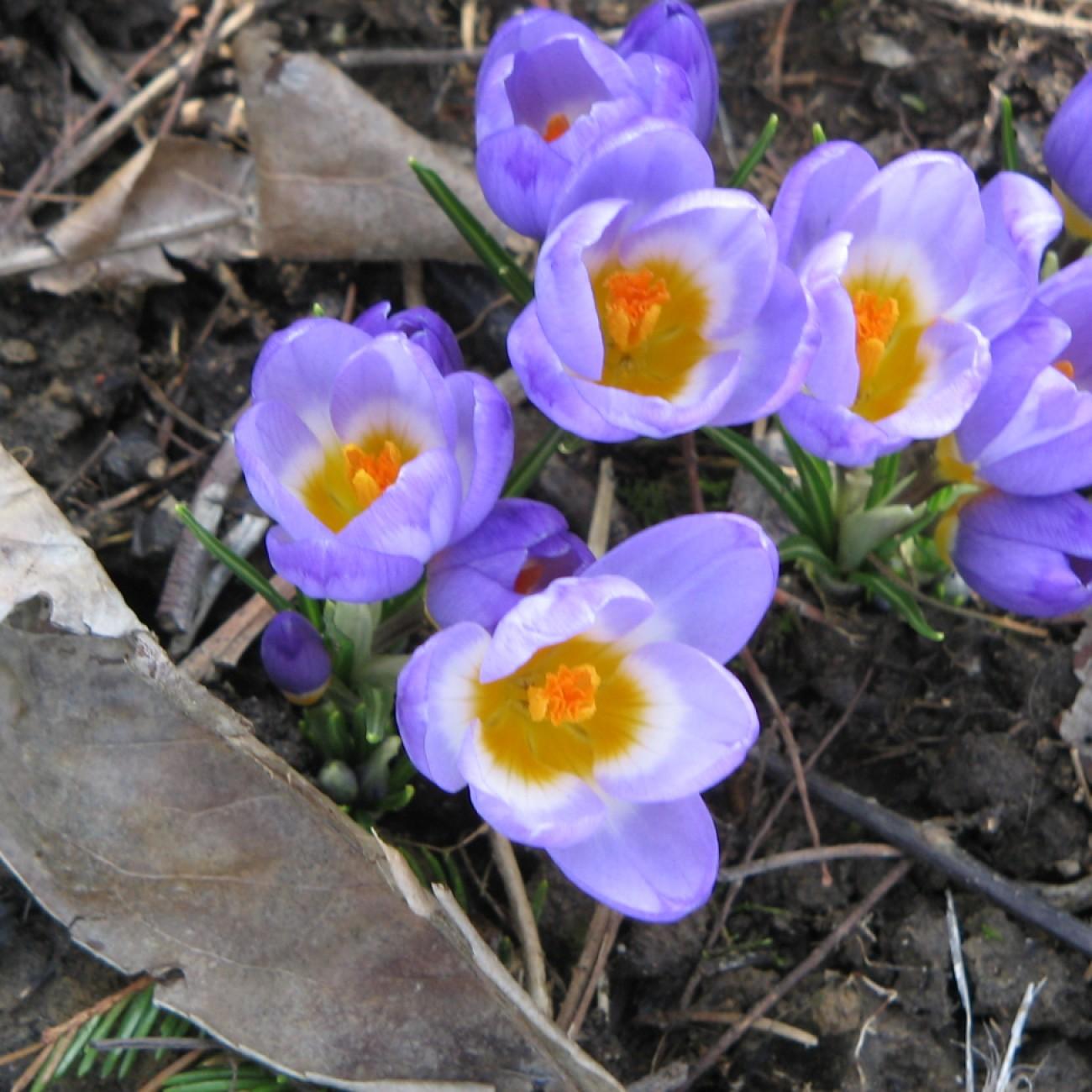
Sieber's crocus
Crocus sieberi subsp. atticus 'Firefly'