%22%2F%3E%0A%20%20%20%20%20%20%3Ccircle%20cx%3D%22920%22%20cy%3D%22180%22%20r%3D%2290%22%20fill%3D%22%23cfe8d5%22%2F%3E%0A%20%20%20%20%20%20%3Cpath%20d%3D%22M600%20590c-90-180-215-255-310-280%200%20165%20118%20296%20270%20296h40z%22%20fill%3D%22%2379b88e%22%2F%3E%0A%20%20%20%20%20%20%3Cpath%20d%3D%22M600%20590c80-150%20198-212%20302-228-8%20142-123%20255-270%20255h-32z%22%20fill%3D%22%235c9f73%22%2F%3E%0A%20%20%20%20%20%20%3Cpath%20d%3D%22M600%20610V360%22%20stroke%3D%22%234f8c64%22%20stroke-width%3D%2218%22%20stroke-linecap%3D%22round%22%2F%3E%0A%20%20%20%20%20%20%3Ctext%20x%3D%22600%22%20y%3D%22700%22%20text-anchor%3D%22middle%22%20font-family%3D%22Arial%2C%20sans-serif%22%20font-size%3D%2244%22%20fill%3D%22%23365c45%22%3E%0A%20%20%20%20%20%20%20%20Plant%20image%20coming%20soon%0A%20%20%20%20%20%20%3C%2Ftext%3E%0A%20%20%20%20%3C%2Fsvg%3E%0A%20%20)
aster
Eurybia paludosa
Resumen
Aster (Eurybia paludosa) is an incredible plant species renowned for its stunning beauty. Its delicate, lacy foliage forms striking purple-violet blossoms in midsummer. The flowers of the aster attract a wide variety of pollinators, such as moths, bees, and butterflies. This species also has an impressive ability to survive in extremely wet conditions, making it well adapted to marshy areas. Its woody stem and deep root system enable it to stay upright even in the wettest of times. In addition, its variety of colors and sizes make it a great choice for any landscape. It is also known to be resistant to diseases, making it a low-maintenance and easy-to-care-for plant.
Guía de cuidado
Riego
Aster plants should be watered carefully and moderately. They prefer moist soil and do not like to be over-saturated with water. Watering should be done once a week, or when the top 2 inches of soil is dry. During the summer months, Aster plants may require more frequent watering, depending on the temperatures. When the soil does not dry out quickly, then water every 5 to 7 days maximum. In cooler weather, it is safer to water every 10 to 14 days. Water thoroughly over the entire plant, soaking the roots, to ensure the water reaches the roots deeply.
Luz
Aster (Eurybia paludosa) is an herbaceous perennial plant species that grows best in partial to full sun. It prefers well-drained soils and consistently moist conditions. Container-grown plants generally prefer more sunlight than when grown in the ground. When planted outdoors in the ground, aster should receive a minimum of 5 hours of sunlight per day for optimal performance. Morning sun is preferred and plants grown in afternoon sun may need additional moisture. For container-grown plants, 8-10 hours of light per day is recommended. Aster will tolerate some shade, but flower production and plant health will be significantly better with more sunlight. Plants grown in too much shade may become weak or leggy. When growing aster in containers, it is best to move the container around as the season progresses to ensure the plant is receiving adequate light.
Temperatura
Hardiness zone 8–9.
Poda
Aster should be pruned in the spring when new growth is just beginning. Prune off any dead or damaged stems, and then lightly prune any growth that is longer than 6 inches. Pruning any more may weaken the growth of the plant and diminish its flowering potential.
Propagación
Division, Cutting, Seed Propagation, Layering Propagation
Usos y simbolismo
Attracts: Butterflies.
Related plants
Other plants you might like if you grow aster.
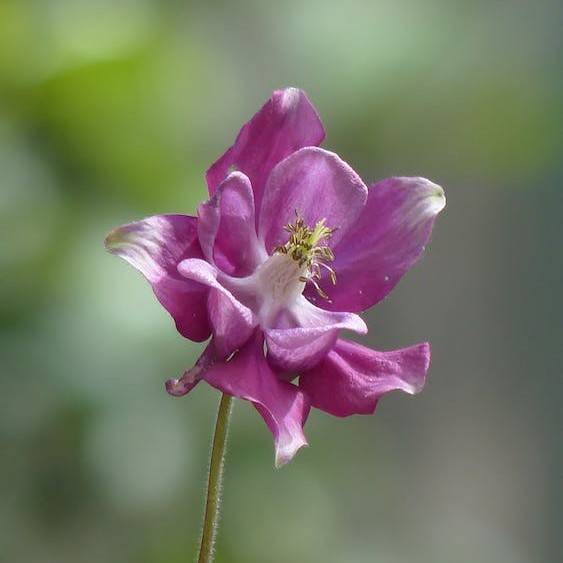
columbine
Aquilegia vulgaris var. flore-pleno 'Blue Bonnet'
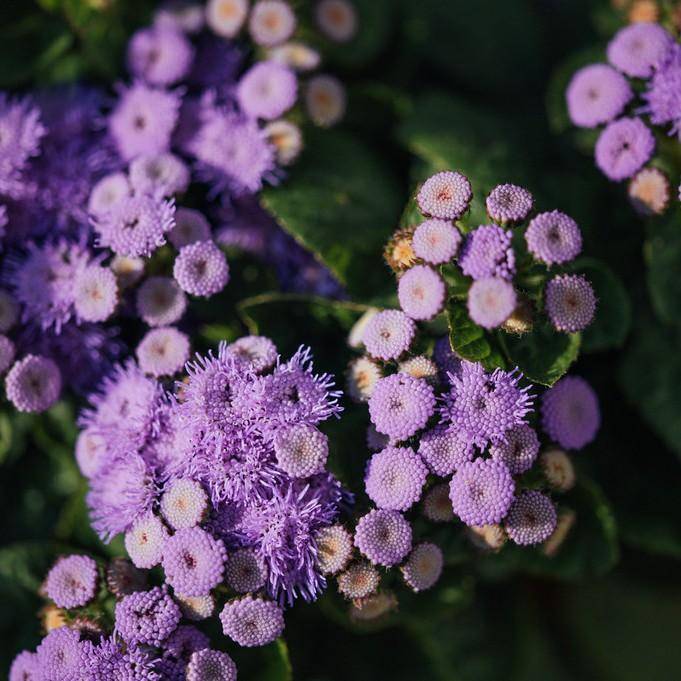
floss flower
Ageratum houstonianum
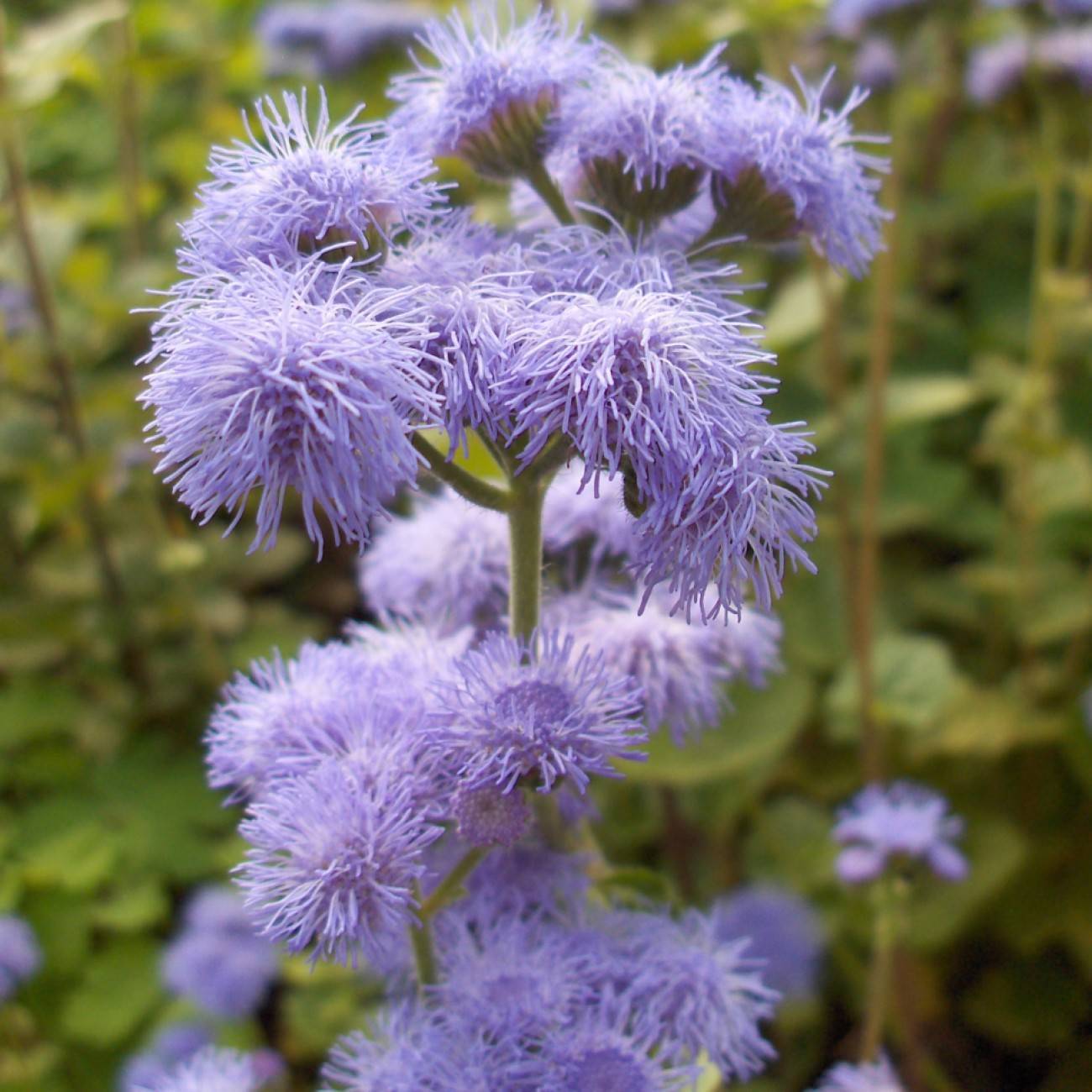
floss flower
Ageratum houstonianum 'Blue Horizon'
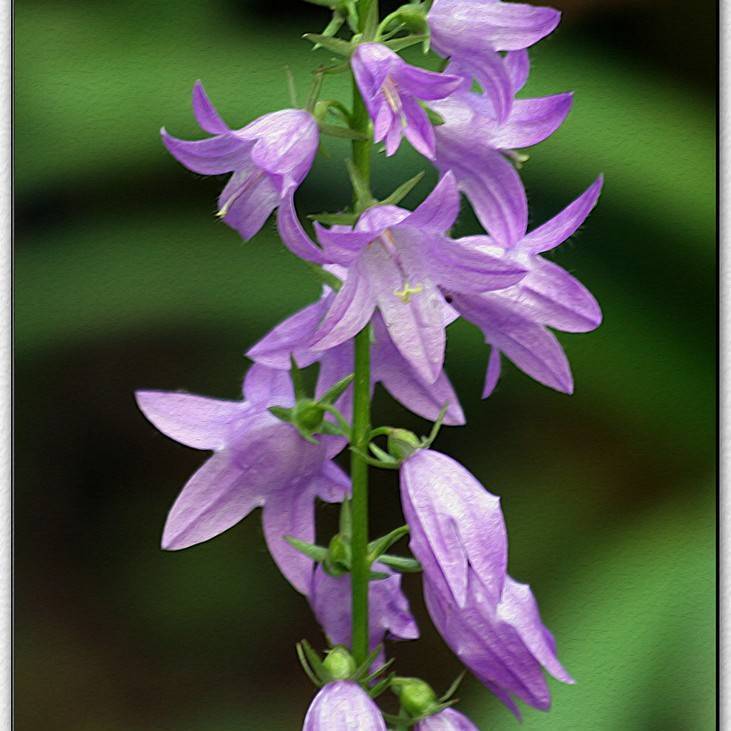
rampion bellflower
Campanula rapunculoides
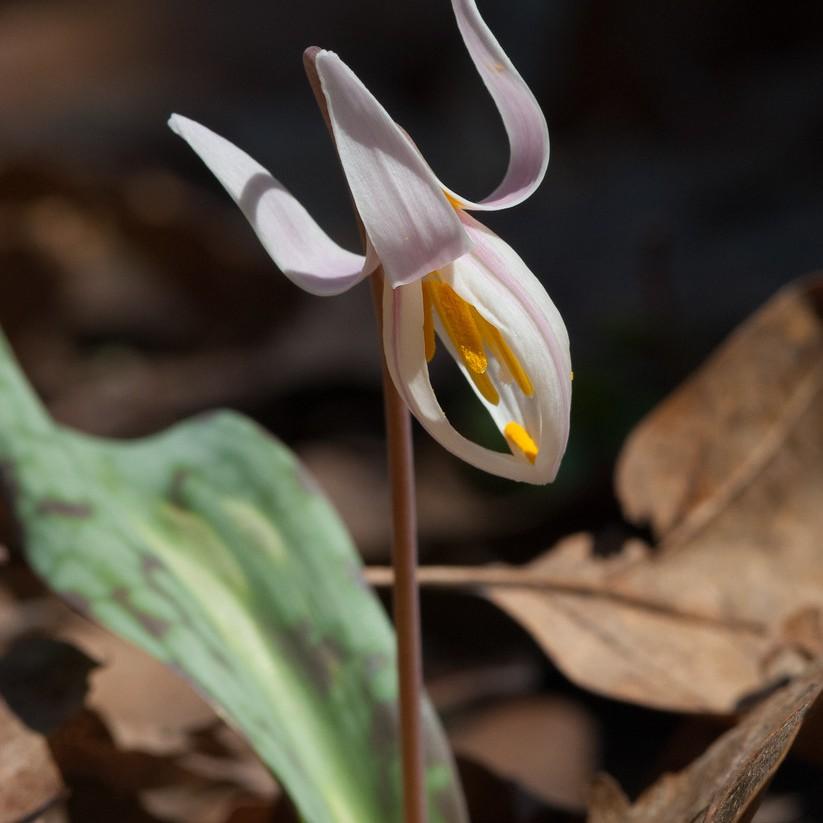
white dog's-tooth violet
Erythronium albidum
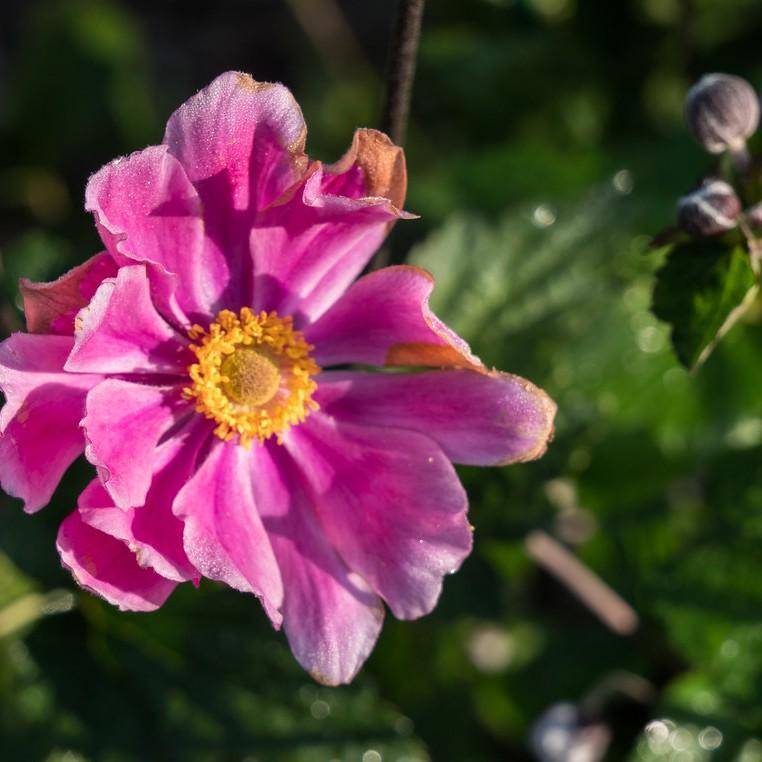
windflower
Anemone lesseri
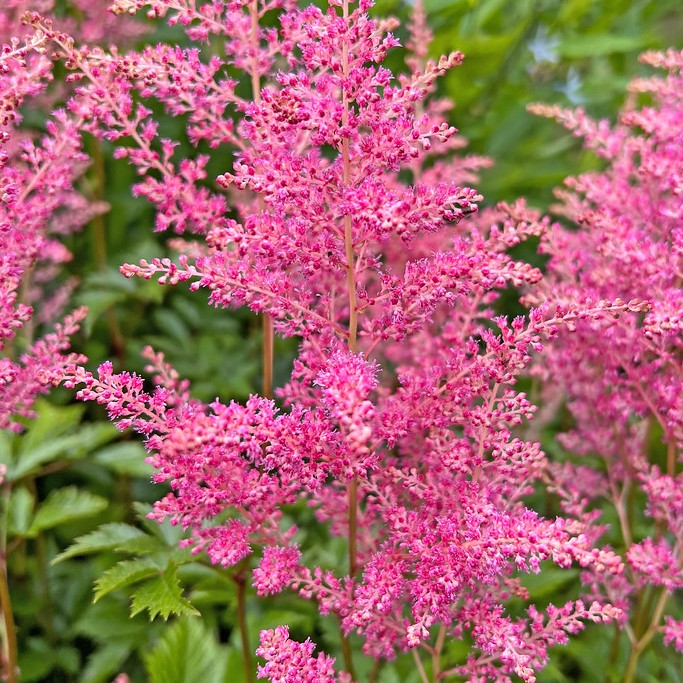
astilbe
Astilbe arendsii 'Rote Cattleya' RED CATTLEYA
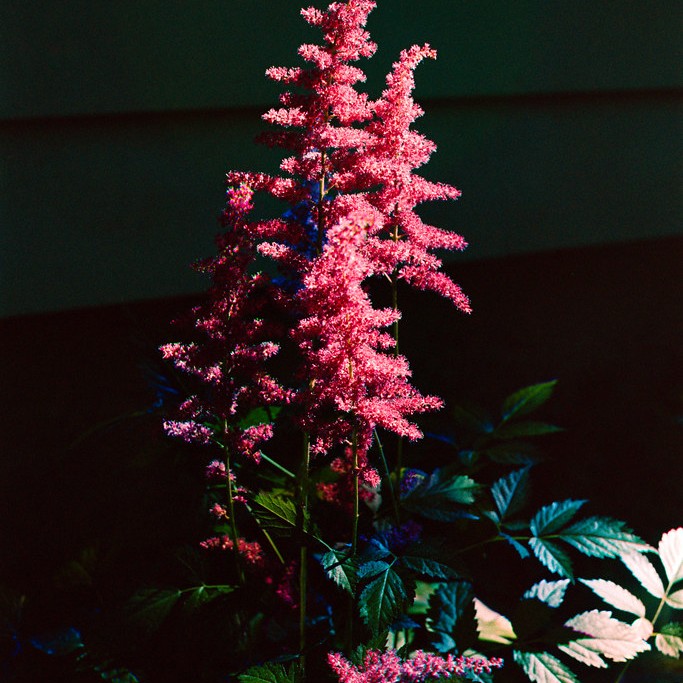
astilbe
Astilbe 'Burgunderrot' BURGUNDY RED