Cuidado de la Planta ZZ: La Guía Completa para Principiantes
Aprende consejos sencillos de cuidado de la planta ZZ aptos para principiantes para que tus plantas crezcan sanas, además de instrucciones paso a paso de propagación para obtener nuevas plantas de forma gratuita.
Por qué las plantas ZZ son una planta de interior ideal de bajo mantenimiento
Si eres nuevo en el cuidado de plantas de interior o sueles olvidarte de regar tus plantas, las ZZ son el complemento perfecto para tu colección. Sus hojas gruesas, cerosas y de color verde oscuro crecen sobre tallos erguidos y arqueados, y su tolerancia natural al descuido las hace mucho más resistentes que especies más exigentes como los helechos o las calateas. Las plantas ZZ almacenan agua en sus gruesos rizomas similares a papas bajo la tierra, por lo que pueden pasar semanas sin regarse si es necesario, lo que las convierte en la opción ideal para personas que viajan con frecuencia, hogares ocupados o cualquiera que haya tenido dificultades para mantener plantas con vida en el pasado.
También son extremadamente adaptables a una amplia gama de condiciones interiores, desde rincones oscuros de oficina hasta alféizares de ventanas luminosos de salón. Si te gustan las plantas de poco mantenimiento, también te pueden interesar otras especies resistentes que cubrimos en nuestra guía de cuidado de la planta de hierro fundido y nuestros consejos de cuidado de la planta del siglo, ambas comparten con la planta ZZ su capacidad de crecer bien con una intervención mínima. Aunque el cuidado de la planta ZZ es muy sencillo en general, seguir unas pocas buenas prácticas sencillas ayudará a tu planta a desarrollar tallos sanos y frondosos y a evitar errores comunes de principiantes.
Requisitos de luz para el cuidado de la planta ZZ
Las plantas ZZ son famosas por su capacidad de sobrevivir en condiciones de poca luz, pero crecerán más rápido y producirán más follaje con luz brillante e indirecta. Coloca tu planta ZZ a entre 1 y 1,5 metros de una ventana orientada al norte o al este, donde recibirá luz suave y filtrada durante la mayor parte del día, o detrás de una cortina transparente en una ventana orientada al sur o al oeste para bloquear el sol directo intenso.
Pueden tolerar poca luz (como la de un pasillo con solo iluminación artificial de techo) durante meses, aunque el crecimiento se ralentizará considerablemente y los tallos pueden estirarse hacia la fuente de luz más cercana con el tiempo. Evita colocar las plantas ZZ en luz solar directa y sin filtrar durante más de 1 a 2 horas al día, ya que los rayos UV intensos quemarán sus hojas, causando parches marrones y crujientes que no se curan.
Si no estás seguro de si la luz de tu espacio es adecuada para tu planta ZZ, usa la función de medidor de luz de Sproutly para medir los niveles de luz y obtener recomendaciones de ubicación personalizadas para tu espacio específico.
Cada cuánto regar las plantas ZZ
El riego excesivo es la causa número uno de muerte de las plantas ZZ, por lo que mantener una programación de riego constante y poco frecuente es la parte más importante del cuidado de la planta ZZ. Riega tu planta ZZ cada 2 a 3 semanas, y espera siempre a que todo el volumen de tierra de la maceta esté completamente seco antes de volver a regar. Para comprobar la humedad de la tierra, introduce tu dedo entre 5 y 7 centímetros de profundidad en la tierra; si se siente seca a esa profundidad, es seguro regar. Si queda algo de humedad, espera otros 2 o 3 días y vuelve a comprobar.
Al regar, vierte agua lentamente por toda la superficie de la tierra hasta que salga libremente por los agujeros de drenaje de la parte inferior de la maceta. Desecha el exceso de agua que se acumule en el plato bajo la maceta en un plazo de 10 minutos, ya que dejar la maceta sobre agua estancada hará que los rizomas se pudran. En invierno, cuando el crecimiento se ralentiza, puedes ampliar el tiempo entre riegos a cada 3 o 4 semanas, ya que la planta consumirá humedad mucho más lentamente en condiciones más frías y oscuras.
Consejo de Sproutly: Si te cuesta recordar cuándo regar tus plantas, configura recordatorios de cuidado personalizados en Sproutly adaptados a la ubicación y la estación específicas de tu planta ZZ, para no regar nunca demasiado pronto ni demasiado tarde.
Mejor mezcla de tierra para plantas ZZ sanas
Las plantas ZZ necesitan una mezcla de tierra porosa y con buen drenaje que se seque rápidamente después del riego, ya que sus gruesos rizomas son propensos a pudrirse si se dejan en tierra empapada y compactada durante demasiado tiempo. Una mezcla de tierra estándar para cactus o suculentas funciona bien para las plantas ZZ, ya que está formulada para drenar rápido y evitar retener el exceso de humedad alrededor de las raíces.
Si quieres hacer tu propia mezcla personalizada, combina 3 partes de tierra de maceta normal, 2 partes de perlita o piedra pómez y 1 parte de corteza de orquídea para mejorar la aireación y el drenaje. Evita usar mezclas pesadas que retienen humedad diseñadas para plantas tropicales, ya que aumentan el riesgo de pudrición de raíces.
Planta siempre tu ZZ en una maceta con agujeros de drenaje en la parte inferior, independientemente de la mezcla de tierra que uses. Si quieres usar una maceta decorativa sin agujeros de drenaje, mantén tu planta ZZ en su maceta de vivero de plástico y colócala dentro de la maceta decorativa, sacándola para regar y dejando que drene completamente antes de volver a colocarla.
Abono de las plantas ZZ: lo que necesitas saber
Las plantas ZZ no necesitan mucho abono, por lo que no requieren abonados frecuentes para mantenerse sanas. De hecho, el abono excesivo puede quemar sus raíces y causar puntas de hojas marrones, por lo que es mejor abonar poco que demasiado cuando se trata del cuidado de la planta ZZ.
Abonar tu planta ZZ una vez cada 2 a 3 meses durante la temporada de crecimiento activo (primavera y verano) con un abono equilibrado soluble en agua para plantas de interior diluido a la mitad de la concentración recomendada. Aplica el abono solo sobre tierra húmeda, nunca sobre tierra seca, ya que esto puede quemar los delicados pelos radiculares. No abones tu planta ZZ en otoño ni en invierno, ya que la planta está en reposo y no usará los nutrientes extra, que pueden acumularse en la tierra y causar daños con el tiempo.
Si observas depósitos blancos y costrosos que se acumulan en la superficie de la tierra, es señal de exceso de sales de abono. Lava la tierra haciendo correr agua por la maceta durante 2 a 3 minutos hasta que el agua salga clara por los agujeros de drenaje, para eliminar las sales acumuladas y evitar quemaduras en las raíces.
Propagación de la planta ZZ: 2 métodos sencillos para principiantes
La propagación de la planta ZZ es fácil incluso para padres de plantas primerizos, con dos métodos fiables que no requieren herramientas ni experiencia especiales. Tanto si quieres cultivar nuevas plantas para compartir con amigos como si quieres rellenar una planta ZZ existente, ambos métodos tienen altas tasas de éxito con un esfuerzo mínimo.
Método 1: Esquejes de tallo en agua
Este método es ideal si solo tienes un esqueje pequeño, o si quieres ver cómo crecen las raíces con el tiempo.
- Usa unas tijeras de podar limpias y afiladas para cortar una sección de 10 a 15 centímetros de un tallo sano de ZZ, haciendo el corte justo debajo de un nodo de hoja (el bulto en el tallo del que crecen las hojas). Retira las 2 o 3 hojas inferiores del esqueje, dejando al menos 2 o 3 hojas en la parte superior.
- Deja que el extremo cortado del tallo se seque y forme un callo durante 24 horas, lo que evita la pudrición cuando el esqueje se coloque en agua.
- Llena un vaso o frasco transparente con agua filtrada a temperatura ambiente, y coloca el extremo cortado del tallo en el agua, asegurándote de que no haya hojas sumergidas.
- Coloca el frasco en un lugar con luz brillante e indirecta, y cambia el agua cada 3 a 5 días para evitar el crecimiento de algas.
- Verás que se forman pequeños rizomas y raíces en la base del esqueje después de 2 a 3 meses. Una vez que las raíces midan al menos 2,5 centímetros de largo, puedes plantar el esqueje en una mezcla de sustrato para suculentas con buen drenaje, y cuidarlo siguiendo las pautas estándar de cuidado de la planta ZZ.
Método 2: División de rizomas
Este método es más rápido que los esquejes de tallo, y funciona mejor si tienes una planta ZZ madura que esté lista para ser trasplantada.
- Riega tu planta ZZ 1 o 2 días antes de dividirla para ablandar la tierra y que sea más fácil sacar la planta de la maceta.
- Inclina la maceta suavemente de lado y saca todo el cepellón. Usa tus manos para quitar el exceso de tierra de los rizomas y las raíces.
- Busca separaciones naturales entre los grupos de rizomas, donde cada grupo tenga su propio conjunto de tallos y raíces. Usa un cuchillo limpio y afilado para cortar el rizoma que conecta los grupos, si es necesario, asegurándote de que cada división tenga al menos 2 o 3 tallos sanos y una porción de rizoma con raíces intactas.
- Deja que las superficies cortadas de los rizomas divididos se sequen y formen un callo durante 24 horas para evitar la pudrición al trasplantar.
- Planta cada división en su propia maceta con mezcla de sustrato para suculentas con buen drenaje, y riega ligeramente. Espera 1 o 2 semanas antes de volver a regar para que las raíces se establezcan, y después reanuda el cuidado habitual.
Si no estás seguro de si tus esquejes están desarrollando raíces sanas mientras propagas, toma una foto del crecimiento y usa Sproutly para identificar cualquier signo temprano de pudrición o crecimiento atrofiado, para que puedas ajustar tu proceso según sea necesario. Para más consejos de propagación de plantas de interior resistentes similares a las suculentas, consulta nuestra guía de cuidado de la planta del siglo americana, que incluye métodos de división similares para plantas de agave maduras.
Problemas comunes en el cuidado de la planta ZZ y cómo solucionarlos
Aunque las plantas ZZ son extremadamente resistentes, pueden desarrollar algunos problemas comunes si no se satisfacen sus necesidades de cuidado. La mayoría de los problemas son fáciles de solucionar si se detectan a tiempo.
- Hojas amarillas: La causa más común de las hojas amarillas en las plantas ZZ es el riego excesivo. Si ves hojas amarillas, comprueba la humedad de la tierra. Si la tierra sigue húmeda una semana después de regar, detén el riego inmediatamente y deja que la tierra se seque completamente antes de volver a regar. Si varias hojas se vuelven amarillas y los tallos se sienten blandos en la base, es posible que tengas pudrición de raíces. Saca la planta de la maceta, corta todos los rizomas y raíces blandos, marrones y podridos, trasplanta en tierra nueva y seca, y espera 2 semanas antes de volver a regar. Las hojas amarillas también pueden deberse a la exposición prolongada a la luz solar directa, así que traslada la planta a un lugar más sombreado si observas amarillamiento junto con bordes de hojas marrones y crujientes.
- Tallos caídos: Los tallos caídos suelen ser señal de falta de riego grave o de riego excesivo. Si la tierra está completamente seca y las hojas se sienten crujientes, riega la planta abundantemente, y debería recuperarse en 24 a 48 horas. Si la tierra está húmeda y los tallos se sienten blandos, estás regando demasiado, y debes dejar que la tierra se seque completamente antes de volver a regar.
- Puntas de hojas marrones: Las puntas de hojas marrones se deben con mayor frecuencia a la acumulación excesiva de abono, aire muy seco o riego insuficiente ocasional. Si ves costra blanca en la superficie de la tierra, lava la tierra como se describe en la sección de abono. Si el aire de tu casa es muy seco (por debajo del 40% de humedad), puedes colocar un humidificador cerca de la planta o ponerla sobre una bandeja de guijarros llena de agua para aumentar la humedad ambiental, aunque las plantas ZZ toleran bien la humedad media de los hogares y no suelen necesitar humedad extra para crecer bien.
- Crecimiento lento o tallos estirados: Si tu planta ZZ no produce hojas nuevas en primavera y verano, o si los tallos nuevos son largos y delgados con espacios amplios entre las hojas, no está recibiendo suficiente luz. Traslada la planta a un lugar con luz más brillante e indirecta para favorecer un crecimiento más frondoso.
Si observas síntomas inusuales en tu planta ZZ que no puedes identificar, usa Sproutly para escanear la planta y obtener un diagnóstico y una solución personalizada para el problema antes de que se extienda al resto de la planta.
Preguntas frecuentes
¿Son las plantas ZZ seguras para mascotas?
Las plantas ZZ no se consideran seguras para mascotas, ya que sus hojas contienen compuestos que pueden causar malestar estomacal si son ingeridos por gatos o perros. Si tienes mascotas curiosas, coloca tu planta ZZ en una estantería alta fuera de su alcance, y usa Sproutly para buscar alternativas de plantas de interior seguras para mascotas si es necesario.
¿Qué tan rápido crecen las plantas ZZ?
Las plantas ZZ crecen despacio, especialmente en condiciones de poca luz. Con el cuidado ideal de la planta ZZ, puedes esperar de 2 a 3 hojas nuevas por temporada de crecimiento, y una planta ZZ de interior madura puede alcanzar hasta 1 metro de altura en varios años.
¿Necesitan las plantas ZZ ser trasplantadas con frecuencia?
Las plantas ZZ prefieren estar ligeramente enraizadas, por lo que solo necesitas trasplantarlas cada 2 o 3 años, o cuando veas que las raíces salen por los agujeros de drenaje de su maceta actual. Usa una mezcla de tierra con buen drenaje al trasplantar para evitar la pudrición de raíces. Cuando trasplantes, elige una maceta que solo sea de 2,5 a 5 centímetros más grande de diámetro que la maceta actual, ya que una maceta demasiado grande retendrá humedad de tierra excesiva que puede provocar pudrición.
¿Puedo tener una planta ZZ en el exterior?
Las plantas ZZ se pueden tener en el exterior en zonas cálidas y sombreadas donde la temperatura no baje de los 15 °C (60 °F). Evita la luz solar directa en el exterior, ya que puede quemar sus hojas, y devuélvelas al interior antes de que llegue el clima frío. Si vives en un clima con alta humedad, asegúrate de que la tierra se seque completamente entre riegos para evitar la pudrición, ya que las plantas ZZ de exterior son más propensas a problemas fúngicos en condiciones húmedas.
Tanto si estás solucionando los problemas de una planta ZZ que no crece bien, como si pruebas a propagar una planta ZZ por primera vez o estás creando tu colección de plantas de interior de bajo mantenimiento, Sproutly simplifica el cuidado de tus plantas. Escanea cualquier planta para identificarla, obtén recordatorios de cuidado personalizados adaptados a tu espacio y diagnostica problemas comunes antes de que causen daños permanentes. Prueba Sproutly hoy mismo para eliminar las dudas del cuidado de las plantas.
Lecturas relacionadas
Más guías que podrían interesarte
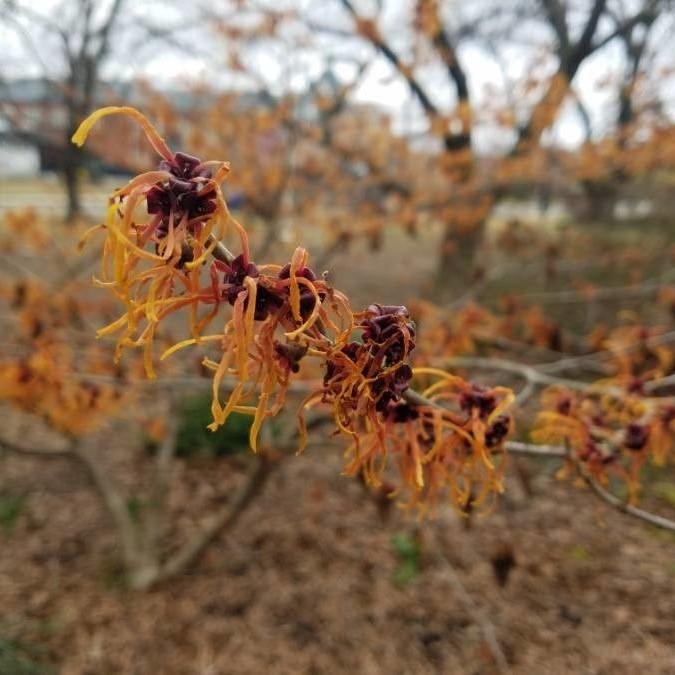
Hamamelis Mollis (Chinese Witch Hazel): Complete Grow & Care Guide
Learn to grow, care for, and enjoy Hamamelis mollis (Chinese witch hazel), a fragrant winter-blooming shrub with vibrant autumn foliage for temperate gardens.
2026-07-26 · 12 min read

Japanese Maple Plant Description: Key Details for Iijima Sunago, Select Red, and Popular Cultivars
Get clear, beginner-friendly descriptions of Japanese maple trees, including specific details for Iijima Sunago and Select Red cultivars, plus care and pruning tips.
2026-07-26 · 8 min read

Flowering Crabapple: Grow Guide, Cultivars, and Landscape Uses
Learn to grow and care for flowering crabapple trees, with tips on cultivar selection, bloom care, disease resistance, and using their edible fruit and seasonal foliage.
2026-07-25 · 11 min read