Yellow Ice Plant: Complete Care, Growing Tips, and Landscape Uses
Learn how to grow, care for, and landscape with yellow ice plant, a drought-tolerant, low-growing succulent perfect for rock gardens and xeriscapes.
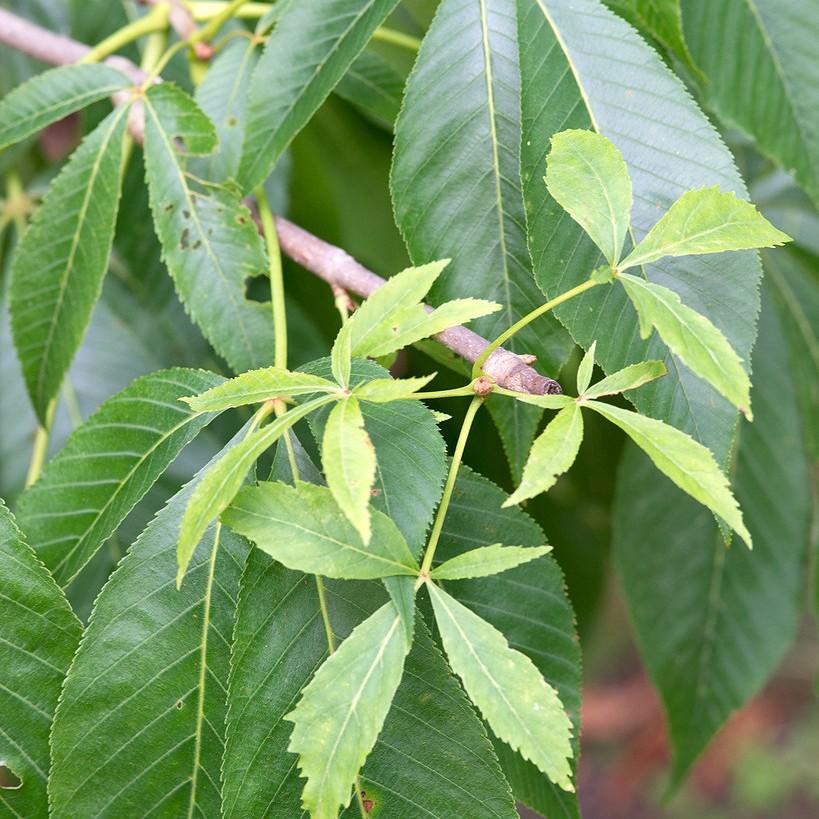
Yellow Ice Plant: Complete Care, Growing Tips, and Landscape Uses
Yellow ice plant (Delosperma nubigenum) is a low-growing, cold-hardy succulent ground cover that thrives in full sun and well-drained soil, requiring minimal water once established. It is hardy in USDA zones 4 through 9, produces bright yellow spring blooms, and works well for rock gardens, xeriscapes, and slope erosion control.
What Is Yellow Ice Plant (Delosperma nubigenum)?
Yellow ice plant is a mat-forming succulent native to the high elevations of South Africa’s Drakensberg Mountains, producing bright yellow, daisy-like flowers from late spring through early summer. It grows 2 to 4 inches tall and spreads 12 to 18 inches wide, with fleshy, triangular green leaves that take on a reddish tinge in cold temperatures.
Key Identification Traits
- Fleshy, evergreen foliage
- 1-inch wide bright yellow flowers that open in full sun
- Dense, mat-forming growth habit
- Cold-hardy down to -20°F (-29°C)
If you’re unsure if a low-growing succulent is yellow ice plant, upload a photo to the Sproutly app for fast, accurate identification, plus custom care tips tailored to your growing zone. For general background on the broader genus of trailing succulents, see our full guide to ice plant species.
Ideal Growing Requirements for Yellow Ice Plant
Yellow ice plant thrives in full sun (6+ hours of direct light daily) and well-drained, sandy or gravelly soil with a pH between 6.0 and 7.5. It is hardy in USDA zones 4 through 9, and will not survive in consistently wet or clay-heavy soil. Unlike more tender succulents, it tolerates both extreme winter cold and summer heat, making it versatile for most continental U.S. growing regions.
Light Requirements
Full sun is non-negotiable for abundant flowering; too much shade will cause leggy growth and reduced bloom production. If grown in a container, place it on a south-facing patio or windowsill for maximum light exposure. In regions with intense midday summer sun, it can tolerate partial afternoon shade, though blooms may be slightly less prolific.
Soil Preferences
- Avoid heavy clay soil that retains moisture, as even short periods of standing water can cause root rot
- Amend garden beds with 2 to 3 inches of coarse sand or gravel to improve drainage before planting
- Use a cactus/succulent potting mix for container plantings to ensure sufficient air flow around roots
Temperature and Hardiness
Yellow ice plant tolerates temperatures as low as -20°F (-29°C) when planted in well-drained soil, and can handle summer heat up to 100°F (38°C) with minimal supplemental water. In zones with heavy winter snow, ensure the planting site has good drainage to prevent ice and meltwater from sitting around the plant’s crown for extended periods, which can cause cold damage even in its rated hardiness zones.
How to Water and Fertilize Yellow Ice Plant
Yellow ice plant is extremely drought-tolerant, requiring water only once every 2 to 3 weeks during the active growing season once established. New plantings need water once every 3 to 4 days for the first month to help roots develop. Overwatering is the most common cause of decline, so err on the side of underwatering if you are unsure of your schedule.
Watering Best Practices
- Water at the base of the plant to avoid wetting foliage, which can lead to fungal leaf spot in humid conditions
- Reduce watering to once a month or less in fall and winter to prevent root rot, as the plant enters a semi-dormant state during cool months
- Never let the plant sit in standing water for more than 24 hours, even after heavy summer rain
Fertilizer Guidance
Yellow ice plant does not require regular fertilization; a light application of low-nitrogen, 5-10-10 fertilizer once in early spring is sufficient for the entire growing season. Too much nitrogen will cause soft, leggy growth and reduced flowering, as the plant directs energy to foliage production instead of blooms. If you grow it in a container, you can skip fertilization entirely for the first two years, as potting mix typically contains enough slow-release nutrients to support growth.
Set custom watering reminders in the Sproutly app based on your local rainfall and temperature to avoid overwatering, the most common cause of yellow ice plant decline.
Planting and Propagation Tips for Yellow Ice Plant
Plant yellow ice plant in early spring after the last frost, spacing individual plants 12 to 15 inches apart to give them room to spread into a dense mat. It propagates easily from stem cuttings, division, or seed, with cuttings being the fastest method for home gardeners. Avoid planting in fall in colder zones, as new plants will not have time to establish roots before winter freezes set in.
Step-by-Step Planting Guide
- Dig a hole twice as wide as the root ball and the same depth, to avoid burying the plant’s crown which can lead to rot
- Place the plant in the hole so the top of the root ball is level with the soil surface
- Backfill with amended, well-drained soil and water thoroughly to settle roots around the base
- Mulch with a 1-inch layer of gravel or crushed stone instead of organic mulch, which can retain too much moisture around the plant’s base
Propagation Methods
To propagate from stem cuttings, snip a 3 to 4 inch healthy stem in late spring, remove the lower leaves, let the cut end callous over for 24 hours, then plant in well-drained succulent mix. Roots will form in 2 to 3 weeks with minimal watering. For division, dig up an established mat in early spring, cut it into 4 to 6 inch sections with a sharp knife, and replant sections at the same depth they were originally growing. Seed propagation is possible but slower, taking 3 to 4 months for plants to reach transplant size.
Common Pests and Problems Affecting Yellow Ice Plant
Yellow ice plant is largely pest-resistant, but root rot from overwatering is the most common issue, followed by aphid infestations in new growth during cool, wet spring weather. It may also develop leaf spot if exposed to prolonged moisture and poor air circulation. Most issues can be prevented by adhering to its preferred well-drained soil and low-water requirements.
How to Treat Root Rot
If your yellow ice plant has mushy, brown leaves or soft, black roots, dig up the plant, cut away all damaged tissue with a sterile, sharp knife, and replant in fresh, well-drained soil. Reduce watering frequency significantly after replanting to prevent recurrence. If more than 50% of the root system is damaged, the plant may not recover, so you may need to propagate from healthy remaining stem cuttings instead.
Pest Control Tips
- Spray aphids off with a strong stream of water, which is usually sufficient for light infestations
- Use neem oil for persistent infestations, applying it in the early morning or late evening to avoid leaf burn in direct sun
- Avoid using high-nitrogen fertilizer that attracts soft, pest-prone new growth
If you notice discolored leaves or unusual spots on your yellow ice plant, upload a photo to Sproutly for instant pest and disease identification, plus targeted treatment recommendations.
Recommended Companion Plants for Yellow Ice Plant
Yellow ice plant pairs best with other full-sun, drought-tolerant perennials and succulents that share its low-water, well-drained soil preferences. Avoid pairing it with moisture-loving plants that require frequent watering, as this will cause root rot for the yellow ice plant. All companion plants should be hardy to your local growing zone and adapted to low-irrigation conditions.
- Aloe (Aloe harlana) – a pet-safe, partial-shade tolerant succulent with yellow flowers that complements yellow ice plant’s blooms in mixed rock gardens. For more details on growing this species, see our full Aloe harlana care guide.
- Basket-of-gold (Aurinia saxatilis) – a low-growing, yellow-flowering perennial that thrives in the same dry, full-sun conditions. Get more cultivation advice in our basket-of-gold growing tips guide.
- Blue fescue grass – the silvery-blue foliage creates a striking color contrast with bright yellow ice plant flowers, and its clumping growth habit adds texture to rock gardens and xeriscape borders.
- Cold-hardy cacti, such as prickly pear (Opuntia humifusa), which share the same low-water requirements and add height variation to plantings.
Landscape and Gardening Ideas for Yellow Ice Plant
Yellow ice plant’s low-growing, spreading habit makes it ideal for erosion control on slopes, ground cover in rock gardens, edging for xeriscape borders, and filler between stepping stones. It also grows well in containers and hanging baskets, where its trailing foliage can spill over the edges. Its evergreen foliage provides year-round interest even when not in bloom, making it a versatile addition to low-maintenance landscapes.
Xeriscape Border Design
Create a low-water, high-color border by pairing yellow ice plant with aloe, cactus, and aeonium for a mix of textures and bloom times that require minimal supplemental watering even in hot, dry climates. Plant taller cacti and aloe in the back of the border, mid-height aeonium in the middle, and yellow ice plant along the front edge to create a layered, visually interesting display that only needs watering once every 2 to 3 weeks during the growing season. For regions with heavy clay soil, build a raised bed filled with gravel-amended soil to ensure proper drainage for all plants in the border.
Slope Erosion Control
Plant yellow ice plant on sunny, bare slopes to hold soil in place; its dense root system prevents runoff, and its evergreen foliage provides year-round coverage with no mowing required. Space plants 12 inches apart on the slope to allow them to form a continuous mat within 2 to 3 growing seasons. This application is particularly useful for steep, hard-to-mow slopes that are prone to soil loss during heavy rain events. Unlike traditional grass ground cover, yellow ice plant requires no regular maintenance once established, saving time and water in sloped landscapes.
Container and Patio Use
Grow yellow ice plant in shallow, unglazed terracotta containers or hanging baskets to showcase its trailing growth habit. Pair it with trailing succulents like string of pearls or burro’s tail for a textured, low-water patio display that only needs watering once every 3 to 4 weeks. In zones colder than 4, you can overwinter containers indoors near a south-facing window, moving them back outside after the last spring frost.
Alternative Yellow-Flowering Succulents Similar to Yellow Ice Plant
If yellow ice plant is not suitable for your growing zone, several other drought-tolerant, yellow-flowering succulents and perennials offer similar low-maintenance growth and bright blooms. These alternatives work well in areas with excessively wet soil, partial shade, or temperatures outside yellow ice plant’s hardiness range.
- Basket-of-gold (Aurinia saxatilis) – a hardy, yellow-flowering ground cover that tolerates slightly more moisture than yellow ice plant and thrives in zones 3 through 7. It grows 6 to 12 inches tall, produces dense clusters of yellow blooms in early spring, and works well in rock gardens and border edges.
- Bishop’s hat (Epimedium pubigerum) – a partial-shade tolerant perennial with yellow spring blooms that works well under trees where ice plant will not grow. It thrives in zones 4 through 8, tolerates dry shade once established, and has heart-shaped foliage that turns red in fall. For more cultivation details, see our bishop’s hat care requirements guide.
- Aloe harlana – a yellow-flowering succulent that can be grown indoors as a houseplant in cold climates where ice plant cannot survive winter. It prefers bright, indirect light, requires water only once every 2 to 3 weeks, and is non-toxic to pets.
Frequently Asked Questions About Yellow Ice Plant
Is yellow ice plant cold hardy?
Yes, yellow ice plant (Delosperma nubigenum) is cold hardy in USDA zones 4 through 9, tolerating temperatures as low as -20°F (-29°C) when planted in well-drained soil that does not stay wet during winter freezes.
How often do you water yellow ice plant?
Established yellow ice plant needs water only once every 2 to 3 weeks during the active growing season. New plantings require water once every 3 to 4 days for the first month to help roots establish, and all plants need minimal watering (once a month or less) in fall and winter.
Does yellow ice plant spread?
Yes, yellow ice plant spreads quickly to form a dense mat, growing 12 to 18 inches wide per plant. It is not considered invasive in most regions, as its shallow root system is easy to contain if it grows beyond its intended area.
Is yellow ice plant pet safe?
Yellow ice plant is non-toxic to dogs, cats, and horses, making it a safe choice for ground cover in yards where pets spend time outdoors. Always confirm plant identification with a tool like Sproutly if you are unsure about a plant’s toxicity.
When does yellow ice plant bloom?
Yellow ice plant blooms from late spring through early summer, producing 1-inch wide bright yellow flowers that open fully in direct sunlight and close at night and on overcast days.
Try Sproutly for Personalized Plant Care
For personalized care tips for your yellow ice plant, download the Sproutly app to identify pests, set watering reminders, and get tailored guidance based on your local climate. Whether you are troubleshooting leaf discoloration or planning a full xeriscape border, Sproutly provides data-backed advice to help your plants thrive.
Lecturas relacionadas
Más guías que podrían interesarte
Strongylodon macrobotrys: Complete Jade Vine Species Profile & Care Guide
Learn all about Strongylodon macrobotrys (jade vine): its native range, iconic turquoise flowers, pollination needs, cultivation tips, and pest risks for home gardeners.
2026-07-14 · 10 min read
Acer Pseudoplatanus Eskimo Sunset: Complete Care & Growing Guide
Learn how to grow and care for Acer pseudoplatanus Eskimo Sunset, a variegated sycamore maple suited for USDA zones 5-8 with vivid seasonal foliage.
2026-07-12 · 10 min read
Amaranth: Types, Growing Tips, Edible Uses, and Care Guide
Learn all about amaranth, a versatile warm-season plant grown for nutrient-dense grains, edible greens, and ornamental blooms, plus care and cultivation tips.
2026-07-12 · 8 min read