Identificación de arbustos con flores blancas pequeñas: 7 variedades comunes para reconocer
Aprende a identificar los arbustos de flores blancas pequeñas más comunes de jardín, incluyendo sus características clave, seguridad para mascotas y consejos para diferenciar fácilmente ejemplares similares.
Identificación de arbustos con flores blancas pequeñas: 7 variedades comunes para reconocer
Si alguna vez has caminado por un jardín vecinal o un vivero local y has visto un arbusto denso y florecido cubierto de flores blancas diminutas, probablemente te habrás preguntado qué especie es. La identificación de arbustos con flores blancas pequeñas puede parecer complicada al principio, ya que muchas variedades populares tienen tamaños de flor y hábitos de crecimiento similares, pero basta con centrarse en unas pocas características diferenciadoras clave para que el proceso sea sencillo para los principiantes. Esta guía cubre las variedades de arbustos de flores blancas pequeñas más comunes en los jardines domésticos de América del Norte, con marcadores de identificación claros, detalles de su zona de cultivo y notas de seguridad para mascotas para ayudarte a diferenciar ejemplares similares sin confusión.
Características clave que debes revisar primero para la identificación de arbustos con flores blancas pequeñas
Antes de entrar en detalles sobre variedades específicas, toma nota de estas cuatro características básicas para reducir tus opciones de identificación rápidamente. Apuntar estos detalles o fotografiarlos eliminará la mayoría de las especies similares de inmediato:
- Disposición de las hojas: ¿Las hojas están colocadas directamente una frente a la otra en el tallo (opuestas) o escalonadas (alternas)?
- Forma de las flores y estructura de los racimos: ¿Las flores son individuales, o se agrupan en espigas largas, racimos redondeados o panículas planas?
- Hábito de crecimiento: ¿El arbusto es compacto y de forma redondeada, o alto con ramas arqueadas y colgantes?
- Época de floración: ¿La planta florece a finales de primavera, a mediados de verano o a principios de otoño?
Estas características son suficientes para identificar la mayoría de las variedades comunes de jardines domésticos, incluso cuando las flores parecen casi idénticas a simple vista.
Arbusto de las mariposas de hojas alternas (Buddleja alternifolia)
El arbusto de las mariposas de hojas alternas es uno de los arbustos de floración blanca más populares para jardines de polinizadores, muy apreciado por su larga época de floración y sus bajos requisitos de mantenimiento.
Características diferenciadoras
Como su nombre indica, esta variedad tiene hojas alternas, una característica que la distingue de la mayoría de los otros cultivares de arbusto de las mariposas. Las hojas son estrechas, de color verde grisáceo y peludas por el envés. Las flores son diminutas, tubulares y se agrupan a lo largo de espigas arqueadas de 10 a 15 cm de largo que cuelgan de las ramas. El arbusto entero alcanza entre 1,2 y 3 metros de altura en su madurez, con un hábito de crecimiento suelto en forma de fuente. Florece desde finales de primavera hasta principios de verano, más temprano que la mayoría de las otras variedades de arbusto de las mariposas.
Zona de cultivo
Este arbusto prospera en las zonas de rusticidad USDA de la 5 a la 9. Prefiere pleno sol y suelo bien drenado, y es tolerante a la sequía una vez establecido, por lo que es una opción habitual para xeriscaping y jardines de bajo consumo de agua en la mayor parte de los Estados Unidos continentales.
Anémona arbustiva (Carpenteria californica 'Elizabeth')
La anémona arbustiva es un arbusto perenne nativo de California con llamativas flores blancas que se asemejan a flores de anémona grandes, una opción muy popular para jardines de bajo mantenimiento de la costa oeste.
Características diferenciadoras
A diferencia de muchos arbustos de flores blancas pequeñas con flores diminutas agrupadas, la anémona arbustiva produce flores individuales de 5 a 7,5 cm de ancho con cinco a ocho pétalos blancos nítidos y un centro de color amarillo brillante formado por estambres agrupados. Las hojas son brillantes, de color verde oscuro, correosas y dispuestas de forma opuesta en el tallo. El arbusto tiene un hábito de crecimiento denso y redondeado, alcanzando entre 1,2 y 1,8 metros de alto y de ancho en su madurez, y sus flores desprenden una fragancia dulce y suave. Florece desde finales de primavera hasta mediados de verano y conserva sus hojas todo el año en climas templados.
Zona de cultivo
La anémona arbustiva es resistente en las zonas USDA de la 7 a la 10. Está adaptada al clima mediterráneo de California, por lo que prefiere pleno sol o sombra parcial y suelo bien drenado con baja fertilidad. Es tolerante a la sequía una vez establecida y es una presencia habitual en jardines de plantas nativas de toda la costa oeste.
Madreselva arbustiva (variedades de Diervilla)
Las variedades de madreselva arbustiva son arbustos resistentes y de bajo crecimiento nativos de América del Norte, muy valorados por su capacidad para prosperar en suelos pobres y zonas sombreadas donde muchos otros arbustos con flores no crecen. Todas las variedades que se describen aquí no son invasivas, a diferencia de la vid de madreselva japonesa exótica con la que se confunde a menudo este género.
Variedades comunes de Diervilla con flores blancas
Tres variedades populares de Diervilla producen flores blancas o de color blanco crema pálido:
- madreselva arbustiva Diervilla lonicera: La variedad más común, con flores de color blanco amarillento pálido que brotan a principios de verano, y hojas ovaladas y opuestas que se tornan de color rojo púrpura en otoño. Alcanza entre 0,6 y 0,9 metros de altura.
- Diervilla sessilifolia: Una variedad más alta que crece hasta 1,5 metros de altura, con racimos de flores de color blanco crema y hojas sésiles (sin pecíolo) que se asientan directamente sobre el tallo.
- Diervilla splendens 'El Madrigal' NIGHTGLOW: Un cultivar con follaje de color burdeos oscuro que contrasta fuertemente con sus flores de color blanco pálido, que aparecen a mediados de verano. Crece entre 0,6 y 0,9 metros de altura con un hábito compacto y redondeado.
Cómo diferenciar la madreselva arbustiva de otros arbustos blancos similares
La característica de identificación más distintiva de la madreselva arbustiva es su disposición opuesta de las hojas, acompañada de flores pequeñas en forma de trompeta que crecen en racimos compactos y redondeados en los extremos de los tallos, en lugar de en espigas largas y colgantes. La mayoría de las variedades florecen desde principios hasta mediados de verano, y sus hojas suelen desarrollar tonos cálidos de otoño, una característica que no comparten el arbusto de las mariposas ni la anémona arbustiva. Su hábito de crecimiento bajo y redondeado también la distingue de las variedades más altas y arqueadas de arbusto de las mariposas.
Otras variedades comunes de arbusto de las mariposas blancas
Aunque el arbusto de las mariposas de hojas alternas es uno de los cultivares blancos más extendidos, existen otras varias variedades populares de Buddleja con flores blancas que puedes encontrar en jardines domésticos.
Cultivares de Buddleja de floración blanca que debes conocer
Tres variedades comunes de arbusto de las mariposas blanco son:
- Buddleja 'Asian Moon': Un cultivar compacto que crece entre 0,9 y 1,2 metros de altura, con espigas de flores de color blanco puro que florecen desde mediados de verano hasta las primeras heladas. Tiene hojas opuestas de color verde grisáceo, a diferencia de la variedad de hojas alternas.
- Buddleja 'Bicolor': Un cultivar que produce espigas de flores mezcladas de blanco y rosa pálido, con una fragancia dulce similar a la miel. Crece entre 1,5 y 1,8 metros de altura y florece desde mediados de verano hasta el otoño.
- Buddleja 'Blue Chip' LO AND BEHOLD: Un cultivar enano no invasivo que suele producir flores de color blanco pálido o casi blanco junto a flores de color púrpura pálido. Alcanza solo entre 0,6 y 0,9 metros de altura, por lo que es una opción muy popular para jardines pequeños y plantación en macetas.
En qué se diferencia el arbusto de las mariposas de otros arbustos de flores blancas pequeñas
Todas las variedades de arbusto de las mariposas producen flores tubulares que son muy atractivas para mariposas, abejas y colibríes, una característica que puede ayudarte a identificarlo a simple vista. Sus espigas florales son largas y estrechas, con una longitud de entre 10 y 30 cm según el cultivar, a diferencia de los racimos redondeados de la madreselva arbustiva o las flores individuales grandes de la anémona arbustiva. La mayoría de las variedades de arbusto de las mariposas también florecen desde mediados de verano hasta las primeras heladas, una época de floración más larga que la de la mayoría de los otros arbustos de floración blanca.
Cómo confirmar la identificación de tu arbusto de flores blancas pequeñas rápidamente
Si has reducido tus opciones de identificación con las características anteriores pero aún no estás seguro, sigue estos tres sencillos pasos para confirmar la coincidencia:
- Toma fotos claras de todo el arbusto, un primer plano de las flores, un primer plano de las hojas (mostrando su disposición en el tallo) y cualquier corteza o brote nuevo visible. Asegúrate de que las fotos estén bien iluminadas y sin obstrucciones como otras plantas o decoración de jardín.
- Compara las características que anotaste con las descripciones de las variedades anteriores, prestando especial atención a la disposición de las hojas y la estructura de las flores, los dos marcadores diferenciadores más constantes para estas especies.
- Usa una herramienta de identificación de plantas para verificar la coincidencia. La aplicación Sproutly puede comparar tus fotos con su amplia base de datos de plantas de jardín de América del Norte y confirmar tu identificación en segundos, incluso si el arbusto aún no está en plena floración.
Referencia rápida: Seguridad para mascotas de los arbustos de flores blancas identificados
Las siete variedades que se describen en esta guía se consideran seguras para mascotas, según datos de toxicidad hortícola verificados, por lo que son opciones de bajo riesgo para jardines frecuentados por perros o gatos. Para cualquier otro arbusto de flores blancas que identifiques, verifica siempre su toxicidad antes de plantarlo, ya que algunas variedades menos comunes (como algunos cultivares de azalea blanca) pueden ser tóxicas para las mascotas si se ingieren.
Si no estás seguro de la toxicidad de un arbusto después de identificarlo, la aplicación Sproutly incluye notas de toxicidad para todas las plantas de jardín comunes para ayudarte a tomar decisiones seguras para tu hogar.
Consejos finales para una identificación precisa de arbustos con flores blancas pequeñas
Para evitar errores comunes de identificación al reconocer estos arbustos, ten en cuenta estos sencillos consejos:
- No te fíes solo del color de las flores: Muchas variedades tienen flores de color blanco crema pálido que pueden parecer casi idénticas a distancia, así que revisa siempre primero la estructura de las hojas y las flores.
- Toma nota de las condiciones de cultivo: La anémona arbustiva rara vez se cultiva fuera de los jardines de la costa oeste, por ejemplo, mientras que la madreselva arbustiva es mucho más común en patios del este y el medio oeste con sombra parcial.
- Observa la actividad de los polinizadores: Si ves docenas de mariposas agrupadas en las flores, es casi con toda seguridad un arbusto de las mariposas, ya que la forma de sus flores está perfectamente adaptada para alimentar a estos polinizadores.
- Si sigues sin estar seguro, guarda una foto y compárala con las entradas de la enciclopedia de plantas de Sproutly, que incluye detalles completos de identificación y notas de cuidado para todas las variedades descritas en esta guía.
Preguntas frecuentes
¿Cuál es el arbusto de flores blancas pequeñas más común en los jardines domésticos?
Las variedades de arbusto de las mariposas, incluido el arbusto de las mariposas de hojas alternas, se encuentran entre los arbustos de flores blancas pequeñas más comunes cultivados en jardines exteriores, y muchos también son seguros para mascotas.
¿Todos los arbustos de flores blancas pequeñas son seguros para mascotas?
Las variedades descritas en esta guía, incluido el arbusto de las mariposas, la anémona arbustiva y la madreselva arbustiva, son seguras para mascotas, pero confirma siempre la toxicidad de una planta antes de plantarla si tienes mascotas. La aplicación Sproutly puede ayudarte a comprobar la toxicidad de cualquier arbusto identificado.
¿Cómo puedo diferenciar un arbusto de las mariposas blanco de la madreselva arbustiva?
El arbusto de las mariposas blanco tiene racimos largos y arqueados de flores diminutas, mientras que la madreselva arbustiva tiene racimos de flores más pequeños y redondeados y hojas opuestas características. También puedes usar la forma de las hojas y la época de floración para diferenciarlos.
¿Puedo usar una aplicación para ayudarme con la identificación de arbustos de flores blancas pequeñas?
Sí, la aplicación Sproutly puede identificar arbustos de flores blancas pequeñas a partir de una foto, y también proporciona detalles adicionales como requisitos de cuidado y estado de toxicidad una vez que la planta ha sido identificada.
Prueba Sproutly
¿Listo para identificar todos los arbustos de tu jardín y mantenerlos sanos? La aplicación Sproutly simplifica la identificación de plantas, con identificación por foto, recordatorios de cuidado personalizados y comprobaciones de toxicidad para todas las plantas de jardín comunes de América del Norte. Descarga Sproutly hoy mismo en https://heysproutly.com para eliminar las suposiciones del cuidado de las plantas.
Lecturas relacionadas
Más guías que podrían interesarte
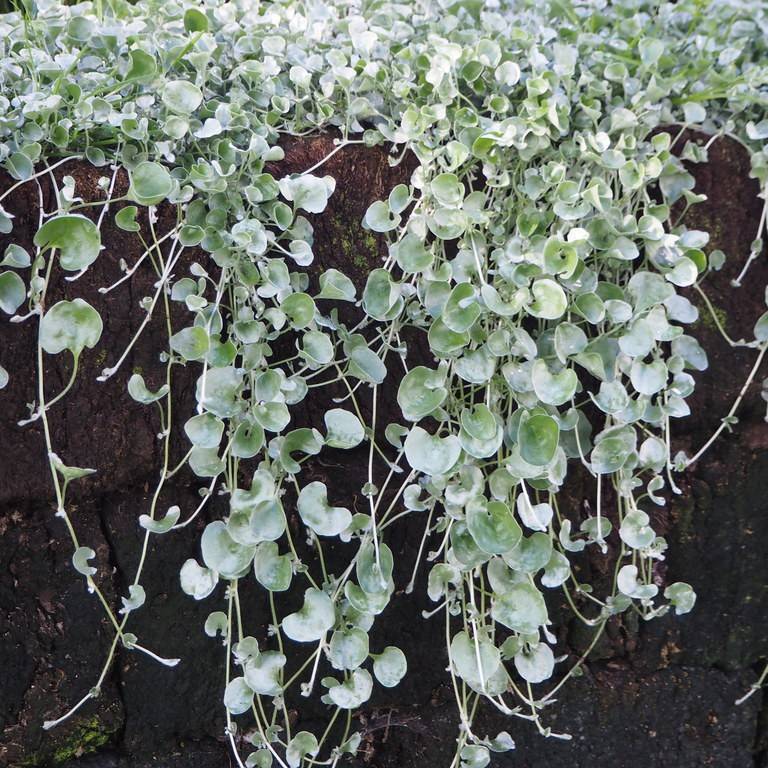
Dichondra Argentea (Silver Falls): Complete Care, Growing, and Use Guide
Learn how to grow and care for Dichondra argentea 'Silver Falls', a drought-tolerant, pet-safe trailing perennial perfect for hanging baskets and ground cover.
2026-08-04 · 11 min read
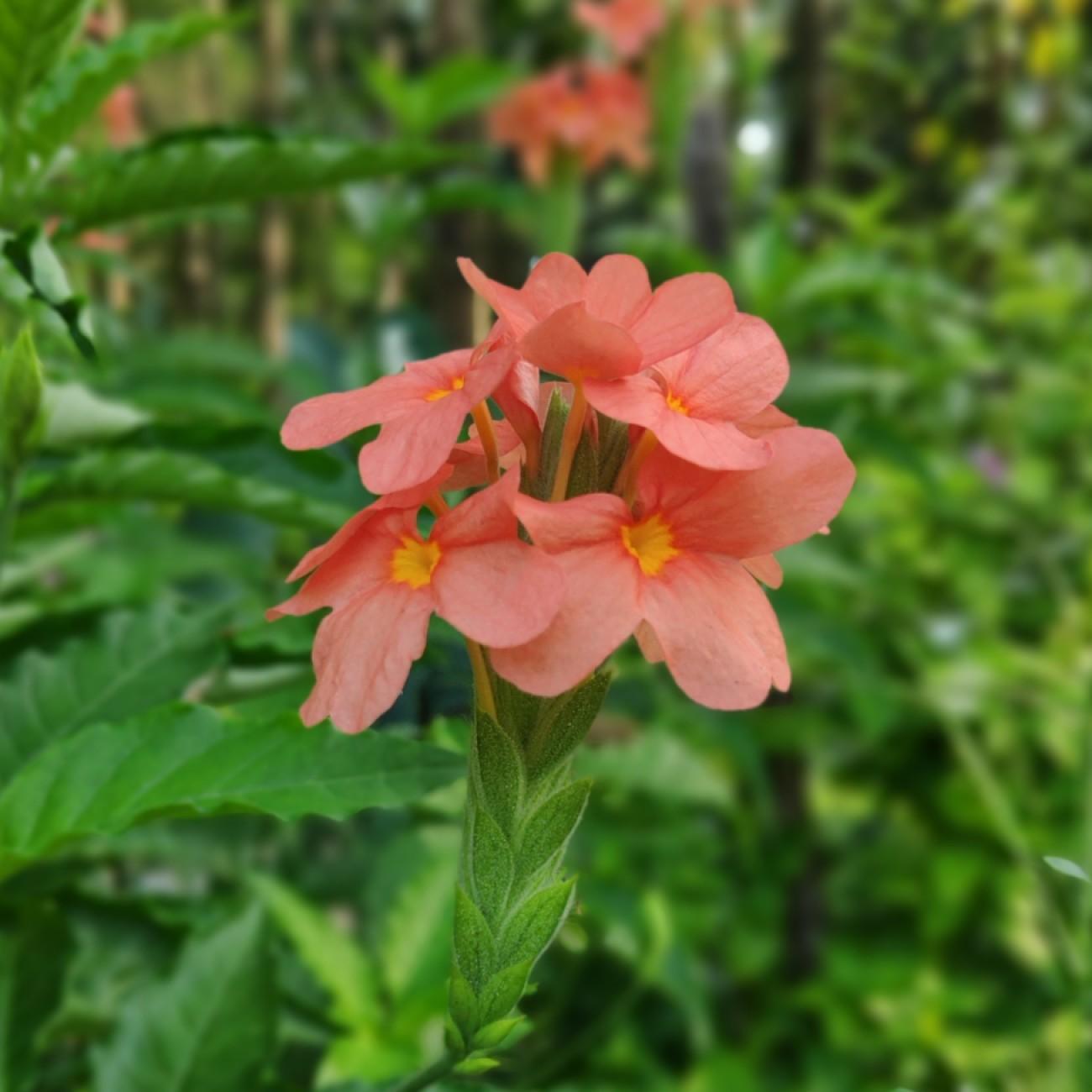
Firecracker Flower: Complete Care, Cultivation, and Identification Guide
Learn how to grow and care for firecracker flower (Crossandra infundibuliformis), a pet-safe, humidity-loving tropical houseplant with bright tubular blooms.
2026-08-04 · 19 min read
Juniperus Squamata Blue Star: Complete Care, Design, and Identification Guide
Learn how to grow, care for, and design with Juniperus squamata blue star, a low-growing, pet-safe evergreen shrub with striking silvery-blue foliage.
2026-08-03 · 14 min read