Cómo identificar malezas: consejos sencillos para jardineros principiantes
Aprende a identificar las malezas de tu patio con consejos aptos para principiantes, desde características físicas clave hasta herramientas que simplifican la identificación para que puedas cuidar tu jardín.
Cómo identificar malezas: consejos sencillos para jardineros principiantes
Como jardinero principiante, pocas tareas parecen tan intimidantes como diferenciar las plantas no deseadas de las incorporaciones intencionales de tu patio. Si arrancas el brote equivocado, podrías eliminar por error un valioso árbol joven que esperabas ver crecer. Si dejas una planta desconocida en su lugar, podría propagarse agresivamente antes de que te des cuenta de que no debería estar ahí. Aprender a identificar malezas elimina la incertidumbre del mantenimiento del jardín, para que puedas cuidar tus plantas deseadas mientras mantienes el crecimiento no deseado bajo control.
¿Qué es una maleza, de todos modos?
Antes de empezar a identificar malezas, es útil tener una definición clara de qué se considera una maleza. En pocas palabras, una maleza es cualquier planta que crece donde no la quieres. No existe una clasificación botánica oficial para las malezas: una planta valorada en un jardín puede considerarse una molestia en otro.
Algunas plantas vendidas como ornamentales pueden volverse malezas si se propagan más allá de su zona de cultivo prevista. Por ejemplo, la hierba del obispo se cultiva a menudo como cubierta vegetal de bajo mantenimiento, pero sus rizomas de rápida propagación pueden invadir rápidamente los parterres de flores adyacentes, lo que lleva a muchos jardineros a clasificarla como maleza en sus patios. Por el contrario, las plantas nativas voluntarias que aparecen sin previo aviso pueden favorecer a los polinizadores locales y la salud del ecosistema, por lo que puedes optar por conservarlas incluso si no las plantaste tú mismo.
Características clave a tener en cuenta al identificar malezas
No necesitas un título en botánica para identificar malezas con seguridad. La mayoría de las plantas desconocidas se pueden clasificar anotando 2 o 3 características físicas clave. Aquí tienes las características más útiles para observar:
Forma de la hoja
Las hojas son la característica de identificación más constante, incluso cuando la planta no está en flor. Anota si las hojas son redondeadas, serradas (con bordes de pequeños dientes), en forma de corazón o compuestas (formadas por múltiples foliolos más pequeños unidos a un solo tallo). Por ejemplo, los dientes de león tienen hojas dentadas y aserradas muy distintivas, mientras que el llantén común tiene hojas anchas y redondeadas que crecen cerca del suelo.
Hábito de crecimiento
El hábito de crecimiento se refiere a cómo crece y se propaga una planta por tu patio. Las malezas suelen pertenecer a una de las tres categorías: mantas extensas que crecen pegadas al suelo, tallos erguidos que crecen verticalmente o enredaderas trepadoras que se enrollan alrededor de otras plantas o estructuras. Las malezas que forman mantas suelen ser las más rápidas en invadir los parterres, mientras que las malezas de tallo erguido pueden quitar la luz a las plantas deseadas más bajas.
Color y forma de la flor
Si la planta está floreciendo, los detalles de la flor pueden ayudarte a reducir su identidad rápidamente. Anota el color, el número de pétalos y si las flores crecen en racimos, en tallos individuales o en espigas. Por ejemplo, la hierba gallinera común tiene flores pequeñas, blancas y en forma de estrella, mientras que la violeta silvestre tiene flores distintivas de color púrpura con cinco pétalos.
Estructura de la raíz
Si puedes aflojar suavemente la tierra alrededor de la base de la planta para examinar sus raíces, esta característica puede confirmar una identificación. Las malezas suelen tener raíces fibrosas superficiales, raíces pivotantes profundas o rizomas extensos (tallos horizontales subterráneos que producen nuevos brotes). Los dientes de león tienen raíces pivotantes largas y gruesas que pueden volver a crecer si incluso un pequeño fragmento queda en la tierra, mientras que la hierba del obispo se propaga por rizomas que pueden recorrer varios metros bajo la superficie.
Errores comunes: no confundas las plantas deseadas con malezas
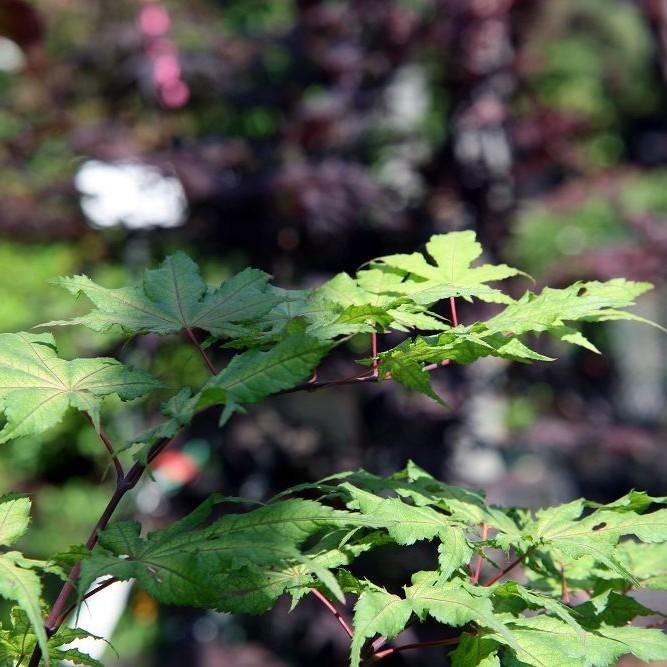
Uno de los errores más frustrantes que cometen los jardineros principiantes es arrancar árboles ornamentales jóvenes creyendo que son malezas. Muchos árboles jóvenes tienen hojas lobuladas o de forma única que pueden parecerse a las malezas de hoja ancha comunes cuando son pequeños, especialmente si no reconoces las plántulas de las plantas que crecen cerca.
Por ejemplo, los jóvenes arces japoneses Aka Shigitatsu Sawa y Aoyagi tienen hojas lobuladas distintivas que algunos jardineros principiantes confunden con brotes silvestres no deseados. Estas plántulas suelen brotar de semillas caídas de arces maduros que crecen cerca, y pueden aparecer en lugares inesperados como parterres de flores o bordes de césped.
Las coníferas ornamentales como el abeto alpino y los árboles de hoja caduca como el arce de hoja grande también pueden brotar de semillas caídas en los parterres cercanos, y sus pequeñas hojas aciculares o lobuladas pueden ser fáciles de identificar erróneamente como malezas cuando solo miden unos centímetros de alto. Siempre compara cualquier árbol pequeño desconocido antes de arrancarlo, especialmente si tienes árboles maduros creciendo en tu patio o cerca de él.
Paso a paso: cómo identificar las malezas de tu patio
Una vez que sepas qué características buscar, puedes seguir un proceso sencillo y repetible para identificar las malezas de forma fiable en todo momento:
- Toma fotos claras de toda la planta: Captura primeros planos de las hojas (tanto la parte superior como la inferior, si es posible), los tallos, las flores o las cabezas de semillas que tenga, y cualquier raíz visible si has aflojado la tierra alrededor de la base. Una foto de toda la planta en su lugar de crecimiento también ayudará a mostrar su hábito de crecimiento.
- Anota su ubicación de cultivo: Registra si la planta crece a pleno sol, sombra parcial o sombra total, y qué tipo de suelo tiene (húmedo, seco, arenoso o arcilloso). También anota si crece en un césped, un parterre elevado, un camino de grava o un borde de paisajismo, ya que muchas malezas prefieren condiciones de cultivo específicas.
- Compara las características con un recurso de confianza: Utiliza una guía de campo de malezas locales, el sitio web de una extensión universitaria o una herramienta de identificación por IA para comparar las características de la planta y sus condiciones de crecimiento con una especie conocida. La función de identificación de plantas de Sproutly puede ayudarte a acelerar este proceso al comparar tu foto con su biblioteca de plantas en segundos, incluyendo tanto las malezas comunes como las plantas de paisajismo intencionales.
- Confirma si la planta es deseada en ese lugar: Una vez que tengas su identificación, decide si la planta pertenece a su ubicación actual. Una planta nativa voluntaria que favorece a los polinizadores puede ser bienvenida en un rincón más silvestre de tu patio, pero no en un huerto cuidadosamente curado.
Herramientas que aceleran la identificación de malezas
No necesitas una estantería llena de libros de botánica para identificar las malezas con precisión. Estas herramientas accesibles funcionan para jardineros de todos los niveles de experiencia:
- Guías de campo impresas de malezas locales: Las guías publicadas para tu región solo incluirán plantas que realmente crecen en tu zona, por lo que es más fácil reducir las identificaciones sin tener que clasificar especies no relacionadas.
- Sitios web de extensiones universitarias: La mayoría de los programas de extensión de universidades estatales tienen guías de identificación de malezas gratuitas y revisadas por expertos adaptadas a las condiciones de cultivo locales, incluyendo detalles sobre cómo gestionar las especies invasoras comunes.
- Aplicaciones de identificación con tecnología de IA: Herramientas como Sproutly te permiten tomar una foto de una planta desconocida y obtener una posible coincidencia en segundos, lo que es especialmente útil cuando estás trabajando en el patio y no quieres parar para hojear un libro. Si usas una aplicación, siempre es una buena idea confirmar que los resultados coincidan con las condiciones de crecimiento observadas de tu planta para asegurarte de que tienes la identificación correcta.
Qué hacer después de identificar las malezas
Una vez que confirmes que una planta es una maleza que quieres eliminar, elige un método de control que coincida con su estructura radicular y su hábito de crecimiento:
- Arranque manual: Funciona mejor para malezas de raíces superficiales como la hierba gallinera o el llantén. Agarra la planta lo más cerca posible de la línea del suelo y tira suavemente para eliminar todo el sistema radicular que puedas.
- Excavación: Necesaria para malezas de raíz pivotante profunda como los dientes de león, o malezas rizomatosas como la hierba del obispo. Usa una pequeña paleta para aflojar la tierra alrededor del sistema radicular y eliminar todos los fragmentos, ya que incluso trozos pequeños de raíz pivotante o rizoma pueden volver a crecer formando nuevas plantas.
- Acolchado: Aplica 5 a 7 cm de mantillo de astillas de madera o paja en los parterres después de desherbar para bloquear la luz solar y evitar que las semillas de maleza germinen en el futuro.
- Herbicidas selectivos: Úsalos como último recurso para infestaciones persistentes que no responden a la eliminación manual. Elige siempre un herbicida etiquetado para la maleza específica a la que te diriges, y sigue todas las instrucciones de aplicación para evitar dañar las plantas deseadas.
Si no estás seguro de si una planta es una maleza, es mejor dejarla en su lugar temporalmente mientras confirmas su identidad, en lugar de arrancar un árbol joven deseado por error. Puedes marcar el lugar con una pequeña etiqueta para plantas y volver a comprobarlo en una o dos semanas si necesitas esperar a que la planta crezca más o produzca flores para una identificación más clara.
Reflexiones finales: identifica malezas con confianza y sin estrés
Aprender a identificar malezas se hace más fácil con la práctica, y es normal cometer errores como jardinero principiante. Incluso los jardineros experimentados identifican erróneamente un brote desconocido de vez en cuando, especialmente cuando aún es pequeño. La clave es crear el hábito de revisar las plantas desconocidas cuando aparecen por primera vez, en lugar de dejar que se propaguen y se vuelvan más difíciles de eliminar.
A medida que pasas más tiempo en tu patio, empezarás a reconocer las malezas más comunes de tu zona, así como las plántulas de tus plantas deseadas. La biblioteca de plantas de Sproutly es un recurso útil para tener a mano siempre que trabajes en el patio, para confirmar tanto las malezas como las muchas plantas ornamentales hermosas que agregaste intencionalmente a tu jardín.
Preguntas frecuentes
¿Hay una forma fácil de identificar las malezas?
La forma más fácil de identificar las malezas es anotar 2 o 3 características clave (forma de la hoja, hábito de crecimiento, color de la flor si está presente) y compararlas con una base de datos de plantas de confianza o una herramienta de identificación por IA como Sproutly, que puede comparar rápidamente fotos de plantas desconocidas con su biblioteca.
¿Cómo puedo diferenciar entre una maleza y un árbol joven?
Compara las hojas del árbol joven con las de los árboles maduros que crecen en tu patio o cerca de él. Por ejemplo, los arces japoneses jóvenes tienen hojas lobuladas distintivas que se ven muy diferentes de las malezas de hoja ancha comunes. Si no estás seguro, usa un identificador de plantas para confirmar antes de arrancarlo.
¿Puede una planta ser una maleza en algunos jardines pero no en otros?
Sí. Una maleza es simplemente cualquier planta que crece donde no la quieres. Por ejemplo, la hierba del obispo se cultiva intencionalmente como cubierta vegetal en algunos jardines, pero se considera una maleza cuando se propaga a los parterres de flores donde no es bienvenida.
¿Tengo que eliminar todas las malezas que encuentre?
No necesariamente. Algunas malezas son comestibles, favorecen a los polinizadores nativos o no se propagan agresivamente, por lo que puedes optar por dejarlas si lo prefieres. Solo elimina las malezas que están desplazando a las plantas deseadas o que se propagan más rápido de lo que puedes manejar.
¿Listo para eliminar la incertidumbre de la identificación de malezas en tu patio? Prueba Sproutly hoy mismo para identificar rápidamente plantas desconocidas, acceder a consejos de cuidado personalizados y mantener tu jardín creciendo fuerte.
Lecturas relacionadas
Más guías que podrían interesarte
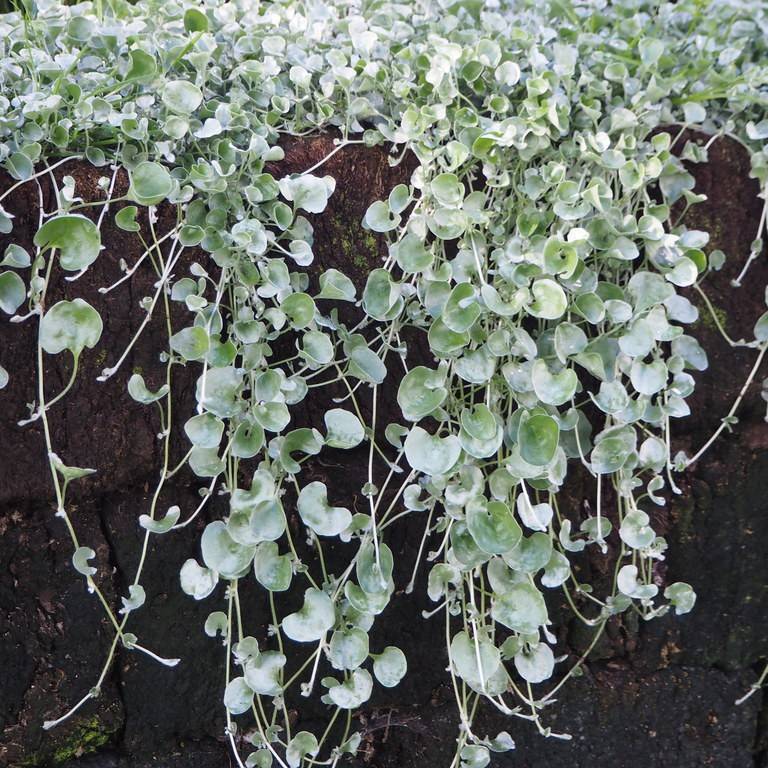
Dichondra Argentea (Silver Falls): Complete Care, Growing, and Use Guide
Learn how to grow and care for Dichondra argentea 'Silver Falls', a drought-tolerant, pet-safe trailing perennial perfect for hanging baskets and ground cover.
2026-08-04 · 11 min read
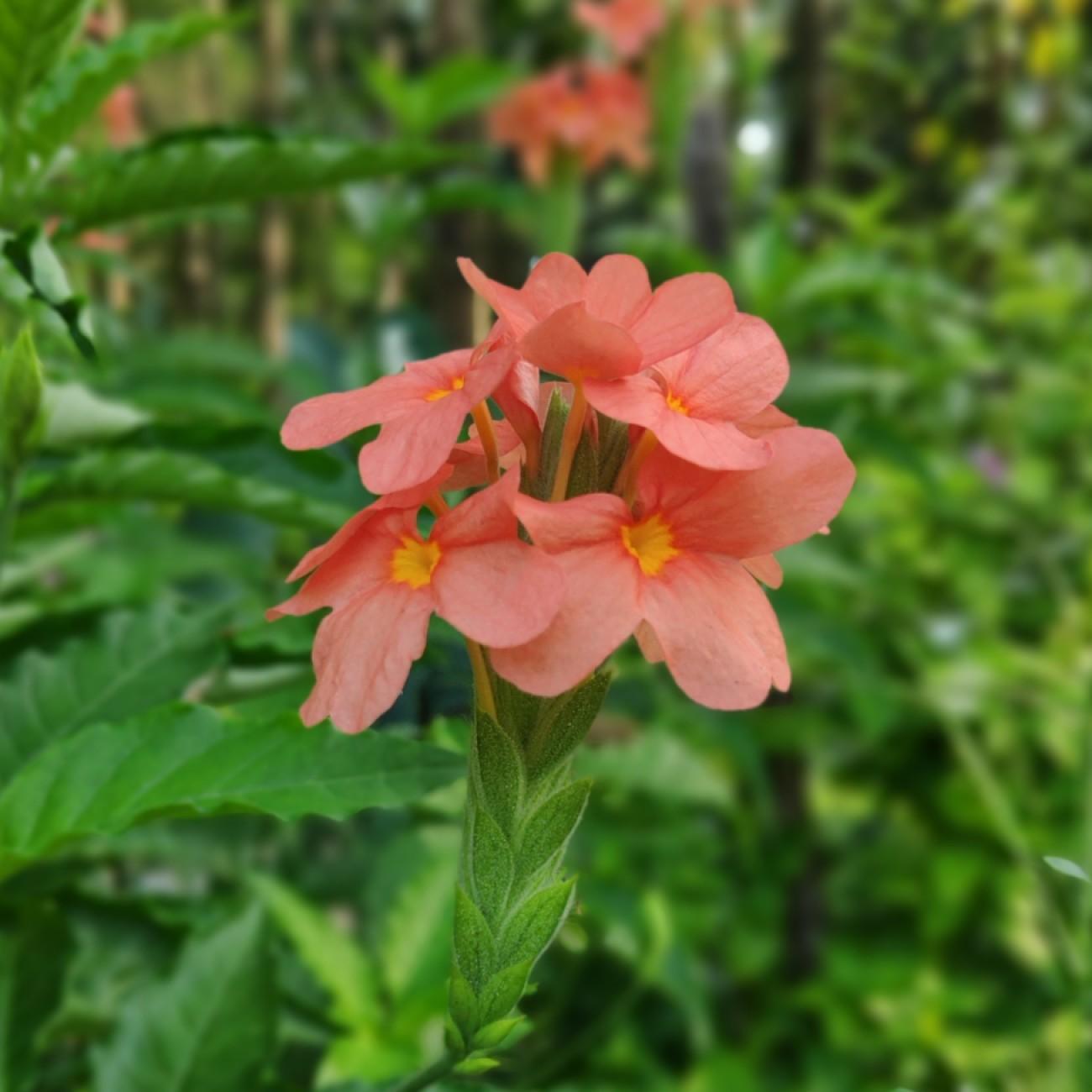
Firecracker Flower: Complete Care, Cultivation, and Identification Guide
Learn how to grow and care for firecracker flower (Crossandra infundibuliformis), a pet-safe, humidity-loving tropical houseplant with bright tubular blooms.
2026-08-04 · 19 min read
Juniperus Squamata Blue Star: Complete Care, Design, and Identification Guide
Learn how to grow, care for, and design with Juniperus squamata blue star, a low-growing, pet-safe evergreen shrub with striking silvery-blue foliage.
2026-08-03 · 14 min read