Google I/O 2026 para amantes de las plantas: 8 anuncios que cambiarán la forma de cuidar tus plantas
Desde Gemini 3 Pro Vision y Veo 4 hasta las gafas inteligentes Android XR y el nuevo agente Gemini Spark: esto es todo lo que Google anunció en el I/O 2026 que realmente importa para padres de plantas y jardineros.
Google I/O 2026 para amantes de las plantas: 8 anuncios que cambiarán la forma de cuidar tus plantas
El Google I/O 2026 terminó ayer en el Shoreline Amphitheatre, y si solo lo sigues para saber "qué teléfono nuevo va a salir", probablemente te saltaste los anuncios que realmente importan para las plantas de interior que tienes en la repisa de la ventana. No son los protagonistas de los titulares, pero para cualquiera que se haya quedado de pie en la sala preguntándose qué le pasa a esta hoja, la programación del I/O 2026 es la mayor actualización de los últimos años.
Vimos la presentación inaugural, la presentación para desarrolladores, leímos la cobertura en directo de The Verge y el resumen de MacRumors, y extrajimos los 8 anuncios que cambian la rutina diaria del cuidado de las plantas. Algunos se lanzarán el mes que viene, otros son avances de cómo será realmente una app de cuidado de plantas con IA en 2027. Todos valen la pena conocerlos ahora.
Por qué los amantes de las plantas deberían interesarse por una conferencia de desarrolladores
Es fácil pensar que el Google I/O es para ingenieros, no para la persona que consigue mantener viva una higuera lirata en un piso orientado al norte. Pero las capacidades que se anuncian en una conferencia de desarrolladores son exactamente las que terminan apareciendo en tu app identificadora de plantas favorita seis meses después. La programación de 2026 lo deja especialmente claro: visión artificial, vídeo, IA en el dispositivo, gafas inteligentes y agentes proactivos: todas son herramientas que las personas que tienen plantas de interior acabarán usando sin darse cuenta.
El resumen corto para padres de plantas: Google ha mejorado notablemente la identificación de plantas, ha abaratado drásticamente la creación de vídeos de plantas, ha dado pistas sobre la identificación de plantas manos libres mediante gafas inteligentes y ha sentado las bases para agentes de IA que gestionen de forma proactiva tu programa de riego. La era de "buscar una guía de cuidado genérica y esperar que funcione" está a punto de acabar.
Aquí tienes la lista completa, ordenada por el impacto que tendrán realmente en tus plantas este año.
1. Gemini 3 Pro Vision: la identificación de plantas acaba de mejorar
La mejora de modelo más importante para el contenido de plantas son las nuevas capacidades de Gemini 3 Pro Vision. Según la publicación oficial del blog, el modelo supone "un salto generacional del simple reconocimiento al verdadero razonamiento visual y espacial", estableciendo nuevos récords en las pruebas de referencia MMMU Pro y Video MMMU.
En términos de plantas, esto se traduce en tres cosas:
- Identificación de especies más precisa con fotos imperfectas: incluyendo tomas borrosas, con poca luz, parciales o tomadas desde ángulos extraños en las que los modelos anteriores fallaban sin dar aviso.
- Mejor funcionamiento con fotos de varias plantas: apunta la cámara a una estantería y Gemini puede analizar cada planta por separado en lugar de adivinar cuál es la dominante.
- Razonamiento visual por pasos: "las hojas inferiores se están poniendo amarillas, pero solo la parte que da al radiador" es una frase sobre la que Gemini 3 Pro puede razonar de verdad, no solo describir.
Sproutly está desarrollando su app de cuidado de plantas para iOS y Android basándose exactamente en este tipo de capacidad, combinada con el registro de cuidado específico por planta que no cabría en una pestaña del navegador. La versión que puedes probar hoy en nuestro identificador de plantas web gratuito es la vista previa pública.
→ Lee más: Gemini 3 Pro Vision para identificación de plantas: ¿qué precisión tiene en 2026?
2. Gemini Omni y Veo 4: vídeos de plantas sin equipos de grabación profesionales
Los modelos de generación de vídeo también han recibido una actualización generacional. Gemini Omni (anunciado en la presentación, publicación oficial aquí) es el nuevo modelo de vídeo multimodal de Google que acepta texto, imágenes, audio y vídeo como entrada y produce una salida de vídeo sincronizada. Veo 4 es el siguiente paso esperado en la línea Veo, con duración ampliada y resolución 4K nativa.
Para el contenido de plantas en concreto, esto significa tres cosas que los padres de plantas han querido desde siempre:
- Ciclos de "foto animada": convierte una sola foto de una planta en un suave clip de movimiento de 10 segundos.
- Recuerdos de cuidado: de 5 a 10 fotos fechadas de la misma planta se convierten en un montaje corto de su crecimiento.
- Historias de temporada: las fotos de toda una temporada de un arce exterior o un huerto se convierten en un vídeo de 60 a 90 segundos en 4K sin necesidad de trípode.
Este es el mismo caso de uso que cubre nuestra guía básica de Seedance 3.0 + Seedance 2.1 desde otro ángulo. La buena noticia: a medida que los modelos subyacentes se abaratan y mejoran (tanto Omni como Veo 4 son notablemente más baratos que sus predecesores), el coste de hacer un vídeo bonito de una planta para uso personal tiende a cero.
→ Lee más: Gemini Omni y Veo 4 para vídeos de plantas
3. Gafas inteligentes Android XR: recorridos de plantas a pie, manos libres
Google presentó oficialmente las Gafas inteligentes Android XR en el I/O 2026, con socios como Warby Parker, Gentle Monster y Samsung. Según TechCrunch y WIRED, las versiones solo de audio saldrán a la venta este año, y las versiones con pantalla llegarán en 2027. Todas tienen cámara "porque es la forma en que Gemini ve el mundo".
Este es el anuncio con el impacto a más largo plazo para los padres de plantas. Imagina caminar por un jardín botánico, el jardín de un amigo o tus propios parterres exteriores, mirar plantas desconocidas y recibir una identificación audible sin tener que sacar el teléfono del bolsillo. Esa es la premisa real del producto de las gafas de primera generación solo de audio. Las versiones con pantalla de 2027 añadirán información superpuesta: estado de toxicidad, necesidades de riego, consejos de recuperación, directamente en tu visión periférica.
La categoría actual de apps de identificación de plantas existe en los teléfonos porque es ahí donde están las cámaras. Para finales de 2026, el lugar más natural para la identificación de plantas podría estar en tu cara.
→ Lee más: Gafas inteligentes Android XR para identificación de plantas
4. Gemini Live: ayuda en tiempo real desde tu jardín
Gemini Live, el modo conversacional de voz + cámara de Google, recibió dos actualizaciones importantes en el I/O 2026: se convirtió en el modo predeterminado en las nuevas gafas inteligentes, y los modelos subyacentes son más rápidos (más de 7 modelos de voz nuevos con nombre en clave "Capybara", "Nitrogen" y otros). Android Central ya ha documentado el uso de Live para cultivar plantas en el desierto, y Tom's Guide escribió sobre cómo identificar la hiedra venenosa con ella en senderos.
Para el cuidado de las plantas, el punto fuerte de Gemini Live es la dimensión en tiempo real. Las apps antiguas de identificación de plantas te obligan a hacer una foto y esperar. Live te permite caminar con la cámara encendida, haciendo preguntas sobre la marcha: "¿Qué le pasa a esta hoja? ¿Es segura para mi gato? ¿Debería regar esto hoy según lo que ves?" Se parece mucho más a como hablarías con un amigo experto que con un motor de búsqueda.
El inconveniente, como cualquiera que haya usado Live mucho sabe, es que no tiene memoria. La conversación que tuviste ayer con Live sobre tu monstera se habrá borrado hoy. Esa brecha, entre consejo en tiempo real y registro de cuidado a largo plazo, es exactamente para lo que se crea una app de cuidado de plantas con recordatorios dedicada. Sproutly es la app móvil que estamos desarrollando para esto, y el identificador web es la vista previa pública.
→ Lee más: Gemini Live para consejos de cuidado de plantas en tiempo real
5. Gemini Spark + Daily Brief: plantas sin la carga de los recordatorios
Se anunciaron dos productos de agente nuevos en el I/O 2026 que cambian el significado de "la IA me ayuda con mis plantas".
- Gemini Spark es un agente de IA personal 24/7 que funciona en segundo plano, incluso cuando tus dispositivos están apagados, y puede organizar tareas de varios pasos en las apps de Google y servicios de terceros mediante el Protocolo de Contexto de Modelo. Según la vista previa oficial de Spark, se ejecuta en Gemini 3.5 Flash y está diseñado para "gestionar tu vida digital" de forma proactiva.
- Daily Brief es un agente separado que produce un resumen matutino personalizado cada día, que aprende de tus comentarios con el tiempo.
Juntos describen una nueva categoría de producto: agentes proactivos de IA para el cuidado de plantas. En lugar de que tú abras la app de plantas cada día, la app se abre sola en forma de resumen: "Tu higuera lirata lleva 4 días desde el último riego, la humedad del suelo registrada la última vez fue del 23%, se recomienda regarla esta noche; tu pothos no necesita nada hasta el sábado." Ese es exactamente el diseño "centrado en el día" en el que se basa Sproutly, con una capa de registro específica por planta que un agente genérico como Spark no puede proporcionar actualmente.
→ Lee más: Gemini Spark y Daily Brief como tu agente de IA para el cuidado de plantas
6. Gemini 3.5 Flash: identificación de plantas móvil más rápida y barata
No todas las identificaciones de plantas necesitan todo el potencial de Gemini 3 Pro. La mayoría de ellas ("¿qué es esta planta de interior?") entran perfectamente en la capacidad de su versión hermana más pequeña, rápida y barata. Se trata de Gemini 3.5 Flash, anunciado y lanzado en el I/O 2026, según la publicación oficial de Google, como "inteligencia puntera con acción: 4 veces más rápido que otros modelos punteros".
La consecuencia práctica: cualquier app identificadora de plantas creada sobre Gemini 3.5 Flash puede ofrecer identificación de plantas gratuita o de bajo coste a escala, con tiempos de respuesta casi instantáneos. Apps como EcoSnap, N8ture y Verdora ya funcionan con la versión Flash de la generación anterior; el nuevo 3.5 Flash reduce aún más la latencia y el coste. La economía de la "identificación de plantas gratuita" deja de ser un producto perdedor para empezar a ser viable.
La versión de Sproutly que estamos desarrollando usa Flash para las identificaciones cotidianas y Pro para las consultas más difíciles: el mismo sistema de enrutamiento que usa la app oficial de Gemini.
7. Credenciales de contenido C2PA: saber si una foto de planta es real o de IA
Google anunció una mayor compatibilidad con las Credenciales de contenido C2PA en el I/O 2026, integrando señales de procedencia en Gemini y Chrome, junto con SynthID para el marcado de agua invisible.
Para el contenido de plantas, esto es más importante de lo que parece. Los mercados de plantas online, las fotos de viveros, el contenido de plantas en redes sociales y los anuncios de "cultivares raros" generados por IA son ámbitos en los que es cada vez más difícil distinguir entre una fotografía real y un render de IA. Chrome con C2PA puede mostrar, al pasar el cursor, si una imagen de planta fue generada por IA y qué herramienta la produjo. Para los coleccionistas que pagan dinero real por variedades raras, esto va a ser muy importante muy pronto.
Advertencias importantes de la guía de PrivacyCrop sobre C2PA: las credenciales se eliminan cuando las imágenes se suben a la mayoría de plataformas sociales, por lo que la ausencia de credenciales no demuestra nada. Pero la presencia de credenciales válidas te da una señal positiva que no tenías antes.
8. Antigravity 2.0: por qué los sistemas multiagente son importantes para el cuidado de plantas a largo plazo
El anuncio más técnico de la lista, pero que vale la pena entender a nivel general. Antigravity 2.0 es la nueva plataforma de agentes de Google: una aplicación de escritorio independiente que organiza múltiples agentes que ejecutan tareas en paralelo, con subagentes dinámicos y tareas programadas. También existe un SDK de Antigravity para el control programático.
Por qué es importante para las plantas: el cuidado de las plantas es inherentemente de larga duración y paralelo. La "siguiente acción" de una sansevieria se produce cada 14 días. Un pothos tiene un ciclo de 5 días. Una higuera lirata tiene su propio caprichoso programa que interactúa con la humedad. El viejo modelo de "establecer un recordatorio recurrente" falla si tienes más de tres plantas. Un sistema multiagente (un agente por planta, que funcione en segundo plano, coordinándose con las previsiones meteorológicas y tu calendario) es la única arquitectura que funciona con más de unas pocas plantas.
No vas a crear configuraciones de Antigravity para tu monstera. Pero todas las apps de cuidado de plantas con IA serias en 2027 funcionarán con este tipo de arquitectura por dentro.
Lo que no cambia (y para lo que sigues necesitando una app de plantas)
La tentación, al leer una lista como esta, es pensar simplemente le hablaré a Gemini sobre mis plantas y me salto las apps dedicadas. Funciona para preguntas puntuales. No funciona para el cuidado continuo de las plantas.
Los modelos genéricos, por muy potentes que sean, tienen tres brechas estructurales para el cuidado de las plantas:
- Sin registro específico por planta. Cada conversación empieza de cero. El modelo no sabe que tu monstera tuvo trips hace tres semanas y la trataste, que la hoja nueva que viste ayer es la primera desde su recuperación, o que la moviste a una ventana nueva el martes.
- Sin línea de tiempo. El cuidado de las plantas es una secuencia de eventos, no una instantánea. Un modelo que no almacena eventos fechados con fotos no puede responder "¿es normal en esta etapa?"
- Sin avisos proactivos basados en tus plantas específicas. Spark y Daily Brief son de propósito general. Pueden recordarte que riegues, pero no saben qué planta, en qué habitación, con qué nivel de humedad.
Esa brecha es toda la razón por la que existen las apps de cuidado de plantas con recordatorios como categoría. La versión de Sproutly que estamos desarrollando, combinada con la ola de capacidades de Google mencionadas anteriormente, pretende ser la respuesta: una app de cuidado de plantas para móviles que tiene registro específico por planta, una línea de tiempo real y resúmenes diarios proactivos que conocen tus plantas, no las plantas en general.
Las tres cosas que puedes probar esta semana
Si solo tienes 20 minutos para asimilar lo que el I/O 2026 significa para tus plantas, haz estas tres cosas:
- Haz una foto a cada planta de tu casa con una toma clara y bien iluminada. Puedes pasarlas por Gemini hoy y por cualquiera de las nuevas herramientas cuando se lancen. Las buenas fotos de origen aumentan su valor en todos los anuncios de esta lista.
- Prueba el identificador de plantas web de Sproutly con las fotos. Es la vista previa pública de la app móvil que estamos desarrollando, y te da una idea inmediata de la calidad de la identificación y la profundidad de las guías de cuidado.
- Guarda esta página en marcadores. Cuando la app móvil de Sproutly se lance en la App Store y Google Play, actualizaremos esta publicación con el enlace, y las integraciones con Gemini Spark llegarán poco después.
Preguntas frecuentes
¿Qué anunció el Google I/O 2026 que importa para el cuidado de las plantas?
Ocho cosas: una actualización importante de Gemini 3 Pro Vision (mejor identificación de plantas), Gemini Omni y Veo 4 (generación de vídeos de plantas más barata), Gafas inteligentes Android XR con Warby Parker / Gentle Monster (identificación de plantas manos libres), Gemini Live actualizado (conversaciones sobre plantas en tiempo real), Gemini Spark y Daily Brief (agentes de IA proactivos que pueden alimentar los recordatorios de plantas), Gemini 3.5 Flash (identificación de plantas rápida y barata para dispositivos), Credenciales de contenido C2PA (detección de fotos de IA frente a reales para anuncios de plantas) y Antigravity 2.0 (infraestructura multiagente en la que se basarán las apps de cuidado de plantas en 2027).
¿Reemplazará Google las apps dedicadas de identificación de plantas con Gemini?
Para identificaciones puntuales, sí: Gemini ya responde bien a "¿qué es esta planta?", y Gemini 3 Pro Vision lo hace aún mejor. Para el cuidado continuo de las plantas: registro específico por planta, línea de tiempo, recordatorios diarios, seguimiento de recuperación, las apps de cuidado de plantas dedicadas siguen siendo necesarias porque los modelos genéricos no almacenan ese contexto. El patrón más útil en 2026 es usar ambas: Gemini para la identificación y ayuda conversacional, una app de plantas para el registro y la constancia.
¿Puedo conseguir las gafas inteligentes Android XR para identificación de plantas ahora mismo?
Las versiones solo de audio tienen previsto salir a la venta a finales de 2026 mediante las asociaciones con Warby Parker, Gentle Monster y Samsung. Las versiones con pantalla llegarán en 2027. La identificación de plantas no se nombra oficialmente como caso de uso de lanzamiento, pero la capacidad subyacente (Gemini Live con entrada continua de cámara a través de las gafas) lo admite claramente, y las demostraciones de Google en el I/O 2026 mostraron explícitamente a Gemini Live describiendo habitaciones y objetos al usuario.
¿Ya existe Sproutly como app?
La app móvil de Sproutly para iOS y Android está en desarrollo activo; el identificador web en heysproutly.com es la vista previa pública del flujo de identificación. Guarda nuestro blog en marcadores o vuelve a consultarlo regularmente: la app móvil completa, con registro específico por planta y resúmenes de cuidado diarios, se lanzará pronto.
¿Son los generadores de vídeo Veo 4 y Gemini Omni lo suficientemente buenos para los time-lapses de plantas?
Sí, para los formatos que la mayoría de padres de plantas quieren realmente: una foto animada de 10 segundos de una planta, un resumen de cuidado de 15 a 20 segundos hecho con un puñado de fotos fechadas, o un resumen de temporada de 60 a 90 segundos con salida 4K real. Para información más detallada, consulta nuestra guía para hacer time-lapses de plantas sin equipos de grabación y la guía básica de Seedance 3.0 + 2.1.
¿Es fiable el "detector de fotos de IA" C2PA para detectar anuncios falsos de plantas?
Parcialmente. C2PA puede confirmar que una imagen fue capturada auténticamente por una cámara participante, o generada por una herramienta de IA participante, pero las credenciales se eliminan en la mayoría de plataformas sociales y muchas herramientas de IA no participan. Por lo que la presencia de credenciales válidas es una señal positiva útil; la ausencia de credenciales no demuestra nada. Es una herramienta, no una garantía.
Empieza a crear la línea de tiempo de tu planta hoy
Casi todos los anuncios de esta lista recompensan un comportamiento específico por tu parte: tomar fotos sinceras y fechadas de tus plantas con el tiempo. La identificación es más precisa con fotos. Los vídeos de plantas necesitan fotos. Los agentes de IA toman mejores decisiones con evidencia de fotos fechadas. Las gafas inteligentes cubren los momentos que no habrías capturado.
La inversión más barata que puedes hacer hoy, antes de que cualquiera de estas herramientas se lancen en su forma final, es la propia colección de fotos. Abre el identificador de plantas web de Sproutly, haz una foto a tu primera planta y empieza a registrar. La app móvil completa, en tu teléfono y basada exactamente en las capacidades del I/O 2026 mencionadas anteriormente, se lanzará pronto: guarda nuestro blog en marcadores si quieres ser de los primeros en saber cuándo sale.
Lecturas relacionadas
Más guías que podrían interesarte
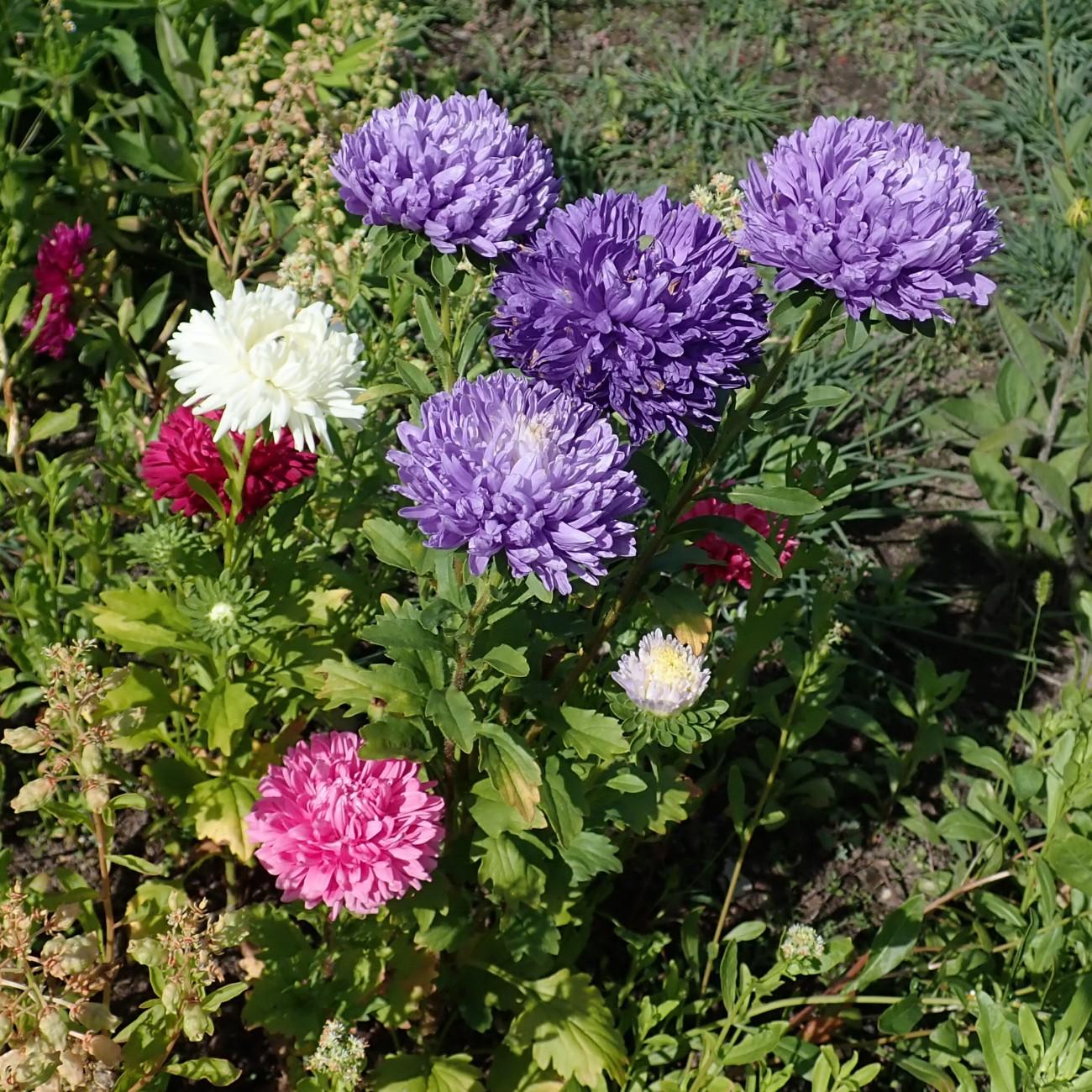
China Aster: Complete Care, Growing Guide, and Varieties
Learn how to grow and care for China aster (Callistephus chinensis), a pet-safe, full-sun flower that delivers long-lasting garden color for months.
2026-07-04 · 17 min read
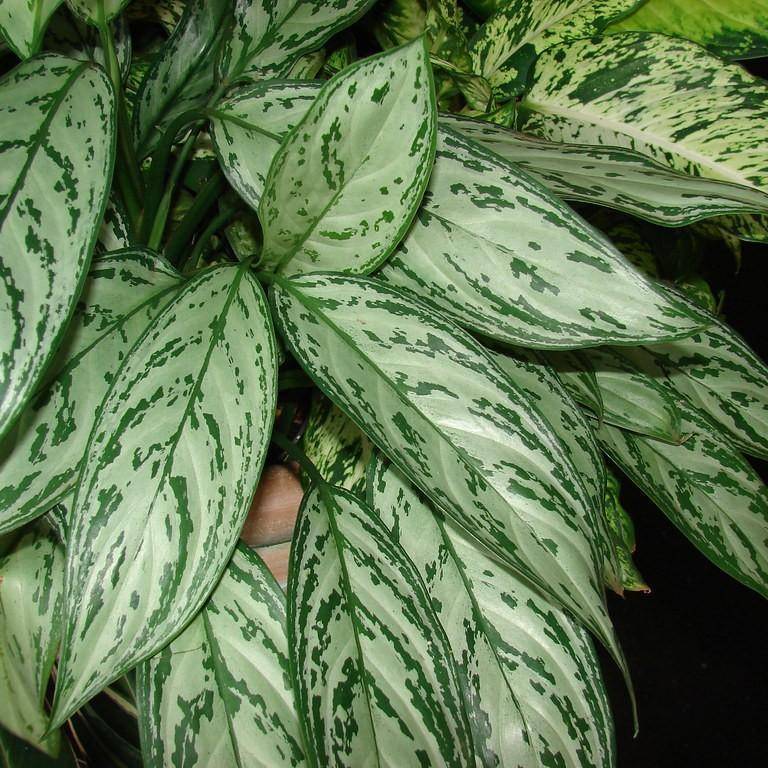
Chinese Evergreen: Care Guide, Varieties, and Growing Tips for Aglaonema
Learn how to care for Chinese evergreen (Aglaonema) houseplants, plus top varieties, troubleshooting tips, and pet safety details for this low-fuss indoor plant.
2026-07-04 · 14 min read
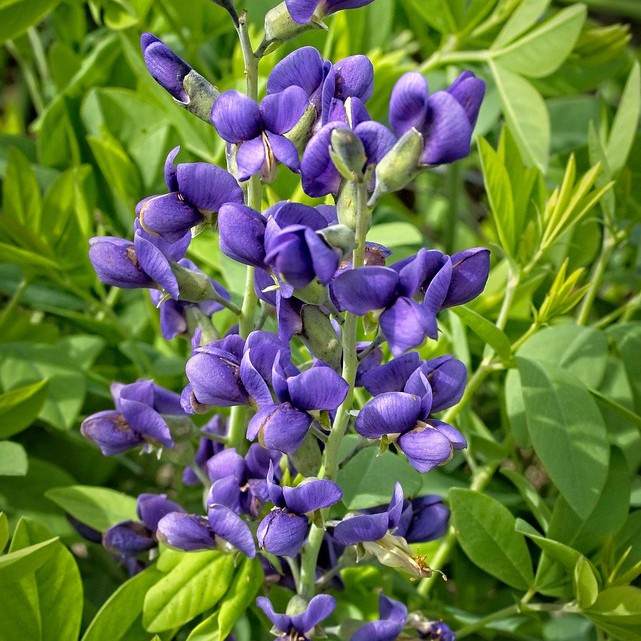
Caryopteris Clandonensis Heavenly Blue: Care, Size, and Growing Guide
Learn how to grow and care for Caryopteris Clandonensis Heavenly Blue, a pet-safe, flowering bluebeard shrub ideal for full-sun gardens.
2026-07-03 · 8 min read