Cuidado del ficus lira: la guía completa para principiantes
Domina el cuidado del ficus lira con nuestra guía apta para principiantes que cubre necesidades de luz, agua, abono, consejos de propagación y soluciones para problemas comunes para mantener tu planta sana.
Cuidado del ficus lira: la guía completa para principiantes
Con sus hojas anchas, brillantes y con forma de violín, y su hábito de crecimiento alto y elegante, el ficus lira (Ficus lyrata) se ha convertido en una de las plantas de interior de exhibición más populares para los hogares modernos. Originario de las tierras bajas tropicales de África Occidental, esta planta se adapta bien a las condiciones de interior y está clasificada como segura para mascotas, por lo que es una excelente opción para hogares con gatos o perros (puedes encontrar más opciones no tóxicas en nuestra guía de plantas de interior seguras para mascotas). Para jardineros en climas templados y cálidos, incluso se puede trasladar al exterior durante los meses de temperatura agradable para que disfrute de aire fresco y luz indirecta.
Muchos propietarios nuevos encuentran el cuidado del ficus lira intimidante al principio, ya que la planta es conocida por reaccionar fuertemente a condiciones inconsistentes. Pero con rutinas simples y constantes, puedes mantener tu ficus lira sano durante décadas. Si notas manchas inusuales en las hojas, marchitamiento u otros cambios inesperados, puedes usar la aplicación Sproutly para escanear tu ficus lira en cualquier momento para comprobar sus necesidades específicas y descartar problemas comunes. Para obtener más información sobre la especie, consulta nuestra ficha completa de la especie del ficus lira.
Cómo cuidar un ficus lira: requisitos básicos
Dominar el cuidado del ficus lira empieza por cumplir sus cinco necesidades básicas de cuidado, que imitan la luz cálida y tamizada y el suelo bien drenado de su hábitat tropical nativo. Ajustes pequeños y constantes en estas condiciones evitarán el 90% de los problemas comunes antes de que aparezcan.
Luz
Los ficus lirados necesitan entre 6 y 8 horas de luz brillante e indirecta al día para desarrollar hojas completas y sanas y evitar el crecimiento alargado y débil. El sol directo del mediodía (entre las 10 de la mañana y las 3 de la tarde) quemará las hojas, dejando marcas marrones y crujientes, mientras que la luz insuficiente causará un crecimiento lento y estirado y hojas nuevas pequeñas. El lugar ideal está a entre 1 y 1,5 metros de una ventana orientada al sur o al este, donde la luz se filtra a través de una cortina transparente. Gira tu planta un cuarto de vuelta cada mes para fomentar un crecimiento uniforme por todos lados, de modo que no se incline hacia la fuente de luz.
Riego
El exceso de riego es la causa número uno de problemas de salud en los ficus lirados, así que peca de regar poco si no estás seguro. Riega cada 2 o 3 semanas, y solo cuando los 5 o 7 centímetros superiores del sustrato estén completamente secos al tacto. Usa agua a temperatura ambiente para evitar dañar las raíces por choque térmico, y vierte lentamente sobre el sustrato hasta que el agua salga por los orificios de drenaje del fondo de la maceta. Drena el agua sobrante del plato en los 15 minutos posteriores al riego, ya que el agua estancada causa pudrición de raíces. Si te cuesta recordar tu calendario de riego, la aplicación Sproutly puede enviarte recordatorios personalizados adaptados a la temperatura y los niveles de luz de tu hogar.
Sustrato
Los ficus lirados necesitan una mezcla de sustrato para macetas bien drenada y aireada que evite que las raíces se empapen, al mismo tiempo que retiene la humedad justa para alimentar la planta. Una mezcla de sustrato para plantas de hoja verde comercial sirve, pero puedes mejorar el drenaje añadiéndole 1 parte de perlita y 1 parte de corteza de orquídea por cada 3 partes de sustrato para macetas. Evita el sustrato de jardín pesado o las mezclas con grandes cantidades de musgo de turba que retiene mucha humedad, ya que retendrán demasiada agua alrededor de las raíces.
Temperatura
Los ficus lirados prefieren temperaturas constantes entre 18 y 24 °C. Son extremadamente sensibles a los cambios bruscos de temperatura, así que evita colocarlos cerca de ventanas con corrientes de aire, puertas exteriores, rejillas de aire acondicionado o estufas. Incluso una sola corriente de aire frío de una ventana abierta en invierno puede causar una caída masiva de hojas. Si trasladas tu planta al exterior en verano, devuélvela al interior antes de que las temperaturas bajen de 13 °C, ya que la exposición al frío puede causar daños permanentes en las hojas.
Humedad
Al ser plantas tropicales, los ficus lirados prosperan en niveles de humedad moderados entre el 30 y el 60%. La mayoría de los niveles de humedad de los hogares se encuentran en este rango, pero si tu casa es muy seca (algo común en invierno con la calefacción encendida), puedes aumentar la humedad alrededor de la planta pulverizando las hojas 2 o 3 veces por semana, colocando una bandeja con piedras y agua debajo de la maceta o encendiendo un humidificador pequeño cerca. El aire seco suele manifestarse como puntas marrones y crujientes en los bordes de las hojas más viejas.
Consejo de Sproutly: Si no estás seguro de si el sustrato está lo suficientemente seco para regar, introduce un palillo de madera de 5 a 7 centímetros en el sustrato. Si sale limpio, sin restos de sustrato húmedo adherido, es momento de regar. Si observas raíces oscuras y blandas al trasplantar, sigue los pasos de nuestra guía sobre cómo arreglar la pudrición de raíces en plantas de interior para salvar tu planta antes de que el daño se extienda.
Abono para ficus lira: qué usar, cuándo y cuánto
El abono para ficus lira es una parte clave para favorecer el crecimiento de hojas grandes y frondosas y prevenir deficiencias de nutrientes que causan hojas amarillas o crecimiento atrofiado. Las plantas en maceta consumen los nutrientes de su sustrato con el tiempo, por lo que la fertilización regular reemplaza esos nutrientes perdidos para mantener tu planta creciendo fuerte.
Tipo de abono
Usa un abono equilibrado soluble en agua para plantas de interior con una proporción NPK de 3-1-2, formulado para plantas de hoja verde, o un abono equilibrado general 10-10-10. El abono granular de liberación lenta también es una opción de bajo esfuerzo para propietarios ocupados, ya que solo necesita aplicarse una vez por temporada de crecimiento. Evita abonos con niveles altos de nitrógeno, ya que pueden causar un crecimiento rápido y débil propenso a la caída de hojas.
Cuándo abonar
Solo alimenta a tu ficus lira durante su temporada de crecimiento activo, que va desde principios de primavera hasta finales de verano. Omite la fertilización por completo en otoño e invierno, cuando el crecimiento se ralentiza y los nutrientes extra pueden quemar las raíces, ya que la planta no los está usando activamente. Si trasplantaste tu planta recientemente a sustrato nuevo, espera entre 3 y 4 meses antes de abonar, ya que la mayoría de las mezclas de sustrato nuevas ya contienen nutrientes de liberación lenta.
Cuánto abono usar
Diluye el abono líquido a la mitad de la concentración recomendada en el envase y aplícalo una vez cada 4 a 6 semanas durante la temporada de crecimiento. Para abono granular de liberación lenta, sigue las instrucciones del envase según el tamaño de tu maceta y mézclalo en los 2,5 a 5 centímetros superiores del sustrato al principio de la primavera. Nunca abones una planta seca, ya que puede quemar las puntas de las raíces; riega ligeramente tu ficus lira primero antes de aplicar el abono.
Si observas puntas marrones en las hojas poco después de abonar, es posible que hayas usado una concentración demasiado fuerte. Lava el sustrato vertiendo agua limpia por la maceta durante 2 o 3 minutos para eliminar el exceso de nutrientes y omite la siguiente sesión de abonado. Si no estás seguro de si las hojas amarillas se deben a falta de abono, exceso de riego u otro problema, escanea tu planta en la aplicación Sproutly para obtener un diagnóstico personalizado.
Propagación del ficus lira: 2 métodos sencillos para principiantes
La propagación del ficus lira te permite cultivar nuevas plantas a partir de esquejes de tu planta madura existente, de forma gratuita. También es una excelente manera de reutilizar los recortes de la poda, o de acortar una planta alta y débil sin desperdiciar el crecimiento superior sano. La propagación tiene más éxito en primavera o principios de verano, cuando la planta está creciendo activamente y las raíces se desarrollan más rápido.
Método 1: Propagación por esqueje de tallo
Este es el método más sencillo para principiantes y funciona para esquejes más pequeños de tallos laterales sanos.
- Usa tijeras de podar limpias y afiladas para cortar una sección de tallo de 15 a 20 centímetros de una parte sana de tu ficus lira, asegurándote de que el esqueje tenga entre 2 y 3 hojas completamente formadas adheridas. Limpia las tijeras con alcohol isopropílico antes de cortar para evitar la propagación de enfermedades.
- Retira la hoja más baja del esqueje para exponer el nudo: la pequeña protuberancia donde la hoja se unía al tallo, que es donde crecerán las nuevas raíces.
- Coloca el esqueje en un frasco limpio con agua a temperatura ambiente, asegurándote de que el nudo esté completamente sumergido pero las hojas restantes estén por encima del agua para evitar la pudrición.
- Coloca el frasco en un lugar con luz brillante e indirecta y cambia el agua cada 3 o 4 días para prevenir el crecimiento de bacterias. Es posible que veas pequeños brotes de raíces blancas formándose tan pronto como a las 2 semanas.
- Una vez que las raíces midan entre 5 y 7 centímetros de largo (generalmente después de 4 a 6 semanas), puedes plantar el esqueje en sustrato para ficus lira bien drenado y cuidarlo de la misma manera que lo harías con una planta madura.
Método 2: Acodo aéreo
Este método es ideal para ficus lirados altos y débiles que quieras acortar sin eliminar la parte superior completamente antes de que se formen las raíces. Tiene una tasa de éxito más alta que los esquejes de tallo para tallos más grandes y gruesos.
- Haz un pequeño corte ascendente de 2,5 centímetros en el tallo de tu planta, aproximadamente entre 30 y 45 centímetros por debajo del crecimiento superior. No cortes el tallo completamente.
- Introduce un pequeño palillo de dientes horizontalmente por el corte para mantenerlo abierto, de modo que el tallo no se cicatrice.
- Envuelve la zona del corte firmemente con musgo de esfagno húmedo, asegurándote de cubrir todo el corte y el tallo circundante. Escurre el exceso de agua del musgo primero, de modo que esté húmedo pero no empapado.
- Cubre el musgo con film transparente para retener la humedad y asegura la parte superior e inferior del plástico con bridas para evitar que se seque.
- Una vez que veas que las raíces crecen a través del musgo (después de 6 a 8 semanas), corta el tallo por debajo de la sección enraizada, retira el plástico y planta la nueva planta en sustrato bien drenado. El tallo restante de tu planta original crecerá nuevas ramas laterales desde el punto de corte con el tiempo.
Las nuevas plantas propagadas necesitan el mismo cuidado constante de ficus lira que las plantas maduras para establecerse bien. Puedes usar Sproutly para seguir el crecimiento de tu nuevo esqueje y su calendario de cuidado, para que nunca te olvides de un riego o una sesión de abonado mientras enraíza y se adapta a su nueva maceta.
Poda y trasplante de tu ficus lira
La poda y el trasplante regulares son tareas de mantenimiento sencillas que favorecen la salud a largo plazo del ficus lira, fomentan un crecimiento más frondoso y previenen el estrés por estar enraizado en una maceta demasiado pequeña.
Poda
Poda tu ficus lira a principios de primavera, antes de que empiece el nuevo crecimiento. Elimina las hojas muertas, amarillas o dañadas cortándolas por la base de su tallo, ya que no se recuperarán y consumirán energía que la planta podría destinar al nuevo crecimiento. Si tu planta está creciendo demasiado alta para tu espacio, o tiene un crecimiento alargado y débil, puedes cortar los 10 o 15 centímetros superiores del tallo principal para activar la ramificación lateral, lo que creará una planta más completa y frondosa con el tiempo. Usa siempre tijeras limpias y afiladas para evitar desgarrar el tallo o propagar enfermedades, y limpia las hojas con alcohol isopropílico entre corte y corte.
Trasplante
Los ficus lirados jóvenes crecen rápido y pueden necesitar trasplante cada 1 o 2 años, mientras que las plantas maduras solo necesitan trasplante cada 2 o 3 años, o cuando veas que las raíces salen por los orificios de drenaje de la maceta o rodean la superficie del sustrato. Elige una maceta nueva que sea entre 5 y 7,5 centímetros más grande de diámetro que la actual y asegúrate de que tenga orificios de drenaje. Trasplanta en primavera, aflojando suavemente el cepellón con los dedos antes de colocarlo en la nueva mezcla de sustrato. Riega ligeramente después del trasplante y evita abonar durante 3 meses para que las raíces se recuperen. No trasplantes una planta estresada (por ejemplo, una que haya sufrido recientemente un exceso de riego o una caída de hojas) hasta que se haya recuperado, ya que el trasplante añadirá estrés adicional.
Problemas comunes del ficus lira y cómo solucionarlos
Incluso con un cuidado constante, los ficus lirados pueden desarrollar problemas cuando las condiciones cambian de forma inesperada. A continuación se presentan los problemas más comunes y soluciones sencillas para devolver la salud a tu planta.
Hojas amarillas
Las hojas amarillas se deben casi siempre a un exceso de riego. Comprueba si el sustrato está empapado entre 5 y 7 centímetros por debajo de la superficie y detén los riegos hasta que los 7,5 centímetros superiores estén completamente secos. Si el problema persiste, es posible que tengas que trasplantar la planta a sustrato nuevo y seco para prevenir la pudrición de raíces. Las hojas amarillas con bordes marrones también pueden ser un signo de demasiado sol directo o de deficiencia de nutrientes (si no has abonado en más de 6 meses durante la temporada de crecimiento).
Puntas marrones en las hojas
Las puntas de las hojas marrones y crujientes suelen deberse a una humedad baja o a un exceso de abono. Prueba a pulverizar las hojas regularmente o a usar un humidificador para aumentar la humedad alrededor de la planta, y lava el sustrato con agua limpia si crees que has usado demasiado abono. Las puntas marrones solo en las hojas inferiores más viejas son una parte normal del crecimiento, y puedes podarlas si prefieres una apariencia más ordenada.
Caída de hojas
La caída repentina de hojas se debe casi siempre a estrés ambiental: cambios bruscos de temperatura, corrientes de aire, traslado de la planta a un lugar nuevo o un cambio grande en los niveles de luz. A los ficus lirados no les gustan los cambios, así que intenta mantener tu planta en un lugar constante y evita moverla a menos que sea absolutamente necesario. Si la tienes que mover, dale de 2 a 3 semanas para adaptarse y evita regar en exceso o abonar durante ese tiempo. La mayoría de las plantas dejarán de caer hojas una vez que se aclimaten a las nuevas condiciones.
Plagas
Los ficus lirados pueden sufrir ocasionalmente ácaros rojos o cochinillas algodonosas, especialmente si se colocan cerca de otras plantas infestadas. Limpia las hojas con un paño húmedo regularmente para prevenir las plagas e inspecciona la parte inferior de las hojas cada mes para detectar pequeñas telarañas o insectos blancos y algodonosos. Trata las infestaciones con aceite de neem o jabón insecticida, aplicado cada 7 a 10 días hasta que las plagas desaparezcan.
Si no estás seguro de qué está causando el problema de tu planta, escanéala con la aplicación Sproutly para obtener un diagnóstico personalizado y una solución de cuidado adaptada a tu planta específica y a las condiciones de tu hogar.
Preguntas frecuentes
¿Son seguros los ficus lirados para gatos y perros?
Sí, los ficus lirados están clasificados como seguros para mascotas, por lo que son una excelente opción para hogares con mascotas curiosas. Como con cualquier planta, sigue siendo una buena idea desalentar la masticación excesiva, ya que grandes cantidades de cualquier material vegetal pueden causar malestar estomacal leve en las mascotas.
¿Puedo poner mi ficus lira en el exterior?
Puedes trasladar tu ficus lira al exterior en climas templados y cálidos donde las temperaturas se mantengan entre 18 y 24 °C, y colócalo en un lugar con luz brillante e indirecta (evita el sol directo del mediodía). Devuélvela al interior antes de que las temperaturas bajen de 13 °C, ya que el clima frío puede dañar la planta.
¿Por qué mi ficus lira crece débil y con hojas pequeñas?
El crecimiento débil y alargado y las hojas pequeñas se deben casi siempre a luz insuficiente. Traslada tu planta a un lugar más luminoso con más luz indirecta y poda el crecimiento superior débil para fomentar un crecimiento más completo y frondoso con el tiempo.
¿Qué tamaño alcanzan los ficus lirados en interior?
Cuando reciben un cuidado constante, los ficus lirados de interior pueden crecer hasta 3 metros de alto en varios años. Puedes controlar su tamaño podando el crecimiento superior regularmente si prefieres una planta más pequeña y frondosa.
¿Listo para eliminar las conjeturas del cuidado del ficus lira? Prueba Sproutly hoy mismo para obtener recordatorios de cuidado personalizados, identificación instantánea de plantas y resolución de problemas personalizada para todas tus plantas de interior. Descarga la aplicación ahora en heysproutly.com para ayudar a tu ficus lira (y a todas las demás plantas de tu colección) a prosperar.
Lecturas relacionadas
Más guías que podrían interesarte
Plant Games: 25+ Best Options for Casual Play, Learning, and Plant Lovers
Explore the best plant games for mobile, desktop, and console, including casual picks, learning-focused titles, and cozy options for every type of plant enthusiast.
2026-07-27 · 17 min read
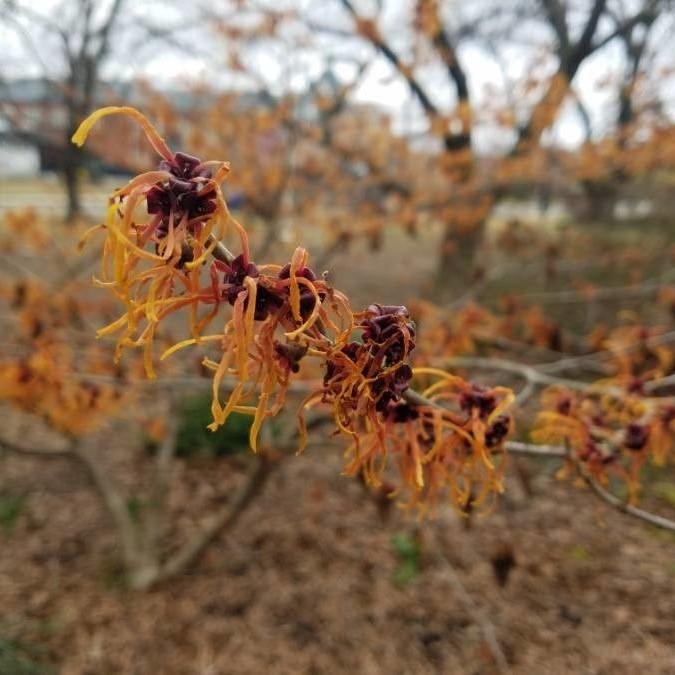
Hamamelis Mollis (Chinese Witch Hazel): Complete Grow & Care Guide
Learn to grow, care for, and enjoy Hamamelis mollis (Chinese witch hazel), a fragrant winter-blooming shrub with vibrant autumn foliage for temperate gardens.
2026-07-26 · 12 min read
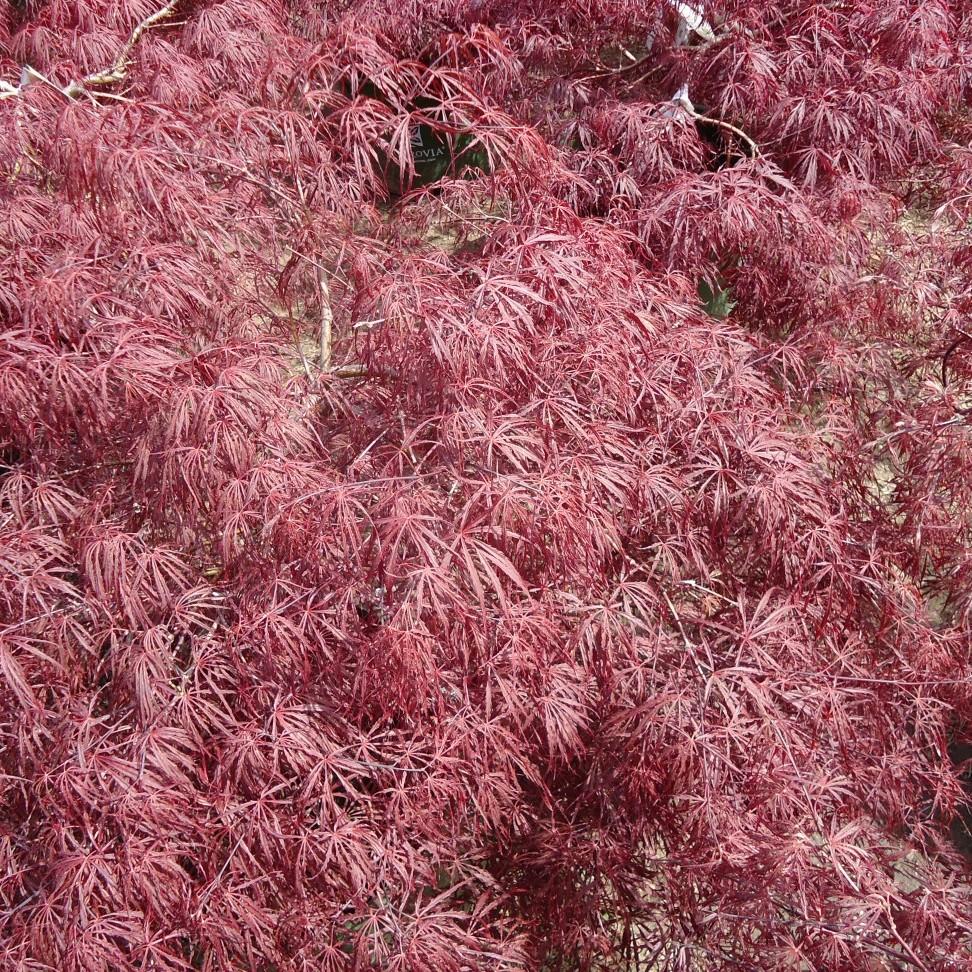
Japanese Maple Plant Description: Key Details for Iijima Sunago, Select Red, and Popular Cultivars
Get clear, beginner-friendly descriptions of Japanese maple trees, including specific details for Iijima Sunago and Select Red cultivars, plus care and pruning tips.
2026-07-26 · 8 min read