La mejor tierra para ficus lyrata: recomendaciones expertas de mezclas y consejos de compra
Encuentra la mejor tierra para tus plantas de ficus lyrata, además de opciones de mezclas comerciales y caseras para mantener tu ficus sano y con un crecimiento óptimo.
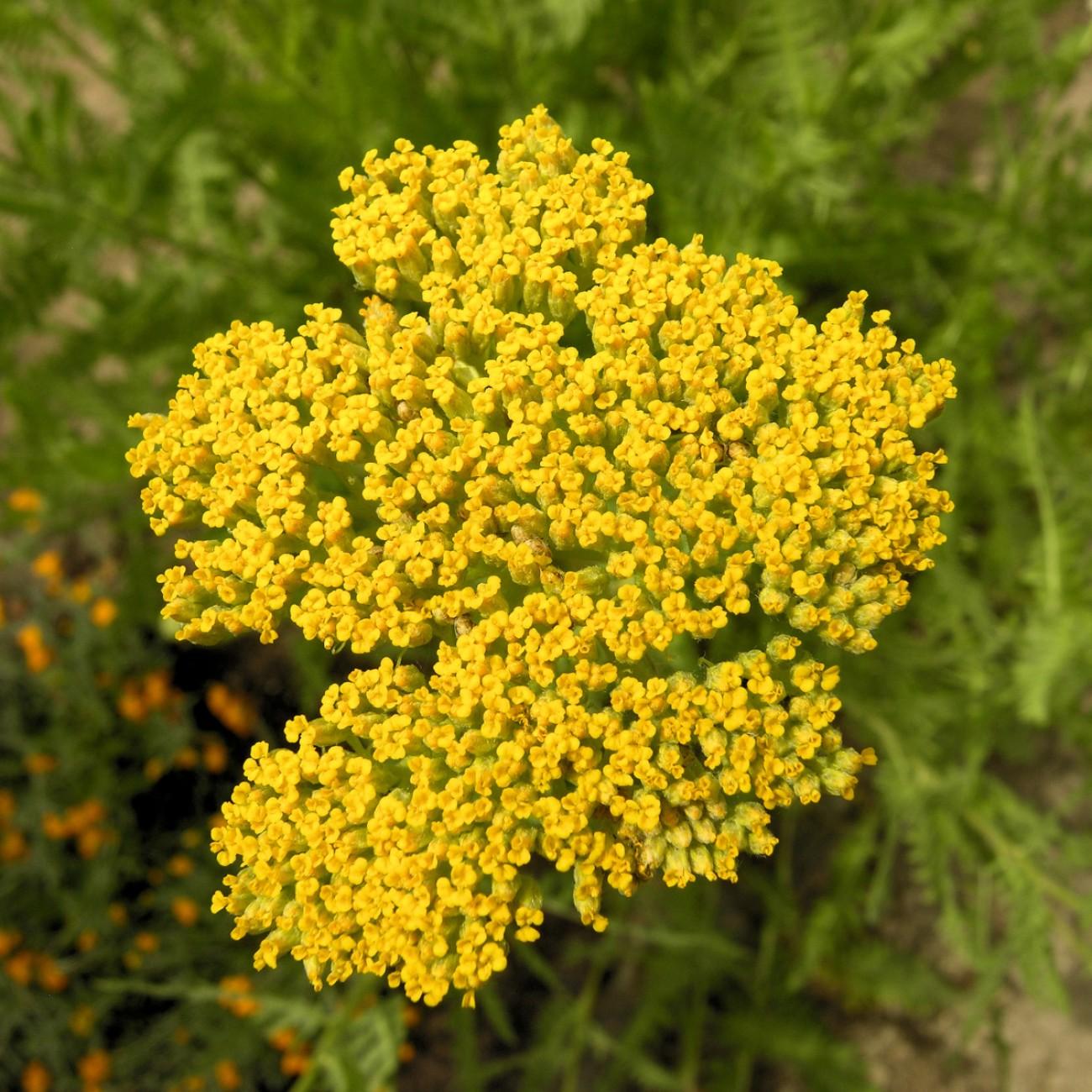
La mejor tierra para ficus lyrata: recomendaciones expertas de mezclas y consejos de compra
La mejor tierra para las plantas de ficus lyrata es una mezcla bien drenada y rica en nutrientes con un pH de 6,0 a 7,0 que prevenga la pudrición de raíces al mismo tiempo que retiene la humedad suficiente para favorecer un crecimiento constante. Puedes elegir mezclas comerciales ya preparadas formuladas para plantas de ficus, o preparar tu propia mezcla casera con ingredientes básicos adaptados a la humedad y el clima de tu hogar.
¿Cuál es la mejor tierra para las plantas de ficus lyrata?
La mejor tierra para las plantas de ficus lyrata equilibra el drenaje, la aireación y el contenido de nutrientes para coincidir con las condiciones de crecimiento de su hábitat nativo en el sotobosque tropical. No se compacta fácilmente después de meses de riegos e incluye nutrientes de liberación lenta que alimentan la planta durante 3 a 6 meses sin necesidad de fertilización adicional. Si no estás seguro de si tu tierra actual cumple estos requisitos, usa la aplicación Sproutly para escanear tu planta y obtener recomendaciones de tierra personalizadas adaptadas a su estado de salud.
Características clave que debes priorizar:
- Textura porosa y suelta que no se compacte con el tiempo
- Contenido de nutrientes de liberación lenta para alimentar la planta durante 3 a 6 meses
- Buen drenaje para evitar el agua estancada alrededor de las raíces
Para obtener una guía más general sobre las necesidades de luz, agua y temperatura de esta especie, consulta nuestra guía completa de cuidados del ficus lyrata. Ten en cuenta que los ficus lyrata son seguros para mascotas, por lo que son una excelente opción para hogares con gatos o perros, y puedes encontrar más opciones no tóxicas en nuestra lista de plantas de interior seguras para mascotas para tu hogar.
Mezcla de tierra para ficus lyrata: ingredientes básicos para mezclas comerciales y caseras
Una mezcla de tierra para ficus lyrata de alta calidad combina tierra para macetas base con enmiendas que mejoran el drenaje y la aireación, evitando la tierra de jardín pesada de uso general que retiene demasiada humedad. Las mezclas comerciales enumeran estos ingredientes claramente en el envase, mientras que las mezclas caseras se pueden personalizar según el clima local y los niveles de humedad interior para adaptarse a las necesidades únicas de tu planta.
Componentes estándar de la mezcla:
- 50% de turba o fibra de coco para la retención de humedad
- 30% de perlita o piedra pómez para el drenaje y la aireación
- 20% de compost o humus de lombriz para aportar nutrientes de liberación lenta
Para climas secos o hogares con calefacción de aire forzado, agrega un 10% extra de fibra de coco para retener más humedad entre riegos. Para climas húmedos o hogares con mala circulación de aire, agrega un 10% extra de perlita para acelerar el drenaje y reducir el riesgo de pudrición de raíces.
Cómo comprar tierra comercial para ficus lyrata
Al comprar mezcla de tierra para ficus lyrata ya preparada, busca productos que indiquen en la etiqueta que son recomendados para ficus o para ficus lyrata, y revisa los detalles de la garantía o las políticas de devolución para proteger tu compra. La mayoría de las mezclas comerciales de alta calidad se elaboran en los Estados Unidos y vienen preajustadas al rango de pH ideal para los ficus lyrata, por lo que no necesitarás modificarlas antes de trasplantar.
Consejos de compra a priorizar:
- Busca opciones que incluyan una garantía de producto de 1 año si está disponible, para cubrir cualquier defecto en la mezcla, y considera comprar una garantía de planta de 1 año independiente para una protección adicional en plantas de alto valor
- Evita las mezclas con cristales de retención de agua añadidos, ya que pueden retener demasiada humedad y causar pudrición de raíces
- Revisa las opiniones de otros usuarios para confirmar que la mezcla no se compacta fácilmente después de unos meses de riegos regulares
- Verifica que la lista de ingredientes coincida con los componentes básicos descritos anteriormente, para asegurarte de que estás obteniendo una mezcla que favorece la salud radicular a largo plazo
Consejos para el cultivo de ficus lyrata después del trasplante
Después de trasplantar tu ficus lyrata a tierra nueva, espera 2 o 3 días antes de regar para dar tiempo a que las raíces dañadas se cicatricen y evitar la pudrición. Coloca la planta en luz brillante indirecta durante las primeras 2 semanas después del trasplante para reducir el estrés, y evita fertilizarla durante 3 meses si tu mezcla de tierra ya incluye nutrientes de liberación lenta. Si necesitas una guía paso a paso para cambiar tu planta de maceta, lee nuestra guía sobre cómo trasplantar una planta de interior sin dañarla.
Consejos rápidos de cuidados después del trasplante:
- Mantén la temperatura de la habitación entre 18 °C y 24 °C para favorecer el crecimiento de nuevas raíces
- Rocía las hojas 1 o 2 veces por semana si la humedad interior es inferior al 40%
- Usa la aplicación Sproutly para seguir el crecimiento de tu planta y detectar signos tempranos de estrés como hojas amarillentas o tallos caídos
Preguntas frecuentes
¿Necesito una mezcla de tierra especial para ficus lyrata o puedo usar tierra para macetas de uso general?
La tierra para macetas de uso general suele ser demasiado pesada y retiene mucha humedad para los ficus lyrata, que son propensos a la pudrición de raíces. Si solo tienes mezcla de uso general, enmiéndala con un 30% de perlita o piedra pómez para mejorar el drenaje antes de usarla para tu ficus lyrata.
¿Con qué frecuencia debo cambiar la tierra de mi ficus lyrata?
Cambia la tierra de tu ficus lyrata cada 1 o 2 años, o cuando notes que la tierra está compactada, drena lentamente o tiene un olor agrio. Los ficus lyrata jóvenes de crecimiento rápido pueden necesitar un trasplante con tierra nueva una vez al año, mientras que las plantas maduras pueden pasar 2 años entre cambios de tierra.
¿Puedo usar tierra para cactus para mi ficus lyrata?
La tierra para cactus drena muy bien, pero no retiene suficiente humedad ni nutrientes para las necesidades de un ficus lyrata. Puedes mezclar tierra para cactus a partes iguales con tierra para macetas normal y un puñado de compost para crear una mezcla adecuada, o busca una mezcla formulada específicamente para plantas de ficus.
Prueba Sproutly
¿Necesitas ayuda para identificar el estrés relacionado con la tierra en tu ficus lyrata, o quieres recordatorios de cuidados personalizados adaptados al entorno específico de tu planta? La aplicación Sproutly puede identificar tu planta, detectar signos tempranos de deficiencias de nutrientes o riego excesivo y ayudarte a ajustar tu rutina de cuidados para que tu ficus lyrata se mantenga saludable. Descarga Sproutly hoy mismo para que el cuidado de las plantas sea sencillo.
Lecturas relacionadas
Más guías que podrían interesarte
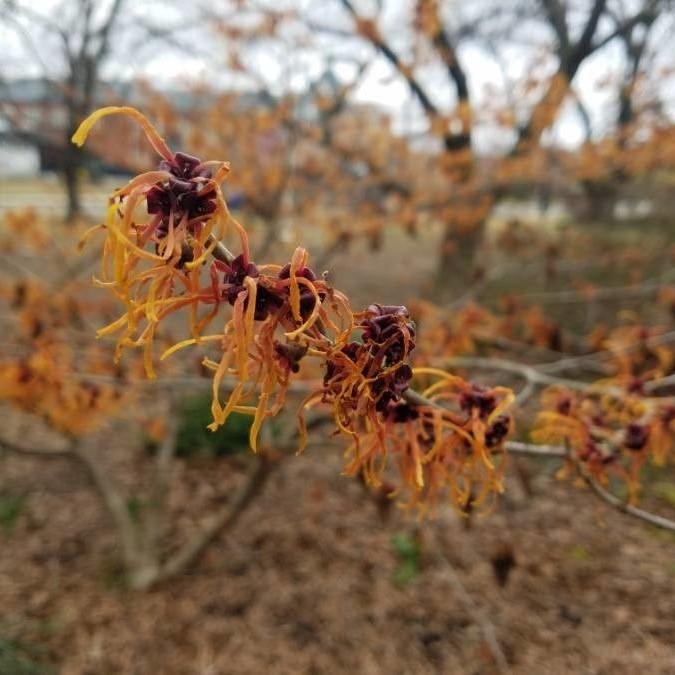
Hamamelis Mollis (Chinese Witch Hazel): Complete Grow & Care Guide
Learn to grow, care for, and enjoy Hamamelis mollis (Chinese witch hazel), a fragrant winter-blooming shrub with vibrant autumn foliage for temperate gardens.
2026-07-26 · 12 min read
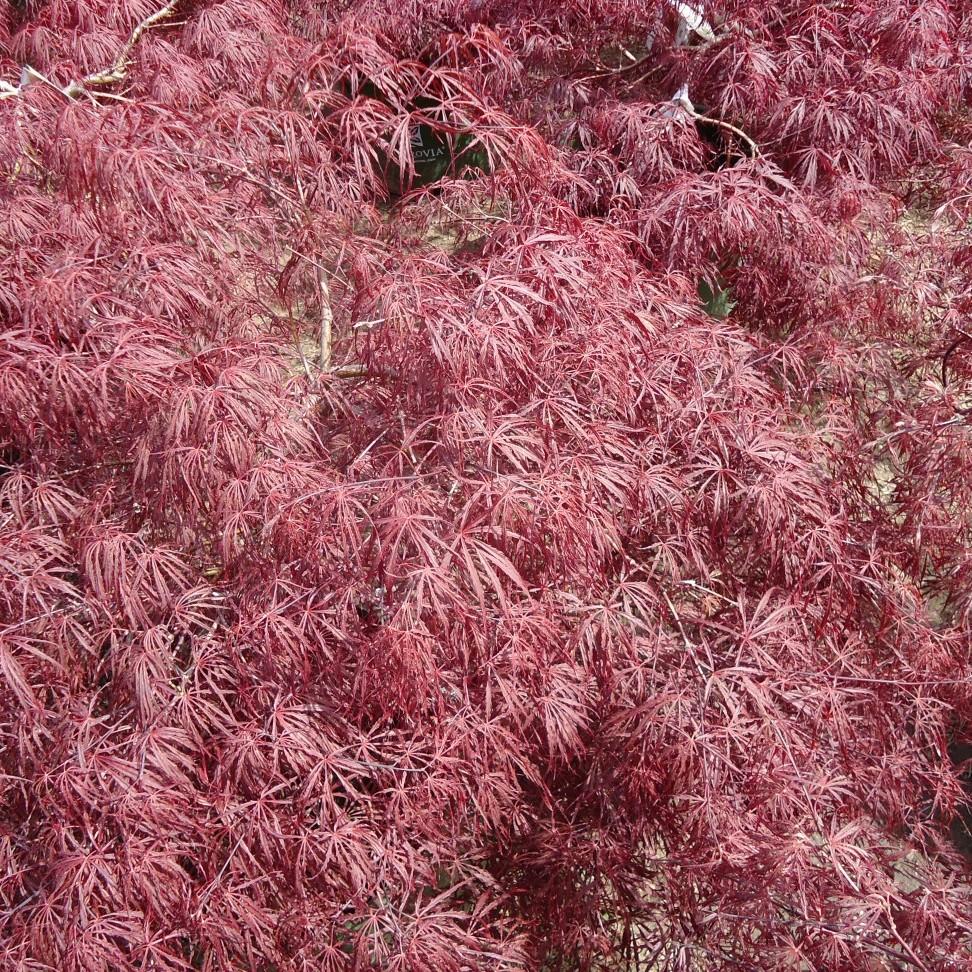
Japanese Maple Plant Description: Key Details for Iijima Sunago, Select Red, and Popular Cultivars
Get clear, beginner-friendly descriptions of Japanese maple trees, including specific details for Iijima Sunago and Select Red cultivars, plus care and pruning tips.
2026-07-26 · 8 min read
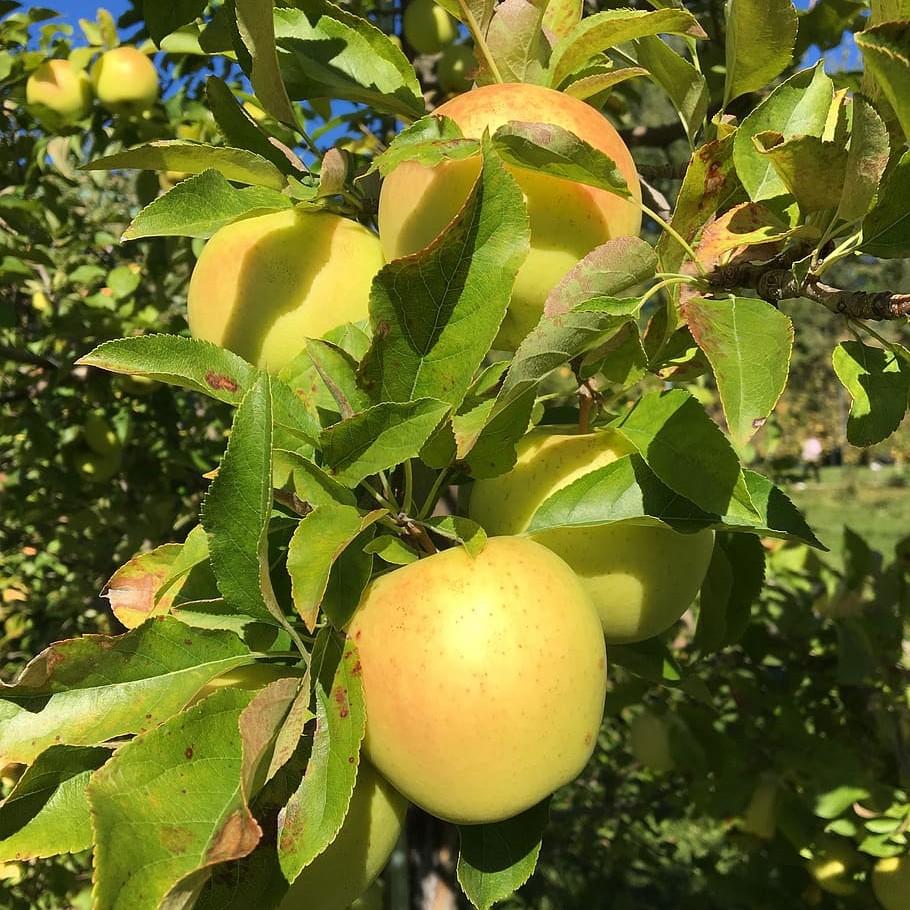
Flowering Crabapple: Grow Guide, Cultivars, and Landscape Uses
Learn to grow and care for flowering crabapple trees, with tips on cultivar selection, bloom care, disease resistance, and using their edible fruit and seasonal foliage.
2026-07-25 · 11 min read