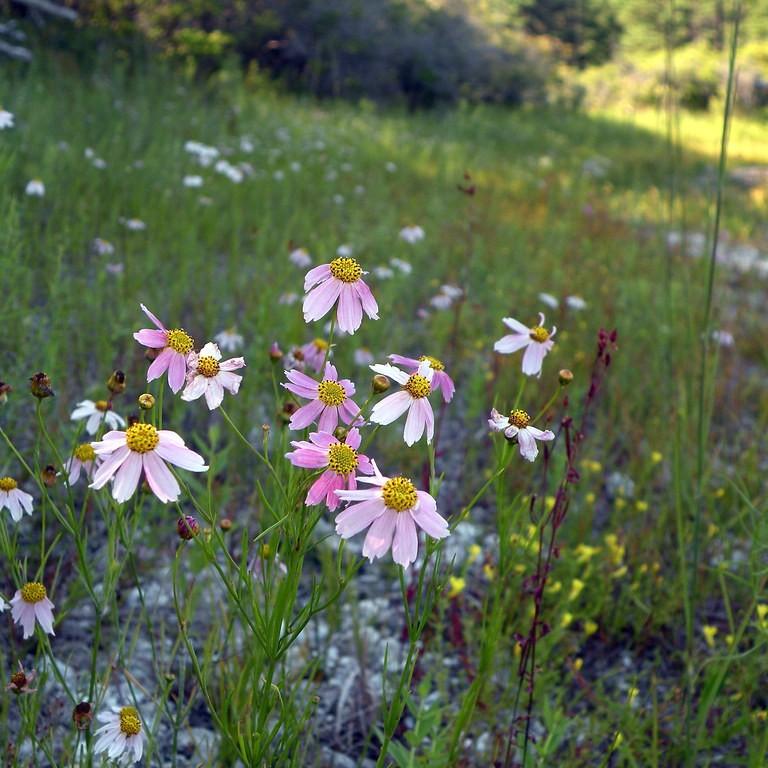
tickseed
Coreopsis rosea
Overview
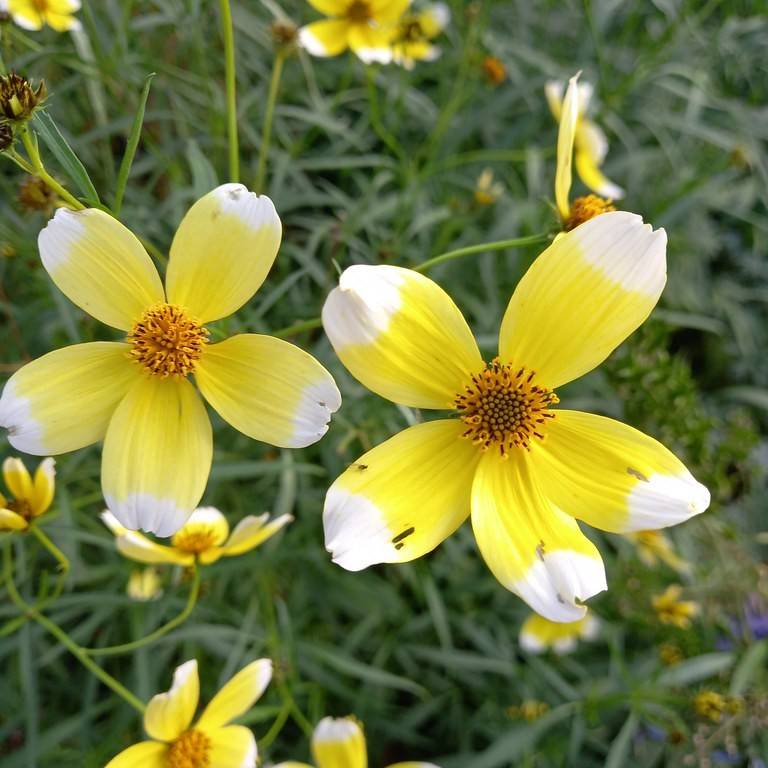
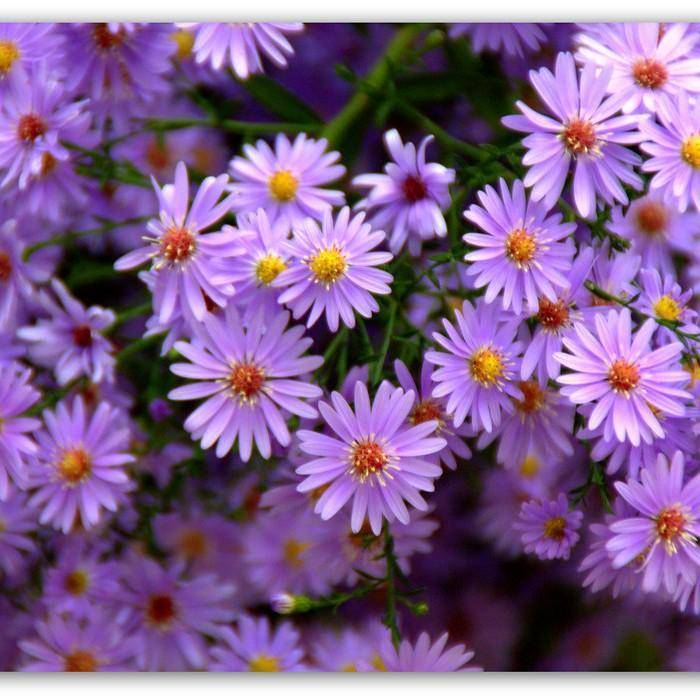
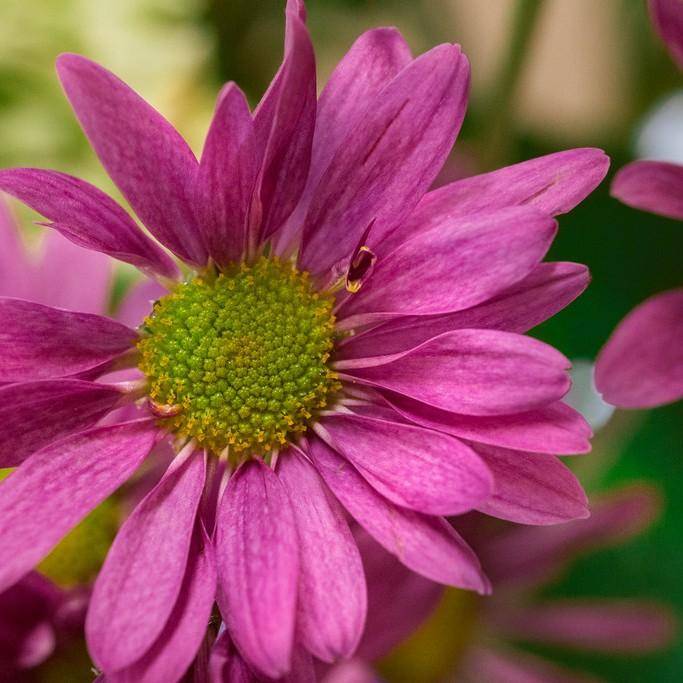
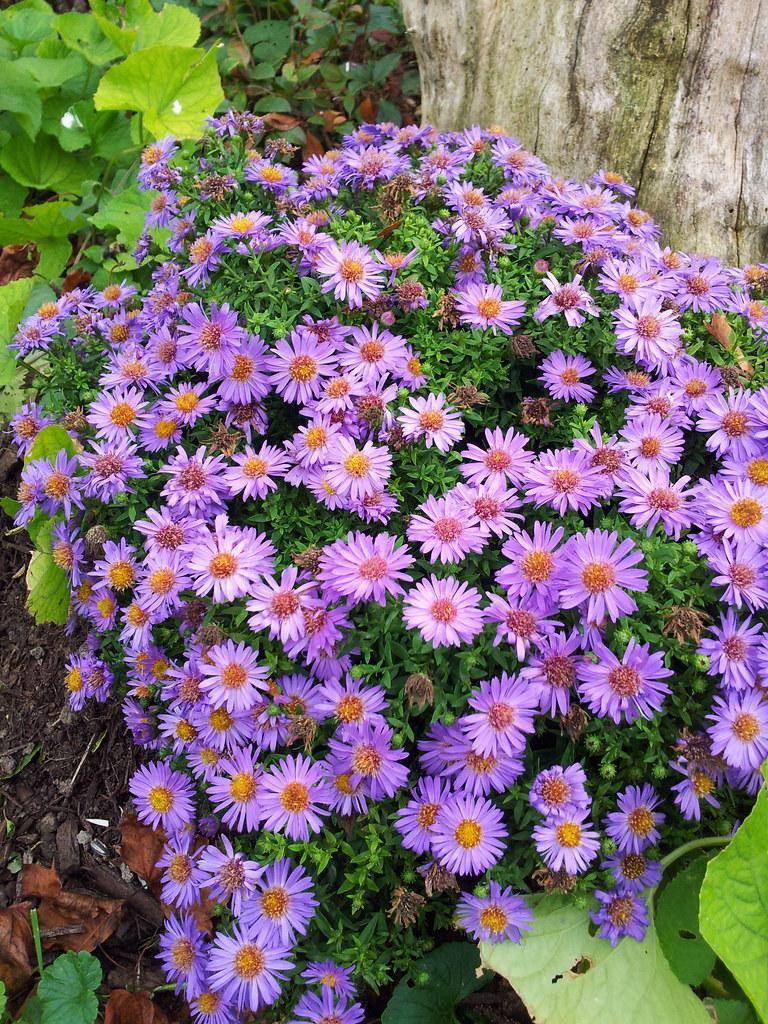
Tickseed (Coreopsis rosea) is an amazing plant species. Its cheery and dramatic deep rose-pink blooms are a sight to behold, creating a vibrant carpet of petals from summer to autumn. Easy-to-care for, it is drought tolerant and prefers a sunny site with well-drained soil. It also attracts action-packed pollinators, including bees, butterflies and hummingbirds. Excellent at adding interest to garden beds and borders, it can be sown directly outdoors or grown in containers. Thriving in almost any soil, this striking plant is a must have for any budding gardener.
Care Guide
Watering
When watering Coreopsis rosea, allow the soil to dry out between waterings. During the cooler months, water the plant once the soil feels dry to the touch. During the warmer months, water the plant an average of once a week or whenever the soil begins to feel dry. However, avoid overwatering the plant as this could cause rot and root damage. To check if the plant needs water, stick your finger in the soil about an inch or 2 beneath the surface. If it feels dry, it’s time to water your tickseed. It is important to note that the need for water may increase if the plant is in a very hot or windy environment.
Light
Tickseed is hardy in USDA hardiness zones 4-9 and grows best in partial sun or full sun locations. Plants with 6 to 8 hours of direct sunlight each day will have the best flowering. Plants placed in a location that receives less sunlight will often not flower or will produce fewer blossoms. While too much sunlight is not a problem, shade during the heat of the day will result in better flowering.
Soil
Sandy Rocky
Temperature
Hardiness zone 3–8.
Pruning
Tickseeds should be pruned twice a year, once in the spring and once in early summer. In the spring, deadheading (or pruning) is recommended. This is done by lightly trimming the spent blooms to encourage further blooming and healthy growth. Early summer pruning should focus on shape and size. Lightly prune off any dead growth and remove up to 1-third of the plant. Note that Tickseed plants can be cut back as much as 80% and still recover with healthy new growth.
Propagation
Seed Propagation
Uses & Symbolism
Attracts: Butterflies.
Diseases & Pests
Common pests: Fungal leaf spot, Rust, Slugs, snails, Deer resistant, Drought resistant .
Guides that mention tickseed
Related plants
Other plants you might like if you grow tickseed.