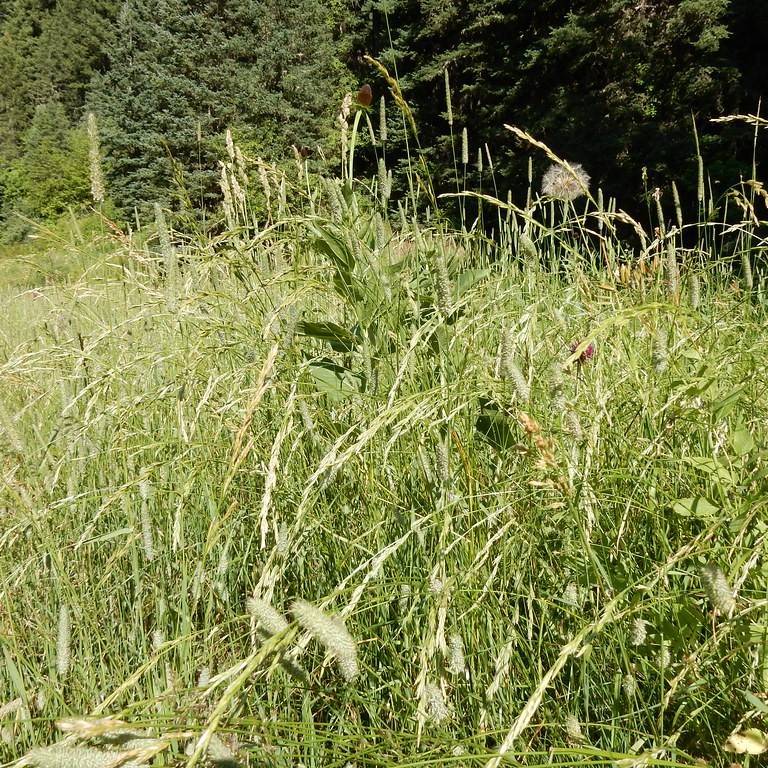
tall fescue
Festuca arundinacea 'Jaguar 3'
Overview
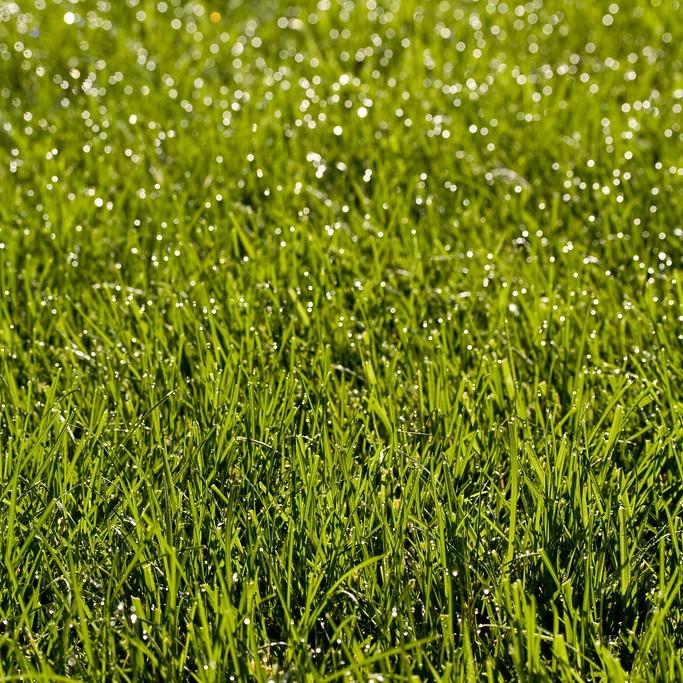
Tall Fescue (Festuca arundinacea 'Jaguar 3') is an amazing plant species. It is extremely drought tolerant, can take slightly acidic conditions, and can tolerate heat and humidity. Its dense gray-green blades look great with a lush texture and are easy to maintain. It also has a high tolerancy to disease and pests, making it ideal for those who want a low maintenance and aesthetically pleasing lawn. Jaguar 3 maintains an incredible appearance year-round and grows well in full sun to partial shade. Its improved performance over other Fescue varieties makes it an ideal choice for a wide range of landscapes.
Care Guide
Watering
Tall fescue (Festuca arundinacea 'Jaguar 3') needs to be watered approximately once a week and should receive 1-2 inches of water. The best way to do this is to soak the soil thoroughly and then allow it to slightly dry out before watering again. Watering too frequently can cause root rot, so try to stick to the once weekly watering schedule. During the summer, hot days may require additional watering, however, it is important not to overdo it. If the soil stays too wet for too long, it can become waterlogged and suffocate the roots of the plants.
Light
Tall fescue (Festuca arundinacea 'Jaguar 3') does best in full sunlight, meaning at least 6-8 hours of direct sunlight each day. In areas that receive more than 8 hours of direct sunlight a day, tall fescue will benefit from a few hours of partial shade in the afternoon. Generally, the more sun it receives, the better it will grow and produce its attractive foliage. Tall fescue has a higher tolerance for sun than some other grasses, allowing it to thrive in sunnier climates.
Temperature
Hardiness zone 3–6.
Pruning
Tall fescue should be pruned in late spring, or specifically between April and June, unless the weather remains cool during that time. During this pruning season, it is best to cut away up to 1-third of the height of the grass clumps. Pruning can be continued over the summer months if necessary, but should be avoided in late summer and early fall when the grass is going to seed or undergoing dormancy. Pruning in late summer and early fall may reduce the plant's vigor, leading to poor performance and increased susceptibility to disease.
Propagation
Seed Propagation, Stolon, Crown Division, Vegetative Plugging
Diseases & Pests
Common pests: Fungal leaf spot, Rust.
Related plants
Other plants you might like if you grow tall fescue.
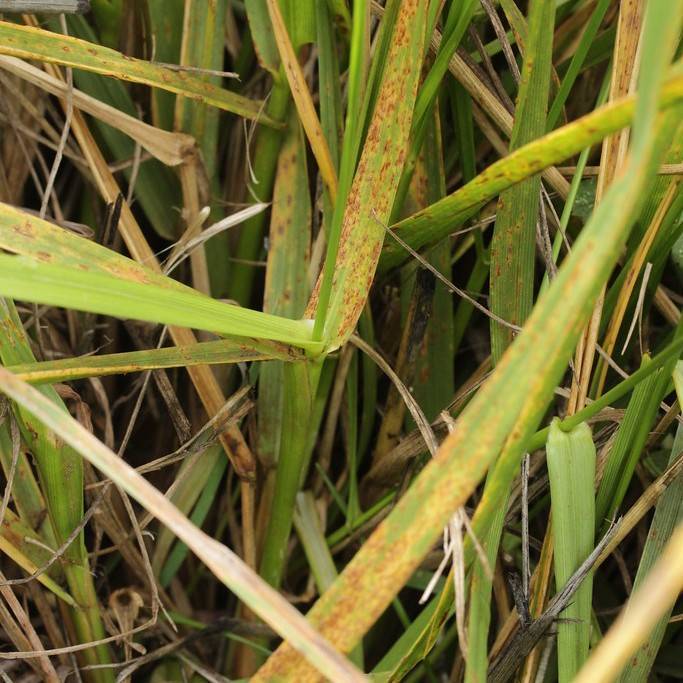
tall fescue
Festuca arundinacea 'Black Beauty'
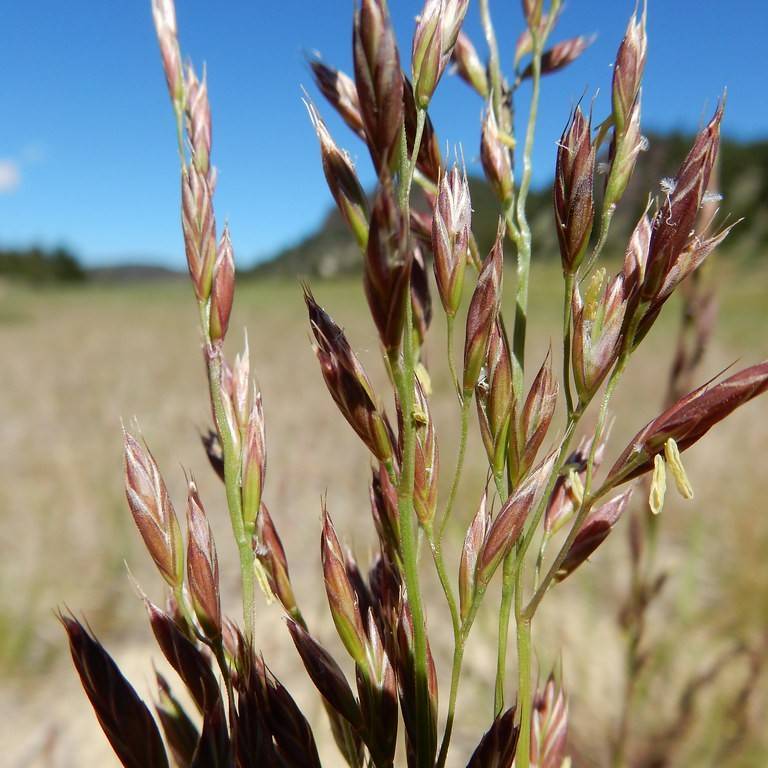
tall fescue
Festuca arundinacea 'Dense Shade Mix'
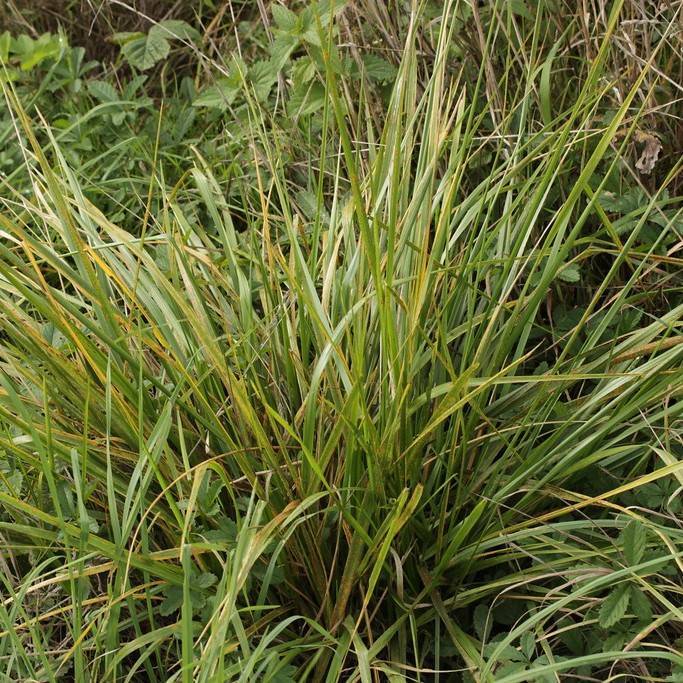
tall fescue
Festuca arundinacea 'Kentucky 31'
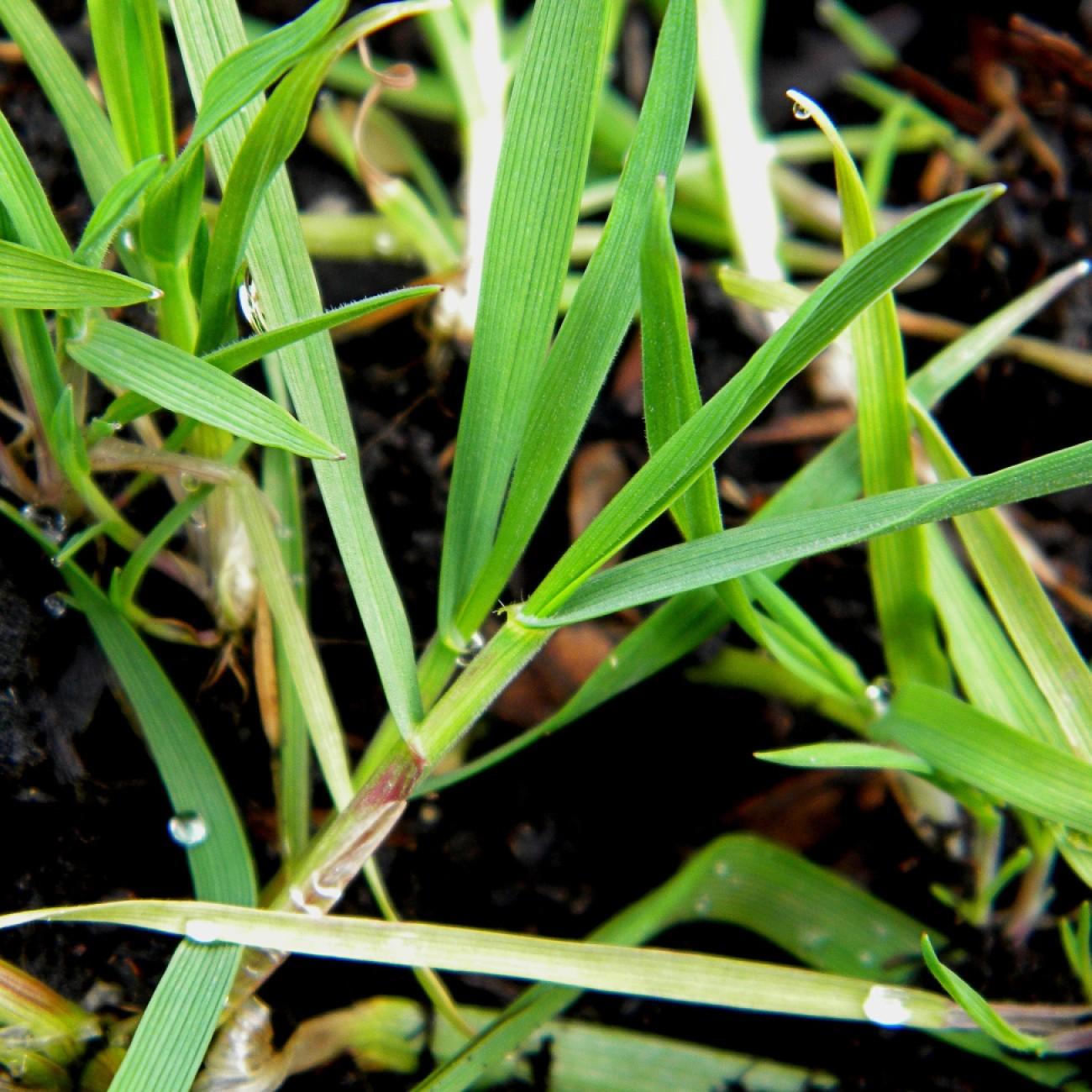
tall fescue
Festuca arundinacea (mix)
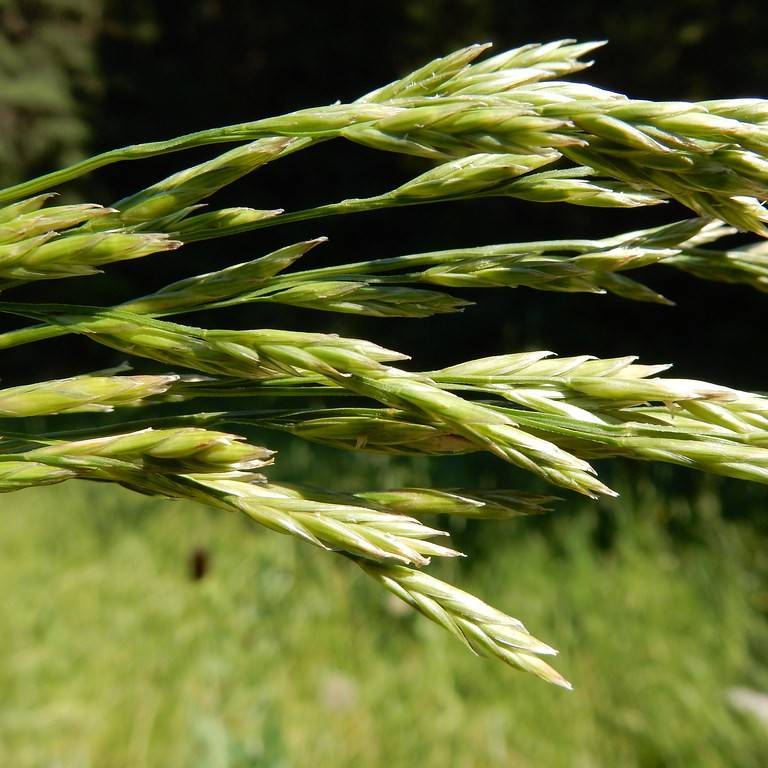
tall fescue
Festuca arundinacea PROSCAPE WINNING COLORS
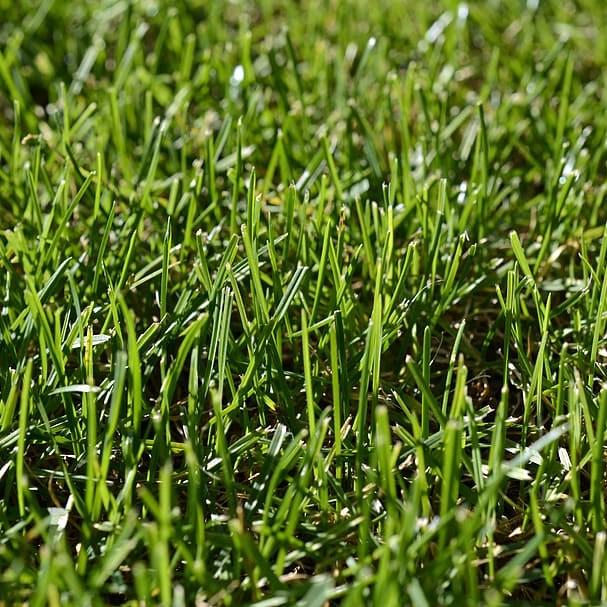
fescue
Festuca arundinacea WATER SAVER
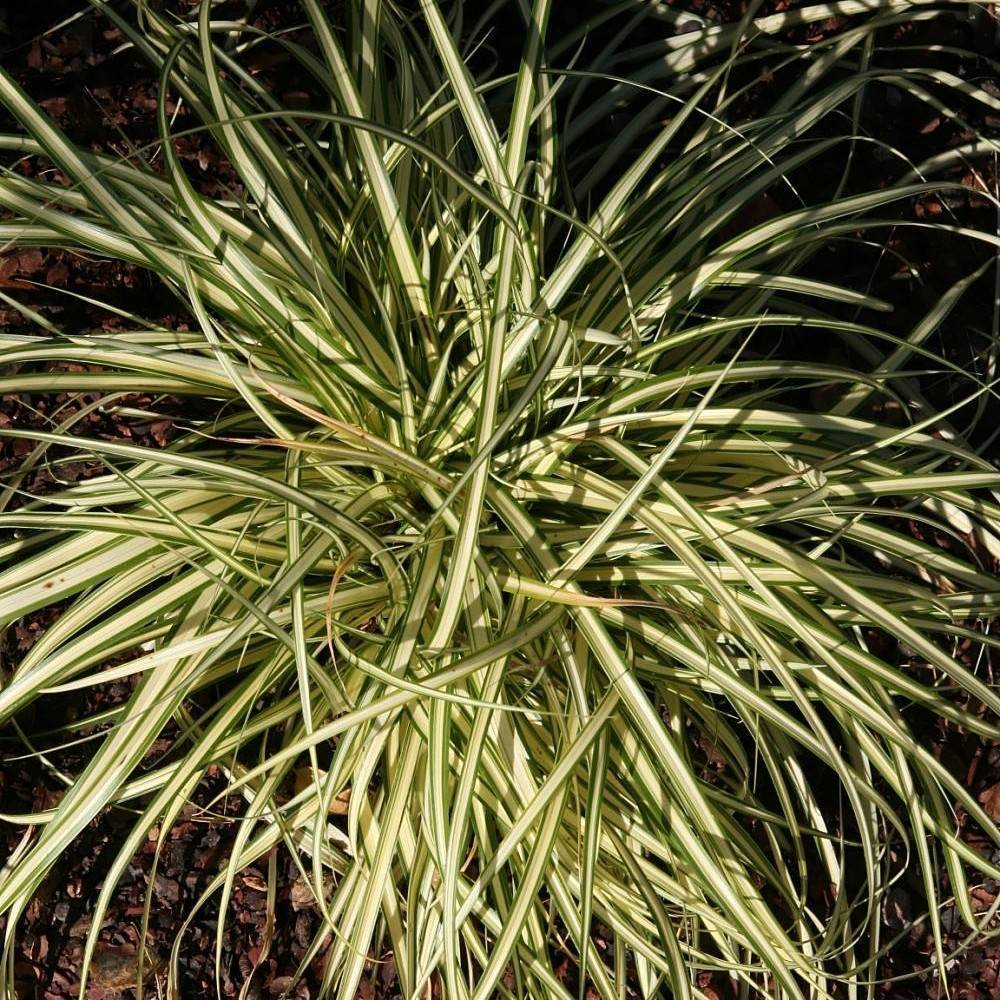
sedge
Carex oshimensis 'Gold Strike'
Bermuda grass
Cynodon dactylon 'Sundevil'