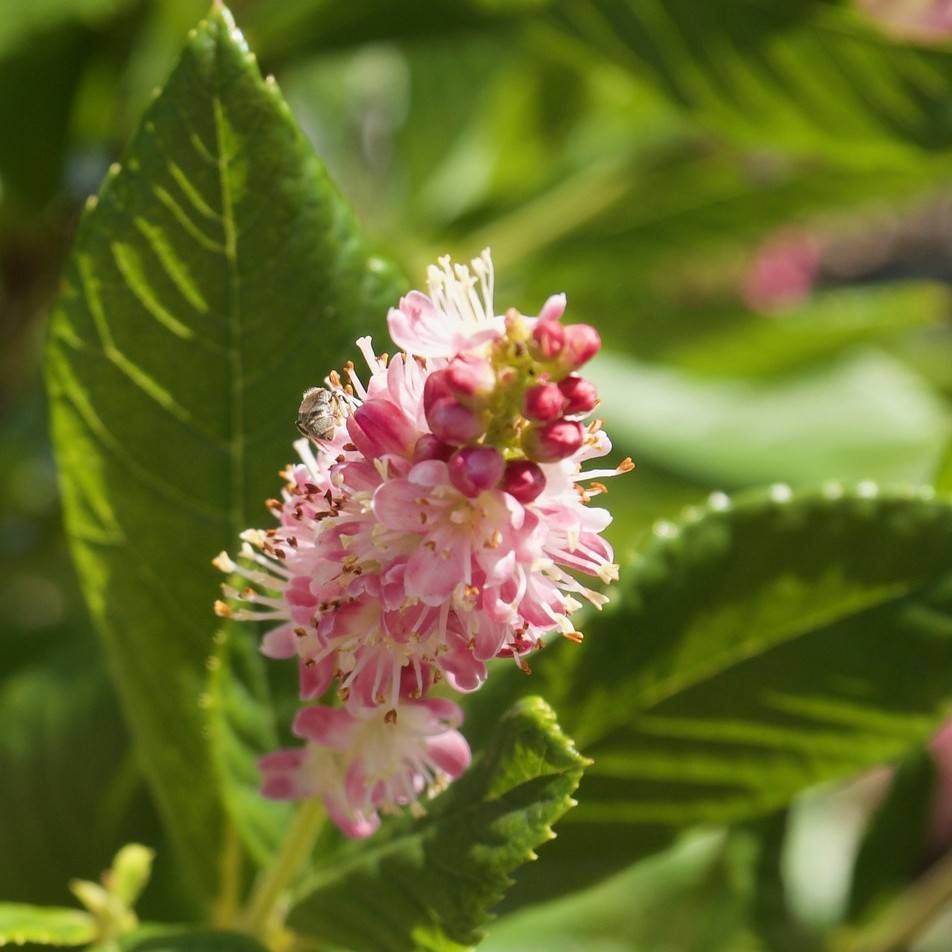
sweet pepperbush
Clethra alnifolia 'Pink Spire'
Overview
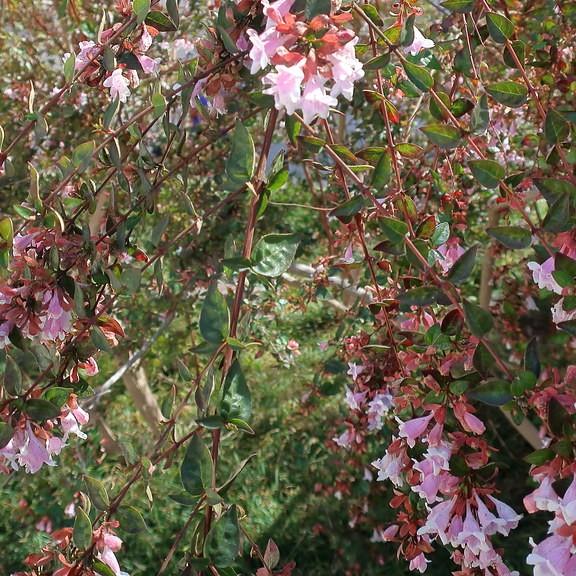
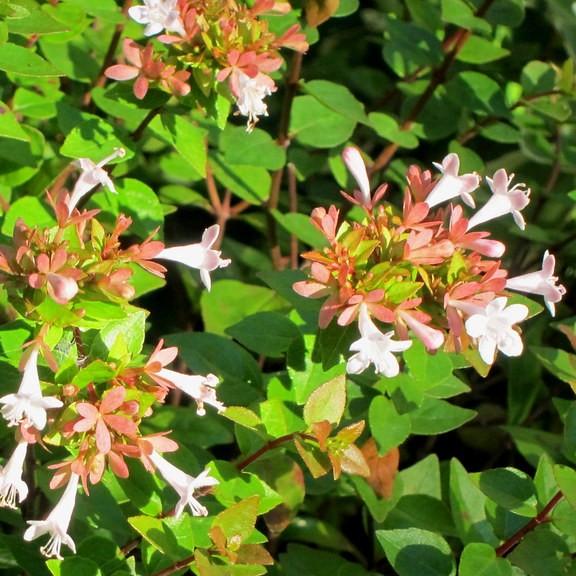
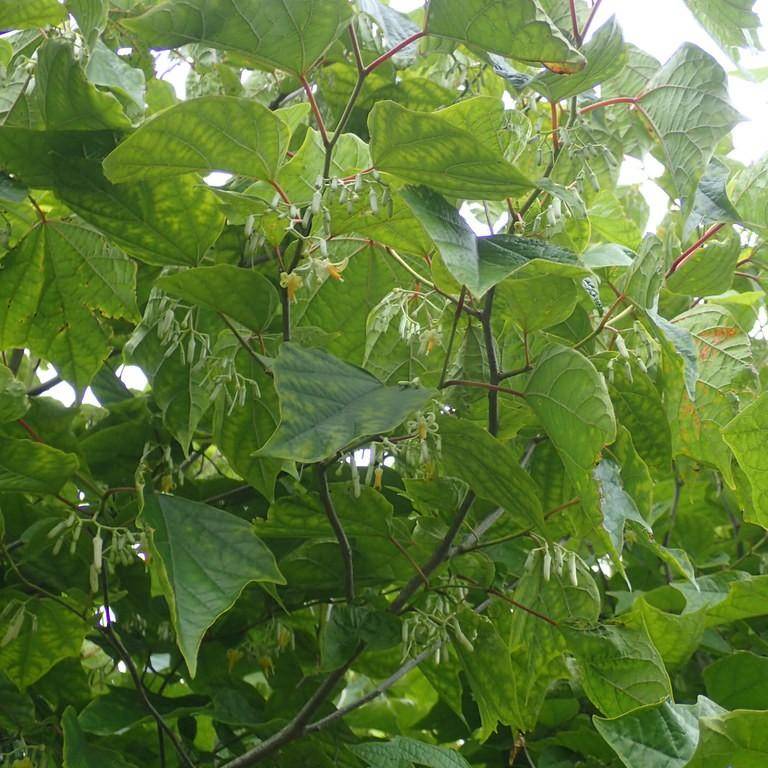
The sweet pepperbush 'Pink Spire' (Clethra alnifolia) is a rare gem in the garden. It blooms in late summer with stunning pink flowers that are clustered in spikes above the foliage. The leaves are fragrant and the thick shrub grows best in moist soils. This easy-to-care-for shrub is quite unique. Its versatility allows it to be used in mass plantings or as a specimen. Not only does it stand out in the landscape, it attracts butterflies and hummingbirds who enjoy its sweet scent and vibrant flowers. Sweet pepperbush 'Pink Spire' is a beautiful and lasting addition to any garden.
Care Guide
Watering
The sweet pepperbush plant should be watered regularly, about once per week or every 7 to 10 days. Make sure the soil stays moist but not soggy as it doesn't fair well in overly wet conditions. Water deeply, ideally until it starts to drain out of the pot’s bottom. If the soil feels dry an inch below the top, it’s time to water. During the growing months, water more often. During the winter months, reduce the frequency—but never let it dry out completely.
Light
Sweet pepperbush (Clethra alnifolia 'Pink Spire') should receive full, direct sunlight for approximately 8 to 10 hours each day. In partial shade, this plant can do well if given at least 4 to 6 hours of direct sunlight each day. During the heat of summer, 8 to 10 hours of direct sunlight is recommended, as this will help the plant to flower. Sweet pepperbush also prefers moist soil and needs to be watered regularly and consistently.
Temperature
Hardiness zone 4–8.
Pruning
Sweet pepperbush (Clethra alnifolia 'Pink Spire') should be pruned in late winter or early spring, during dormancy. It should be lightly pruned, removing dead, diseased, or damaged branches and crossing branches. To maintain a compact shrub shape, thin out the plant by no more than 1 third of the unwanted growth. Avoid overly pruning or shearing back as this can make the plant look unnatural and open it up susceptibility to disease.
Propagation
Cutting, Layering Propagation, Division, Seed Propagation
Uses & Symbolism
Attracts: Butterflies.
Related plants
Other plants you might like if you grow sweet pepperbush.