swamp milkweed
Asclepias incarnata 'Ice Ballet'
Overview
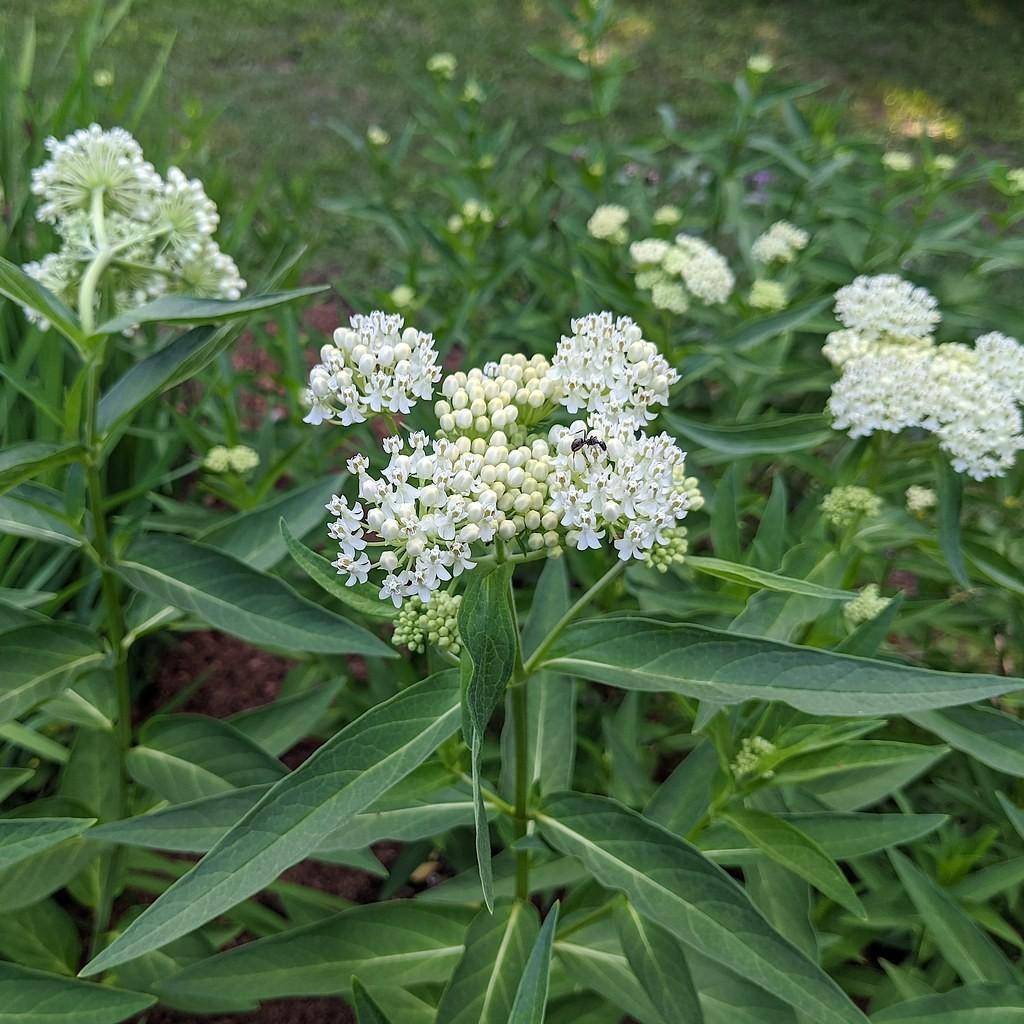
Swamp milkweed (Asclepias incarnata 'Ice Ballet') is an amazing plant species to grow. Its unique blooms of white with pink veins make it a sight to behold! It thrives in wet areas, making it a great choice for gardens located near ponds and streams. The huge clusters of tiny flowers attract butterflies and other pollinators, making it a perfect addition to any wildlife garden. And unlike most milkweed species, this variety is incredibly easy to care for. It's also deer-resistant and drought-tolerant, making it an excellent choice for beginner gardeners. So don't miss out on this beautiful plant; add a few 'Ice Ballet' swamp milkweed plants to your garden today!
Care Guide
Watering
Swamp milkweed (Asclepias incarnata 'Ice Ballet') should be watered regularly and deeply. During the growing season of spring to late summer, watering should be done on a weekly basis, and for best results, water enough so that the soil is completely wetted. In hotter climates, additional water may be needed. During the colder months, when growth slows, reduce watering slightly and wait for the soil to dry out before waterings. In general, swamp milkweed should not be allowed to become dry and brittle as this can put excessive stress on the plant.
Light
Swamp milkweed (Asclepias incarnata 'Ice Ballet') prefers full sun to part shade, with at least 6 hours of direct sunlight per day. While this species can grow and flower in light shade, it will achieve its best growth and flowering in full sun conditions. During the hottest parts of the day it may need protection from the midday sun, but enough direct sunlight should be available during early and late day hours.
Soil
Sandy Loamy Clay Humus
Temperature
Hardiness zone 3–6.
Pruning
Swamp milkweed (Asclepias incarnata 'Ice Ballet') should be pruned in late autumn/early winter. The plant should be lightly pruned by removing any diseased, damaged, or dead stalks, and lightly cutting back the stems to promote compact, bushy growth. Pruning in late autumn/early winter helps to ensure a good bloom in the following season.
Propagation
Division, Cutting, Seed Propagation, Root Cutting
Uses & Symbolism
Attracts: Butterflies.
Related plants
Other plants you might like if you grow swamp milkweed.