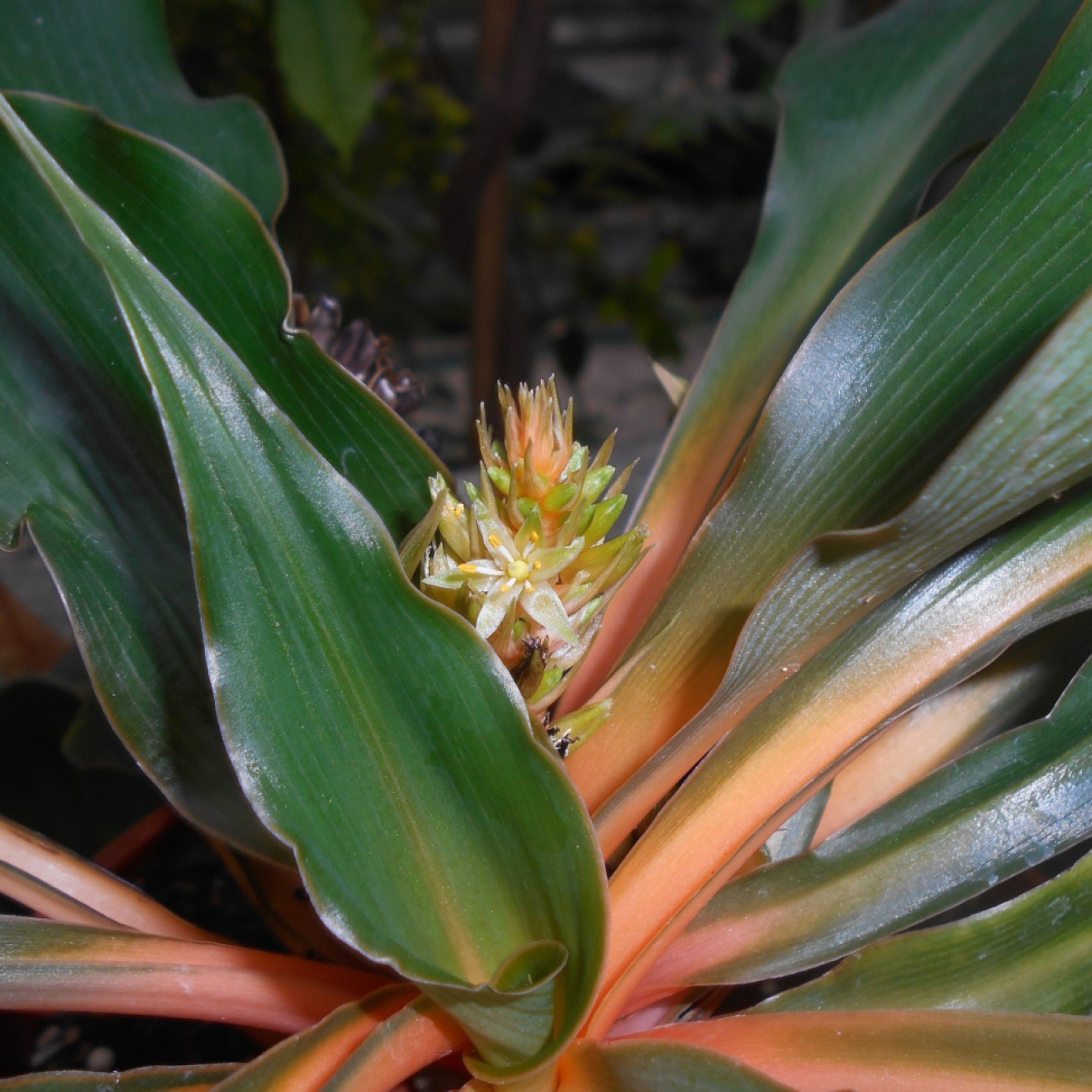
St. Bernard's lily
Chlorophytum amaniense
Overview
St. Bernard’s Lily (Chlorophytum amaniense) is an amazing plant species that's native to East Africa. It's a perennial, and it grows in dense tufts of long, green, strappy leaves with showy, pure white flowers. Its striking color combination and upright habit make it an excellent choice for a focal point in the garden. It tolerates full shade and requires little maintenance. Despite its delicate appearance, it's actually quite hardy, able to tolerate wide temperature fluctuations. It also attracts butterflies and beneficial pollinators. Perfect for a low- maintenance garden, St. Bernard’s Lily looks amazing throughout the year.
Care Guide
Watering
St. Bernard's lilies need to be watered every 2 weeks, depending on the climate, with enough water to keep the soil moist, but not soggy. In particular, during the warmer months, the lilies need more water to help keep them growing. Water your lilies slowly and thoroughly every 7 to 14 days, depending on the climate. During this time, it is important to make sure that the lilies are getting enough water to stay healthy, but not too much water that it can rot the lily's roots. If the weather is especially hot or dry, you may want to water them more frequently.
Light
St. Bernard's lily enjoys bright, indirect sunlight for approximately 6 to 8 hours per day. It prefers indirect sunlight that is filtered through a window or other light fixture rather than direct sunlight from the sun. If the plant receives too much direct sunlight it could burn and die. When grown indoors St. Bernard's lily should be placed near a bright window, but not within reach of direct sunlight.
Temperature
Hardiness zone 11–12.
Pruning
St. Bernard's lily (Chlorophytum amaniense) is a low-maintenance evergreen perennial that requires little pruning. It is best to prune this lily in spring or early summer, when the new growth appears at the base of the plant. The amount of pruning required will depend on the size and shape of the plant, as well as the desired outcome. When pruning, only remove dead or damaged foliage, and be sure to leave at least 1 bud or pair of buds above the cut for proper growth and flowering. If the shape of the plant needs to be changed, prune out the overcrowded stems, leaving only the most vibrant ones. This will ensure proper airflow and improve the health of the plant.
Propagation
Division, Seed Propagation, Offsets
Related plants
Other plants you might like if you grow St. Bernard's lily.
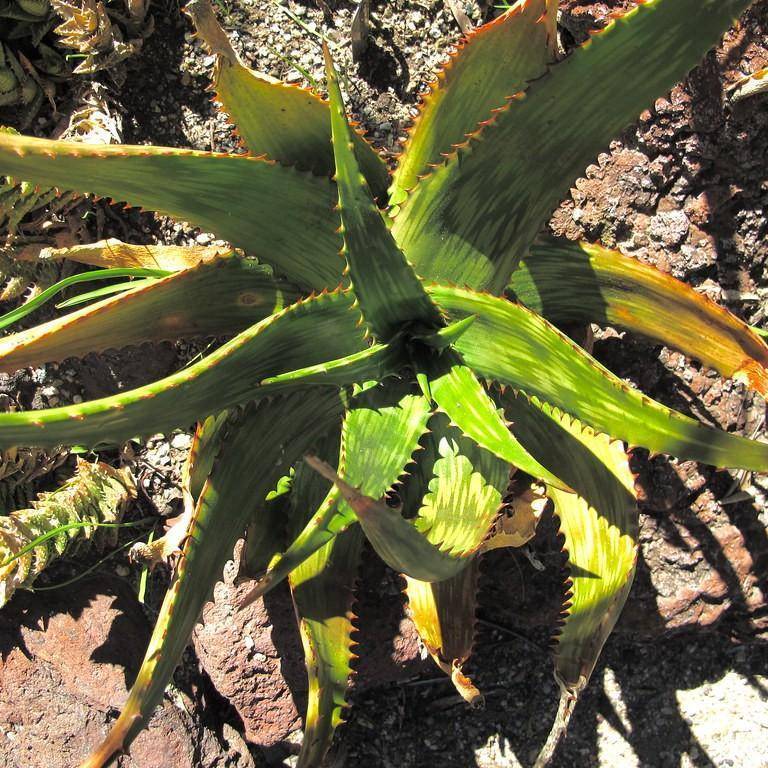
aloe
Aloe harlana
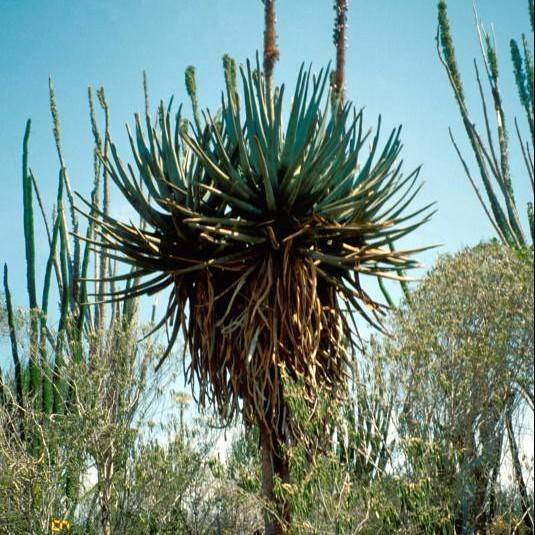
aloe
Aloe suzannae
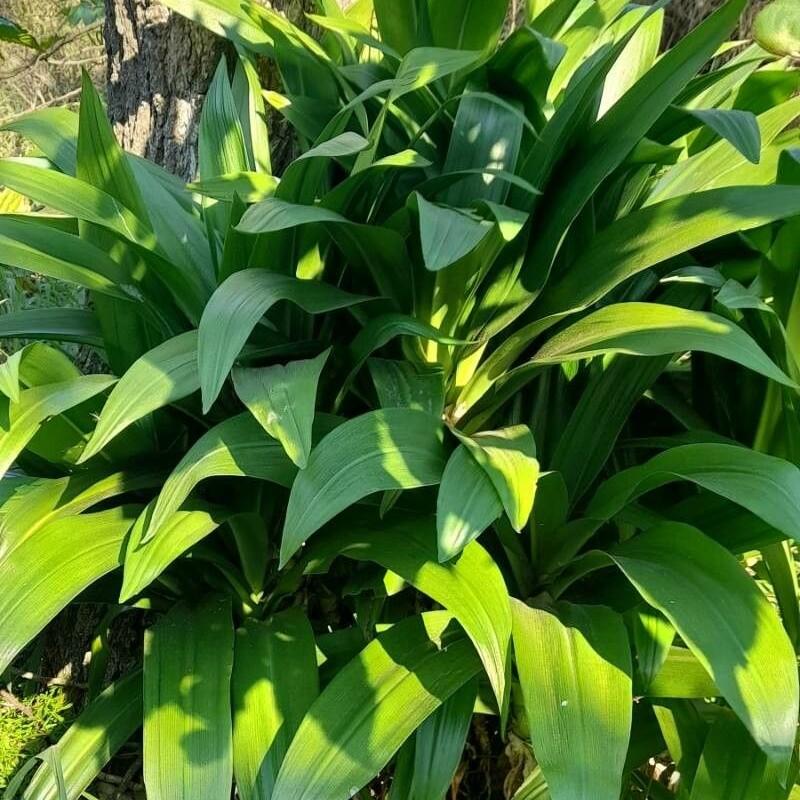
cast-iron plant
Aspidistra elatior
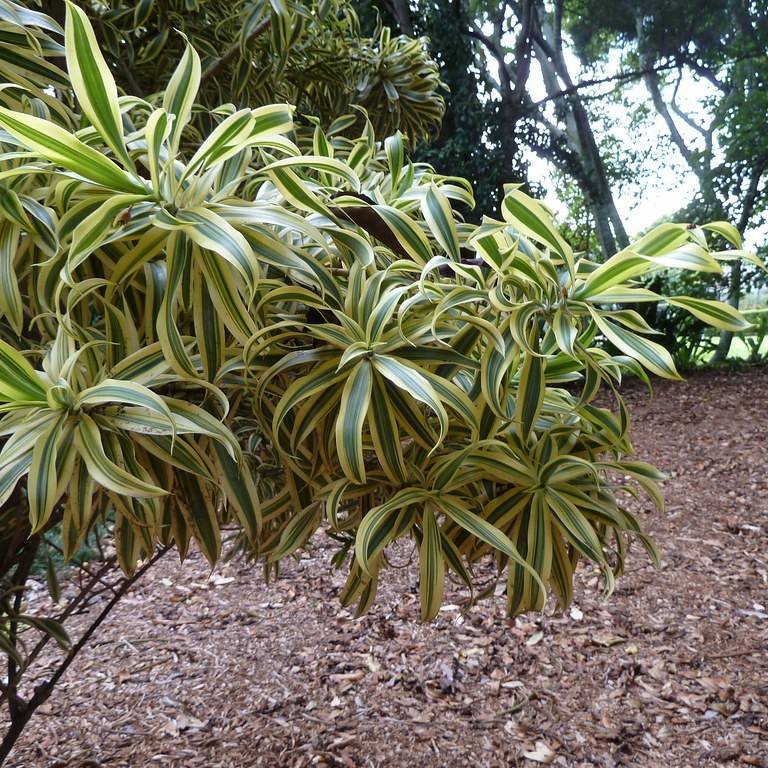
song of India
Dracaena reflexa 'Variegata'
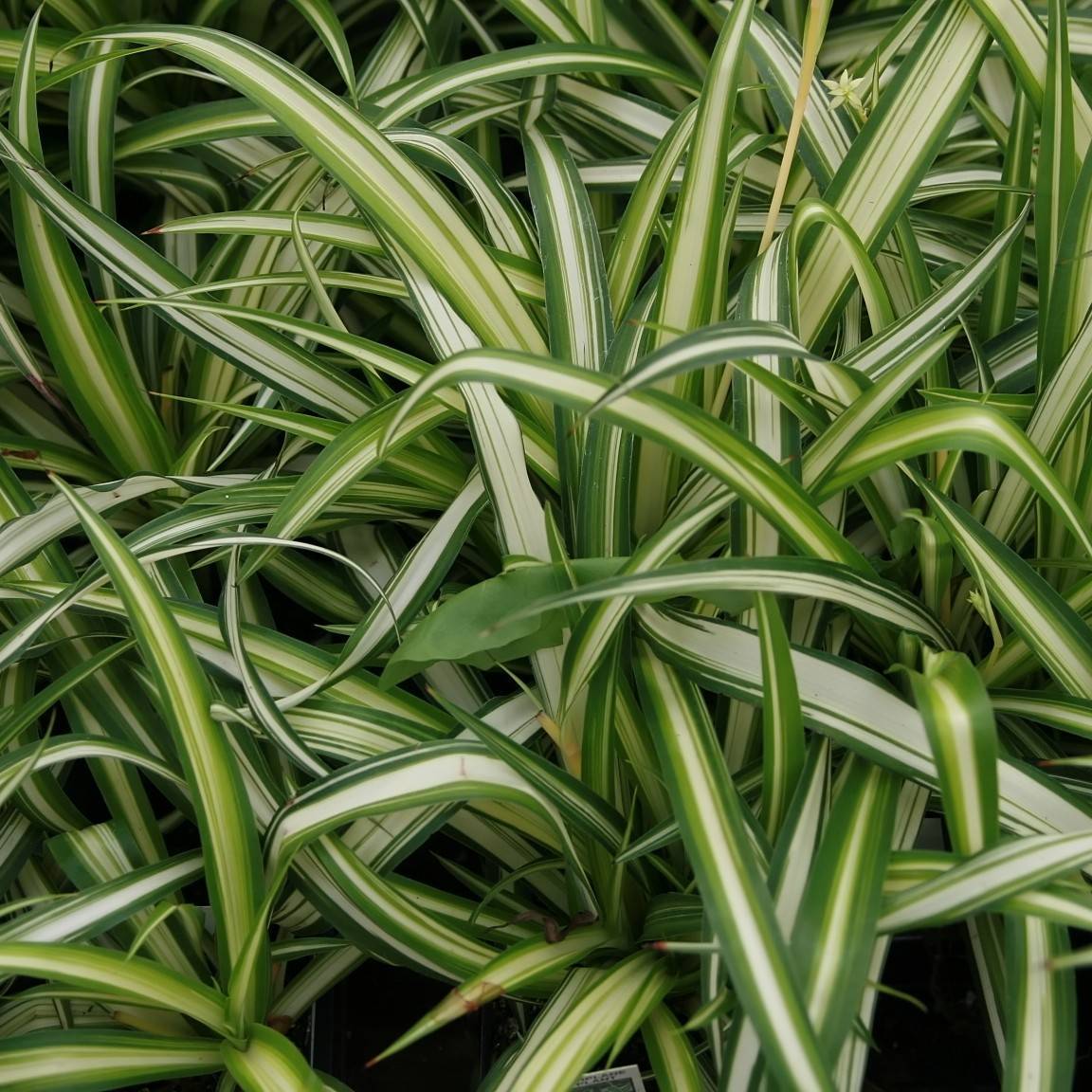
spider plant
Chlorophytum 'Bonnie'
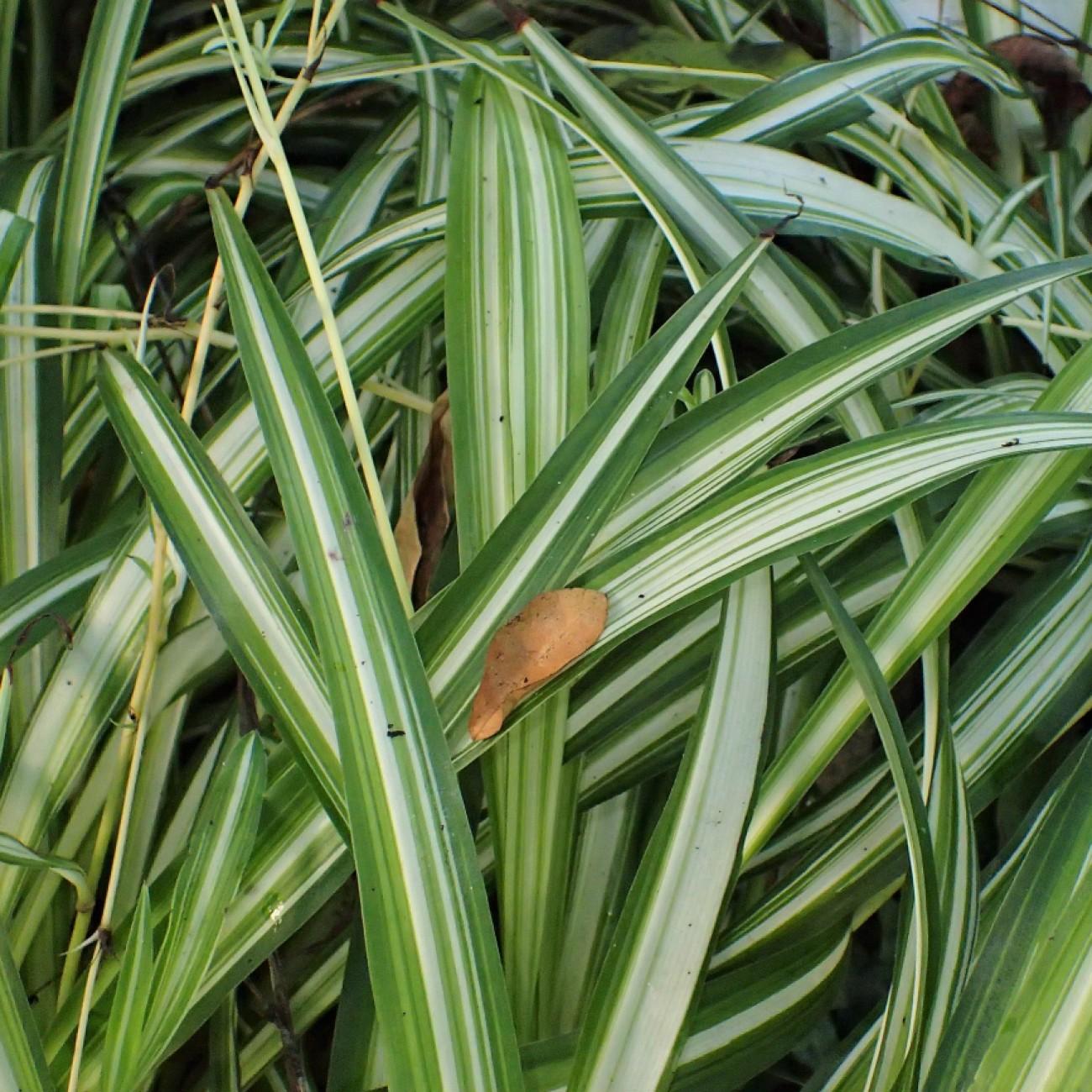
spider plant
Chlorophytum comosum 'Vittatum'
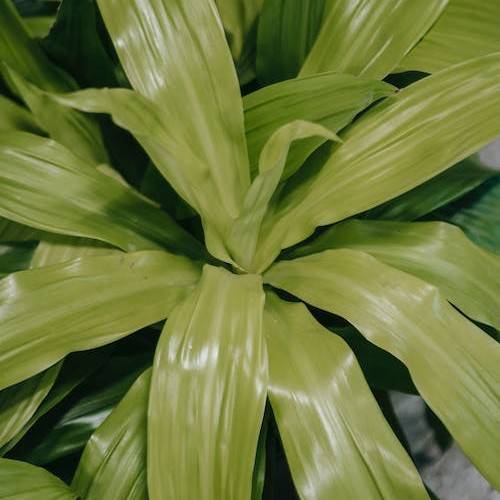
striped dracaena
Dracaena fragrans (Deremensis Group) 'Limelight'
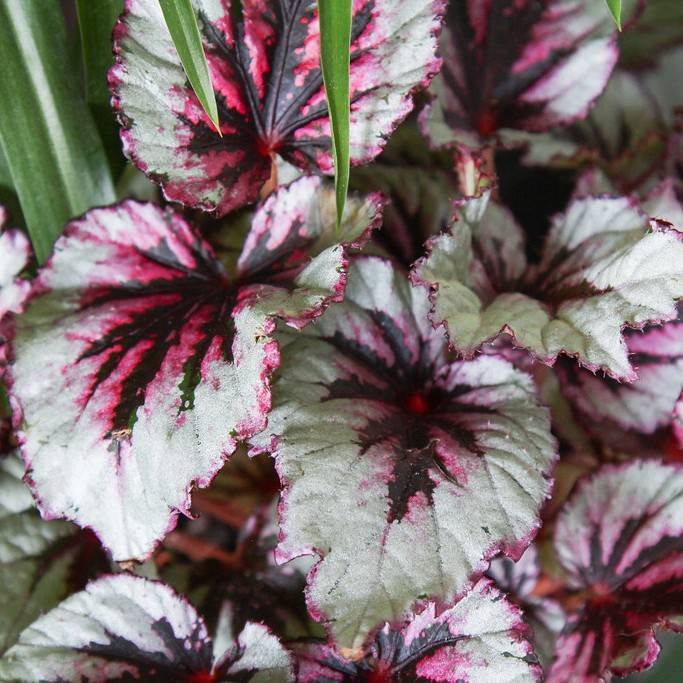
hybrid tuberous begonia
Begonia tuberhybrida 'Jurassic Pink Splash'