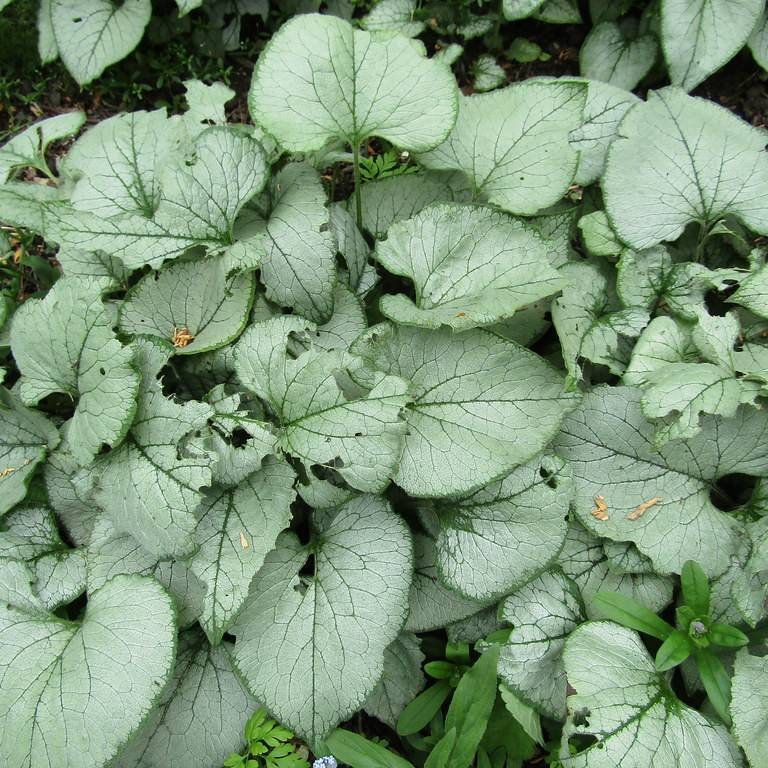
Siberian bugloss
Brunnera macrophylla 'Looking Glass'
Overview
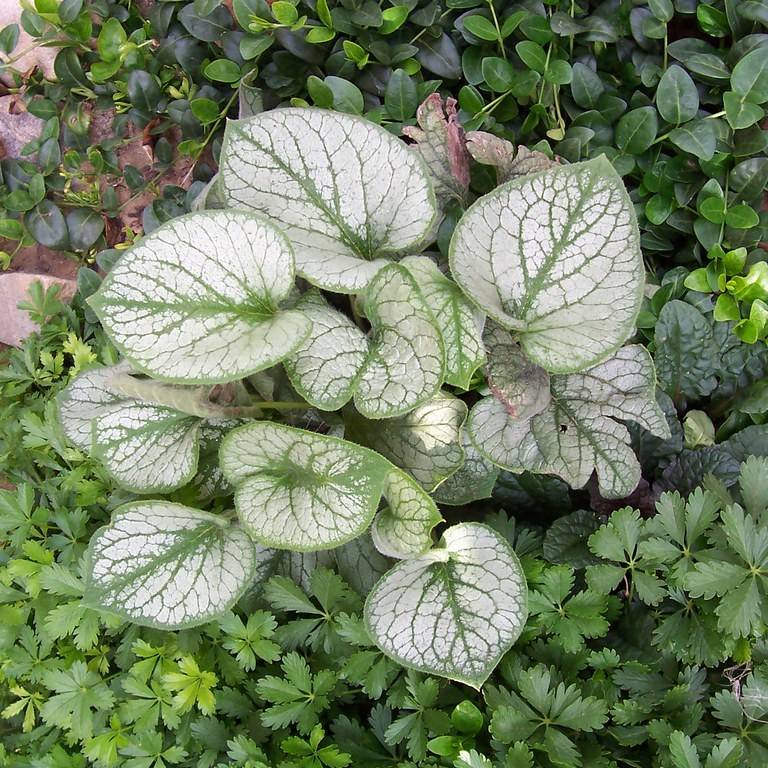
Siberian bugloss (Brunnera macrophylla 'Looking Glass') is an amazing plant species with its bright white-edged silver leaves and small, delicate, blue forget-me-not-like flowers. The largest leaves of the plant can reach up to six inches! This shade-loving plant thrives in woodland and can provide beauty to any shaded garden or patio. In warmer climates, it can become evergreen during the winter. This hardy perennial bears up to 14 days of flowering in the spring and provides an array of lovely foliage colors ranging from yellow to dark green. It's easy to maintain and can handle a variety of soil types. 'Looking Glass' offers a beautiful groundcover and lovely addition to any outdoor oasis.
Care Guide
Watering
Most Siberian bugloss plants need to be kept evenly moist throughout the growing season. Water your plant thoroughly when the soil becomes dry to the touch or the leaves start to droop. Ensure the soil is thoroughly moist but not waterlogged, as this can lead to root rot. In hottest weather, water twice a week, and in cooler weather, once a week should suffice. During the winter months, while the plant is dormant, water it only every other week.
Light
Siberian bugloss (Brunnera macrophylla 'Looking Glass') requires moderate levels of sunlight all year round. This species is best grown in part-sun to part-shade, with the ideal amount of sunlight being 4 to 6 hours of direct sunlight per day in the warmer months and as much as 8 hours of sunlight in the shorter days of winter. It is during these shorter days that the Siberian bugloss plant may need a little more assistance with providing light and should be moved to a sunnier spot if necessary.
Soil
Well-drained
Temperature
Hardiness zone 3–8.
Pruning
Siberian bugloss (Brunnera macrophylla 'Looking Glass') can be pruned once a year in early spring. The plant looks its best when pruned back to where the new growth is emerging from the stems. Avoid taking off too much of the old leaves, leaving a small portion of them so that the plant maintains its attractive appearance. Prune off leggy stems that have become weak and have lost their foliage. Also, remove any dead or damaged stems and seed heads that have formed over winter.
Propagation
Division
Diseases & Pests
Common pests: Slugs, snails, Pest resistant, Disease resistant, Deer resistant, Rabbit resistant .
Related plants
Other plants you might like if you grow Siberian bugloss.
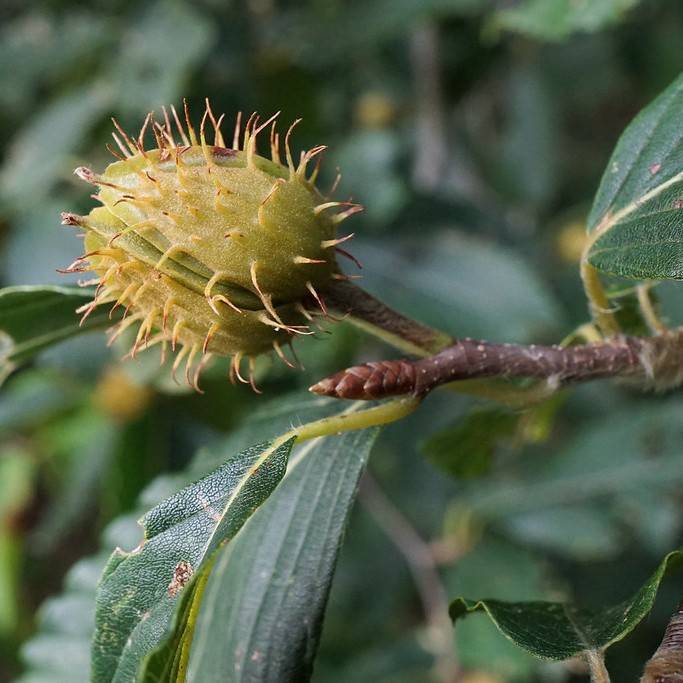
American beech
Fagus grandifolia
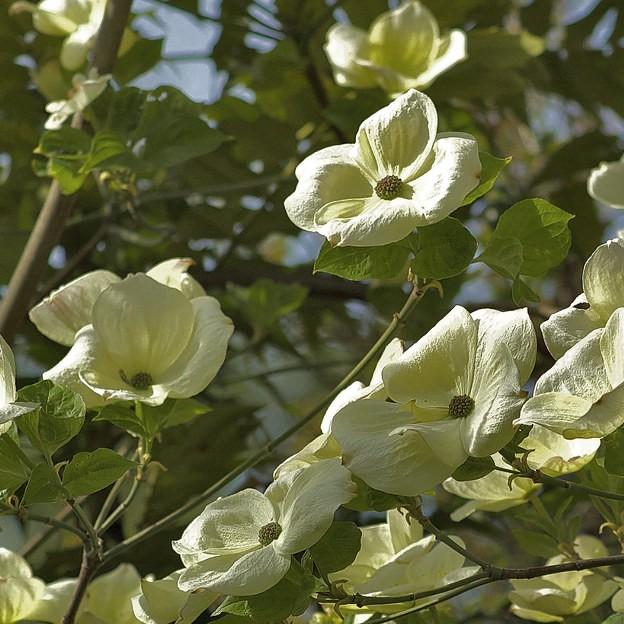
Eddie's White Wonder Flowering Dogwood
Cornus 'Eddie's White Wonder'
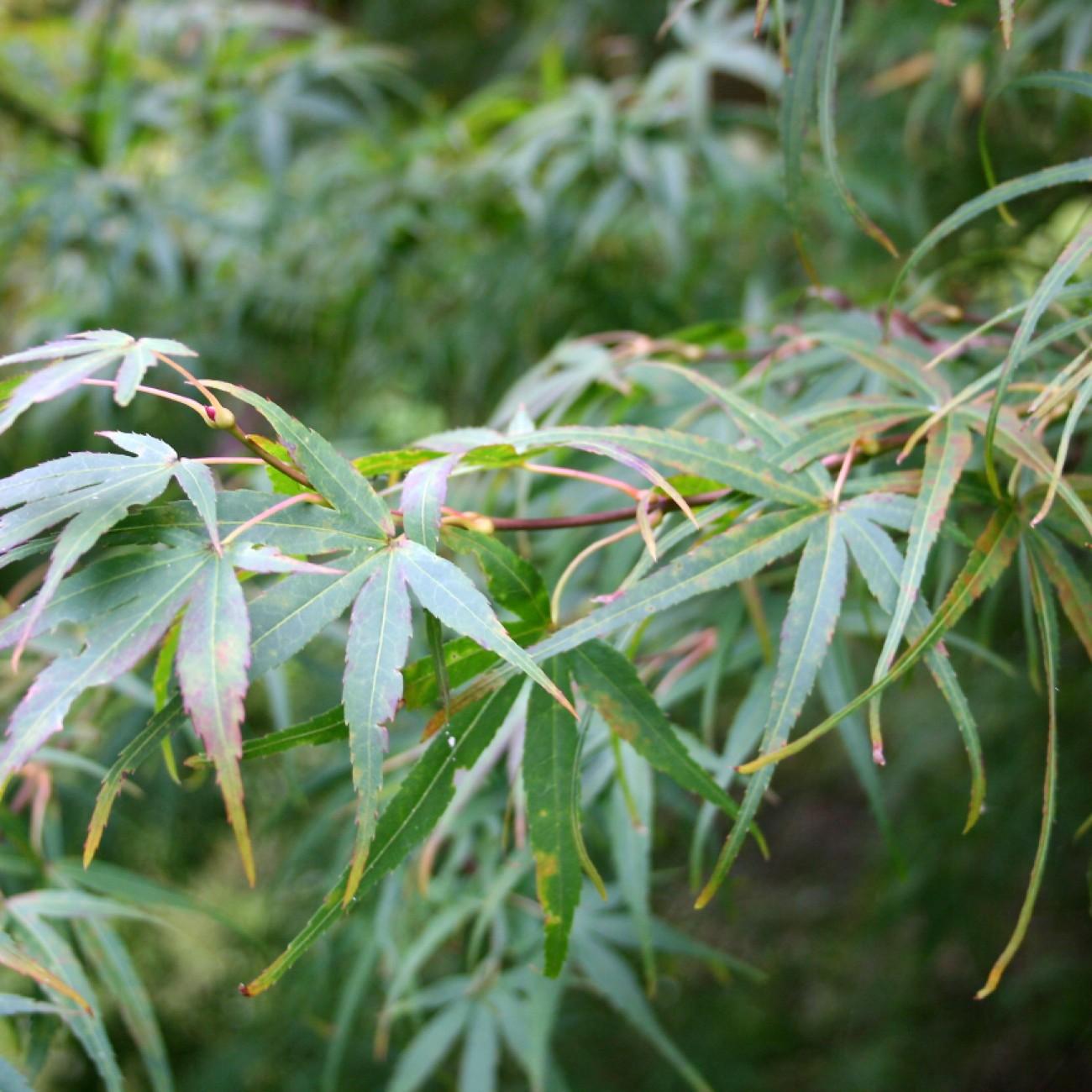
Koto No Ito Japanese Maple
Acer palmatum 'Koto No Ito'
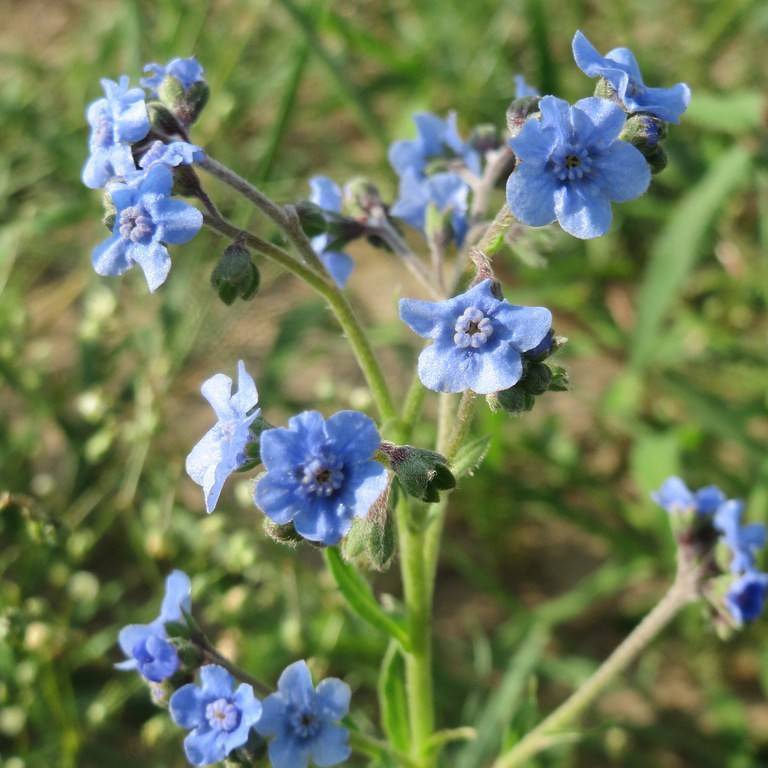
Siberian bugloss
Brunnera macrophylla
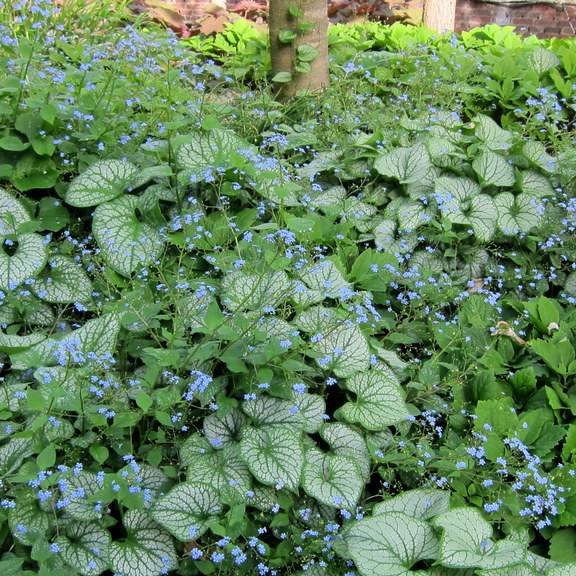
Siberian bugloss
Brunnera macrophylla 'Alexander's Great'
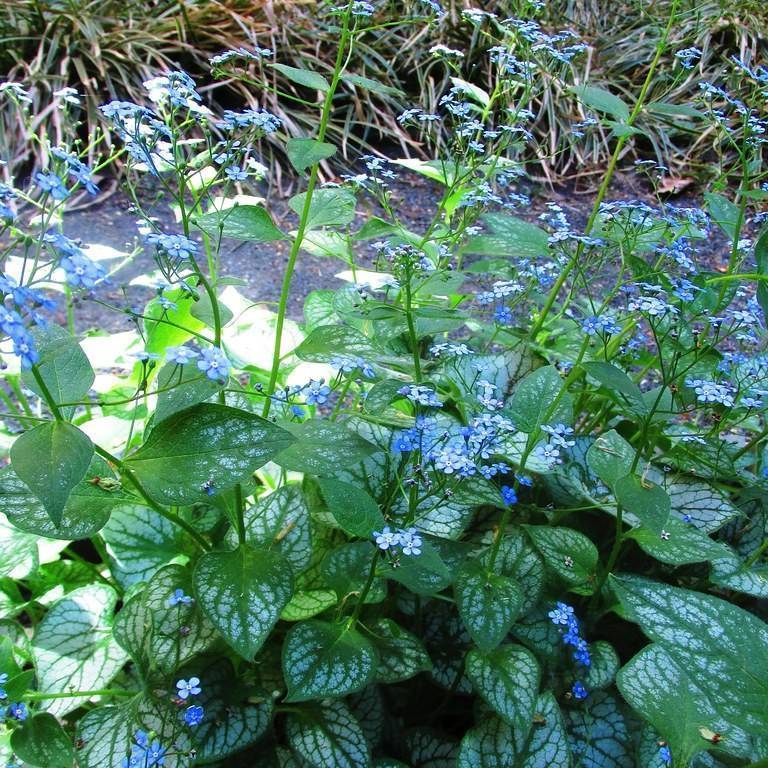
Siberian bugloss
Brunnera macrophylla 'Dawson's White'
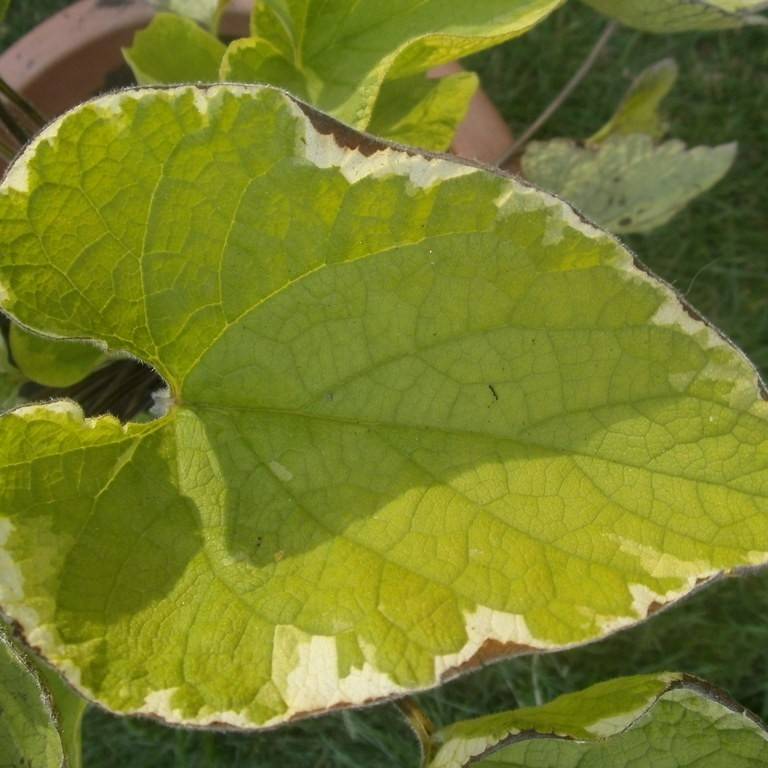
Siberian bugloss
Brunnera macrophylla 'Hadspen Cream'
Siberian bugloss
Brunnera macrophylla 'Jack Frost'