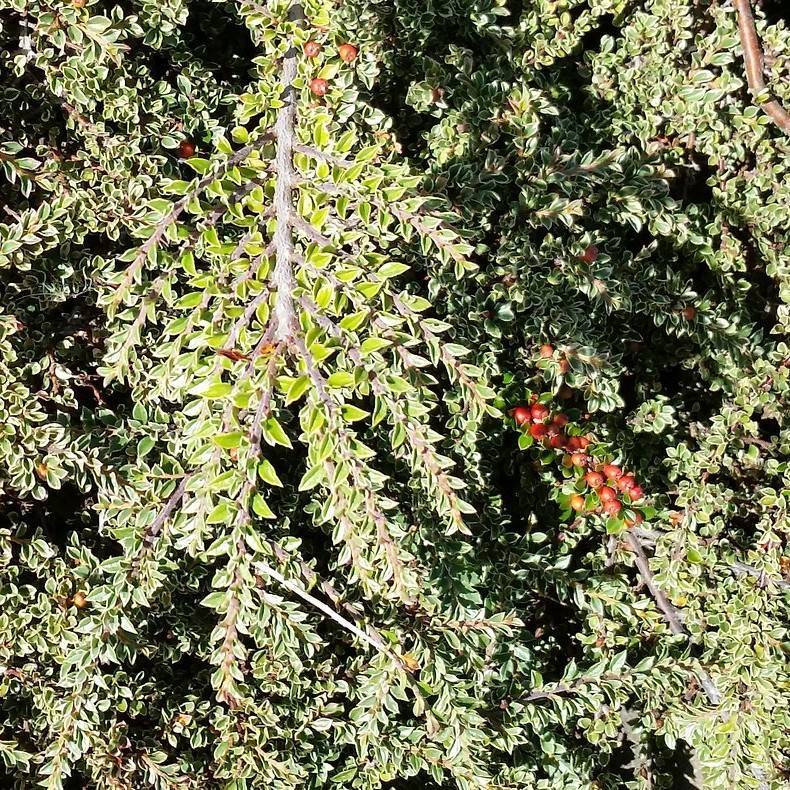
rock cotoneaster
Cotoneaster horizontalis
Overview
The rock cotoneaster (Cotoneaster horizontalis) is an amazing species of plant, displaying magnificent beauty year round. Its leaves turn to an attractive bright red in the fall, and small white flowers bloom in spring and summer. It produces a large abundance of dark berries in late summer that can attract birds and other wildlife. The arching branches of rock cotoneaster can provide excellent protection for garden beds, and its low maintenance requirements make it an ideal choice for novice gardeners. It is also extremely drought tolerant and fast growing. All in all, rock cotoneaster is an attractive, low-maintenance species that can bring beauty and life to your garden!
Care Guide
Watering
Water regularly, keeping the soil lightly moist but not soggy. Water when the top few inches of the soil become slightly dry to the touch - about once every 1-2 weeks in the summer, and about once a month in the winter. In very hot climates, water more frequently to keep the soil from drying out too quickly. Make sure the soil is well drained and has adequate air circulation.
Light
Rock cotoneaster (Cotoneaster horizontalis) is a deciduous plant species that grows in a shrub-like form. It requires at least 4 to 6 hours of direct sun per day. For optimal growth, this deciduous species does best with 6 to 8 hours of direct sunlight each day, during peak growing season (spring to late summer). During the cooler winter months, this plant will still need a minimum of 4 hours of full sunlight. If the plant is grown in a windy location, some light protection such as a wind screen or wall may be necessary during peak growing season. During the summer months, this plant should be shielded from the hottest portion of the day and can take partial shade during that time.
Soil
Well-drained
Temperature
Hardiness zone 5–7.
Pruning
Rock cotoneaster (Cotoneaster horizontalis) should be pruned in early spring, before the leaves of the plant emerge. Pruning should be kept light to moderate, removing only 1/3 of the stems at a time. If the plant becomes overcrowded, more aggressive pruning may be needed. When pruning, always use clean, sharp gardening tools. Removing dead, diseased, or damaged branches should be done before any other pruning. Keep the center of the shrub open so light can penetrate. Rock cotoneaster may respond to heading back of the stems; however, when doing so, always prune back to healthy shoots.
Propagation
Seed Propagation, Greenwood Cuttings, Greenwood Cuttings, Hardwood Cuttings
Uses & Symbolism
Attracts: Birds.
Diseases & Pests
Common pests: Mites, Rust, Scale insects, Deer resistant, Drought resistant .
Related plants
Other plants you might like if you grow rock cotoneaster.
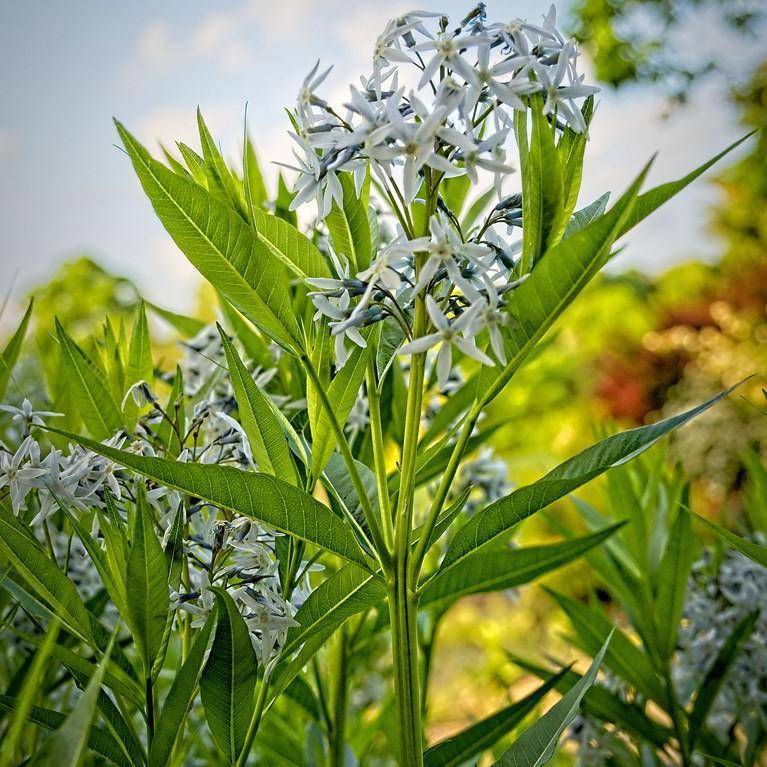
blue star
Amsonia tabernaemontana
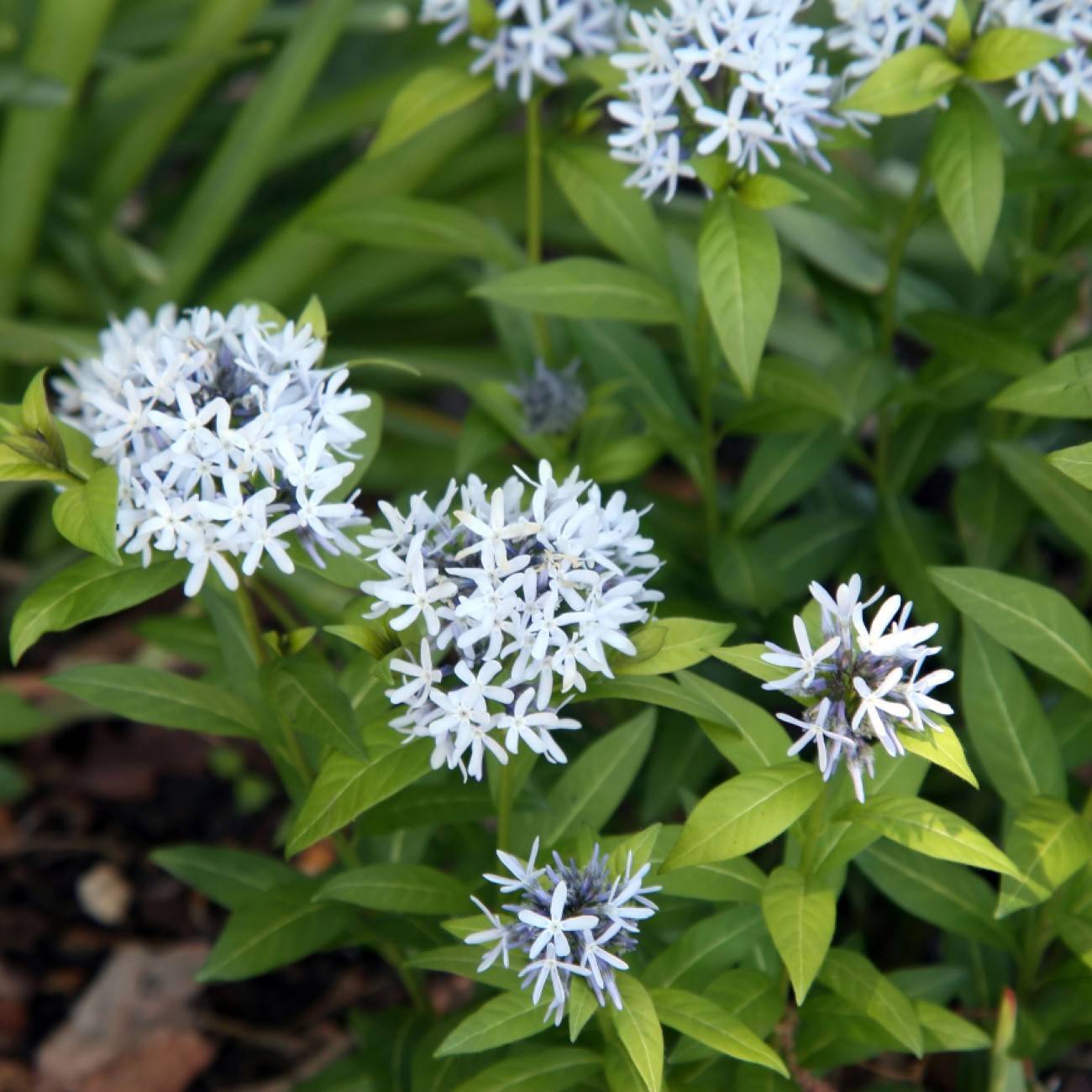
blue star
Amsonia tabernaemontana 'Storm Cloud'
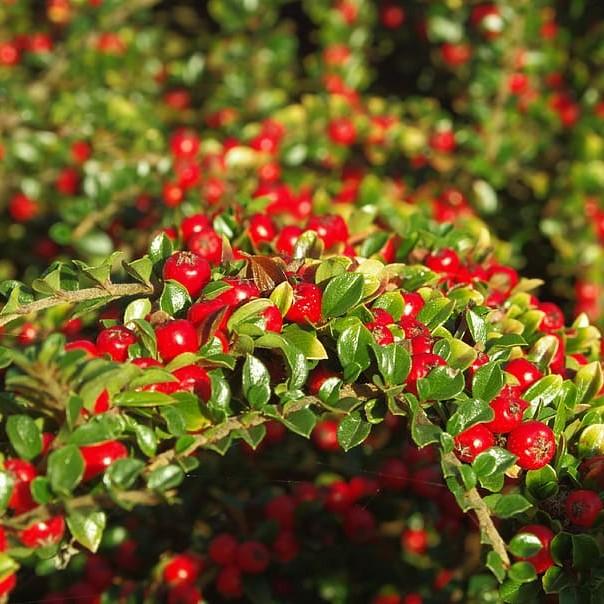
rock cotoneaster
Cotoneaster horizontalis 'Robusta'
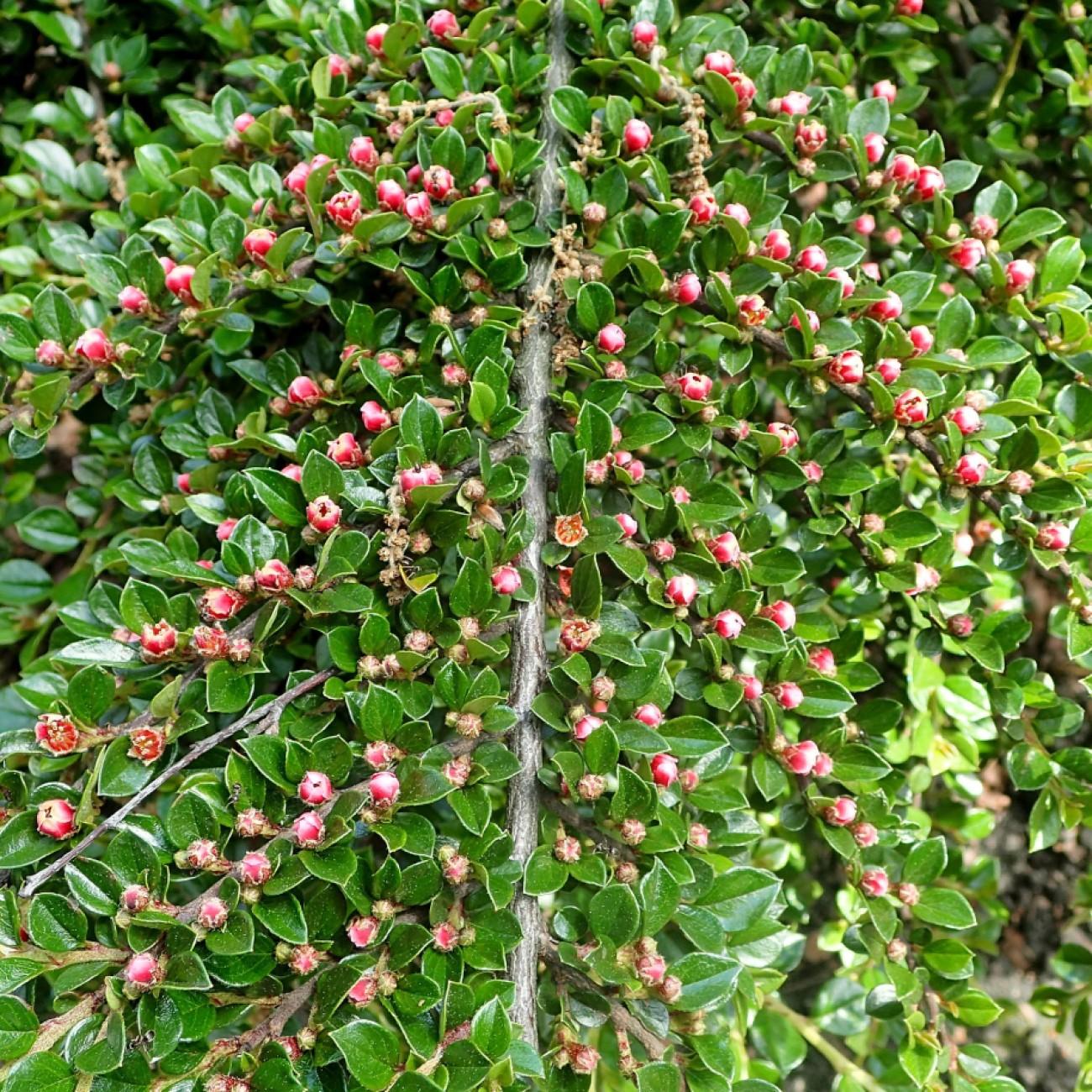
rock cotoneaster
Cotoneaster horizontalis var. perpusillus
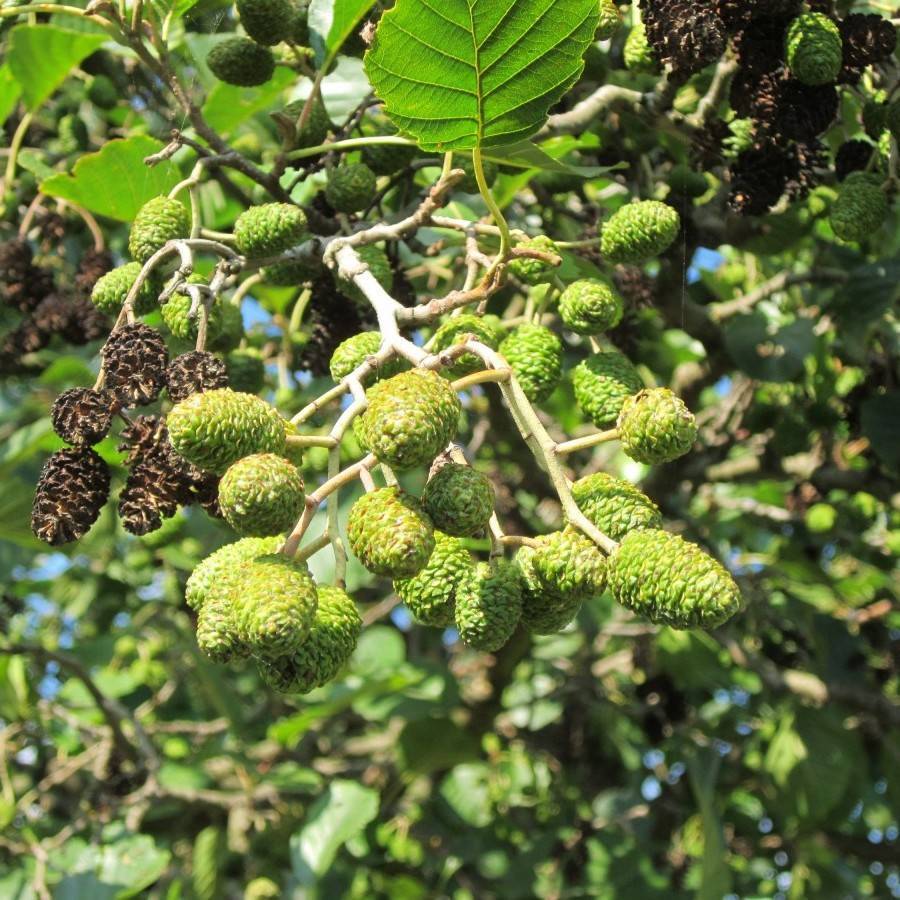
alder
Alnus mayrii
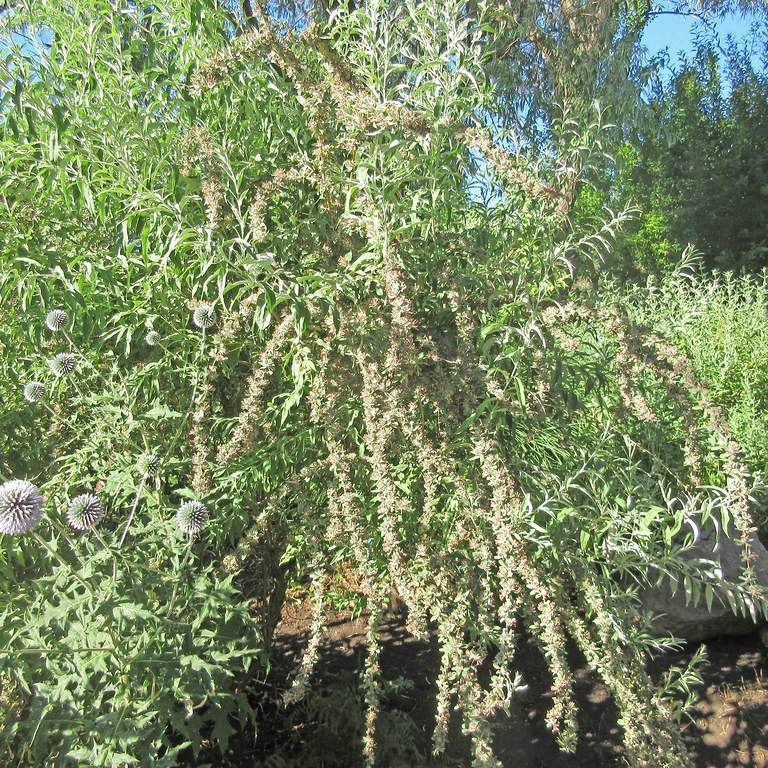
alternate-leaved butterfly bush
Buddleja alternifolia
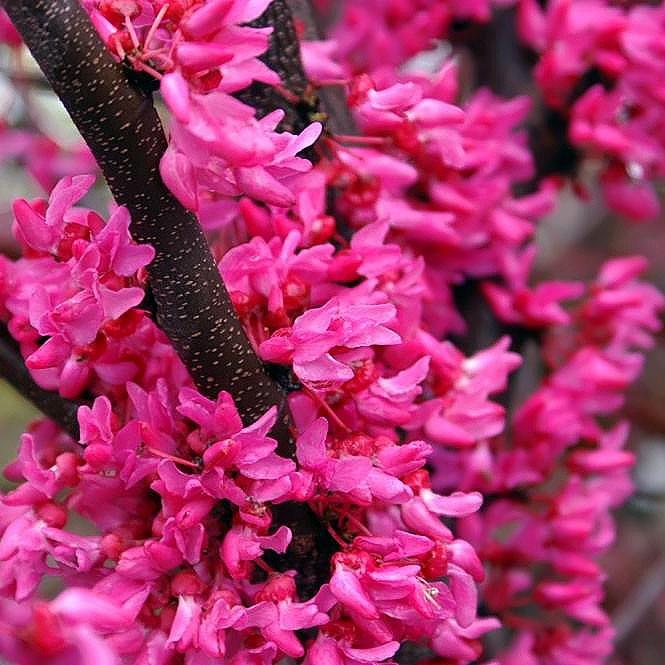
Appalachian Red Redbud
Cercis canadensis 'Appalachian Red'
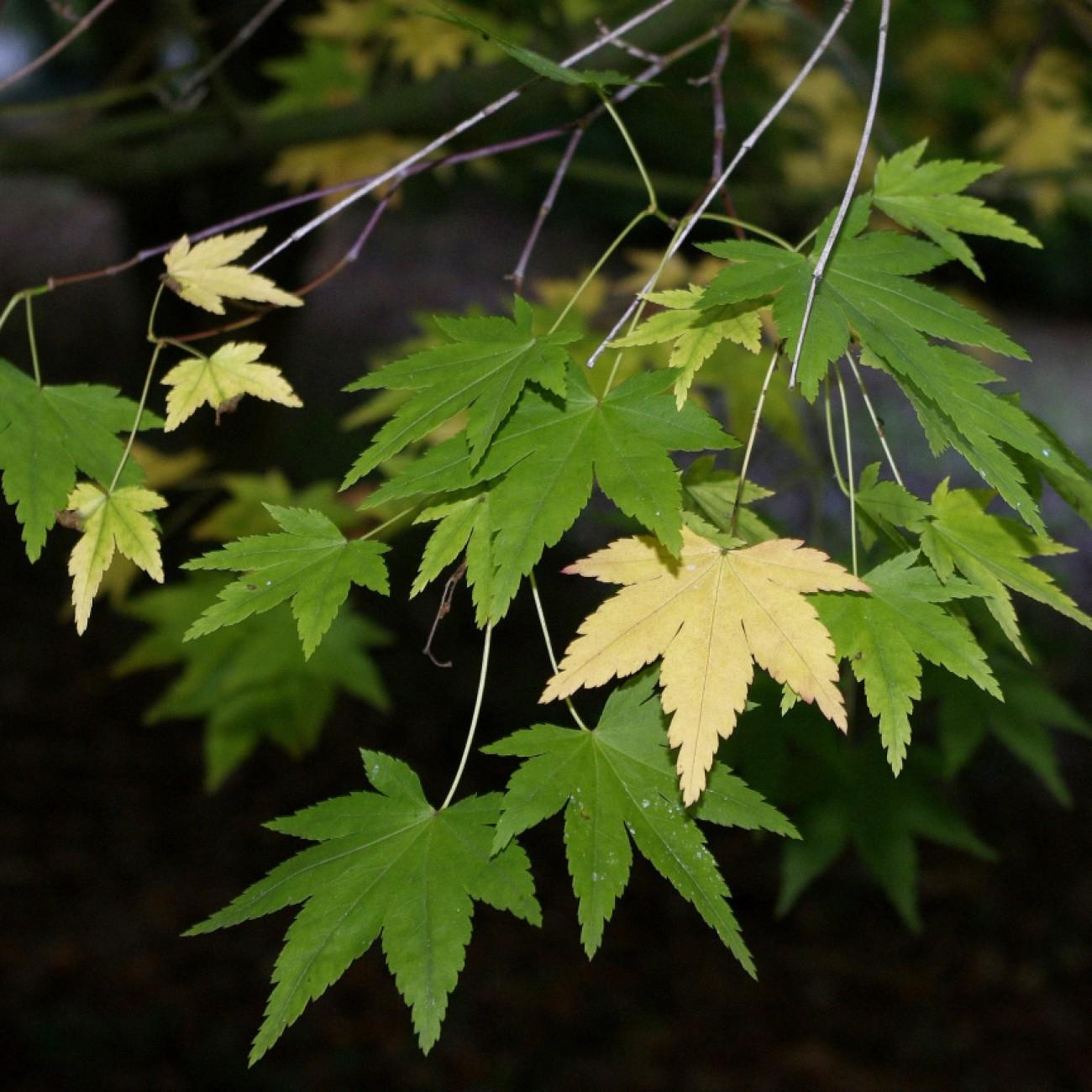
Arakawa Cork Bark Japanese Maple
Acer palmatum 'Arakawa'